
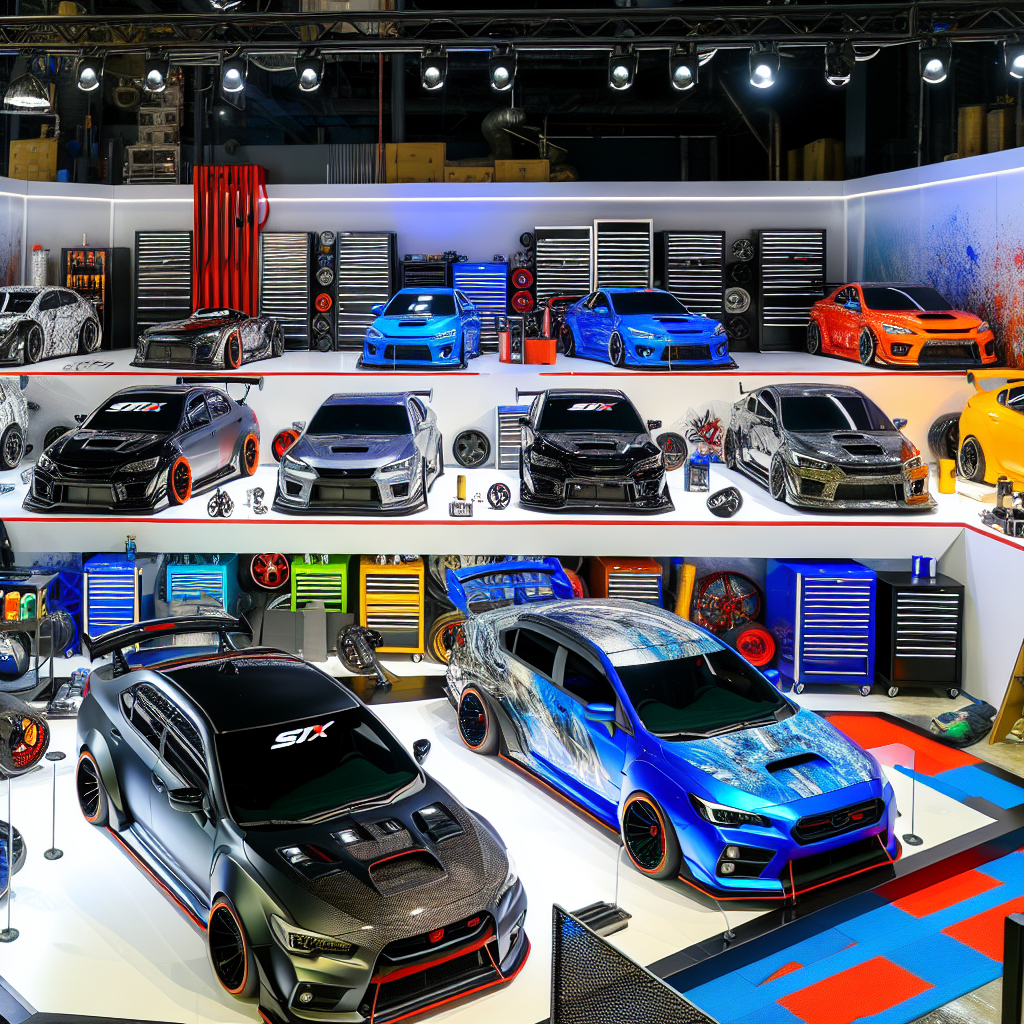
“Modifying a car isn’t about making it faster or better—it’s about making it yours. It’s an expression of identity, a mechanical self-portrait. The time, money, and passion we pour into these machines aren’t investments in metal and rubber; they’re investments in ourselves. When you turn a wrench on your car, you’re not just adjusting a bolt—you’re imprinting your soul onto four wheels.”
— John Pearley Huffman, MotorTrend
When it comes to car modifications, many enthusiasts believe that enhancements will always boost their vehicle’s resale value, but this is often a misconception. Astonishing statistics reveal that certain modifications can significantly diminish the worth of a car. For instance, a heavily modified 2003 Infiniti G35 lost a staggering $2,000 in resale value, landing at $7,700 compared to its unmodified counterpart at $9,700—a 20% drop.
Conversely, some thoughtful upgrades can yield substantial profits; a 2005 Porsche 911 Carrera Coupe with enhanced tires was sold for $50,900, outpacing its similar but unmodified model by nearly $10,900. In a market rife with misconceptions, understanding how car modifications and resale value interact is essential for any enthusiast looking to sell or upgrade their ride without losing money. Join us as we delve deeper into the world of car mods and uncover what truly makes an impact on those all-important resale values.
Types of Car Modifications and Their Impacts on Resale Value
When considering car modifications, it’s important to weigh their potential impact on resale value. Below are the primary types of modifications, along with their effects based on industry insights.
Performance Mods
Performance modifications encompass enhancements like engine tuning, upgraded exhaust systems, and sport suspension components. While these mods might enhance driving enjoyment, they can also significantly lower a vehicle’s resale value. Research indicates that performance modifications can decrease resale value by as much as 10 to 30%, primarily due to concerns over reliability and warranty voiding. As noted by experts,
“Unless your buyer wants the exact modifications you have already done, a clean canvas is always more enticing.”
This suggests that many buyers prefer stock vehicles, making it crucial for enthusiasts to tread carefully when making performance upgrades.
Upgraded Tires
In contrast, investing in high-quality tires can actually boost a car’s resale value. A well-known example highlighted in industry discussions noted that a 2005 Porsche 911 Carrera Coupe with upgraded tires sold for $50,900, well above similar models. Experts recommend that when selling, including the original factory wheels can be important, as buyers often desire the option to revert to stock. As mentioned,
“However, if you want to see that extra bang for your buck when you put your car on the market, getting a tire that significantly outperforms your car’s stock tires is a great way to maximize profits.”
This indicates that not all modifications negatively impact value; thoughtful upgrades can be beneficial.
Interior Upgrades
Interior modifications, such as the addition of premium audio systems, custom upholstery, or advanced infotainment technologies, often maintain a neutral to slightly positive effect on resale value. Well-executed interior mods that enhance comfort and modernize a vehicle without altering its fundamental character can be appealing to potential buyers. However, it is crucial that these upgrades are relevant to the car model and enhance the overall driving experience.
Sources include:
Ultimately, car enthusiasts should proceed with caution regarding modifications if they plan to sell their vehicles in the future. Understanding the relationship between modifications and resale value can guide owners toward choices that enhance, rather than hinder, their investment.
| Car Model | Unmodified Resale Value | Modified Resale Value | Difference in Value |
|---|---|---|---|
| 2003 Infiniti G35 | $9,700 | $7,700 | -$2,000 (20%) |
| 2014 BMW 335i | $17,250 | $12,800 | -$4,450 (approx.) |
| 2005 Porsche 911 Carrera Coupe | $41,000 | $50,900 | +$9,900 |
| 2000 BMW M5 | $33,250 | $62,555 | +$29,305 |

User Adoption Trends in Car Modifications and Their Impact on Resale Value
In recent years, car modifications have transcended from a niche hobby to a widespread trend, especially among younger generations such as millennials and Generation Z. This demographic is particularly keen on expressing individuality and personalization through car modifications. Popular trends suggest a significant preference for lightweight and visually striking enhancements, including upgraded audio systems, flashy wheels, and aesthetic upgrades.
A report indicated that modifying popular models like the BMW 3 Series and Mercedes-Benz AMG series has become prevalent due to their strong market appeal and performance potential. It appears that modifications are increasingly driven by social media influence, with over 530 million views on car modification-related content echoing the fervent interest in customizing vehicles. Additionally, generational insights reveal that post-1995 enthusiasts are particularly fond of sporty addons such as spoilers, while those born in the 1990s prefer body decals and vibrant color changes.
Yet, while some modifications serve to enhance the visual appeal and can lead to greater resale value, others, particularly extensive performance enhancements, might conversely diminish a car’s worth. Notably, modifications that align with personal style rather than robust performance can have a more favorable effect on resale value. For instance, while equipping a car with high-quality tires can yield strong returns, extensive or niche performance mods often attract a narrower market.
In conclusion, understanding the burgeoning trends in car modification can empower enthusiasts to make better-informed choices regarding their vehicles. Particularly in today’s market, embracing modifications that resonate with wider buyer sentiments could be the key to maximizing resale value, proving that thoughtful customization paired with market understanding can enhance rather than hamper vehicle investments.
Conclusion
In conclusion, the world of car modifications is an exhilarating journey for any enthusiast, offering a chance to personalize and enhance the driving experience. However, it is vital to approach modifications with a clear understanding of their potential impacts on resale value. By thoughtfully selecting enhancements that align with market preferences, enthusiasts can enjoy their vehicles while safeguarding their investments.
To strike the right balance, focus on upgrading items that generally attract potential buyers, such as high-quality tires and tasteful interior improvements. These modifications not only enhance performance and comfort but can also positively influence resale value.
Conversely, extensive performance mods or highly personalized aesthetics might decrease overall appeal, as they may alienate future buyers desiring a more stock vehicle. Always consider that a clean, well-maintained original version often has more allure in the resale market.
Ultimately, the key takeaway for car enthusiasts is to pursue modifications that resonate with the broader automotive community while allowing room for personal expression. By balancing passion with prudent decision-making, enthusiasts can have the best of both worlds—an enjoyable driving experience and a vehicle that stands a good chance of retaining its value. Embrace the art of modification wisely, and let your vehicle reflect your unique style without compromising future returns.
The Emotional Stakes Involved in Car Modifications
Car modifications are more than just aesthetic changes or performance upgrades; they often serve as powerful forms of personal expression and identity for car enthusiasts. Through customization, owners create unique vehicles that reflect their individual tastes and lifestyles. This emotional connection can turn cars into extensions of the owner’s personality, as highlighted by a study from Hagerty Media stating that 78% of modifiers view their vehicle as an extension of themselves.
Many enthusiasts invest significant time, effort, and finances into their modifications. An average known expenditure of around $8,200 on car mods often occurs despite the acknowledgment that the financial return on investment is likely minimal. In fact, a 2023 SEMA Market Report revealed that 68% of modifiers feel a stronger emotional attachment to their modified vehicles compared to stock ones. The joy derived from the process of customization frequently outweighs the concerns about potential depreciation of resale value.
Moreover, community interactions play a crucial role in shaping these emotional connections. Online forums provide spaces for sharing experiences, advice, and encouragement, reinforcing feelings of pride and accomplishment among members. For instance, a sentiment analysis of the Reddit community r/carmodification shows that 83% of discussions focus on emotional aspects such as pride and community bonding rather than financial returns. Even amidst warnings about poor ROI on certain modifications, 76% of completion posts convey sentiments that their modifications were ‘worth every penny’ due to the intangible emotional benefits.
However, this profound emotional investment does present some risks. While many enjoy the thrill of customizing their cars, it is essential to consider how modifications can affect resale value. As noted, substantial performance upgrades may alienate future buyers who desire a clean, stock vehicle. Acknowledging this tension, enthusiasts may have to navigate the line between personal fulfillment and financial prudence in their love for car modifications.
Ultimately, the essence of car modifications lies in balancing joy with informed decision-making. While financial returns may often be disappointing, the emotional satisfaction derived from transforming a vehicle can be invaluable, solidifying the belief that some experiences transcend monetary value.
Expert Quotes on Car Modifications and Their Impact on Resale Value
J.D. Power
-
“Modifications often signal to buyers that the vehicle has been driven hard, reducing buyer confidence. To preserve value, it is recommended to keep original parts for reinstallation.”
Source
Hagerty
-
“The more modified a vehicle is, the harder it becomes to find the right buyer who values those specific changes.” A classic car appraiser noted that while some tasteful modifications can maintain or slightly increase resale value, most aftermarket changes narrow the potential buyer pool.
Source
Kelley Blue Book
-
“Any modification that alters the vehicle from its original factory condition typically reduces resale value. Cosmetic changes such as custom paint or body kits can be particularly detrimental.”
Source
Car and Driver
-
“Modifications create uncertainty about how the vehicle has been maintained and driven. Most buyers prefer stock vehicles with documented service histories rather than someone else’s project car.”
Source
These insights underscore the complexities involved in car modifications and their effects on resale value. Enthusiasts are encouraged to consider these expert opinions when contemplating their modifications, balancing personal expression with potential resale outcomes.
SEO-Optimized Keywords for Car Modifications and Resale Value
- Performance mods
- Aftermarket parts
- Factory paint
- Upgraded tires
- Interior upgrades
- OEM parts
- Exhaust systems
- Modification ROI
- Value retention
- Reversible upgrades
- Tasteful mods
- Cold air intake systems
- Performance upgrades
- Documented modifications
- Modifications that enhance resale value
This list provides keywords that align with the focus on car modifications and their impact on resale value, ensuring they are optimized for SEO. Incorporating these terms into the article can improve its visibility and relevance in search results related to car modifications.
Common Misconceptions About Car Modifications and Resale Value
The world of car modifications is filled with beliefs that may not hold up under scrutiny. Many enthusiasts may assume that personalizing their vehicles will enhance their market value. Let’s debunk some of these prevalent misconceptions:
-
Misconception 1: Modifications Always Increase Resale Value
Debunked: A common belief is that personalizing a vehicle will automatically boost its worth. However, studies show that non-factory modifications typically decrease resale value by 10-30% (Consumer Reports). Buyers often prefer stock vehicles due to concerns about previous use and maintenance quality. -
Misconception 2: Performance Mods Are Always a Good Investment
Debunked: While performance enhancements may improve driving enjoyment, they often deter potential buyers. Performance mods can create uncertainty about reliability, raising concerns over accelerated wear. Dealerships frequently report that modified cars attract lower offers than their stock counterparts (Kelley Blue Book). -
Misconception 3: Custom Paint Jobs and Body Kits Enhance Value
Debunked: Contrary to popular belief, customization can limit your buyer pool. Unique color schemes or extreme body kits may appeal to a niche market but generally alienate the majority of potential buyers (Autotrader). Keeping the vehicle closer to its original state is typically wiser for resale. -
Misconception 4: Upgrading Wheels Always Adds Value
Debunked: While many think that aftermarket wheels enhance desirability, they can limit potential buyers who might prefer the original factory wheels that are often included for restorations (Forbes Wheels). -
Misconception 5: All Mods Are Equal in Terms of Value Retention
Debunked: Not all modifications carry the same weight. OEM parts and factory-approved upgrades may help preserve value, while eccentric personalization generally does not (Car and Driver).
By understanding these misconceptions, car enthusiasts can make informed decisions about which modifications to pursue, ensuring they keep a keen eye on how each choice might affect their vehicle’s longevity and resale potential. Being aware of the potential downsides of certain modifications can help in investing wisely and maximizing returns in the long run.
| Age Group | Percentage Engaging in Modifications | Main Modification Types | Average Annual Spend | Social Media Influence Level |
|---|---|---|---|---|
| Gen Z (18-24) | 72% | LED Lighting, Custom Wraps, Wheel Packages | $3,200 | High (79% cite this factor) |
| Millennials (25-40) | 68% | Performance Upgrades, Advanced Tech Integrations | $4,800 | Moderate (61% cite this factor) |
| Baby Boomers (55-73) | 30% | Performance Enhancements | $2,500 | Low |
| Gen X (40-55) | 47% | Cosmetic Changes, Performance Mods | $3,600 | Low |

A visually diverse collection of car modifications showcasing various styles and enhancements such as body kits, performance exhausts, upgraded suspension, custom paint jobs, and interior modifications.
Modified vs. Unmodified Car Resale Value Comparison (USD)
| Car Model | Unmodified Resale Value | Modified Resale Value | Common Modifications | Year Range |
|---|---|---|---|---|
| Subaru WRX STI | $25,000 | $20,000 | Performance tuning, exhaust, suspension | 2015-2020 |
| Ford Mustang GT | $32,000 | $28,000 | Supercharger, wheels, body kit | 2016-2021 |
| Honda Civic Type R | $28,500 | $24,000 | ECU tune, intake, coilovers | 2017-2021 |
| Toyota Supra MK5 | $48,000 | $42,000 | Downpipe, tune, aerodynamic parts | 2020-2023 |
| Nissan GT-R | $85,000 | $75,000 | Turbo upgrade, suspension, brakes | 2017-2022 |
| Volkswagen Golf GTI | $22,000 | $18,500 | Stage 2 tune, exhaust, intercooler | 2015-2020 |
| BMW M3 | $55,000 | $48,000 | Carbon parts, ECU flash, exhaust | 2015-2020 |
| Mazda MX-5 Miata | $18,000 | $16,000 | Turbo, suspension, wheels | 2016-2021 |
Sources:
- https://www.kbb.com/car-news/modified-cars-resale-value/
- https://www.hagerty.com/media/market-trends/hagerty-insurance/why-modified-cars-are-worth-less/
- https://www.autotrader.com/car-shopping/does-modifying-your-car-hurt-its-resale-value-266008
- https://www.motorbiscuit.com/how-car-modifications-affect-resale-value/

SEO-Optimized Keywords for Car Modifications and Resale Value
- Performance mods
- Reversible upgrades
- Aftermarket parts
- Factory paint
- Upgraded tires
- Interior upgrades
- OEM parts
- Exhaust systems
- Modification ROI
- Value retention
- Tasteful mods
- Cold air intake systems
- Performance upgrades
- Documented modifications
- Modifications that enhance resale value
This list provides keywords that align with the focus on car modifications, enhancing search relevance and optimizing for SEO. Incorporating these terms throughout the article can improve visibility in search results related to car modifications.
Common Misconceptions About Car Modifications and Resale Value
The world of car modifications is filled with beliefs that may not hold up under scrutiny. Many enthusiasts may assume that personalizing their vehicles will enhance their market value. Let’s debunk some of these prevalent misconceptions:
-
Misconception 1: Modifications Always Increase Resale Value
Debunked: A common belief is that personalizing a vehicle will automatically boost its worth. However, studies (Consumer Reports) show that non-factory modifications typically decrease resale value by 10-30%. Buyers often prefer stock vehicles due to concerns about previous use and maintenance quality.
-
Misconception 2: Performance Mods Are Always a Good Investment
Debunked: While performance enhancements may improve driving enjoyment, they often deter potential buyers. Performance mods can create uncertainty about reliability, raising concerns over accelerated wear. Dealerships frequently report that modified cars attract lower offers than their stock counterparts (Kelley Blue Book).
-
Misconception 3: Custom Paint Jobs and Body Kits Enhance Value
Debunked: Contrary to popular belief, customization can limit your buyer pool. Unique color schemes or extreme body kits may appeal to a niche market but generally alienate the majority of potential buyers (Autotrader). Keeping the vehicle closer to its original state is typically wiser for resale.
-
Misconception 4: Upgrading Wheels Always Adds Value
Debunked: While many think that aftermarket wheels enhance desirability, they can limit potential buyers who might prefer the original factory wheels that are often included for restorations (Forbes Wheels).
-
Misconception 5: All Mods Are Equal in Terms of Value Retention
Debunked: Not all modifications carry the same weight. OEM parts and factory-approved upgrades may help preserve value, while eccentric personalization generally does not (Car and Driver).
By understanding these misconceptions, car enthusiasts can make informed decisions about which modifications to pursue, ensuring they maintain a keen eye on how each choice might affect their vehicle’s longevity and resale potential. Being aware of the potential downsides of certain modifications can help in investing wisely and maximizing returns in the long run.
Visual Representation of Modification Impact on Resale Value


Here are the average value losses for different types of modifications based on a 2023 market survey:
| Modification Type | Average Value Loss (%) |
|---|---|
| Aftermarket Wheels | 5-10% |
| Suspension Modifications | 10-20% |
| Engine Performance Mods | 20-30% |
| Body Kits | 15-25% |
| Custom Paint | 10-15% |
| Audio System Upgrades | 5-10% |
| Interior Modifications | 10-20% |
| Aftermarket Exhaust | 5-15% |
Comparison: Modified vs Unmodified Vehicles
| Vehicle Condition | Average Resale Value Retention (%) |
|---|---|
| Unmodified (Stock) | 60-70% |
| Lightly Modified | 50-60% |
| Heavily Modified | 30-50% |