
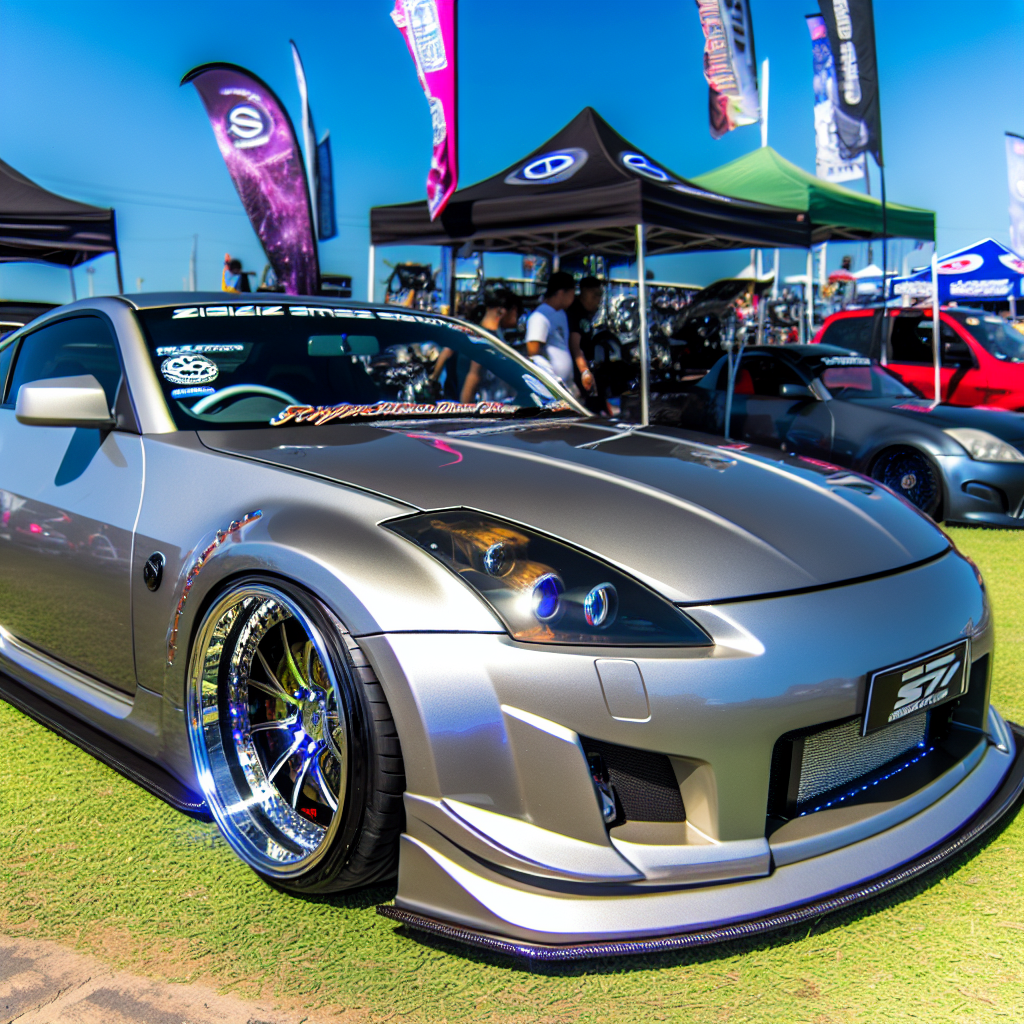
Car enthusiasts often invest a lot of time and money into customizing their vehicles. They enhance performance, aesthetics, and personal expression through various modifications. However, these changes can create complicated insurance challenges. Evaluating custom parts for insurance coverage is essential because many standard policies do not adequately protect aftermarket additions. If vehicle owners do not fully understand their insurance coverage, they may face financial risks.
For example, after investing thousands in a turbocharger or custom paint job, a car owner might discover that their basic policy does not cover these enhancements after an accident. This situation can lead to severe financial loss, leaving car owners accountable not only for repair costs but also for potential losses on their investments. Given these potential financial impacts, securing the proper insurance for custom cars is crucial; it is an important step in safeguarding the investment and ensuring peace of mind.

Insurance Coverage Types for Modified Cars
When insuring a modified car, it’s essential to understand the different types of insurance coverage available. Two of the most relevant coverage types are Actual Cash Value (ACV) policies and Agreed Value policies. Each has its implications for how claims are paid out, especially regarding aftermarket parts. Here’s what you need to know:
-
Actual Cash Value (ACV) Policies:
- ACV policies calculate the value of your car at the time of loss, accounting for depreciation and wear-and-tear.
- These policies may not adequately cover the costs of aftermarket modifications, as they tend to focus on the vehicle’s original value rather than any enhancements made.
- This approach can lead to significantly lower payouts if your custom parts are damaged or stolen, resulting in out-of-pocket expenses to replace or repair them.
-
Agreed Value Policies:
- With an agreed value policy, the insurer and the policyholder agree on a specific value for the car before the policy is enacted.
- This means the payout in the event of a total loss is the agreed amount, ensuring that the enhancements made do not lose value over time due to depreciation.
- Such policies typically provide better protection for aftermarket parts, making them a preferred choice for those with significant modification investments.
Importance of Understanding Coverage
-
Avoid Under-Insurance:
- Ensure your policy reflects the total value of your modifications to avoid finding yourself under-insured.
- Understanding the differences between ACV and agreed value can prevent unexpected financial losses during the claims process.
- Many custom car owners overlook supplemental endorsements required to ensure proper coverage for high-value aftermarket parts.
In summary, selecting the right insurance coverage type is crucial for modified car owners. By understanding ACV and agreed value policies, you can better protect your investment and ensure adequate compensation in the event of damage or loss.
Key Differences Between ACV and Agreed Value Policies
-
Coverage Calculation:
- ACV policies calculate payouts based on the car’s depreciated value at the time of loss, while Agreed Value policies provide a predetermined payout amount agreed upon before any claim.
-
Modification Coverage:
- ACV policies do not account for aftermarket modifications, often leading to lower payouts for custom parts, whereas Agreed Value policies ensure that your investment in modifications is fully recognized without depreciation impacts.
-
Premium Costs:
- Typically, ACV policies have lower premium costs compared to Agreed Value policies, which may have higher premiums reflecting their enhanced coverage.
-
Ideal For:
- ACV policies are generally suited for standard vehicles without significant modifications, while Agreed Value policies are ideal for modified vehicles and those with high-value aftermarket enhancements.
The Role of Specialty Providers in Custom Parts Coverage
Specialty insurance providers such as Hagerty and J.C. Taylor play a crucial role in safeguarding the interests of owners of modified vehicles. These companies offer tailored insurance policies that recognize the unique risks associated with custom parts and enhancements.
Hagerty, for instance, provides coverage for custom parts and equipment (CPE) with protections reaching up to $150,000. This endorsement specifically includes aftermarket modifications and performance upgrades. As Hagerty states,
“We understand that modifications are part of the hobby, and we’ve designed our coverage to protect these investments.”
This sentiment resonates with many car enthusiasts who have invested considerably in their vehicles.
On the other hand, J.C. Taylor offers a Modified Car Insurance Program that includes a Custom Equipment endorsement. This coverage covers a range of enhancements—from custom interiors to performance upgrades—and prioritizes agreed value coverage. According to J.C. Taylor,
“Our modified vehicle program is designed for enthusiasts who’ve invested in customizing their classic cars beyond stock specifications.”
The advantages of selecting specialty providers extend beyond just basic coverage. These endorsements typically account for high-value modifications, thereby preventing potential financial loss in the event of damage or theft. For example, Hagerty’s Agreed Value Plus endorsement increases the agreed value of the vehicle, recognizing that the investment in custom parts may surpass the standard market value. They note this benefits car owners by addressing the
“significant gap between market value and actual investment in modified vehicles.”
In terms of growth, the demand for modified vehicle insurance has surged, with J.C. Taylor reporting a 25% increase in policies over the past three years. As highlighted in an industry analysis,
“specialty providers understand that modified vehicles require different risk assessment than stock classics.”
In conclusion, for owners of modified vehicles, opting for specialized insurance through providers like Hagerty and J.C. Taylor ensures comprehensive protection and peace of mind for their substantial investments in aftermarket enhancements. By utilizing the supplemental coverage endorsements offered by these insurers, vehicle owners can better secure their modifications against potential risks.
Comparison Table: Actual Cash Value vs. Agreed Value Policies
| Policy Type | Pros | Cons | Coverage Limits |
|---|---|---|---|
| Actual Cash Value |
|
|
Covers basic value of the car minus depreciation, often insufficient for high-value mods. |
| Agreed Value |
|
|
Full value as agreed upon with insurer, covering the car’s modifications without depreciation penalties. |
Common Pitfalls for Modified Car Owners in Insurance Coverage
When insuring a modified vehicle, many owners make critical mistakes that can expose them to significant financial risk. One prevalent pitfall is the assumption that standard auto insurance policies automatically cover aftermarket modifications. Research shows that approximately 68% of modified car owners mistakenly believe their base policy includes coverage for custom parts. An expert notes, “Many enthusiasts assume their modifications are automatically covered, but most standard policies exclude significant alterations unless specifically declared and endorsed.” This common misunderstanding could result in devastating losses during a claim.
Additionally, failure to disclose these modifications can lead to underinsurance. According to a report by Insurance Journal, about 40% of modified vehicle owners carry inadequate coverage, with an average coverage gap of $7,500 per vehicle. Insurance expert Mark Thompson stated, “We see a troubling pattern where enthusiasts invest thousands in modifications but only add minimal additional coverage.”
Statistics from the National Association of Insurance Commissioners reveal that 61% of modified vehicle owners believe their standard comprehensive coverage would pay for custom parts, yet actual analysis shows only 22% had adequate coverage. The average out-of-pocket expense for underinsured modifications exceeds $8,000 per claim, leaving many owners shocked and financially vulnerable after an accident.
Further compounding these issues, incidents of claims denied for undeclared modifications can exceed 85%, illustrating the stark reality many face. Insurance expert Sarah Johnson warns, “There’s a pervasive myth that ‘insurance follows the car.’ In reality, most policies have explicit exclusions for non-OEM parts unless specifically scheduled.”
To validate these claims, it is crucial to look at reputable sources. For instance, Insurance Journal highlights that unreported modifications can lead to claim denials, underscoring a common misunderstanding in the modified car community. They state that insurance policies typically require policyholders to notify the insurer in writing within 10 days of any legal modifications that increase risk; failure to do so may result in claim denial, covering only the original vehicle value while excluding aftermarket parts (Insurance Journal). Furthermore, a report from the National Association of Insurance Commissioners shows that about 61% of modified vehicle owners believe their coverage is sufficient, yet only 22% had the proper protections in place (Insurance Journal).
In summary, to protect their investments, modified car owners must not only understand their policies but proactively declare their modifications. Failing to do so can lead to insufficient coverage and financial ruin in the event of a claim.

Insurance Recommendations for Modified Cars
When it comes to ensuring that your custom vehicle has the proper coverage, it is essential to follow several key recommendations to protect your investment adequately. Here are the most important points to consider:
-
Clarify Coverage Details with Insurers:
- Always communicate with your insurance provider about your modifications. Standard auto insurance often does not cover aftermarket parts or custom enhancements. Make sure to ask specifically what is included in your policy and what endorsements are necessary to protect your modifications.
-
Choose the Right Policy:
- Opt for specialty providers that understand the unique needs of modified car owners. Companies like Hagerty and J.C. Taylor offer policies that value aftermarket modifications and can provide better protection through agreed value coverage.
-
Document All Modifications:
- Keep thorough records of all modifications made to your vehicle. This includes receipts, photos, and any appraisals that substantiate the value of custom parts. Having detailed documentation will prove invaluable if you ever need to file a claim.
-
Regularly Review Your Coverage:
- As you continue to make enhancements, ensure that your insurance policy is up-to-date with the total value of your vehicle. Revisiting your coverage periodically can help avoid being underinsured as the value of your car increases with each modification.
-
Consider Supplemental Coverage:
- Look into supplemental coverage options that can extend protection for high-value modifications. This additional coverage can significantly reduce financial risks in case of damage, theft, or other incidents.
By taking these precautions, you can effectively safeguard your modified vehicle against potential risks and ensure that you have the necessary financial protection in place.
Conclusion
In conclusion, for owners of modified vehicles, securing the right insurance coverage is not just a matter of compliance—it’s a crucial part of protecting one’s investment. The unique nature of custom modifications introduces specific risks that standard insurance policies often fail to address. Without adequate coverage, vehicle owners may be left vulnerable to substantial financial losses, especially when high-value aftermarket parts are involved.
Understanding policy options, including Actual Cash Value and Agreed Value coverage, is essential. Often, modified car owners discover too late that their policies do not cover the full extent of their investments, resulting in out-of-pocket expenses and unexpected claims denials. To avoid these pitfalls, it is imperative to consult with your insurance provider, ensuring that all modifications are accurately documented and that supplemental coverage is considered.
The responsibility lies with you, the car enthusiast, to safeguard your passion and financial interests. By actively engaging with insurers and tailoring your coverage to reflect the true value of your modifications, you can drive with confidence, knowing that your investment is protected against the unforeseen.
FAQs About Insurance for Aftermarket Parts
Here are some common questions regarding insurance coverage for aftermarket modifications and their answers:
-
What should I do if my custom parts are damaged?
If your custom parts are damaged, the first step is to review your insurance policy to ascertain what coverage you have, including any aftermarket parts insurance. Notify your insurer immediately about the damage and provide documentation of the modifications and their values. If needed, consult with a claims adjuster to ensure all aspects of your customizations are considered during the claim assessment. -
How much extra coverage do I need for aftermarket parts insurance?
The amount of extra coverage you’ll need depends on the total value of your modifications. Many insurers recommend getting supplemental coverage that addresses the actual value of your custom parts, which could be anywhere from a few thousand dollars to significantly more, based on the extent of your aftermarket modifications. -
Are there specialized insurance providers for modified parts?
Yes, specialized insurance providers such as Hagerty and J.C. Taylor focus on modified vehicles and often offer tailored policies that cover aftermarket parts insurance more comprehensively than standard policies. This makes them a better choice for car enthusiasts looking to protect their investment. -
What documentation do I need for claims involving aftermarket parts insurance?
It’s crucial to maintain thorough documentation of all modifications, including receipts, photos, and appraisals. This documentation serves as proof of the value of your aftermarket parts and helps facilitate a smoother claims process in the event of damage or theft.
Personal Testimonial: The Importance of Specialized Insurance
One passionate Nissan Skyline owner shares their experience regarding the importance of having specialized insurance for modified cars. They state,
“After watching friends get their claims denied for modifications, I knew I needed specialized coverage. Knowing that every bolt-on part and custom fabrication is documented and protected lets me enjoy driving my car instead of worrying constantly. It’s not just a car; it’s my pride and joy. Having the right insurance means I can protect that emotional investment without the constant fear of losing everything to a denied claim. That peace of mind is invaluable.”
This testimony highlights the emotional aspect of investing in modifications while emphasizing the critical need for tailored insurance coverage to secure these investments against unforeseen circumstances.