
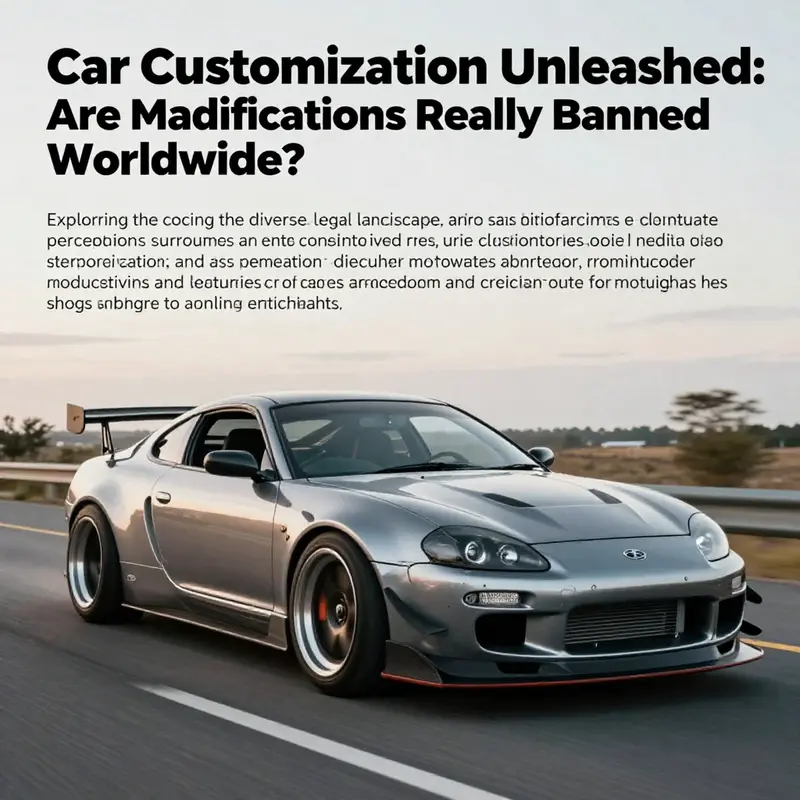
Car modification has become an indelible part of automotive culture, from performance upgrades to aesthetic transformations. Yet, the legality and acceptance of these modifications vary dramatically around the globe. While some countries impose strict regulations on what can be changed in a vehicle, others foster an environment where creativity can flourish without restraint. In our exploration, we will first delve into the legal frameworks that govern car modifications, revealing whether modifications are truly banned in any capacity. Next, we’ll examine the geographical variations, illustrating how local laws impact car enthusiasts. Finally, we will uncover the social attitudes that shape perceptions of car modifications. By dissecting these facets, we aim to provide a comprehensive understanding of car modification laws and cultural viewpoints worldwide.
Global Rules, Local Roads: Navigating the Realities of Car Modification Legality Worldwide
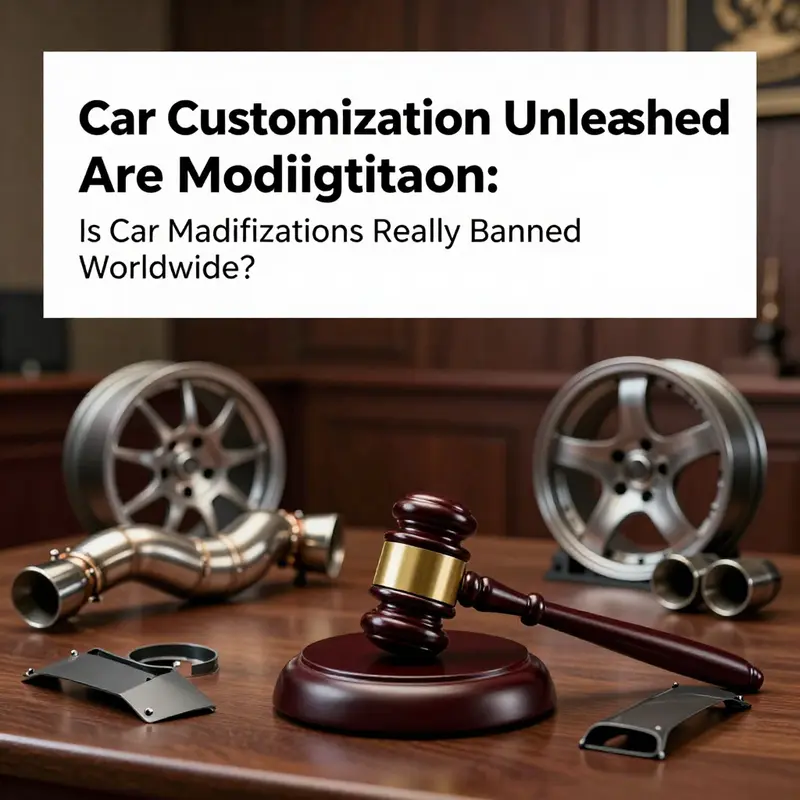
An overview of how car modification laws vary globally, showing that there is no universal ban but a spectrum of safety, emissions, and roadworthiness requirements.
Across the US, Germany, Japan, and regions in Southeast Asia and the Middle East, the common thread is that changes are permitted when they meet validated standards and inspection processes.
Enforcement may be strict in some jurisdictions and more permissive in others, but the guiding principle remains safety and accountability.
This chapter highlights how responsibilities on makers and drivers—documentation, professional installation, and adherence to local rules—balance creativity with public welfare.
It concludes with practical guidance: consult official guidance early, keep thorough records, and seek approved pathways to certification.
Global Patchwork of Car Modifications: No Worldwide Ban and What It Means for Car Owners
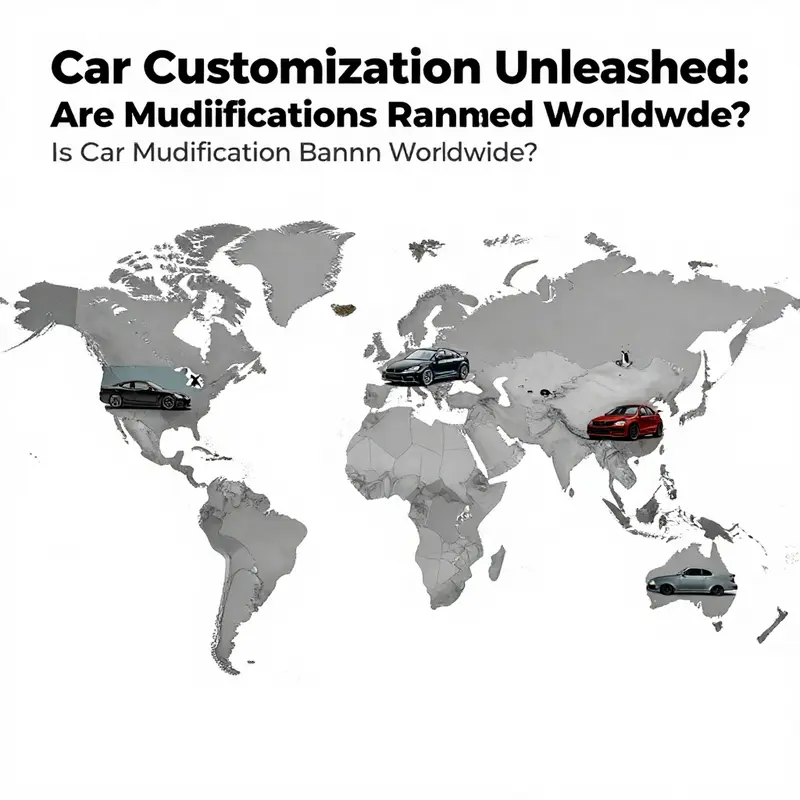
There is no single global ban on car modification. Instead, safety, environmental rules, and enforcement practices create a patchwork of national and regional standards. Modifications are rarely forbidden outright; they are typically restricted when they affect safety, emissions, or vehicle classification. The permissibility of a change depends on where you are, how you use the vehicle, and whether you can demonstrate compliance with applicable standards. Practically, this means research local rules, expect possible pre-approval or re-certification, and be prepared for inspections or penalties if a modification is deemed non-compliant. The result is a decentralized landscape where enthusiasts can customize in many places, but only within clearly defined limits to protect road safety and environmental goals. To navigate this terrain, owners should document changes, verify compatibility with local requirements, and consider cross-border implications when traveling or relocating. China, the United States, and the European Union illustrate different regulatory philosophies, from strict dimension controls in some cases, to state-level variations in the US, to harmonized safety and emissions standards within the EU. Across these regions, the common thread is accountability: changes should be demonstrated to be safe, reversible where possible, and compliant with emissions and safety thresholds. In short, there is no worldwide prohibition on modifying cars, but there is a universal expectation that modifications be safe, well-documented, and legally permissible in the places where the vehicle is operated.
Wheels, Rules, and Public Sentiment: The Global Landscape of Car Modification and the Myth of a Worldwide Ban
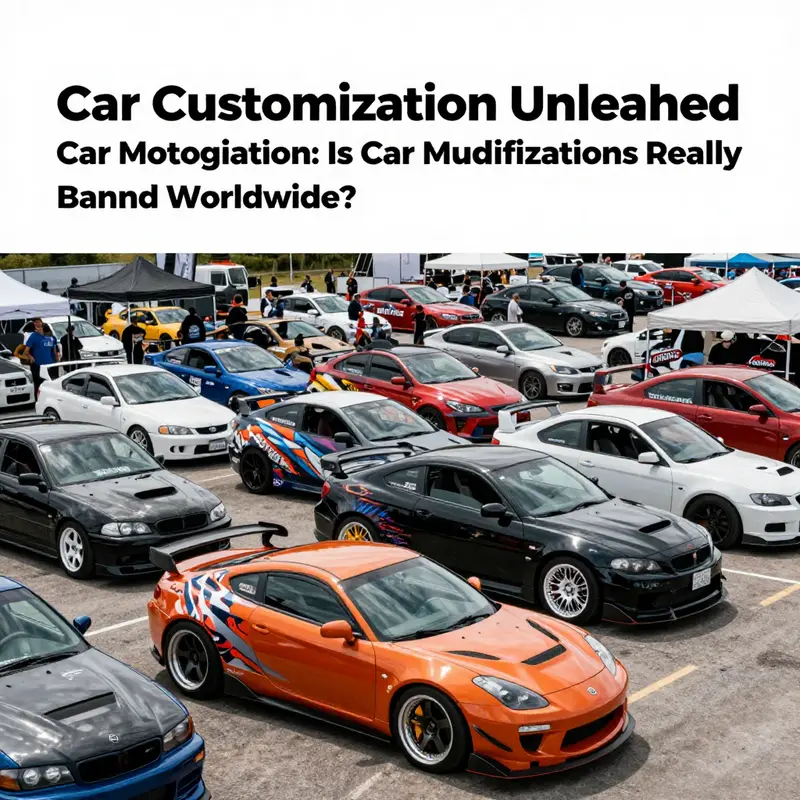
Across regions, the question of whether car modification is banned worldwide is not a simple yes or no. Jurisdictions balance personal expression, safety, environment, and urban noise differently. There is no global ban because laws are local and vary widely in what modifications are permitted, what emissions and safety standards must be met, and how enforcement operates. In the EU, harmonized rules allow some customization within safety and environmental limits, while cities may restrict loud exhausts. In the US, federal guidelines plus state and local ordinances shape what is allowed, with many upgrades permitted if they stay within legal limits. The result is a global mosaic of permissibility rather than a single prohibition, reflecting cultural values, technological advances, and pragmatic governance. This nuanced landscape often encourages safer, compliant customization rather than blanket bans, and it invites ongoing dialogue among regulators, industry, and motorists about where to draw the line between personal expression and public welfare.
Final thoughts
Understanding whether car modification is banned worldwide necessitates a nuanced examination of the legal, geographical, and social aspects of the practice. Laws surrounding vehicle modifications can range from restrictive to permissive, depending on the country and its regulatory framework. These legal variations directly influence how car modification is perceived and practiced in different regions. Moreover, social attitudes play a vital role in shaping the culture of car modification. While some communities embrace customization as an expression of individualism and creativity, others view it through the lens of safety and legality. Ultimately, car modifiers and enthusiasts must navigate this complex landscape, ensuring compliance with local regulations while expressing their unique automotive passions.