
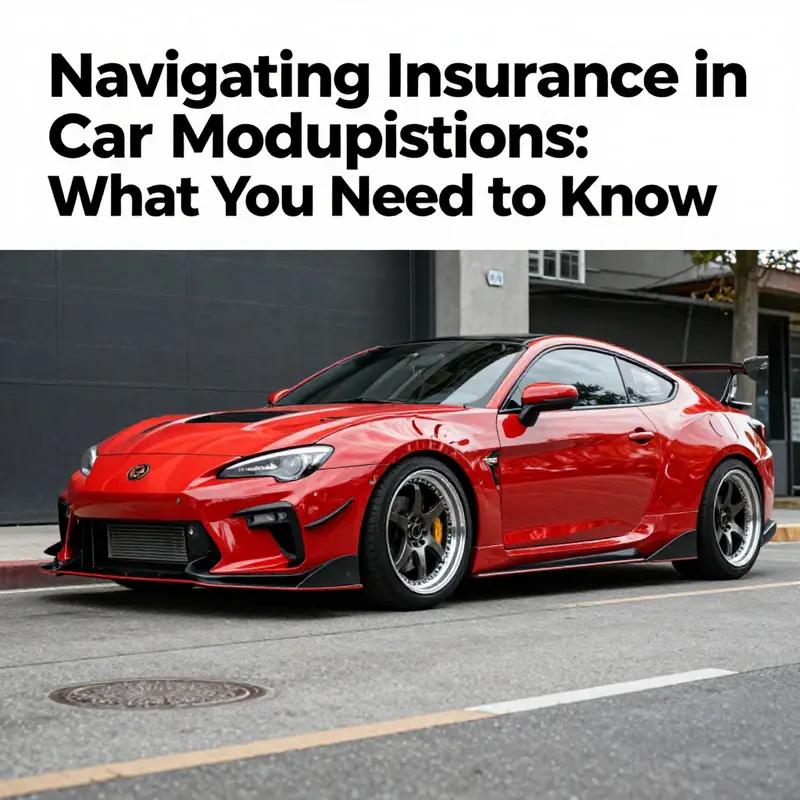
Car modifications are not just about enhancing performance or aesthetics; they play a critical role in insurance assessments. Understanding the nuances of how these modifications may impact your insurance coverage is crucial for hobbyists, aftermarket tuners, and classic car enthusiasts alike. Every tweak made to your vehicle—from performance upgrades to cosmetic changes—can influence your insurance premiums, and knowing how to navigate these waters ensures you stay protected. In this comprehensive exploration, we will discuss the basic definitions and implications of car modifications for insurance, delve into how insurers assess these changes in relation to premiums, outline the disclosure requirements for modifications, and weigh the benefits against the potential risks. Let’s drive into this detailed look at car modifications for insurance and pave the way for a more informed modification journey.
The Insured Evolution: Demystifying Car Modifications and Their Insurance Impact
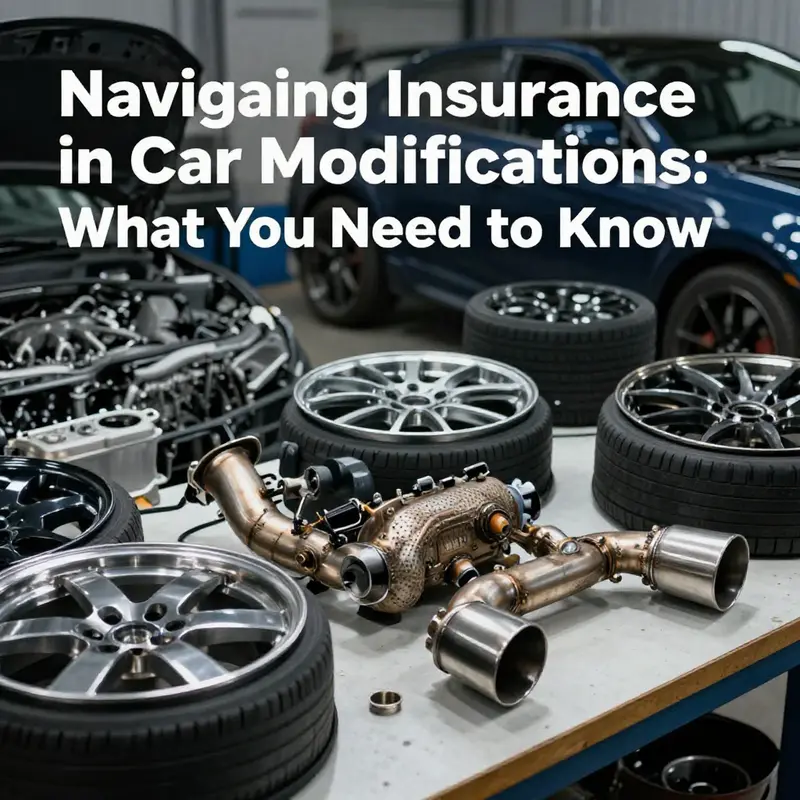
In the vibrant world of automotive customization, every enhancement and tweak tells a story of both passion and practicality. Car modifications are no longer merely the domain of enthusiasts chasing performance and aesthetics; today, they hold significant importance for those who seek to protect their investment. When a vehicle is altered from its original factory design, the ripple effect extends far beyond the show garage—it has a profound impact on insurance coverage, premiums, and claims management. This chapter delves into the nuanced relationship between car modifications and insurance, examining how alterations to performance, safety, and aesthetics shape the risk profile assessed by insurers.
When a car owner decides to modify a vehicle, they are engaging in a process that transforms a standard mode of transport into a personalized asset. Modifications can be as subtle as a fresh coat of paint and custom wheels or as extensive as installing a turbocharged engine or advanced safety systems. The motivations behind such modifications vary widely. Many owners seek to enhance performance or aesthetics, thereby giving the vehicle a unique character. However, once any modification is implemented, the vehicle no longer conforms to its original manufacturer’s specifications. This change in configuration can affect everything from the car’s market value to its vulnerability to accidents or theft.
Insurers recognize that when a vehicle deviates from its standard design, the underlying risks may change dramatically. For instance, a performance upgrade like engine tuning or turbocharging not only boosts horsepower but may also elevate the risk associated with high-speed driving. Even a modification that enhances performance might inadvertently increase the likelihood of the vehicle being involved in an accident. Similarly, cosmetic enhancements such as custom paint jobs or the addition of aftermarket wheels might increase the repair or replacement cost, particularly if these parts are not readily available or if they have a niche market value. In these situations, insurance companies are tasked with re-evaluating the vehicle’s overall risk profile, sometimes leading to higher premiums.
A central point to understand is that any alteration, regardless of whether it is cosmetic, performance-related, or aimed at enhancing safety, can increase the replacement cost in the event of damage or theft. Insurers must decide whether to consider the vehicle’s upgraded market value or merely its original cost. This dichotomy becomes especially important when modified parts significantly boost the total value of the vehicle. As a result, many drivers may find that their anticipated premiums rise as insurers factor in the additional cost of restoring or replacing bespoke components. It is not uncommon for drivers to observe premium hikes after installing high-performance components or unique modifications that can be expensive to replace.
Yet, not all modifications lead to a negative impact on insurance premiums. Certain enhancements designed to improve safety can actually yield a dual benefit by reducing overall insurance costs. For example, modifications that integrate advanced driver-assistance systems (ADAS) are engineered to mitigate the risk of collisions by warning drivers of potential dangers or even taking corrective action. Similarly, added security features such as immobilizers and specialized alarms can deter theft and thus may prompt insurers to offer discounts. In a time when traffic accidents and thefts are common concerns, modifications that contribute to a safer driving experience are deemed assets. The improved safety profile offered by such modifications can be particularly appealing to insurance companies, which continue to seek ways to lower claim payouts by preemptively reducing risky behaviors on the road.
One of the most critical aspects for car owners to consider is the importance of prompt and precise disclosure of any and all modifications to their insurer. Failure to disclose modifications can result in severe consequences during claims processing. Insurance policies are drafted under the assumption that the vehicle insured matches the evidenced description provided at the time of purchase or subsequent renewal. When modifications are applied, the actual value and risk status of the vehicle diverge from these initial terms. This change, if not communicated, may lead to denied claims or even policy cancellation. For instance, if a driver who has installed significant performance upgrades experiences an accident and has not reported these changes, the insurer may argue that the car is not insured for its true value, leaving the owner with a gap in coverage. It is imperative, therefore, that vehicle owners maintain transparent communication with their insurers, ensuring that all modifications—big or small—are accurately reported.
In practical terms, this means that during the insurance application process or renewal, the policyholder needs to provide detailed descriptions and, in many cases, supporting documentation of the modifications. Photographs, invoices, and technical specifications can all serve as evidence that substantiates the modifications made. In some situations, insurers may even require an official appraisal to update the vehicle’s insured value. This process, though sometimes burdensome, ultimately protects the vehicle owner by ensuring that any claim made will accurately reflect the value of the modified vehicle. By properly conveying the specifics of every alteration, the owner is not only safeguarding their financial interests but also aligning with legal and procedural requirements set forth by insurance regulators.
There is, however, an evolving landscape within insurance policies regarding the recognition and categorization of modifications. With the rising trend of aftermarket parts and bespoke modifications, some insurers have developed specialized policies that cater explicitly to modified vehicles. Such policies are designed to accommodate the unique risk profiles associated with customized cars, offering coverage that accounts for both the standard components of the car and the additional value provided by modifications. In these cases, premiums are set after a thorough evaluation that considers the type, extent, and quality of the modifications performed. This approach is particularly valuable for owners who invest heavily in performance enhancements and aesthetic upgrades since it ensures that they receive the proper compensation in the event of damage, theft, or total loss.
The conversation surrounding modifications and insurance also leads naturally to a broader dialogue about risk assessment and market value. As more consumers embrace customizations, the industry sees a heightened need for innovative risk modeling techniques that can accurately price insurance based on modifications. Technological advancements have reached the point where insurers now integrate data analytics and telematics to monitor driving habits and evaluate risks dynamically. These tools help insurers interpret how modifications may influence driver behavior and, by extension, accident probabilities. For example, a vehicle that is fitted with performance parts might be used more aggressively, a behavioral pattern that can be quantified and factored into premium determinations. The incorporation of such sophisticated methods represents a significant shift from traditional static models of risk assessment.
In addition to the potential financial implications, the process of modifying a vehicle frequently becomes intertwined with personal responsibility and compliance with legal standards. Many modifications, especially those that significantly alter the exterior or performance metrics of a car, are subject to regulatory scrutiny. Certain enhancements may even require special permits or a formal inspection to ensure they meet safety guidelines. This regulatory layer adds complexity to the process and reinforces the notion that modifications are not simply an aesthetic endeavor, but a critical aspect of vehicle management. The interplay between customizations, insurance, and legal frameworks underscores the necessity for thorough research and informed decision-making before undertaking any modifications.
Throughout the journey of vehicle customization, there is a balancing act between achieving personal expression through modifications and ensuring that these changes do not jeopardize the vehicle’s legal status or financial protection. It is not uncommon for enthusiasts to be torn between the desire to push boundaries and the need to adhere to insurer guidelines and legal regulations. In a sense, each modification can be seen as a negotiation between creativity and caution. For those looking to explore the full potential of customizations, understanding the ins and outs of insurance becomes as important as knowing how to tune an engine or select the perfect set of custom wheels. Engaging with expert advice and comprehensive resources, such as guides on modifications affecting car insurance, can provide clarity and prevent common pitfalls associated with undervalued or undisclosed alterations. For further insights on this topic, consider reading detailed analyses on how modifications affect car insurance available on this dedicated resource.
Moreover, the discussion of insurance coverage and car modifications invites vehicle owners to reassess the value they place on risk management. The dynamic nature of customization means that every change must be accompanied by an evaluation of how it interacts with the broader insurance ecosystem. Once a driver has ventured into the world of modifications, the reassessment of their insurance policy is not a one-time effort, but an ongoing process that should coincide with any substantial update to the vehicle’s components or systems. Some owners might opt to invest in additional coverage or specialized policies that are tailored to high-performance vehicles. Others, particularly those who choose safety enhancements and theft deterrents, could find that their modifications offer tangible benefits in the form of discounts. The decision, therefore, rests largely on the individual’s priorities: are they more concerned with driving performance and aesthetic uniqueness, or do they lean towards enhanced security and safety measures?
In practice, navigating these choices often requires detailed consultations with insurance agents and sometimes even independent appraisers who specialize in modified vehicles. The dialogue between the insurer and the policyholder should be thought of as a collaborative process, one in which transparency is the linchpin of effective coverage. The ultimate goal remains to ensure that the vehicle, in all its customized glory, is insured for its true monetary and sentimental value. By engaging in this detailed discourse, drivers not only abide by the requirements of their insurance contracts but also contribute to a broader understanding of how personalized modifications influence risk assessments across the industry.
This evolving scenario also impacts how insurance companies set their rates. Insurers are increasingly considering the granular details of each modification, assigning different weights to various types of upgrades. Cosmetic modifications, for example, might have a relatively minor impact on premiums compared to robust performance enhancements that could alter the car’s handling characteristics. In quantifying these factors, insurers use historical data, statistical models, and, in some cases, insights gleaned from telematics devices installed in the vehicle. The integration of data-driven decision-making into the insurance underwriting process has, in many ways, revolutionized the way premiums are calculated. By finely tuning risk profiles based on the specifics of every modification, companies not only protect their bottom line but also offer more customized solutions to a diverse clientele.
This analytical approach echoes a broader trend across industries: personalization is no longer limited to the product or service delivered but extends to the economic framework underpinning that product. In the context of vehicle insurance, personalization means that every car, with its unique set of modifications, is evaluated individually. This individualized risk assessment ensures that drivers are neither overcharged for routine enhancements nor undercharged for high-risk upgrades. Such precision in pricing reflects a modern understanding of the interplay between innovation and risk—a factor that is likely to become even more critical as technology continues to advance.
Beyond the financial implications, the relationship between car modifications and insurance also carries a deeper significance pertaining to trust and reliability. The bond between an insurer and a policyholder is built upon the mutual understanding that all material changes to a vehicle are disclosed and accounted for. Even a minor omission can lead to significant complications in the event of a claim. The integrity of this relationship is paramount; when a vehicle is involved in an accident or theft, the ultimate measure of the insurance policy’s effectiveness lies in the insurer’s ability to accurately and promptly compensate for the loss. As such, every modification declared to the insurer is a small but vital commitment to maintaining a transparent and fruitful partnership.
From the perspective of an owner, the process of declaring modifications is not merely a bureaucratic procedure but a critical step in ensuring long-term protection. Each documentation submission, whether it is a detailed description or a set of photographs, serves as a safeguard against future discrepancies. In effect, the process of insurance disclosure transforms the vehicle from a personal project to a regulated asset. Given the high stakes involved—both in terms of financial outlay and personal commitment—it becomes clear why thorough and honest communication with insurers is not just recommended but required.
Ultimately, the interplay between car modifications and insurance is a testament to the evolving landscape of automotive ownership. What began as a niche hobby for enthusiasts has burgeoned into a widespread phenomenon that redefines how vehicles are valued, protected, and even perceived. As the industry continues to innovate, both in terms of technology and design, the relationship between customized vehicles and their corresponding insurance policies will similarly adapt, reflecting broader trends of personalization, data-driven risk assessment, and regulatory evolution.
For those looking to remain proactive and well-informed, staying abreast of these changes is essential. Regular consultations with insurance professionals, combined with ongoing education about regulatory requirements and the latest trends in automotive customization, can help demystify the often complex process of insuring a modified vehicle. In this way, owners not only maximize the protective benefits of their policies but also ensure that every creative or performance enhancement is an investment that is fully, fairly, and transparently covered under their insurance plan.
In conclusion, understanding car modifications from an insurance standpoint highlights the intricate balance between enhancing a vehicle’s performance or appearance and maintaining accurate, comprehensive coverage. As modifications alter the value and risk profile of a car, insuring these customizations requires meticulous disclosure, detailed appraisal, and, in many cases, specialized policy conditions. The dialogue between car owners and insurers is thus one of continuous evolution—where innovation on the road meets innovation in risk management. For readers looking to explore more in-depth perspectives on this topic, an external guide that examines how modifications affect insurance is available at uswitch’s comprehensive resource.
Under the Hood of Insurance: How Custom Car Modifications Reshape Your Premium Landscape

When vehicle owners decide to personalize and upgrade their automobiles, the experience goes far beyond simple aesthetics. It becomes a journey into a realm where engineering, safety, and finance converge. Modifying a car is not merely about enhanced performance or a stunning exterior; it is also about navigating a labyrinth of insurance policies and risk assessments that can dramatically reshape the cost of ownership. In this chapter, we delve into the intricate interplay between custom modifications and insurance premiums, unraveling the reasons why every bolt turned or upgrade installed could have far-reaching consequences on your policy.
Custom adjustments to a vehicle may begin with a vision for improved performance, a desire for a head-turning look, or even the pursuit of increased comfort. Upgrades can range from reworking major mechanical components such as the engine, exhaust, or suspension, to cosmetic tweaks like custom paint jobs, body kits, and unique rims. Each modification has the potential to enhance the personality and capabilities of the vehicle while also influencing its safety profile and, ultimately, its insurability. Insurers scrutinize these modifications because they alter the risk characteristics originally associated with the standard, factory-built model.
One of the most common modifications involves performance upgrades. Engine enhancements such as turbocharging, advanced air intakes, or the installation of a more potent engine management system can provide an exhilarating driving experience. However, these upgrades also raise concerns for insurance underwriters. A more powerful engine can lead to higher speeds and change the dynamics of handling. Even seasoned drivers may find that a significantly increased horsepower output requires a more cautious approach to driving, as well as more rigorous adherence to road safety rules. Insurers view such changes as potentially elevating the likelihood of accidents, and therefore, they adjust premiums to account for this heightened risk. The assessment is not punitive; rather, it is a calculated reaction to the new potential hazards introduced by enhanced performance.
In parallel, non-performance modifications, while seemingly less consequential, still carry weight when it comes to underwriting considerations. Cosmetic alterations such as bespoke paint jobs, aftermarket wheels, and custom body kits may not impact the engine or handling directly but do affect the value and repair costs of the vehicle. For example, a custom paint job with rare colors or intricate designs can complicate repairs, as exact matching becomes more challenging and expensive for body shops. Similarly, installing specialized parts may require sourcing from niche suppliers, further driving up the costs when an incident necessitates part replacements or specialized labor. Insurers factor these potential extra expenses into their risk models, often adjusting premiums to ensure that any claims involving these modifications are covered adequately.
Beyond the basic performance and cosmetic changes, vehicle modification frequently embraces technological enhancements intended to bolster safety. Upgraded driver-assistance systems, improved brakes, and advanced suspension technologies can contribute to reducing the risk of accidents by providing better control and responsiveness. Interestingly, while such upgrades are designed to protect the driver and passengers, insurance companies may still apply a premium adjustment initially until the modifications are verified and their effectiveness is demonstrated. It is not unusual for insurers to provide discounts on premiums for modifications that demonstrably improve safety or reduce the likelihood of theft. For instance, a state-of-the-art alarm system or a cutting-edge tracking device might qualify for a lower premium. However, these benefits require thorough documentation and prior approval by the insurance company.
A critical factor that often gets overlooked is the proper declaration of any modifications. Whether the changes are mainly aesthetic or significantly impact performance, it is essential for vehicle owners to inform their insurers about every modification as soon as possible. Insurance policies are contracts based on the known risk profile of the vehicle at the time of application or renewal. Thus, failing to fully disclose modifications can be seen as a breach of contract. In many situations, undisclosed modifications may result in claim denials, policy cancellations, or even allegations of insurance fraud, leaving vehicle owners exposed not only to financial loss but also to long-term complications with their coverage. Most insurance providers require this disclosure in writing within a suggested timeframe of around 10 days after the modification is completed, and, in some cases, documentation such as detailed photographs, receipts, or certification from a licensed mechanic may be necessary to support the claim.
Often, vehicle enthusiasts view modifications as an expression of personal style and individuality, a vivid departure from the standard models produced by manufacturers. However, once a car diverges from its original state, its future repair costs escalate, and the market value may shift unpredictably. The modification that once seemed like an appealing investment in aesthetics or performance may now become a double-edged sword. Although custom modifications can enhance the resale value of a car among niche buyers, they also tend to reduce the pool of potential buyers, thereby affecting overall market value and insurability. In some cases, a well-executed aesthetic upgrade may have little impact on insurance premiums compared to an underpowered performance boost that significantly alters driving dynamics. Therefore, vehicle owners must strike a balance between their creative aspirations and the practical implications of these changes. Those who are contemplating substantial modifications are advised to research thoroughly and consult their insurers to understand exactly how such enhancements will affect their policy.
The alteration of a vehicle’s structure or performance creates what is known as an ‘altered risk profile’ for insurance companies. Underwriters must rely on statistical data and historical trends to evaluate whether any new modifications have introduced risks that exceed standard industry benchmarks. For instance, a car equipped with a supercharged engine and modified exhaust system might statistically be more prone to accidents and speeding violations. Accordingly, the premium might increase to compensate for the additional risk as perceived by the insurance provider. Conversely, if a modified vehicle features enhanced safety features such as reinforced frames or up-to-date collision avoidance systems, the insurer might calculate a reduction in risk, leading to potential discounts. The key variable is the overall impact of the modification on the vehicle’s driving safety and maintenance costs over time.
In many cases, insurance companies provide options for additional coverage known as Additional Equipment Insurance or Newly Added Equipment Coverage. This specialized policy extension is designed to cover aftermarket accessories that are not part of the original manufacturing, including integrated sound systems, custom seats, and other specialized equipment. While the base policy might cover the primary structure of the vehicle, the additional coverage ensures that any modifications made post-purchase are also protected in the event of damage or theft. Vehicle owners should explore these options to safeguard their investments and ensure that their customizations are adequately covered without having to pay exorbitant out-of-pocket costs in the aftermath of an incident. It is important to note that such additional coverage may come with its own set of conditions and premium adjustments.
The impact of modifications on insurance is not only a matter of premium pricing but also a reflection of broader considerations regarding vehicle safety and repair logistics. Insurance companies often collaborate with experts in automotive repair to evaluate the complexity and cost of fixing a modified vehicle. When a car departs significantly from its factory condition, finding a repair shop with the necessary expertise and parts can be challenging. This scenario becomes particularly pressing in the event of an accident: a modified vehicle might take longer to repair, incur higher repair costs, or require special parts that necessitate ordering from specific vendors. As a result, insurers factor these additional repair complexities into their premium calculations. This is why even seemingly minor cosmetic modifications must be considered carefully; the risk extends beyond the visible shine to encompass the entire ecosystem of maintenance and repair.
Furthermore, vehicle modifications can affect the liability aspect of insurance. When modifications alter the performance characteristics of a car, they sometimes lead to unpredictable behavior on the road. Adjustments that improve acceleration or increase a car’s top speed can have unintended consequences, potentially resulting in accidents where fault or liability is disputed. In scenarios involving severe modifications, insurance companies must consider not only the likelihood of an accident but also the potential severity of legal and financial liability. As such, some insurers may require drivers of extensively modified vehicles to undergo additional driving tests or provide evidence of enhanced driving skills before approving the new risk profile. This additional scrutiny is intended to ensure that the modifications do not compromise the driver’s ability to operate the vehicle safely in all conditions.
A closer examination of the relationship between modifications and premiums reveals that there is often a delicate balance between risk and reward. While upgrades that improve safety measures might result in a neutral or even favorable impact on premiums, those that enhance performance typically lead to increased costs. For instance, while the installation of an advanced anti-theft system can offer peace of mind and safeguard the vehicle from potential theft, the insurance company needs to verify the efficacy of the system before offering any discounts. On the other hand, enhancing a car’s engine output could make the vehicle considerably more appealing to speed enthusiasts, yet it simultaneously attracts the attention of insurers wary of the higher accident rates associated with high-performance vehicles. Such modifications necessitate a thorough assessment of driving habits, environment, and the driver’s overall experience levels.
Many insurers have established detailed guidelines to define and classify modifications. These guidelines help in differentiating between approved upgrades and those that may void certain aspects of coverage. Once a modification is disclosed, the insurer typically offers advice on whether the change falls within acceptable risk boundaries or if further modifications might necessitate additional coverage or even a complete policy revision. In some instances, vehicle owners are required to submit evidence that the modifications were carried out by certified professionals rather than as DIY projects. This distinction is important, as professional installations are more likely to meet safety standards and diminish potential hazards. The clarity provided by these guidelines is crucial, as it helps both the vehicle owner and the insurer to avoid disputes in the event of an accident or subsequent claim.
For the discerning vehicle owner, understanding the fine print of one’s insurance policy becomes as critical as the decision to customize a car in the first place. Insurers appreciate proactive communication and transparent reporting. For instance, linking directly to resources that explain how car modifications affect insurance can be immensely beneficial. A detailed discussion on this topic can be explored further in articles such as the one on car modifications affect insurance, which provides insights into how modifications impact claims and premiums. Gaining a comprehensive understanding of these factors not only minimizes the risk of policy invalidation but also empowers vehicle owners to make informed decisions when contemplating modifications.
The interconnected nature of vehicle modifications and insurance also extends into the realm of resale value. Many owners who invest in customization view their upgrades as a way to not only enjoy a unique driving experience but also to potentially boost the car’s market value. However, this is a double-edged sword. Though exclusive upgrades might attract a niche buyer, the complexity introduced by multiple, non-standard modifications can deter the average consumer. Insurance policies, as a consequence, might require higher premiums based on the appraisal of future repair and replacement costs. In effect, the decision to modify a car becomes one that affects both the present insurance costs and the long-term economic prospects related to resale. The delicate balance between personal expression and financial prudence means that vehicle owners must weigh the benefits of a custom design against the potential extra costs entailed in insurance and repairs.
The landscape of car modifications is always evolving. With technological advancements, the line between performance enhancements and safety improvements is continuously blurred. Innovations in automotive technology bring about modifications that are designed with dual purposes in mind: to enrich the driving experience and to increase overall safety. Accepting such modifications often requires a recalibration of risk assessment protocols by insurance companies. As these new technologies become more mainstream, insurers may update their underwriting criteria, offering specialized policies that cater to the new modifications. This dynamic environment means that what might be considered a high-risk modification today could potentially become a standard feature tomorrow. Consequently, the relationship between customizations and premiums is far from static; it is a constantly shifting negotiation between innovation, risk management, and regulatory standards.
This continuous evolution underscores the importance of staying well-informed through trusted sources. Vehicle owners and enthusiasts are encouraged to engage with reputable insurance professionals and automotive experts to gain insight into the latest trends. Doing so not only ensures that modifications meet legal and safety standards but also protects the owner from unforeseen financial liabilities. The synergy between technological innovation and insurance adjustments forms the crux of modern automotive customization—a topic that is as complex as it is fascinating.
In conclusion, the world of car modifications presents both opportunities and challenges. While customizations allow vehicle owners to tailor their driving experience down to the last detail, they introduce new variables into the insurance equation. The impact on premiums, risk of claim denials, and the potential financial implications during repairs raise critical considerations that cannot be ignored. Before embarking on any modification project, it is essential to fully understand the repercussions on your insurance coverage. Thorough documentation, open communication with your insurer, and an honest appraisal of the risks involved can help maintain valid coverage and ensure that the personalized car of your dreams does not become a financial liability. For further insights on how such modifications play into broader insurance strategies, you might consider reviewing trusted sources like the comprehensive guide at Uswitch – How car modifications affect insurance.
Ultimately, the journey of customizing your car is as much about expressing individuality as it is about managing the practical challenges that come with altering a factory-built vehicle. With the right preparation and understanding of the insurance implications, you can drive confidently knowing that every upgrade and personal touch is supported by a policy that reflects your unique investment. Embrace the innovation and thrill of customization, but do so with a full awareness of the financial landscape that lies beneath the surface.
Navigating the Disclosure Maze: How Reporting Car Modifications Safeguards Your Insurance Policy

When you begin to alter your vehicle by adding custom wheels, tinting windows, or even upgrading its engine, you are not merely enhancing your ride’s performance and visual appeal; you are also stepping into a complex world where each change has a ripple effect on your car insurance policy. Car modifications, regardless of their size or intent, are crucial factors that can significantly affect your insurance premiums and overall coverage if not properly disclosed. This chapter delves into why full transparency with your insurance provider is essential, and how failing to report even seemingly minor adjustments can lead to severe consequences down the road.
Insurance companies base their calculations on the original factory specifications of a vehicle and the associated risk profile. When modifications occur, these specifications alter, which in turn can change the likelihood of an accident, theft, or even system failure. For example, installing a high-performance engine may cause your car to be perceived as more powerful and risk-prone, while safety upgrades, like advanced driver assistance systems or anti-theft devices, can help mitigate risk, possibly even reducing your premium. It is not just the upgrades themselves but also the way these modifications interact with the vehicle’s original design that insurance companies scrutinize.
From an insurer’s perspective, the moment a vehicle diverges from its stock condition, the parameters that underpinned its risk assessment are rendered outdated. Underwriting processes rely heavily on consistency, and when a car’s characteristics change, the insurer is forced to re-evaluate its risk profile. Some modifications can lead to an increase in the risk level, potentially resulting in higher premiums or even restrictions on certain types of coverage. More importantly, insurance policies often have clauses that require full and honest disclosure during both the initial policy application and subsequent renewals. Failure to abide by these requirements can result in a breach of contract, making it possible for an insurer to deny claims, or in worst-case scenarios, render the insurance policy void.
Even minor modifications, such as an altered exhaust system or a set of upgraded wheels, can create a domino effect that alters the underlying risk associated with the vehicle. Many vehicle owners underestimate the impact of these seemingly insignificant changes, but insurance providers view every alteration through the lens of statistical risk and safety compliance. Reporting these modifications is not merely a formality; it is a fundamental part of ensuring that your policy reflects the current state of your vehicle. When a claim is submitted, any discrepancies between the reported vehicle details and its actual condition can lead to disputes, often leaving the policyholder in a precarious financial position.
Consider the scenario in which an owner installs a performance chip in their car, boosting the engine’s output and unleashing greater speeds. Such an upgrade might be tempting, and many enthusiasts deem this a minor tweak. However, the modification alters the engineering parameters that the insurer relies on to forecast accidents and damage. If an accident occurs and it is discovered that the engine has been tuned beyond factory settings without the insurer’s knowledge, the claim could be denied or greatly limited. This is why timely disclosure is not only about compliance; it also ensures that you remain protected in the face of unforeseen incidents. A small oversight today could manifest as a substantial financial burden tomorrow.
The disclosure process can sometimes seem burdensome, especially if a vehicle has undergone numerous modifications over time. Yet, taking the time to document and report each change can save you from potentially devastating consequences. Insurers typically require detailed documentation, including before-and-after photographs, receipts for purchased parts, and any certifications that may be relevant. This level of scrutiny might appear excessive, but it is designed to create an accurate risk profile of the vehicle. Comprehensive documentation acts as a safeguard, not only for insurers but for car owners who want to maintain valid coverage and avoid disputes during a claim.
It is equally important to understand that insurance policies vary widely from one provider to another, with some insurers being more lenient with modifications and others upholding rigorous standards of disclosure. As a car owner, you should familiarize yourself with the specifics of your own policy and consult with your insurer if you plan to make modifications. An informed discussion can help clarify any concerns about potential premium increases or adjustments to your coverage terms. In many cases, insurers are willing to work with you provided you supply all the necessary information and adhere to their guidelines. The potential for premium discounts when installing safety features further underscores the need for open communication.
Beyond the realms of premiums and risk assessments lies another critical reason to report modifications: legal compliance. Failing to disclose modifications can lead to a host of legal complications, particularly if the changes made have the potential to affect your vehicle’s safety or emissions standards. In many jurisdictions, post-modification inspections are mandatory if a vehicle has been altered beyond certain parameters, and insurance policies may require proof of such inspections. By proactively informing your insurer, you are ensuring that you are in compliance with local laws and that the modifications are appropriately documented. This proactive approach can be particularly beneficial when selling your vehicle, as prospective buyers and their insurers will need accurate, verifiable details about the modifications made.
Furthermore, the process of disclosure requires a meticulous accounting of every alteration. Sometimes, enthusiasts make several modifications, some of which might have been added incrementally. In this scenario, reassembling documentation for all changes may seem overwhelming. However, many insurance companies offer guidance to assist policyholders in compiling the necessary records. Some providers even have dedicated services to help document modifications. Understanding these processes can be hugely beneficial, particularly when you consider the alternative. Undeclared modifications can lead to a catastrophic financial outcome if a claim arises, with uncovered repairs leaving out-of-pocket expenses to be shouldered by the policyholder.
In light of the aforementioned risks and complexities, it is worth noting that a well-organized approach to disclosing car modifications extends beyond insurance requirements and touches on broader issues of vehicle maintenance and appreciation. As modifications can affect the resale value of a car, keeping a clear record of all changes is doubly advantageous. When prospective buyers see documented enhancements, they are more likely to appreciate the additional value provided by these upgrades. With complete records in hand, you not only satisfy the requirements of your insurer but also secure a more transparent, justified valuation of your vehicle in the marketplace. In this sense, full disclosure becomes an investment in the long-term benefit and security of your asset.
A key piece of advice for car owners is to never assume that a modification is too trivial to be reported. Interviews with several insurance professionals underline the importance of erring on the side of caution; even modifications that may seem purely cosmetic can have unexpected effects on the vehicle’s overall performance and reliability. For instance, window tinting or the installation of aftermarket lighting can alter the dynamics of a vehicle’s behavior, particularly in low-light conditions. Insurance companies may need to account for these changes when assessing accident risk, driver visibility, and even theft vulnerability. Documenting every change, no matter how minor it seems, is the best way to ensure that your policy remains both current and comprehensive.
There is also a growing trend among insurers to customize coverage options to better reflect the contemporary world of modified vehicles. Some insurers now provide specialized policies for modified cars, acknowledging that enthusiasts often invest significant sums into personalizing their vehicles. In these cases, insurers are not only accepting of modifications but can also offer tailored premiums that directly reflect the benefits and risks associated with the changes. However, these specialized policies are contingent upon complete and meticulous disclosure. Car owners taking this route can benefit from potentially lower premiums for safety modifications while enjoying the freedom to personalize their vehicles without compromising their insurance coverage. The caveat remains that every modification must be reported, thus ensuring the new policy is both accurate and effective.
For those new to the world of modifications, understanding the full scope of what must be reported can seem initially daunting. However, various resources and online guides can support this process. In fact, there is a wealth of information available that provides step-by-step advice on the proper procedures to follow when modifying your vehicle. For more detailed guidance on how to approach this vital aspect of car ownership, consider reviewing the comprehensive tips on declaring car modifications found in this article on declaring car modifications. The guidance offered in such resources not only highlights best practices but also stresses the importance of maintaining a proactive relationship with your insurer.
In practice, the disclosure process typically begins with a careful review of your insurance policy’s fine print. This means scrutinizing sections related to vehicle alterations, modifications, and any other changes that may require prior approval. Once familiar with the terms and conditions, it is advisable to contact your insurer proactively. By informing them of your planned modifications before beginning any work, you create an environment of transparency and trust that paves the way for cooperative risk management. Insurance representatives will often provide specific instructions on the type of documentation needed and may even offer recommendations on approved service centers or certified installers. This direct dialogue not only underscores your commitment to compliance but also ensures that any modifications serve to reinforce your coverage rather than compromise it.
Additionally, the consequences of omitting crucial information about modifications extend far beyond the initial policy period. Insurers continuously update their records, and any discrepancy that is later uncovered—whether during an accident claim or a routine policy review—can result in adverse outcomes. Claims might be delayed, reduced in value, or even entirely denied if it is found that the vehicle no longer meets the specifications originally outlined at the time the policy was issued. This can lead to significant financial losses and, in some situations, legal action if the insurer perceives the omission as fraudulent. In such cases, the process of appealing a claim denial can be both time-consuming and expensive, further reinforcing why complete disclosure is not just recommended, but absolutely necessary.
The landscape of car modifications and insurance is one characterized by careful negotiation and balancing of risk versus reward. Enthusiasts who invest the time to accurately document and report modifications can benefit from an insurance policy that reflects both their passion for personalization and the associated risks. The evolution of insurance products to accommodate modified vehicles is a positive trend; however, this progress does not remove the car owner’s responsibility to provide accurate data regarding every change made. In fact, the incorporation of advanced monitoring and documentation technologies is likely to make this process even more rigorous in the future, and staying ahead of these requirements will enable car owners to preserve the full benefits of their policies.
Beyond the immediate benefits of securing a compliant insurance policy, regular disclosure of modifications can serve as an ongoing record that aids in future vehicle maintenance and valuation. When every alteration is logged and verified, you cultivate a comprehensive history of your vehicle’s evolution. This documentation can be invaluable when it is time to sell your car, as potential buyers and their insurers will require a transparent history of modifications. The clear record not only safeguards your current policy but also supports the long-term resale value of your vehicle by ensuring that every improvement is legitimately recorded and verifiable.
Moreover, when engaging in major modifications, especially those that affect the engine or structural integrity of your vehicle, it is advisable to consider having a third-party evaluation performed. A professional inspection or appraisal can provide an independent verification of the changes made, offering additional reassurance to your insurer. Such evaluations can be particularly useful in instances where the modification significantly enhances performance, as they offer an objective assessment that can help in negotiating coverage terms. With an independent report in hand, you are better positioned to make a case for lower premiums or additional endorsements that might otherwise be unavailable. Ultimately, the process of third-party assessment complements the insurer’s own evaluation, acting as a bridge between personal modifications and standardized risk assessments.
In summary, the act of disclosing every modification to your vehicle is not merely a bureaucratic requirement; it is a critical strategy for ensuring both legal compliance and financial security. A well-documented vehicle history that details every change from the factory condition to present enhancements protects you from claim denials and helps maintain the integrity of your insurance coverage. For anyone who values their investment in both their vehicle and their insurance, the message is clear: transparency is non-negotiable. As the world of car modifications continues to evolve, adapting to new technologies and emerging trends, the importance of comprehensive disclosure will only grow. By understanding the full implications of every alteration—whether cosmetic or performance-based—you can navigate the complex disclosure maze with confidence and safeguard your insurance policy from potential pitfalls.
For additional insights on ensuring that your modifications are correctly recorded and reported, consider exploring further information on external resources such as the comprehensive guide offered by Uswitch at the end of their article on car modifications and insurance here. This resource provides valuable perspective on aligning your modifications with insurer expectations. In the end, maintaining open communication with your insurance provider, keeping meticulous records, and proactively managing the disclosure process are all essential steps in protecting your vehicle and your financial interests over time. The careful approach to reporting every enhancement and change is not simply about meeting legal requirements—it is an investment in the longevity and safety of your vehicle, ensuring that your personal modifications truly enhance rather than compromise your overall security.
By embracing a thorough and detailed disclosure process, car owners not only ensure immediate coverage clarity but also contribute to a broader culture of transparency and trust within the automotive community. Such diligence also serves to set a precedent for responsible vehicle modification, reassuring insurers and regulators alike that each change is made with due consideration to safety, compliance, and long-term viability. Ultimately, the practice of full disclosure is a professional approach to vehicle ownership that protects both the driver and the insurer from the ambiguities of undocumented changes. The journey through the disclosure maze is indeed complex, but the rewards—ranging from reliable coverage and optimal premiums to preserved vehicle value and legal compliance—are well worth the effort.
Navigating the Dual Impact of Car Modifications on Your Insurance Journey

Car modifications are more than just a means to express personal style or enhance performance; they are an intricate factor that significantly influences your car insurance coverage. With any modification that alters a vehicle’s original factory specifications, owners must be well aware of the subsequent ripple effects on safety, risk management, and insurance premiums. In this comprehensive narrative, we explore the multifaceted benefits and corresponding risks that come with modifying your car from an insurance perspective. While enhancements can indeed elevate your car’s safety features and even unlock potential discounts on premiums, they also have the potential to increase your vehicle’s risk profile or even jeopardize insurance validity if not properly documented. It is essential to understand that every alteration—from a simple change such as tinting windows to extensive performance upgrades—carries with it a set of implications that need careful consideration.
One of the more compelling benefits of car modifications is the potential for safety-related discounts. Many drivers opt for modifications that help mitigate the risk of theft or accidents. For instance, the installation of modern alarm systems, tracking devices, or other advanced safety features not only enhances the overall security of the vehicle but also sends a clear signal to insurers that the risk has been lowered. This proactive approach can have a direct impact on lowering your insurance premiums. Insurers are increasingly recognizing that enhanced safety measures lead to fewer claims and overall safer driving practices. In this context, modifications are seen as a proactive investment in protecting both the driver and the vehicle. Additionally, finding specialist insurers who understand the nuances of modified vehicles can result in tailored insurance policies, such as agreed value coverage, ensuring that in the event of catastrophic loss, the true value of your modifications is acknowledged and compensated accordingly.
However, not all modifications yield discount benefits. Enhancements that are primarily performance-driven—such as engine tuning, turbochargers, or extensive cosmetic upgrades like body kits—often lead to increased repair costs and a higher perceived risk. This is because modifications which boost a vehicle’s performance may inadvertently push it into a higher-risk category. Insurance companies often see these modifications as indicators of potential reckless driving or increased likelihood of accidents. For many, this means an uptick in premium costs. The elevated premium scenarios stem from the fact that the enhanced performance might not only attract a riskier demographic of drivers but also come with higher repair and replacement costs. Such modifications can also complicate claim procedures in the aftermath of an accident, as the original factory components may have been altered or replaced with custom parts that are harder to source or verify for quality.
In addition to affecting premium costs, modifications pose certain administrative and legal challenges that could have long-term financial implications. Mandatory disclosure is key when dealing with insurance companies. Failing to disclose modifications—even inadvertently—can result in severe consequences including the invalidation of the policy or denied claims during crucial moments. Insurance providers typically require full disclosure of any modification either during the policy application or renewal process. Precise documentation, such as photographs or receipts of the installation process, is often necessary. Without concrete evidence, disputes may arise over the extent and quality of the modifications, leaving the car owner vulnerable during claims processing. This aspect underscores the importance of transparent communication with insurers. Ensuring that every change, no matter how minor, is meticulously recorded and communicated can shield the modified vehicle owner from unforeseen denials and financial liabilities.
The nuanced interplay between benefits and risks necessitates a thoughtful approach when considering modifications. For many drivers, the allure of a customized vehicle goes hand in hand with the aspiration of a unique driving experience. Personalizing a car provides a sense of identity and satisfaction that goes beyond mere aesthetics. Nevertheless, this personalization should be balanced with a responsible evaluation of how these changes affect operational safety and the vehicle’s insurability. Often, modifications that are seemingly innocuous can have deep-seated implications for claims, especially if an accident occurs and the insurer questions whether the modifications played a role in the incident. Such scenarios highlight the importance of prioritizing modifications that not only enhance the vehicle’s aesthetics or performance but also contribute positively to its safety profile. The decision-making process should include a discussion with both insurance professionals and automotive experts, ensuring that the modifications align with safety standards and regulatory compliances while still meeting the desired personal or performance goals.
Another significant consideration involves the expertise of the insurer with regards to modded vehicles. While many major insurers have standardized policies that might not adequately account for extensive modifications, specialist insurers have emerged as a viable alternative for those with heavily customized vehicles. These niche providers possess the knowledge and understanding of modified vehicles, offering policies that are customized to the unique needs and increased values that such vehicles often represent. For drivers with significant modifications, transferring from a standard policy to one that features agreed value coverage can be a wise move. This type of coverage ensures that should a total loss occur, the payout will reflect a pre-negotiated value that takes into account the aftermarket enhancements. Such adjustments are invaluable for securing true compensation, supporting both the vehicle’s performance upgrades and any specialized equipment that has been installed.
It is also imperative to consider the long-term financial implications when modifying a car. For instance, while performance enhancements might initially increase a vehicle’s appeal, the long-term costs associated with higher premiums and potential difficulties in resale may outweigh the benefits. Modifications alter the vehicle’s market value, sometimes in unpredictable ways. It is not uncommon for high-performance modifications to push a vehicle into a bracket where buyers may be wary of inheriting expensive insurance burdens or facing difficulties with future insurance claims. To illustrate, consider a scenario where a driver has added significant performance parts that, while boosting the car’s output, also increase its risk factor considerably. In such instances, the resulting elevated insurance costs, when combined with the potential depreciation challenges associated with a modified vehicle, could lead to a net negative financial decision in the long run.
In some situations, modifications that are intended purely for cosmetic appeal may inadvertently signal common high-risk driver behaviors. Custom bodywork, lowered chassis, or even non-standard paint jobs may suggest that the vehicle is designed more for appearance rather than safety or efficiency. These modifications, if not supported by appropriate safety enhancements, might scare off insurers or prompt them to impose stricter terms on the coverage. Moreover, when modifications extend beyond minor alterations, it is not uncommon for insurance companies to conduct a detailed review of the changes. In this vein, the role of proper documentation cannot be overstated. Detailed records that describe the modifications, along with photographic proof and even the credentials of the technician who performed the work, can serve as convincing evidence of a professionally modified car. This thorough documentation not only helps in justifying the need for certain premium adjustments but can also be crucial in mitigating disputes during claims processing. The meticulous approach to recording modifications is a critical best practice that can ultimately safeguard both the vehicle owner and the insurer.
Parallel to these documentation and risk management practices is the aspect of proactive communication. Establishing a direct line of communication with the insurer before making any modifications is a coveted best practice. When potential changes to a vehicle are discussed openly with the insurance provider, there is an opportunity for mutual understanding and tailored advice. Proactive communication might involve seeking clarification on how certain modifications will impact existing coverage or if additional safeguards are required. In many cases, insurance providers offer guidance that can illuminate the safest paths to customizing a car without incurring undue financial pressure. This dialogue not only informs the driver of the potential pitfalls but also builds a collaborative relationship that is invaluable in times of crisis.
Furthermore, the benefits of added safety features extend beyond just financial considerations. Many modifications that target safety are rapidly becoming industry standards. For example, the integration of advanced driver-assistance systems such as lane departure warnings, automatic braking systems, and collision detection sensors not only enhance the safety of the vehicle but also contribute positively to overall driving habits. These features often work in tandem with traditional safety measures, providing an integrated system that can significantly reduce the likelihood of accidents. The symbiosis between technology and safety in modified vehicles reflects an evolving landscape in automotive enhancements. This evolution is in direct correlation to the growing awareness among drivers about how these modifications can influence insurance considerations.
The process of choosing modifications that align with favorable insurance terms involves evaluating the cost-to-benefit ratio in a holistic manner. Buyers are encouraged to consider not only the aesthetic or performance enhancements but also how these changes might affect the overall risk profile of their vehicle. For instance, while a high-performance engine upgrade might result in a thrilling drive, the increased stress on other vehicle components could trigger a cascade of higher repair and warranty costs. Insurance companies often factor these potential long-term expenses into their risk assessments. Therefore, thoughtful consideration of both immediate benefits and long-term ramifications becomes critically important.
This continuous balancing act between enhancing a car’s character and ensuring acceptable insurance terms is well illustrated by the need to stay within safe margins. When modifications are approached with a clear understanding of their potential effects, the outcome can be highly positive. There is a growing body of evidence supporting the notion that well-planned modifications—with adequate safety checks, transparent communication with insurers, and meticulous documentation—can transform an ordinary vehicle into both a personalized masterpiece and a safe driving companion. For drivers interested in understanding these nuances further, detailed insights on how modifications affect insurance coverage can be found by exploring resources such as the comprehensive guide on modded car insurance available through this link: car modifications affect insurance. This resource serves to clarify many of the common concerns and provides a robust foundation from which to build a safe, stylish, and insured vehicle.
Moreover, it is paramount to remember that insurance is not merely a by-product of vehicle modification but an integral component that must evolve alongside any changes made. As drivers and enthusiasts increasingly invest in enhancing the individuality of their cars, insurance products have likewise had to adapt to meet these new realities. In many ways, modern policies are now more reflective of the evolving automotive landscape, where customization is not just common but celebrated. This progression, however, comes with its own set of challenges. Insurers are often tasked with reconciling the discrepancy between a car’s modified state and the standardized risk profiles that have traditionally governed policy pricing. Consequently, drivers must be diligent in keeping abreast with policy updates and in negotiating terms that truly reflect the modified nature of their vehicles.
In conclusion, the journey of modifying a car for insurance purposes is emblematic of a broader shift towards personalization and modernity in the automotive industry. The decision to modify a vehicle is invariably tied to the dual realities of aesthetic pleasure and functional risk. The benefits, such as enhanced safety, potential premium discounts, and the possibility of finding insurers who value customization, are balanced by the inherent risks of increased insurance costs, potential policy invalidation due to poor documentation, and the possibility of a more strenuous claim process. To successfully navigate this complex terrain, drivers must remain well-informed and proactive. Engaging in transparent dialogue with insurers, meticulously documenting every modification, and weighing the long-term financial implications against the anticipated benefits are all critical steps.
By approaching car modifications with careful planning, thorough research, and an openness to expert advice, vehicle owners can enjoy a level of personalization that enhances both driving pleasure and safety. This nuanced understanding is essential in an era where personalized vehicles are increasingly the norm, yet the importance of comprehensive and adaptable insurance coverage remains unchanged. For additional insights and to further fortify your understanding of how car modifications interact with insurance coverage, readers can also refer to the detailed guide on insurance adjustments at How car modifications affect insurance. In a landscape where both aesthetics and risk must be balanced meticulously, the informed driver emerges best prepared to enjoy the benefits of customization while simultaneously managing its inherent challenges.
Final thoughts
Navigating the world of car modifications requires a nuanced understanding of how these changes impact your insurance coverage. From detailing the essential basics to exploring the financial implications of your vehicle’s enhancements, it’s evident that modifications can create unique challenges and opportunities. Ensuring that you communicate openly with your insurance provider about any changes made to your vehicle not only protects your investment but also enhances your overall safety on the road. As you embark on your car modification journey, remember that knowledge is your best ally in managing insurance complexities. Stay informed and mod wisely.