
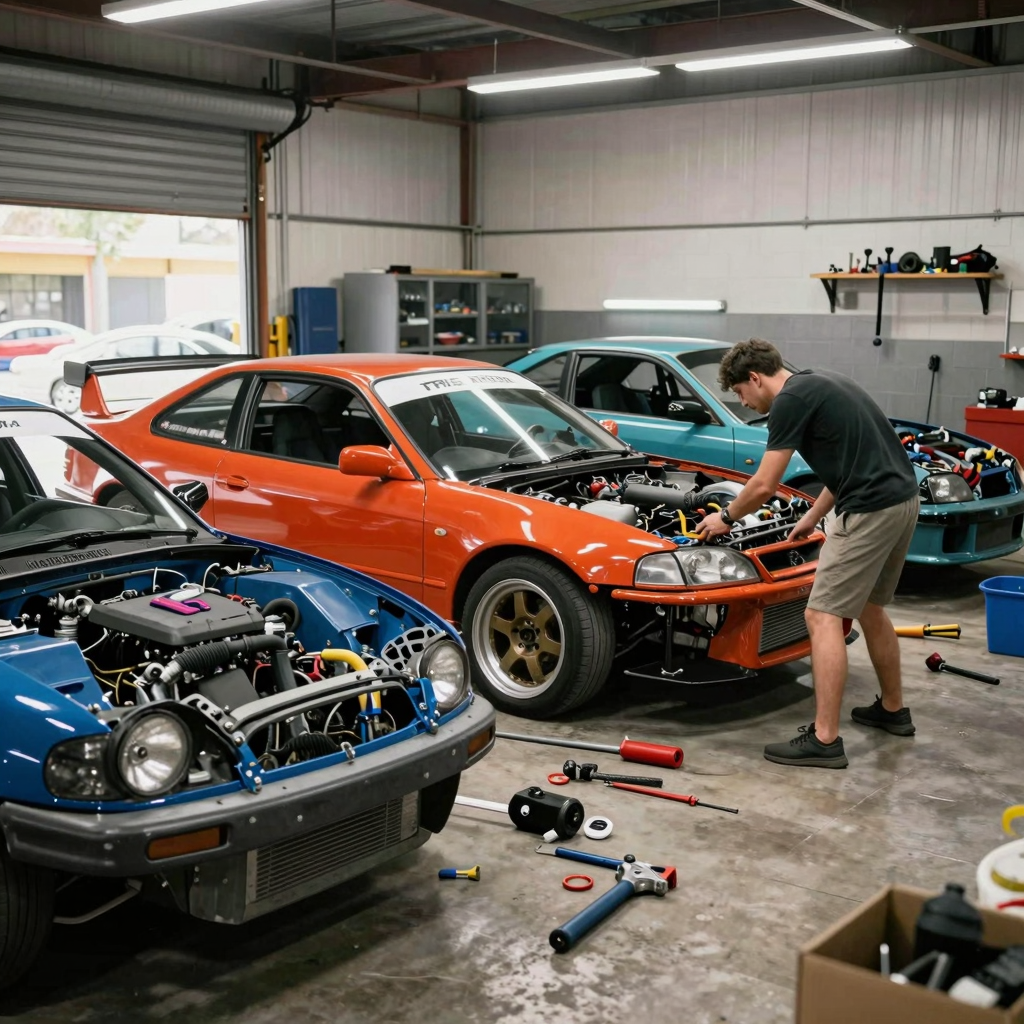
The ongoing debate surrounding the Environmental Protection Agency’s (EPA) attempts to ban car modifications has ignited a passionate uproar among car enthusiasts, hobbyists, and professional tuners alike. On one side lies a vibrant community of dedicated individuals who view car modification not just as a hobby but as a form of self-expression, craftsmanship, and a celebration of automotive culture. These enthusiasts, who often dedicate countless hours and significant resources to enhancing their vehicles, see the prospect of stringent regulations as a direct threat to their freedom, creativity, and livelihood.
The implications of such regulations extend far beyond the garage, potentially impacting the entire automotive aftermarket industry, including suppliers and restoration shops. As the EPA cites environmental concerns, car modifiers see this as an overreach that disregards the longstanding tradition of personalization within the automotive world. The fabric of car culture is intricately woven with stories of innovation, resilience, and passion – values that stand at risk when bureaucratic constraints take precedence over individuality. Explore more about car modifications and their impact on resale value. Can enthusiasts continue their activities while navigating these restrictions? The answers may redefine the future of customizable vehicles.
Major Events Leading to the EPA’s Attempt to Ban Car Modifications
The regulation of car modifications by the EPA is a complex issue rooted in a series of significant events and legislative milestones. Here’s a chronological list of major events that contributed to this development:
-
1970 – Clean Air Act Amendments: This landmark legislation laid the groundwork for federal regulations on air quality, empowering the EPA to establish emissions standards for vehicles, thus initiating the regulation of car modifications.
-
1978 – Establishment of CAFE Standards: The Corporate Average Fuel Economy (CAFE) standards were introduced, mandating fuel economy improvements. This regulation increasingly pressured manufacturers to create vehicles that adhered to stricter emissions and efficiency standards.
-
1990 – Clean Air Act Amendments: These amendments strengthened existing regulations, introducing more stringent emissions requirements and setting the stage for further scrutiny of vehicle modifications.
-
1996 – Introduction of OBD-II Systems: The implementation of On-Board Diagnostics (OBD-II) systems in vehicles allowed for more effective monitoring of emissions controls, making it easier to identify illegal modifications.
-
2015 – Volkswagen Emissions Scandal: The scandal, involving the manipulation of emissions tests, significantly damaged public trust in vehicle compliance. In response, the EPA tightened regulations to prohibit any alterations that could circumvent standard emissions controls.
-
2020-2024 – New Legislation: In light of the Volkswagen scandal, new regulations including real-driving emissions testing have been enforced, effectively banning modifications that tamper with emissions-related features.
-
California’s Role: California, as a leader in emissions regulation, has influenced federal standards, advocating for strict compliance and driving changes in the EPA’s stance on modifications to maintain air quality.
These events not only shaped the regulatory environment but also highlighted ongoing tensions between car enthusiasts and environmental standards. For more on modifying financed vehicles, check out our related discussion.
The Impact of EPA Regulations on Hobbyist Modifiers
The recent actions by the Environmental Protection Agency (EPA) to tighten emissions regulations have sent shockwaves through the community of hobbyist car modifiers. For enthusiasts, the ability to personalize and enhance their vehicles is not just a hobby; it’s a passion woven deeply into their identities. However, these new EPA rules, demanding compliance with stringent emission standards, threaten to alter this landscape irrevocably.
Many hobbyists are concerned that the new regulations will significantly limit their freedom to modify their cars. As one local car club member stated, “We’re not just playing with parts here; we’re creating art. If these rules continue, it feels like they’re pushing us into a corner where we can’t express our individuality.” This sentiment echoes the feelings of countless others in the automotive community who view their cars as extensions of themselves.
In addition to limiting modifications, the rise of compliance kits-necessary for many high-performance parts-has increased costs, making it difficult for the average enthusiast to engage in this hobby. Some community members recall how easy it once was to swap parts and tune engines without the looming concern of legality or fines. “Now every mod we make has to be examined for compliance,” lamented Jake, a dedicated modifier.
Moreover, the fear of having a beloved project impounded or deemed non-compliant has made many hobbyists switch to static displays rather than risk driving their modified vehicles. As car clubs rally to petition against these rules, the emotional stakes for hobbyists are intensifying, urging them to fight for their right to modify freely. The hobbyist community faces an uncertain future, one that could transform their passion from a joyous pursuit into a bureaucratic nightmare.
For more information about the implications of modifications on vehicle value, check out our insights here.

An emotional depiction of a car enthusiast wrestling with the implications of strict modifications laws.
The recent proposal by the U.S. Environmental Protection Agency (EPA) to restrict various aftermarket car modifications has sparked intense reactions from automotive enthusiasts across online forums and social media platforms. This move, aimed at reducing emissions and protecting public health, has divided opinions sharply-drawing support from environmental advocates while facing fierce opposition from car modifiers.
Polarized Perspectives
Feedback on social media has been overwhelmingly vocal. Supporters of the proposal argue it’s a necessary step towards cleaner air. Environmental advocates claim that the ban could significantly reduce urban pollution caused by high-emission vehicles. On the contrary, car enthusiasts view the proposal as an infringement of personal freedom and a threat to the culture of automotive customization.
In forums like Reddit’s r/CarMods and r/Forza, users have expressed their discontent. A user articulated a common sentiment stating, “This proposal feels like a direct attack on our rights as car owners. Modding is part of who we are!” Many share their fears that the ban would disproportionately impact small businesses and hobbyists, as the modifications are often crucial for older vehicles.
Economic Concerns
The automotive aftermarket industry is bracing for potential fallout. Trade organizations like the Specialty Equipment Market Association (SEMA) have raised alarms about job losses and business closures, emphasizing that many modifications do not significantly impact emissions. A prominent quote resonating in these discussions came from a small business owner who lamented, “If this goes through, my shop may not survive the year. It’s not just about cars; it’s about our livelihoods!”
Despite the backlash, a section of the community acknowledges the need for regulations but advocates for more precise guidelines targeting truly harmful modifications. “Why not tailor the rules to outlaw only the modifications that actually contribute to pollution?” asked another forum user, capturing the nuance in the debate.
Cultural Impact
In addition to economic concerns, this proposal touches on deeper cultural issues within the car community. Many enthusiasts view car modification as a form of self-expression-a way to personalize their vehicles and showcase individuality. On TikTok, creators are posting videos explaining the significance of modifications in their lives, further amplifying the conversation.
The EPA received over 150,000 public comments shortly after announcing the proposal, indicating just how passionate the community is about preserving their rights to modify cars. As discussions continue to unfold, it’s clear that this regulatory move by the EPA is about more than emissions; it’s also about personal freedom, economic stability, and the rich tapestry of automotive culture.
For further reading on the implications of car modifications, check out our blog on car modifications and resale value.
Insights from the Car Modification Community
In response to the EPA’s restrictive proposals on car modifications, voices from within the car modification community are rising in opposition. Prominent figures like Jamie Tran, a well-known host of the YouTube channel ‘StreetRacer Live,’ made a passionate comment:
“This isn’t about performance-it’s about freedom. We’re not trying to pollute; we’re preserving the integrity of our builds. A lot of us modify cars legally and responsibly, using emissions-compliant parts. This blanket ban unfairly targets hobbyists who care deeply about both performance and the environment.”
Tran emphasizes the dedication of car modifiers who prioritize both their passion for performance and the ecological impacts of their modifications. This sentiment reflects a broader concern within the community regarding the implications of such regulations.
For more insights into car modifications and their impact, check our guide on the implications of car modifications for insurance.
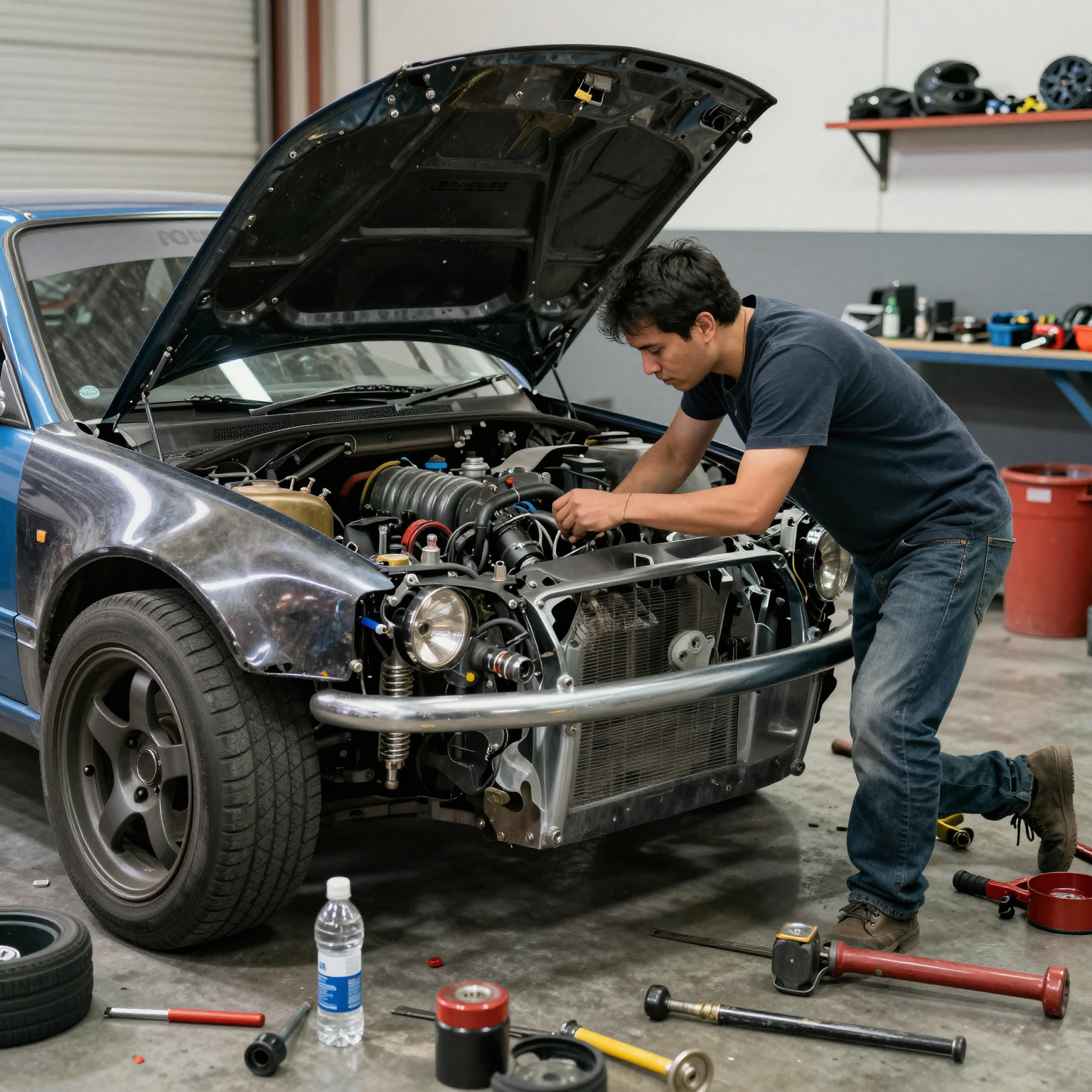
An image capturing the essence of car modification and the work that goes into customizing vehicles.
Industry Perspectives on the EPA’s Proposed Modification Ban
The recent attempt by the Environmental Protection Agency (EPA) to impose stricter regulations on vehicle modifications has sent shockwaves through the professional car tuning industry. Tuning shops and automotive enthusiasts regard these measures as a direct threat to their creative freedoms and businesses. Maria Chen, owner of a performance shop in Austin, Texas, expressed her frustrations succinctly: “This isn’t about clean air-it’s about stifling innovation and small business.”
According to a report from Automotive News, the EPA’s proposed regulations aim to restrict aftermarket modifications, particularly those involving engine tuning and exhaust alterations, under the pretext of reducing emissions. This sweeping move has drawn fire from industry leaders, who argue that such regulations could devastate small businesses reliant on customizing vehicles. Dr. James Reed, an automotive policy analyst at the University of Michigan, stated, “These businesses aren’t just selling parts-they’re running engineering labs with skilled technicians. Banning modifications without offering alternative compliance pathways undermines both environmental goals and economic sustainability.”
The Specialty Equipment Market Association (SEMA), which represents more than 10,000 companies in the automotive aftermarket, has vowed to challenge these proposed regulations legally. In a comprehensive statement, SEMA’s President Chris Pappas declared, “The EPA’s approach fails to distinguish between harmful modifications and those that enhance efficiency and safety. This blanket ban will devastate legitimate small businesses and discourage technological advancement in emissions control.”
A Forbes analysis estimates that up to 70% of independent automotive tuning shops across the U.S. could face closures if the EPA’s regulations are enacted, costing the sector over $1.2 billion in annual revenue and eliminating around 35,000 jobs. Concerns are palpable; many in the tuning community feel they are being unfairly lumped together with those engaging in illegal modifications.
As the debate continues, it remains crucial for tuners to advocate for responsible modifications that prioritize both innovation and compliance. While the pursuit of improved vehicle performance is a passion for many, navigating these new regulatory landscapes will be critical for the survival of the tuning industry. For more on compliance and the risks of modifications, learn more about modifying financed vehicles.
| Country | Emissions Standards | Legal Status of Modifications |
|---|---|---|
| USA | Compliance with FMVSS and state-specific emissions standards, especially in CA | Legal with state-specific regulations; modifications must often be certified and pass inspections. Unauthorized mods can lead to fines and insurance issues. Learn more |
| UK | Must meet Road Vehicles (Construction and Use) Regulations and environmental standards | Legal if compliant with laws; modifications require DVSA approval to maintain insurance and pass MOT tests. Read about legal requirements here |
| Japan | Stringent emissions regulations; modifications require MLIT approval | Very strict; most modifications need prior approval, and unauthorized changes can deem a vehicle unroadworthy. |
| Germany | Follow EU standards (Euro 6, Euro 7) with type approval needed | Strict regulations; most modifications need certification. Non-compliant modifications can invalidate insurance and are illegal. |
In conclusion, the recent initiatives by the EPA to implement stricter regulations on vehicle emissions have raised significant concerns within the car modification community, impacting not just enthusiasts but also manufacturers and aftermarket suppliers. The reopening of public comment periods and proposed revisions to air emissions requirements serve as a reminder of the delicate balance between environmental responsibility and the freedoms of car modifiers. It’s crucial for hobbyists and professionals to remain vigilant, engage in dialogues, and advocate for the preservation of vehicle modification culture.
Car modification is not merely a pastime; it is a vibrant expression of creativity, technical skill, and personal identity. As we consider the implications of these regulations, let us reflect on the rich history of automotive customization that has allowed countless individuals to express their unique personalities through their vehicles. This culture has not only fueled innovation within the industry but has also fostered a sense of community among enthusiasts across the globe.
We urge our readers to explore your own rides with passion and enthusiasm. Share your experiences, learn about the finer points of modification, and consider the potential of enhancing your vehicle further. Additionally, for those looking to make their customizations more accessible, Summit Fairings offers a range of products to help you bring your dream vehicle to life. Join us in championing the right to modify our cars and protect this cherished culture for generations to come!
The Evolution of Car Modification Trends in the U.S.
Car modification has become a vibrant and essential part of automotive culture in the U.S., reflecting the desires of enthusiasts to personalize and enhance their vehicles. Current trends reveal significant insights into popularity, demographics, and spending habits in the car modification sector.
Popularity of Car Modifications
According to recent reports:
- The U.S. car modification market was valued at approximately $12.8 billion in 2023, with a projected compound annual growth rate (CAGR) of 4.5% from 2022 to 2027.
- 68% of vehicle owners in the U.S. engaged in at least one aftermarket modification or upgrade in 2023, highlighting a strong interest in personalization among car owners.
Significant Findings:
- 562% increase in sales of modified vehicles in 2022, driven by the demand for unique and personalized vehicles.
- The truck modification market alone is projected to reach $150 billion by 2023, indicating a specific preference among modifiers for utility vehicles.
Demographics of Modifiers
Demographics play a pivotal role in shaping the trends in car modification:
- The most active demographic group consists of males aged 25-44, accounting for a significant share of the market. They typically spend $1,150 per vehicle annually on modifications, focusing on engine tuning, suspension upgrades, and exterior styling.
- Younger consumers, particularly those aged 18-34, represent the largest segment, showing preferences for electric vehicle upgrades and high-tech modifications. High-income individuals earning over $100,000 annually account for nearly 40% of the total market spending despite making up only about 15% of the population.
Spending Habits
Consumers generally spend between $500 and $2,000 on modifications, with a notable shift towards high-performance parts and sophisticated tech upgrades:
- The battery management system and smart interior enhancements are increasingly sought after in electric vehicle modifications, with estimates suggesting that EV modification sales will grow by 30% by 2025.
Visual Data Representation
Here’s a chart summarizing the growth trajectory of the U.S. automotive modification market:
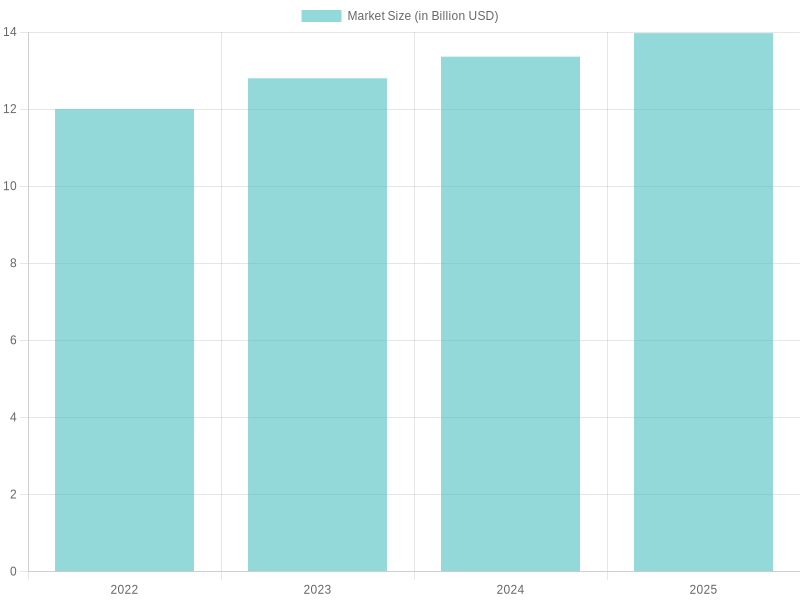
Market Size (in Billion USD) and Growth Trends (2022-2025)
- 2022: $12.0 billion
- 2023: $12.8 billion
- 2024: approximately $13.36 billion
- 2025: approximately $13.97 billion
Conclusion
The rising trends in car modifications reveal not only a demand for personal expression among vehicle owners but also a robust market poised for growth, particularly in the electrification of vehicles. For more information on legal aspects of car modifications, you can learn more here and explore how modifications can impact the resale value of your car here.