
Introduction
In a world where customization is king, hobbyist car modifiers and professional tuners alike revel in transforming vehicles into personal masterpieces. Yet, amid the excitement of tuning and modifying cars, a pressing question arises: will your insurance cover those modifications? The landscape of car modifications is as varied and complex as the vehicles themselves, presenting a dual-edged sword of opportunity and potential pitfalls. On one hand, enhancing your vehicle can significantly boost its performance and aesthetic appeal, capturing the essence of your automotive passion. On the other hand, the intricacies of insurance policies can leave modifiers in a state of confusion, where certain modifications may not be recognized or adequately covered.
With the thrill of pushing boundaries in car design, understanding the insurance implications becomes not just beneficial, but essential. Whether you’re developing a high-performance track vehicle, restoring a classic car, or enhancing everyday rides, navigating the terrain of insurance payments can make or break your project. It’s a critical conversation all modifiers must engage in to ensure that their investments are protected while pursuing their automotive dreams. For insights into which modifications might impact your insurance coverage, learn more here. This article will delve into the essential factors surrounding insurance payments for car modifications, helping you unleash your creativity without compromising your financial security.
Common Car Modifications for Enthusiasts
Car modifications are an exciting way to express individuality and enhance performance. Here’s a list of popular modifications that both hobbyists and professionals often consider:
-
Performance Upgrades
Enhancing your engine’s output can be achieved through upgrades like: -
Cold Air Intakes: Improve airflow to the engine, boosting horsepower.
-
Exhaust Systems: Performance exhausts increase exhaust flow, enhancing engine efficiency and sound.
-
Chips and Tuners: Optimize engine performance through remapping.
-
Suspension Enhancements
Upgrading suspension can drastically improve handling: -
Coilovers: Offer adjustable ride height and enhanced handling capabilities.
-
Lowering Springs: Lower the vehicle’s center of gravity, improving cornering performance.
-
Sway Bars: Reduce body roll in corners, leading to better stability.
-
Aesthetic Modifications
Personalizing the look of your car can be done through: -
Body Kits: These modify the vehicle’s appearance for a sportier look.
-
Custom Paint Jobs: Unique colors and designs create a personalized vibe.
-
Alloy Wheels: Upgrade from stock wheels for better aesthetics and weight reduction.
-
Interior Customizations
Upgrading interiors can enhance comfort and style: -
Sport Seats: Provide better support and a race-inspired feel.
-
Steering Wheel Upgrades: Better grip and handling control.
-
Sound Systems: Enhance audio for a more enjoyable driving experience.
Each modification not only enhances the car’s capabilities but also its style and resale value. Make sure to consider how these modifications affect car insurance before diving into your next project!
Insurance Policies Related to Car Modifications
When it comes to modifying your car, understanding the implications on your insurance policy is crucial. Modifications can enhance aesthetic appeal, performance, or functionality, but they can also complicate your insurance coverage. Here’s a detailed overview of various insurance policies that may cover car modifications, ensuring you’re well-informed about your choices.
Standard Insurance Policies
Most standard auto insurance policies cover your vehicle in its original state, but they may not sufficiently cover modifications. Here’s some critical information:
-
Liability Coverage: This is mandatory in many states and includes bodily injury and property damage. However, if modifications increase your vehicle’s value, you might need to discuss customizations with your insurer to ensure proper coverage.
-
Comprehensive Coverage: Offers protection against theft, vandalism, and natural disasters. But again, it doesn’t automatically cover aftermarket modifications unless explicitly stated.
-
Collision Coverage: This covers damages to your vehicle in an accident, regardless of fault, but standard policies may not account for modifications’ worth.
Specialized Coverage Options
For car enthusiasts with taste for performance enhancements or aesthetic upgrades, specialized coverage options are available. Here are a few:
- Modified Car Insurance:
- Who it’s for: Ideal for hobbyists and professionals who significantly modify their vehicles.
- What it covers: Protects against loss or damage to modified parts, including performance enhancements and custom aesthetics.
- Example Providers: Adrian Flux offers policies that cover agreed value for such modifications (Adrian Flux).
- Agreed Value Policy:
- Who it’s for: Best for classic and performance car owners.
- What it covers: The insured amount is predetermined, ensuring that all modifications are included at the time of loss. This is particularly beneficial for enthusiasts who may need to rebuild their customized cars from scratch (EverQuote).
- Classic Car Insurance:
- Who it’s for: Owners of vintage or collectible cars.
- What it covers: Coverage specifically tailored to classic cars that often face unique risks compared to modern cars. Many classic car insurance policies can also encompass modifications.
- Provider Insight: Hagerty specializes in this segment, offering tailored insurance coverage for modified and classic vehicles (Hagerty).
- Custom Parts and Equipment Coverage:
- Who it’s for: Anyone adding significant upgrades.
- What it covers: Usually an addition to standard policies, this coverage protects your custom parts from damage or theft. A critical consideration for those who opt for high-end upgrades that significantly raise vehicle value (U.S. News).
Important Considerations
When insuring a modified vehicle, there are several nuances to consider:
-
Declaration of Modifications: Failing to disclose modifications to your insurer may result in denied claims. Always declare changes to avoid complications. Many carriers, such as Charlotte Insurance, stress the importance of being upfront about your customization (Charlotte Insurance).
-
Higher Premiums: Insuring a modified vehicle often results in higher premiums due to the added value and potential repair costs, which reflect the risk assumed by the insurer.
-
Impact on Resale Value: Some modifications may enhance resale value while others might not, requiring a nuanced discussion with your insurance provider. You can learn more about how modifications affect resale value.
-
Legalities of Modifications: Ensuring that your modifications are legal varies by state and locality, which is pivotal in determining your insurance coverage. Research local regulations to maintain compliance.
In conclusion, the journey of car modification is thrilling yet daunting, especially when it intersects with insurance policies. Understanding the differences between standard and specialized coverage not only protects your investment but also enhances your vehicle’s performance and value. Always engage with your insurance provider to tailor coverage that suits your unique modifications, ensuring you can enjoy your custom car without worry.
Understanding the Impact of Modifications on Insurance Claims
For car enthusiasts and modifiers, understanding how vehicle modifications affect insurance claims is crucial. Recent statistics indicate that modified vehicles often encounter unique challenges when it comes to insurance claims and premiums.
Claim Frequency and Rejections
According to insights from sources like Hyd News Today, one of the significant aspects of insuring modified vehicles is the risk of claim rejections.
- Undisclosed Modifications: If modifications are not disclosed to insurers, claims can be invalidated, leaving owners financially responsible for damages.
- Complex Evaluation: Insurers may require specific appraisals for modified vehicles, complicating the claims process.
Average Liability Claims and Premiums
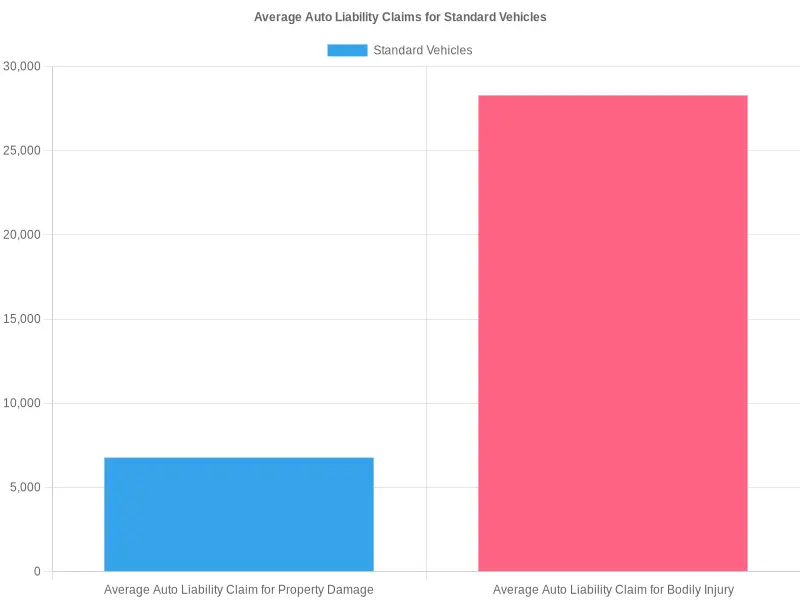
A detailed view from the Insurance Information Institute reveals that standard vehicles have average liability claims of:
- Property Damage: $6,770
- Bodily Injury: $28,278
When considering modified vehicles:
- Claims Statistics: The exact claims frequency for modified vehicles is not specified in current data, but industry reports emphasize higher overall claim risks due to potential performance alterations and safety issues.
Insurance Premiums Comparison
Financial evaluations indicate that modifications significantly impact insurance premiums. From recent studies, the comparison highlights:
| Vehicle Type | Average Premium (Annual) | Modification Impact | Source URL |
|---|---|---|---|
| Unmodified Vehicles | $1,438 | Lower risk, standard premiums | NAIC 2022/2023 Report |
| Modified Vehicles | Varies significantly | Higher risk, leading to higher premiums | U.S. News |
| General Findings | Increased risk perception | Resulting in premium increases | MarketWatch |
Emotional and Financial Impacts
The emotional attachment to modifications also plays a role in how owners approach insurance. Car modifiers often report feelings of disenchantment when their claims are rejected or when their premiums skyrocket simply due to their vehicles’ enhancements.
In summary, while modifying a vehicle can enhance its aesthetics and performance, it’s vital to understand how these modifications interact with insurance policies. Always disclose modifications to your insurer and explore specialized coverage to ensure the best protection.Learn more about how modifications affect your insurance.
Here is a comprehensive comparison of car insurance providers regarding their policies on car modifications. This table includes details on coverage options, premium differences, and customer reviews to help hobbyist car modifiers, professional car tuners, and enthusiasts make informed decisions.
| Insurance Provider | Coverage Options | Premium Differences | Customer Reviews |
|---|---|---|---|
| Progressive | Custom parts and performance upgrades | Typically higher premiums for modified cars | Generally positive; noted for flexibility and customer service source |
| Allstate | Modifications covered with full disclosure | Higher premium if non-disclosed | Mixed; good for custom coverage but can be pricey source |
| Elephant | Coverage for custom parts | Standard to slightly elevated premiums | Positive; competitive pricing for modified vehicles source |
| 21st Century | Offers specific policies for modified cars | Variable depending on the modifications | Generally favorable; particularly strong in custom car coverage source |
| GoDigit | Clear guidelines on disclosing modifications | Can significantly impact rates | Positive feedback regarding clarity and responsiveness source |
This table provides a snapshot to help you evaluate which insurance provider might suit your car modification needs best. Always ensure to disclose all modifications to your carrier, as failing to do so may void your coverage.
If you’d like to dive deeper into car modifications and their impact on insurance, you can learn more here.
Documenting Car Modifications for Insurance Purposes
When you modify your car, whether for improved performance, aesthetic reasons, or personal expression, you need to ensure that your insurance coverage reflects these changes. Proper documentation is key to protecting your investment and securing valid claims. Here’s a comprehensive guide on how to document your car modifications effectively:
Why Documentation is Crucial
Insurance companies need clear evidence of any modifications made to your vehicle. Failure to provide this can result in denied claims or coverage that doesn’t fully protect your investment. By documenting your modifications, you can establish their value and support any insurance claims in the case of damage or theft.
Essential Steps to Document Your Modifications
- Keep Detailed Receipts and Invoices
Every time you purchase parts or services for your car modifications, ensure you keep the receipts. This includes:
- Parts purchased online or from local shops
- Installation services from professional mechanics
- Custom paint jobs or bodywork services
Each receipt should be stored in a dedicated folder for easy access. You can also consider digitizing documents to prevent loss or deterioration.
- Document with Photographs
A picture speaks a thousand words. Take clear, high-resolution photos of:
- The car before and after modifications
- Close-ups of specific modified parts (e.g., engine enhancements, aftermarket wheels, body kits)
- Any installation processes
Make sure to include date stamps on your photos to verify when modifications were made. Learn more about documenting modifications.
- Create a Comprehensive Modifications List
Maintain an organized list detailing all modifications made to your vehicle. This can include:
- Types of modifications (performance, aesthetic, functional)
- Dates modifications were completed
- Cost of each modification
- Any third-party certification (e.g., dyno results for performance parts)
Compiling this information into a single document aids in quick referencing during insurance discussions.
-
Get Professional Assessments
Depending on the extent and nature of your modifications, consider getting a professional appraisal. An expert can assess the changes and provide documentation that supports your modifications’ value, which can be beneficial in supporting your insurance claims. -
Organize Everything Neatly
Once you gather all the above documentation, organize it systematically:
- Use folders for physical documents
- Create a digital folder on your computer/cloud storage that includes scans of your receipts, photos, and lists
This organization makes it easy to retrieve documents when dealing with insurance companies or during resale processes.
Best Practices for Modification Management
- Update Records Regularly: Each time a new modification is added, update your records promptly to ensure nothing is overlooked.
- Communicate with Your Insurer: Always inform your insurance agent about modifications made. They can advise whether your changes affect your coverage and what documentation to present.
- Review Insurance Policies: Not all insurers cover modifications; always check your policy to ensure your modifications are included in the coverage.
Conclusion
Documenting your car modifications is a vital practice to ensure your creations are protected and your insurance claims are valid. By keeping receipts, taking photos, maintaining a detailed list of modifications, getting professional evaluations, and organizing these documents, you place yourself in a strong position with your insurance provider. Don’t leave your investments to chance; take the steps necessary to keep them secure.

Infographic: Insurance Coverage for Car Modifications
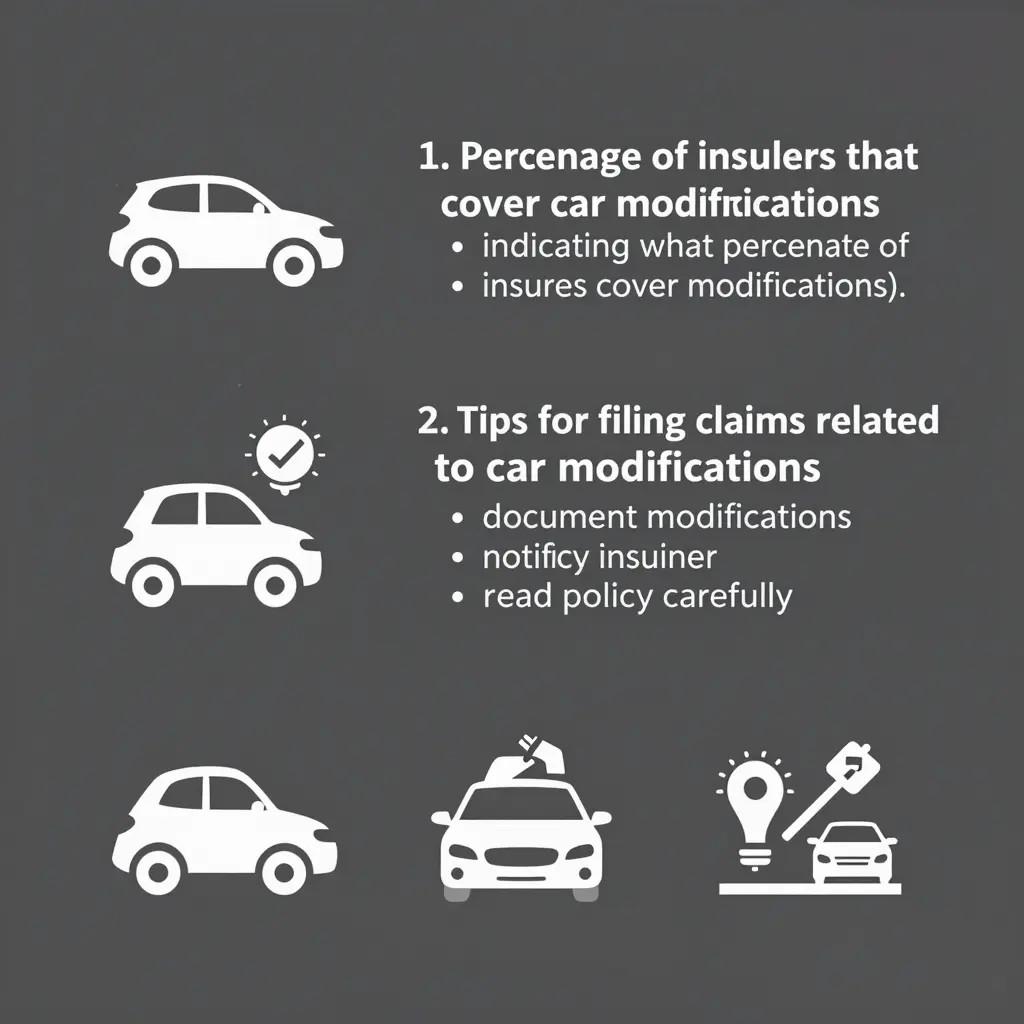
Key Points:
- Percentage of Insurers Covering Mods: Approximately 70% of major insurers provide some level of coverage for car modifications, but policies vary widely by company and specific modifications.
- Tips for Filing Claims:
- Document Your Modifications: Keep a detailed record of all modifications made, including receipts and photographs.
- Notify Your Insurer: Always inform your insurance provider of any modifications to ensure coverage is maintained.
- Read Your Policy Carefully: Understand your policy’s specifics regarding modifications to avoid surprises when filing claims.
For further insights on insuring modified cars, check out learn more about insurance for modified cars.
Common Misconceptions About Insurance and Car Modifications
Car enthusiasts often face a myriad of challenges when it comes to modifying their vehicles. One significant concern is how these changes will affect their insurance coverage. Unfortunately, this area is riddled with misconceptions that can lead to confusion and fear for modifiers. Let’s take a closer look at some of the most common myths regarding insurance and car modifications and debunk them effectively.
Myth 1: All Modifications Are Automatically Covered
Many believe that as long as they inform their insurance provider about a modification, it will be covered. However, this is not universally true. Depending on your policy, certain modifications-especially performance upgrades or custom installations-might not be covered. According to Cars.com, the nuances of insurance coverage can lead to total confusion. It’s crucial to read the policy thoroughly and inquire about specific modifications you intend to make.
Myth 2: Modifications Increase Insurance Costs Significantly
Another prevalent misconception is that vehicle modifications will drastically increase your insurance premiums. It’s true that some alterations can increase your risk level, hence your premium. However, not all modifications lead to substantial hikes in costs. Factors affecting your rate include the type of modification, how it enhances the vehicle’s performance, and overall safety concerns. A resource from Fast Quotes for Fast Boats highlights that insurers typically assess risk on a broader scale rather than merely assigning high costs for modifications alone.
Myth 3: DIY Modifications Automatically Void Coverage
Many hobbyists worry that any do-it-yourself (DIY) modifications will render their insurance null and void. While improper or unsafe modifications can certainly lead to coverage disputes, legitimate DIY modifications done correctly and within legal bounds generally do not void your coverage. Direct Asia emphasizes the importance of proper modifications and documentation. Always ensure that your modifications are compliant with local laws and standards.
Myth 4: Insurance Doesn’t Cover Accidents Involving Modified Vehicles
A common fear for car modifiers is that if an accident occurs, insurance will refuse to pay out because the vehicle is modified. While it’s true that modifications can complicate claims, they do not inherently negate your coverage. Insurers will evaluate the cause of the accident alongside the modifications applied. According to Peakes Insurance, clear communication with your insurer and understanding your policy terms is key to protecting yourself in such scenarios.
Myth 5: Only Performance Modifications Affect Insurance
Many modifiers believe that only performance-related upgrades, such as new exhaust systems or turbochargers, will affect their insurance premiums. This misconception overlooks the fact that aesthetic modifications, including body kits or custom paints, can also impact coverage and costs. Each modification can be analyzed differently by insurers, and all types might require a review or an adjustment in your coverage.
Conclusion
Understanding the intricacies of how car modifications interact with insurance policies can empower vehicle lovers to pursue their passion without fear. By debunking these common myths, you equip yourself with the knowledge required to navigate the insurance landscape successfully. As always, it’s prudent to have ongoing communication with your insurer to ensure that all modifications are appropriately covered. For more detailed information, consider exploring options like insurance for modified cars to gain insights specific to your condition.
Whether you’re a hobbyist car modifier, part of a professional car tuning shop, or an enthusiast in classic car restoration, knowing the facts can significantly influence your car modification journey. Stay informed, stay safe, and drive passionately!
Conclusion: Be Proactive with Your Insurance Checks
In the world of car modifications, ensuring that your investment is protected by adequate insurance coverage is paramount. While modifying your vehicle can enhance its performance, aesthetics, and overall enjoyment, it can also introduce complexities in your insurance policy. Thus, proactively checking with your insurance provider about the specifications of your modified car is not just a suggestion, but a necessity.
The Importance of Checking Your Coverage
If you’ve invested in modifications, whether they be aesthetic upgrades or performance enhancements, your standard insurance policy may no longer suffice. Many insurance companies require specific disclosures about modifications and may adjust your premiums or coverage options based on the nature of these changes. By reaching out to your provider, you can:
- Understand Your Policy: Gain clarity on how your modifications impact your coverage.
- Avoid Claims Issues: Prevent potential disputes when it comes time to file a claim. If your modifications aren’t declared, your claim may be denied.
- Explore Coverage Enhancements: Some insurers offer specialized policies for modified vehicles that can offer better protection and peace of mind.
Not only does checking with your insurance provider safeguard your investment, but it also empowers you as a car modifier. Being informed allows you to make better decisions regarding future modifications, potentially identifying insurance-friendly adjustments that enhance your vehicle without compromising coverage.
Benefits of Being Proactive
Being proactive in managing your insurance checks opens the door to numerous advantages:
- Prevention of Future Headaches: No one wants the stress of denied claims in the unfortunate event of an accident. Early engagement with your insurer can circumvent such frustrations.
- Tailored Insurance Solutions: Being upfront about your vehicle’s modifications may enable your insurer to offer tailored solutions that better meet your needs.
- Informed Modifications: You’ll gain insight into what types of modifications are more likely to be covered, helping you plan your upgrades wisely.
Ultimately, taking the initiative to communicate with your insurance provider positions you to maintain control over your modifications and their impacts on your coverage. Don’t leave your enjoyment of your modified car to chance-secure your investment by ensuring you have the right protection in place.
For more information on the intricacies of insurance for modified vehicles, check out our guide on insuring your modified car.
Stay informed, stay proactive, and drive with confidence!