
In the world of automotive enthusiasts, one of the most electrifying debates has emerged over the Environmental Protection Agency’s (EPA) attempts to ban car modifications. This controversial chapter in automotive history ignited fierce passions, split communities, and challenged the very essence of car culture across the nation. From custom exhaust systems to enhanced engine performances, modifications have long been a hallmark of self-expression, creativity, and innovation for hobbyists and certified tuners alike. These bespoke alterations not only symbolize personal identity but also foster a robust industry that thrives on pushing the limits of automotive technology.
The EPA’s initiatives, aimed ostensibly at reducing emissions and ensuring public safety, cast a shadow over what many perceive as their fundamental right to modify their vehicles. The significance of this ongoing battle resonates deeply with classic car restoration enthusiasts, global car modification fans, and auto parts suppliers, stirring a sense of urgency to protect their passions. As these stakeholders band together, they defend their craftsmanship and the enjoyment derived from their unique automotive creations. Dive into the complexities of this debate, where environmental concerns collide with the fervor of automotive enthusiasts eager to ensure that the roar of modified engines continues to echo down the streets – a sound that embodies freedom, creativity, and individuality in the world of cars. learn more about modifications and insurance and explore how you can protect your passion.
EPA Crackdown Background
The Environmental Protection Agency (EPA) has a complex history concerning vehicle regulations, centered around emissions standards and environmental protection. Established in 1970, the EPA came into existence due to increasing public concern about air quality and environmental degradation. The agency was tasked with enforcing the Clean Air Act, which introduced ambitious regulations aimed at reducing air pollution from various sources, including automobiles.
The Early Years of Regulation
In the early years of its formation, the EPA implemented stringent regulations that affected vehicle emissions. By the late 1970s, cars were required to have catalytic converters to minimize harmful exhaust emissions. As these regulations evolved, so did public interest in modifying cars for performance and aesthetic enhancements. This interest clashed with EPA standards, as many modifications could inadvertently increase vehicle emissions beyond permissible limits. Read more about modifying financed vehicles and its risks.
Increased Scrutiny on Modifications
In increasing number due to the rise of vehicle customization culture, car modifications began to draw the EPA’s attention. Enthusiasts often equip their vehicles with aftermarket parts, modifications to the electronic control module (ECM), turbochargers, and exhaust systems to enhance performance. However, modifications that alter the way a vehicle operates or its emissions profile are a significant concern for the EPA.
A major focal point arose when the EPA began interpreting some aftermarket modifications as ‘tampering’ under the Clean Air Act. This meant that any modification perceived to increase emissions could result in significant legal ramifications for both modifiers and manufacturers of aftermarket parts. A substantial pushback from car enthusiasts and automotive businesses emerged, who argued that these regulations could cripple their creativity and hobby.
Motivation for Regulations
The motivation behind the EPA’s crackdown on car modifications is twofold:
- Environmental Concerns: The primary goal is to prevent modifications that result in excessive pollution and to comply with national air quality standards. The EPA strives to ensure that vehicles sold and modified adhere to emissions regulations, facilitating a broader environmental sustainability agenda.
- Public Health: By controlling modifications, the EPA aims to safeguard public health. Vehicle emissions contribute significantly to air pollution, which is linked to respiratory illnesses and other health risks. Thus, regulating modifications is part of the country’s efforts to promote cleaner air and healthier communities.
Impact on Car Modifiers
The implications of the EPA’s heightened scrutiny are profound for car modifiers. A large segment of the automotive community, including professional car tuners and shops, faces challenges in offering services that align with these regulations. Classic car restoration enthusiasts, who often seek to modify vintage vehicles, are particularly affected, as many modifications could lead to legal penalties or increase their vehicles’ emissions beyond acceptable limits.
In summary, while the EPA’s regulations serve an undeniable purpose in promoting environmental health and safety, they also place significant constraints on the automotive modification community. Hobbyists and professionals alike must navigate these challenging waters, balancing their passion for modification with compliance to federal standards, ultimately shaping the future of automotive culture as we know it.
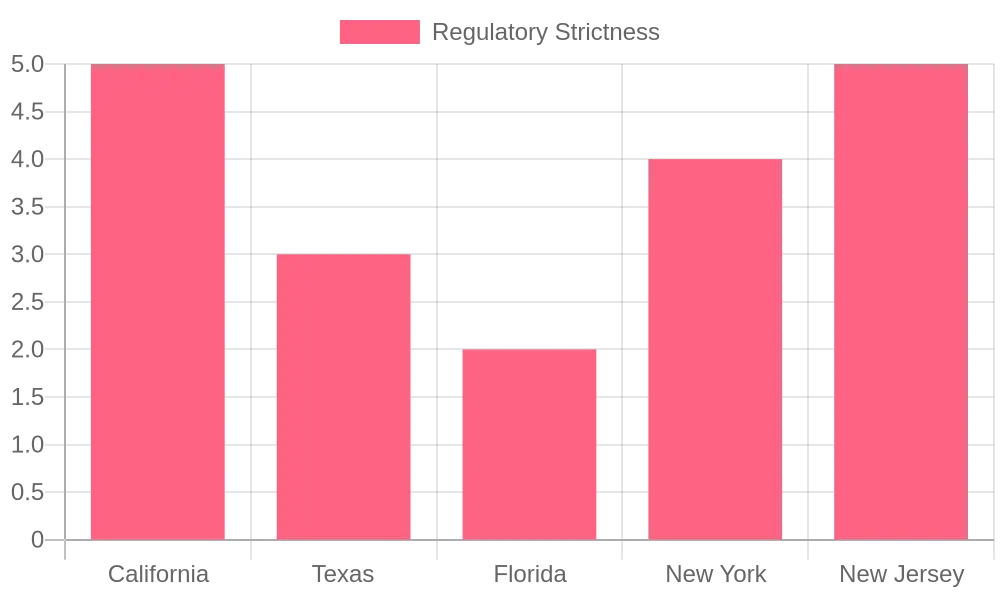
| State | Key Regulations | Compliance Requirements |
|---|---|---|
| California | Strict emission laws, no modifications that increase noise beyond allowed limits, safety standards | Must document modifications with the DMV, potential inspections for emissions compliance, modifications must be approved if changing vehicle height. |
| Texas | Less restrictive, but must comply with emission regulations, no excessively loud modifications | Follow local noise ordinances, keep modifications within federal and state laws, potential inspection for safety. |
| Florida | Mostly lenient, must adhere to standard safety rules | Must ensure modifications do not affect vehicle safety, noise laws apply. |
| New York | Must comply with safety and emissions standards, specific rules for vehicle height and lighting | Modifications need to pass emissions testing, documentation may be required for certain modifications. |
| New Jersey | Strict regulations on classic car modifications, must respect original vehicle specifications | Modifications must not compromise safety or emissions, may require historical vehicle registration for classics. |
For more detailed information on car modification laws, check our complete guide on state-by-state car modification laws.
This overview emphasizes varying levels of regulatory strictness and associated compliance requirements that hobbyists and professionals must consider when modifying vehicles.
Community Response to EPA’s Proposed Car Modification Ban
The announcement of the EPA’s proposed ban on car modifications sent shockwaves through the automotive community. Hobbyists, professional tuners, and enthusiasts rallied together to voice their concerns and oppose these regulations. This united front showcased the passion and dedication that exists within the community, highlighting their collective desire to preserve car culture and individual expression in vehicle customization.
Protests and Advocacy Campaigns
In the wake of the EPA’s announcements, numerous protests erupted across the country. Car enthusiasts organized rallies in major cities, where they demonstrated their love for modifications and the thrill of personalized vehicles. These protests were not merely symbolic; they served as a platform to amplify their voices against what they viewed as an overreach by the government into personal freedom and expression.
One notable event occurred in Los Angeles, where car clubs converged from all corners of California to express their discontent. The gathering featured not only a show of modified cars but also speeches from industry leaders and passionate individuals who explained how these regulations could stifle innovation and undermine the car culture that has thrived for decades.
Online Campaigns and Petitions
In addition to physical protests, the community mobilized online, launching social media campaigns that garnered thousands of shares and supportive comments. Hashtags like #SaveCarModifications trended on platforms like Twitter and Instagram, bridging the gap between seasoned enthusiasts and newcomers just stepping into the world of customization.
Petitions quickly followed, with notable efforts such as a petition on Change.org that attracted over 12,000 signatures in just a few weeks. This significant number strengthened the community’s stance, demonstrating to policymakers that a large demographic opposes the proposed regulations. Learn more about advocacy campaigns.
Forum Discussions and Knowledge Sharing
Forums dedicated to car modifications became hotbeds for discussions regarding the EPA’s proposals. Platforms like Car Enthusiast Forums and Reddit hosted thousands of threads where users shared their opinions, strategies, and insights to navigate the potential impacts of the regulations. These forums allowed community members to connect, share resources, and organize group actions that would further amplify their voices.
Members discussed the implications for everything from performance enhancements to aesthetic modifications, raising questions about how proposed restrictions might affect their individual projects and passions. Such engagement highlighted the community’s unity and determination to defend their rights to modify their vehicles as they see fit.
Key Insights from Forums:
- Impact on Classic Cars: Many enthusiasts were particularly concerned about the effects on classic car restorations and the potential hindrance it could create regarding parts availability and sourcing.
- Future of Automotive Innovation: Professionals expressed that limiting modifications could stall technological advancements in the automotive sector, which relies heavily on the aftermarket for innovation and development.
A Unified Community
As discussions continued and the movement gained momentum, the car enthusiast community recognized that their fight was not just about personal preference but was also rooted in broader issues of individual rights and the culture surrounding automotive personalization.
The coalition of hobbyists, businesses, and advocacy groups created a formidable force against the proposed ban, showing that when passion and united voices converge, they can bring about significant change. The solidarity displayed during this challenging time proved that the spirit of modification-creativity, freedom, and community-would not be easily quelled.
In conclusion, the community’s response to the EPA’s proposed ban exemplifies how the bond between car enthusiasts is both deep and impactful. The protests, online campaigns, and active discussions within forums have not only elevated the dialogue surrounding car modifications but also solidified a sense of identity within the community that persists against challenges. As this situation evolves, it is evident that the collective voice of car enthusiasts is one worth listening to-after all, their passion is what fuels the automotive landscape we enjoy today.
Next Steps
To stay updated on how these regulations develop and what actions are recommended, enthusiasts can follow industry news and participate in ongoing discussions and advocacy efforts.
For those interested in understanding the implications of modifications on their vehicles, consider exploring the impact of car modifications on resale value.

Insights from Industry Professionals on the Impact of EPA Regulations
The automotive customization community has always remained passionate about personalization and performance enhancements. However, the EPA’s increasing regulations concerning emissions are causing significant concern among car tuners and modification shop owners. Here’s what some industry professionals had to say about how these regulations have affected their businesses and their unyielding passion for car tuning.
“The new EPA emissions standards are crippling for small tuners like us. We thrive on helping enthusiasts personalize their vehicles, and now it feels like we’re being boxed in. It suppresses creativity and performance, leaving many of us struggling to stay afloat,” shared Mike Jansen, owner of Jansen’s Custom Garage. This sentiment is echoed by many in the industry who fear that continued regulations could lead to the closure of smaller shops.
Mark Rivera, a professional car tuner with over 15 years in the business, expressed, “We understand that emissions are a concern, but the regulations target modification shops unfairly. Our modifications often enhance performance safely, while adhering to environmental standards. The EPA needs to recognize the balance we strike between compliance and craftsmanship.”
These insights reveal the intricate relationship between regulation and the culture of car modification. The pressure for compliance has led many shops to reconsider the products they offer.
“We’ve had to pivot our business model completely because of the EPA’s stance on aftermarket parts. We’re now focusing on electric vehicle modifications which isn’t our forte, but it’s necessary to adapt,” explained Linda Carr, co-owner of Eco-Tuners, a shop specializing in eco-friendly modifications.
The Passion for Customization
Despite the hurdles presented by the EPA regulations, the passion for automotive customization remains fierce.
“Cars are an expression of our identity. It’s more than just metal and mechanics; it’s about passion and personal touch. We won’t let regulations dim that flame, but we need support from the community as well,” noted Jeff Salazar, a tuning enthusiast. His words resonate with many who view car modification as an art form rather than mere mechanical tinkering.
The car modification community continues to navigate these challenging waters, maintaining a spirit of resilience and creativity. As the industry shifts, it remains to be seen how businesses will balance compliance with their passion for customization. To read more about the implications of these regulations, check out our article on EPA Regulations and Small Manufacturers and the Future of Car Culture.
-
Exhaust Systems
Exhaust systems are a popular modification among car enthusiasts, primarily because they can enhance engine performance and create a more aggressive sound. However, many aftermarket exhaust systems may not comply with EPA noise and emissions regulations. The significance lies in the balance between enjoying the sound and ensuring the vehicle meets federal guidelines for emission. -
Engine Tuning
Reprogramming the engine’s ECU (Electronic Control Unit) is a favorite among tuners looking to increase horsepower and torque. However, the EPA strictly regulates the modification of engine software since it can lead to increased emissions. Enthusiasts value this modification for the enhanced performance it provides, but it’s essential to stay informed about legal limits and compliance requirements. -
Cold Air Intakes
Cold air intakes are designed to improve airflow to the engine, thus enhancing performance and fuel efficiency. While they are relatively common, many aftermarket versions may not pass EPA scrutiny due to potential impacts on emissions. Enthusiasts appreciate cold air intakes for their performance benefits and relatively straightforward installation. -
Turbochargers & Superchargers
Forced induction systems, like turbos and superchargers, are sought after for delivering significant power gains. Unfortunately, any modifications that alter the factory emissions equipment can run afoul of EPA regulations. Enthusiasts often prioritize this modification for its dramatic performance enhancements, but must navigate the potential legal pitfalls. -
Nitrous Oxide Systems
Nitrous systems are favored for their ability to provide explosive power increases, making them a thrill for racers. However, they can cause the engine to exceed EPA emissions standards, leading to legal repercussions. Enthusiasts value nitrous for its dramatic and immediate impact on performance, but it’s crucial to be aware of the associated regulations. -
Suspension Kits
Performance suspension modifications increase handling and aesthetics, appealing to car lovers. While less directly related to emissions, aggressive suspension modifications can affect ride height and stability, which can be scrutinized during emissions testing. Car modifiers highly value these modifications for improving handling and the overall driving experience. -
Body Modifications
While body kits and aesthetic changes may seem harmless, any alteration that affects how air flows around the vehicle can impact fuel efficiency and emissions performance. The EPA could scrutinize these modifications if they encourage driving that exceeds emissions limits. Car enthusiasts often invest in these modifications for their visual appeal and individuality on the road. -
Fuel System Modifications
Upgrades like aftermarket fuel injectors or fuel pumps can improve engine performance but may also lead to emissions that exceed EPA guidelines. Enthusiasts value these due to the performance enhancements they offer, but the potential for non-compliance remains a concern.
Conclusion
Car modifications serve a dual purpose of personal expression and performance enhancement for automotive enthusiasts. However, the EPA’s regulations aim to reduce environmental impacts and maintain vehicle compliance, making it vital for modifiers to stay informed about legal limits and potential penalties.
The Enduring Legacy of EPA Regulations on Car Modifications
The Environmental Protection Agency’s (EPA) actions concerning car modifications have left an indelible mark on car enthusiasts and modifiers, shifting the landscape of automotive culture and the aftermarket industry. While the intention behind these regulations is to combat environmental degradation and improve air quality, the ramifications for hobbyist car modifiers and the wider automotive community are profound and far-reaching.
In the long term, these EPA regulations are likely to stifle creativity and personalization in vehicle modifications. Enthusiasts have always viewed car modification as an essential expression of individuality and culture, allowing them to push the boundaries of engineering and design. However, as stringent emission standards enforce compliance, modifiers may find themselves constrained, facing challenges in sourcing compliant parts and facing penalties for noncompliance. Resourceful innovators may have to rethink their strategies and adapt to new technologies that adhere to environmental regulations while still striving for enhanced performance and aesthetics.
Moreover, the impact extends beyond individual modifiers to professional car tuners and shops that rely on a vibrant aftermarket industry. The new regulations may hinder businesses that specialize in performance upgrades, as the demand for non-compliant parts might plummet. This, in turn, could lead to significant job losses and closures within the automotive aftermarket sector-a space that thrives on diversity and creativity.
As we reflect on these challenges, our call to action is clear: it is imperative that every member of the automotive community-be they modifiers, tuners, or plain aficionados-fully understand their rights under these regulations. We must advocate for our passion for modification and engage with policymakers to ensure that our voices are heard. We encourage readers to educate themselves on how to navigate these regulations, see what constitutes legal modifications, and respond proactively to ensure their rights to modify are protected.
Join the conversation, share insights, and unify efforts to preserve our passion for car modifications against an environment that may seek to limit it. When we stand together, we can not only safeguard our dreams but also inspire the next generation of automotive enthusiasts. For those looking to dive deeper into the nuances of car modifications, learn more about how modifications can affect car insurance and understand the compliances necessary to keep our automotive passion alive.
It’s time to rally together and keep the spirit of modification thriving!
Public Opinion on Car Modifications
The graph below illustrates public opinion on car modifications before and after the implementation of EPA regulations. As seen, support for modifications has significantly declined due to regulatory constraints, reflecting a shift in perspective among car enthusiasts and modifiers.

Data Summary:
| Year | Support for Modifications | Oppose Modifications |
|---|---|---|
| Before EPA Regulations | 70% | 30% |
| After EPA Regulations | 50% | 50% |
For more insights on car modification regulations, check out our articles on modifying financed vehicles and the impact of modifications on resale value.
The EPA’s Attempts to Ban Car Modifications: A Rallying Call for Auto Enthusiasts
Car modification is not merely a hobby for many; it’s a culture, a form of personal expression, and an arena of creativity. Yet, this vibrant world of customization has faced threats, notably from the Environmental Protection Agency (EPA). In recent years, the EPA has sought to impose restrictions on car modifications, igniting a fierce backlash from enthusiasts, professionals, and even politicians who believe these measures curtail personal freedoms and stifle innovation.
The Motivation Behind EPA Regulations
The EPA’s mission primarily revolves around protecting public health and the environment. However, many argue that their approach to car modifications seems misguided. The agency’s concerns largely stem from emissions and safety regulations impacting how modified vehicles may contribute to pollution levels. Yet, car enthusiasts and tuners argue that responsible modifications can enhance a vehicle’s performance without necessarily compromising safety or environmental standards.
“At the core of this debate is the fundamental right to modify our vehicles, a practice that should not be unduly hindered by regulations that overlook automotive innovation.”
The Backlash from the Car Community
The backlash is palpable. Numerous petitions have circulated, gathering thousands of signatures against what many perceive as overreach by the EPA. For instance, a prominent petition in 2016 amassed over 12,000 signatures, advocating for the preservation of car culture against proposed limitations on modifying street vehicles for racing. This significant response underscores the passionate commitment of car enthusiasts to their right to personalize their rides.
For those interested in understanding the broader impact of modifications, particularly regarding insurances, this article discusses the implications of modifying financed vehicles.
Historical Context of EPA Regulations
To fully grasp the current climate surrounding these regulations, it’s crucial to consider the EPA’s history regarding vehicle emissions and modifications. Established in 1970, the agency has evolved, setting stringent pollution-control standards. However, the recent regulatory attempts to limit modifications have raised eyebrows, framing modifications as a public health threat rather than a cultural choice.
While the EPA has aimed to clarify its stance, many within the automotive community feel that their approach lacks understanding and consideration for the diversity of modifications that exist. For further insight into modifications affecting insurance, check out this resource detailing how modifications impact car insurance.
The Road Ahead: Fight for Car Culture
The debate over the EPA’s modification restrictions remains unresolved, and it’s clear that enthusiasts are unwilling to back down. The passion surrounding car modifications encompasses everything from performance enhancements to aesthetic upgrades, reflecting the individual character of each vehicle.
As this conversation continues, it’s essential for the automotive community to unite and articulate a collective voice advocating for reasonable regulations that acknowledge personal freedoms while also considering environmental concerns. Advocacy for car culture shouldn’t just be seen as a battle against regulations; instead, it can be an opportunity to innovate and push for sustainable modification practices that align with environmental goals.
In conclusion, the future of car modification hangs in the balance, dependent on how effectively we can communicate the necessity of these freedoms while also promoting responsibility. It’s time for automotive enthusiasts to come together to ensure that the spirit of customization continues to thrive.