

Car modification is an exhilarating adventure that transcends the ordinary, allowing enthusiasts to transform their vehicles into unique expressions of personality and performance. From subtle enhancements to radical overhauls, the art of customizing a car can embody craftsmanship and passion, turning everyday rides into eye-catching masterpieces. This thriving culture unites hobbyists, professional tuners, and automotive aficionados in a shared dream of enhancing performance, aesthetics, and individuality on the open road. However, beneath this allure lurks a complex issue: the legality of car modifications in India.
Under the Central Motor Vehicles Rules (CMVR) 1989, many modifications, particularly those affecting a car’s structure or emissions, are illegal unless sanctioned by the Regional Transport Office (RTO). This fundamental requirement restricts what car enthusiasts can do, raising questions about creativity versus compliance. As such, navigating the legal landscape while pursuing the thrill of car modification remains a challenging yet crucial endeavor for many in the automotive community. Learn more about legal car modifications in India and the risks of modifying financed vehicles.
The History of Car Modifications in India
The evolution of car modifications in India has been a fascinating journey shaped by cultural shifts, technological advancements, and changing consumer preferences.
Early Days: 1900s – 1980s
Car modifications in India can trace their roots back to the early 1900s, with the first automobiles arriving in the country. Initially, modifications were limited to enhancing performance and aesthetics based on the limited availability of car models. During this time, the automotive scene was largely dominated by foreign brands such as Fiat and Chevrolet, which began their operations in India as early as 1905. However, true local vehicle customization began gaining traction with the establishment of manufacturers like Hindustan Motors in 1942 and Premier Automobiles in 1944.
The Boom: 1980s – 2000s
The partnership between the Indian government and Suzuki in 1983 laid the groundwork for a transformation in the automotive landscape with the launch of the Maruti 800. This car became a symbol of affordable mobility for the emerging middle class, sparking a rise in personal car ownership. This era saw an increase in aftermarket modifications; owners began to personalize their vehicles with enhancements such as audio systems and body kits to reflect their unique identities.
Modern Era: 2000s – Present
The late 1990s and early 2000s marked a pivotal shift, as globalization opened the market to international brands like Hyundai and Volkswagen. This era introduced a wave of diverse vehicles and elevated the standards for modifications, encouraging not just aesthetic changes but functional adjustments to meet Indian terrain demands. Today, modifications are not merely a trend; they have become a passion for many car enthusiasts. Everything from performance upgrades to creative aesthetics reflects India’s rich diversity.
Cultural Significance
The rise of social media has further enhanced the modification culture, allowing enthusiasts to showcase their customized vehicles to a broader audience. It has also ignited discussions about legality and safe practices, as some modifications can lead to issues with insurance and compliance with regulations. Learn more about the implications of modifications.
Conclusion
Car modifications in India have evolved from basic performance enhancements to an expressive form of art that resonates with cultural trends and advances in technology. With the automotive industry’s ongoing growth and the looming transition towards electric vehicles, the future of car modifications in India remains dynamic and innovative.
Current Laws Affecting Car Modifications in India: An Overview
Car modification enthusiasts and professionals in India must navigate a complex legal landscape shaped by various regulations under the Motor Vehicles Act, 1988, and guidelines from the Automotive Research Association of India (ARAI). Understanding these laws is crucial not only to ensure compliance but also to appreciate the implications of various modifications.
Key Regulations
- Motor Vehicles Act, 1988: This act forms the backbone of vehicle regulations in India, emphasizing safety, environmental standards, and registration compliance. Any modification that alters the original specifications of the vehicle-be it structural, aesthetic, or mechanical-requires adherence to these laws. Notably:
- Safety Modifications: Changes that impact a vehicle’s safety features, such as brakes or steering, necessitate approval from ARAI.
- Emission Control: Modifying emission systems or exhausts must meet ARAI standards to prevent environmental damage.
-
Central Motor Vehicles Rules (CMVR), 1989: The CMVR aims to ensure consistent vehicle safety and performance standards. Modifications affecting engine capacity or vehicle dimensions must undergo ARAI’s certification. For instance, installing a turbocharger or changing the exhaust system without prior approval is illegal, as highlighted in the official guidelines.
-
ARAI Certification: The ARAI plays a critical role in certifying modifications. As of 2023, all significant alterations to a vehicle-including any changes to the powertrain or safety systems-must be certified to remain compliant with Indian laws. Non-compliance can lead to fines, vehicle seizure, or cancelation of registration. This strict adherence is reflected in recent updates emphasizing that any unapproved modifications might render the vehicle unfit for road use.
Implications for Modifiers
- Legal Repercussions: Engaging in unauthorized modifications can lead to severe penalties. Authorities have recently initiated crackdowns that include fines upwards of ₹50,000 for common modifications, such as replacing stock exhaust systems with louder options or altering the vehicle’s structure.
- Insurance Issues: Modifications that are not declared can compromise insurance policies. Failing to comply with legal standards may void valid claims and pose financial risks for modifiers. Interested readers can explore further about insurance impacts of car modifications.
Recent Trends
In 2023, there has been a notable increase in enforcement, with state transport departments actively using technology to detect illegal modifications. The push for compliance signifies a growing awareness of road safety and environmental standards.
Conclusion
Hobbyist car modifiers and professional tuners must remain updated on the evolving landscape of vehicle modification laws in India. Understanding these regulations will not only enhance safety but will also ensure compliance to avoid legal issues. For more insights, refer to our article on illegal car modifications.
Car modification laws can vary widely across different countries, affecting safety, emissions, and customization limits. Here’s a comparison of the car modification legalities between India and several other countries:
| Country | Safety Regulations | Emission Standards | Customization Limits |
|---|---|---|---|
| India | Modifications affecting safety require approval; altering engine parameters needs certification. | Bharat Stage VI is in effect, equivalent to Euro 6, influencing aftermarket modifications. | Customization is limited; changes must comply with CMVR regulations. |
| USA | Modifications must not compromise safety systems; state-specific laws apply. | Varies by state; California enforces more stringent LEV III rules and emissions testing. | Common legal modifications include aesthetic adjustments; illegal for significant engine tuning. |
| Germany | All modifications must pass TÜV inspections; any change affecting safety requires re-certification. | EU type approval demands strict compliance with emissions standards. | Minor tweaks allowed, but significant changes require documentation and may fail inspections. |
| UK | Modifications must be reported, failing a MOT if they affect safety or emissions. | Complies with EU emissions standards; legal modifications must not invalidate MOT certification. | Approved modifications list; unauthorized changes can lead to driving penalties. |
| Japan | Only factory-approved modifications allowed; strict inspections for any engine or structure changes. | Emission controls are strict; any non-approved modification can lead to deregistration. | Very limited changes permitted; requires approval for almost all custom modifications. |
| Australia | Follows national guidelines requiring safety inspections for any modifications. | Emissions determined by state regulations, aligned with Australian Design Rules (ADRs). | Upgrades allowed must follow safety guidelines; illegal mods can lead to severe penalties. |
For more on the implications of illegal modifications, read more here.
Safety Concerns Related to Car Modifications
The allure of car modification is undeniable for many enthusiasts, but it is essential to acknowledge the safety concerns that often accompany these modifications. Laws governing vehicle modifications are designed to mitigate risks that modified vehicles pose not only to their drivers but also to the surrounding public.
Potential Hazards of Improper Modifications
Improper modifications can lead to several safety hazards, impacting vehicle performance and stability. For instance:
- Altered Suspension Systems: Modifying the suspension can affect a vehicle’s center of gravity, leading to an increased risk of rollovers, especially in sharp turns or when navigating uneven road surfaces.
- Oversized Tires: Fitting oversized tires can change the braking dynamics and overall handling characteristics of the vehicle, potentially resulting in loss of control.
- Engine Modifications: While power enhancements might excite some tuners, they can also compromise safety by straining the braking system and altering vehicle balance. Reports indicate that unsafe engine modifications are tied to a greater likelihood of accidents due to decreased vehicle stability.
Statistics Highlighting the Risks
According to the World Health Organization’s 2025 Global Road Safety Report, approximately 1.3 million people die annually worldwide due to road traffic crashes, with modified vehicles increasingly under scrutiny. In India specifically, a report by The Hindu stated that over 22% of fatal crashes in 2025 involved vehicles with unapproved modifications, contributing significantly to rising fatalities in urban centers like Delhi and Mumbai.
Public Safety and Legislative Action
The National Highway Traffic Safety Administration (NHTSA) emphasizes that improper modifications can reduce a vehicle’s crashworthiness, increase rollover risks, and impair braking. These concerns have prompted various countries, including India, to consider tighter regulation on vehicle modifications, emphasizing the need for professional installation and post-modification safety checks. The aim is to enhance public safety and ensure that car modifications are performed responsibly, aligning with safety standards.
To learn more about the potential implications of vehicle modifications on safety and compliance, check out our guide on car modifications and insurance.
Popular Car Modifications
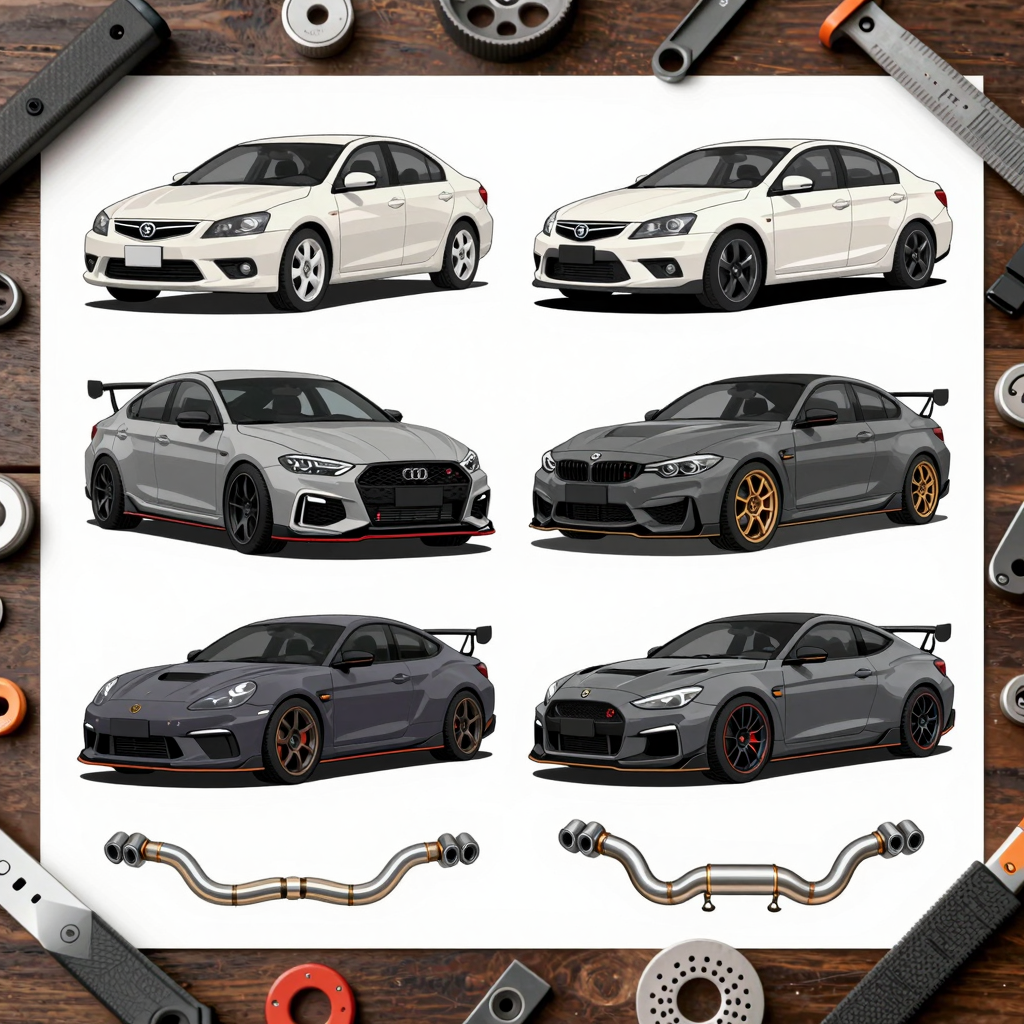
Car modification is a widespread hobby among enthusiasts and professionals alike, as it allows individuals to express their personal style and improve vehicle performance. Here are some of the most popular car modifications:
1. Body Kits
- Purpose: Enhances the car’s aerodynamics and gives it a more aggressive look.
- Description: Typically includes front bumpers, side skirts, rear bumpers, and spoilers.
2. Exhaust Systems
- Purpose: Improves exhaust flow and can increase engine performance.
- Description: Changes the factory exhaust system to a more free-flowing aftermarket option, often resulting in a deeper sound.
3. Wheel Upgrades
- Purpose: Enhances aesthetics and performance, especially in handling.
- Description: Upgrading to larger diameter wheels and performance tires can significantly improve a car’s grip on the road.
These modifications not only improve the driving experience but also contribute to a car’s unique identity. However, it’s essential to consider legal standards, especially in places where certain modifications may be illegal, like in India. For more insights on the topic, learn about the legality of car modifications in India.
Here is a visual representation of these popular modifications:
Community Perspectives on Car Modifications
The debate surrounding car modifications in India is not just about legality-it’s a passionate conversation among car enthusiasts, modifiers, and professionals who express their frustrations and aspirations for better regulation.
In a recent survey by the Automotive Research Association of India (ARAI), it was reported that over 65% of modified vehicles lack official approval, causing anxiety among modifiers who constantly face scrutiny from law enforcement. Enthusiasts feel that current regulations are outdated, punitive, and often inconsistently enforced, leading to a culture of fear. An interview with members of the Indian Car Enthusiasts Network highlighted their demands for a structured “modification permit” system similar to frameworks used in Japan and Germany, where modification permits encourage creativity while ensuring safety.
Additionally, community leaders advocate for a tiered classification of modifications into “minor” and “major” changes, which would delineate between safer cosmetic updates and more impactful alterations like engine tuning. This classification, as discussed in articles from The Hindu and India Today, could pave the way for a more balanced approach that recognizes the need for innovation while maintaining road safety.
The community also calls for better communication with regulatory bodies to ensure that enthusiasts and professionals can navigate the legal landscape without jeopardizing their passion or creativity. Clearer guidelines and collaborative policymaking could foster a healthier relationship between car modifiers and the law.

Expert Insights on Car Modification Laws in India
Car modification can be a thrilling extension of automotive passion, yet navigating the legal landscape in India is complex. Many hobbyists and professionals alike often find themselves perplexed by current laws and regulations governing modifications. As noted by automotive experts, the public still grapples with understanding which modifications are legal.
“While car modifications are gaining popularity in India, there remains a widespread misunderstanding among the public regarding what modifications are legal and which are not. The existing regulations, although somewhat outdated, still contain vital safety provisions that vehicle owners need to adhere to ensure both safety and legal compliance.”
- Automotive Expert, March 2026 (Source: LinkedIn).
In light of these insights, it’s essential for hobbyist car modifiers and professional tuners to be well-informed about local laws to safeguard their enthusiasm. For a deeper examination of legality and safety in modifications, check our article on car modifications and resale value. Additionally, understanding the risks involved with modifying financed vehicles is crucial for any enthusiast; for more details, visit modifying financed vehicles: risks and considerations.

Understanding the Legal Implications
It’s critical to approach car modifications with not only creativity but also caution, ensuring alignment with the law.
Conclusion on Future of Car Modification in India
In summary, the debate surrounding car modification in India has become increasingly dynamic, revealing a deep interest from automotive enthusiasts who seek to express their creativity and improve their vehicles. The current restrictive laws, particularly regarding aesthetic alterations and performance modifications, often stifle innovation and lead to miscommunication between regulators and car modifiers. As highlighted in recent reports, there is a growing call for constructing a more nuanced legal framework that balances safety and personal freedom ( India’s Car Modification Laws: A Growing Debate ).
Looking toward the future, significant advocacy efforts are likely to shape a more favorable landscape for car modifications. Legislation such as the proposed tiered system for modifications offered by the Ministry of Road Transport and Highways stands as a beacon of hope in creating a structured yet flexible legal environment for car modifiers. Through community efforts, like those seen in the demands for clearer guidelines and approval processes, enthusiasts can push for legislative changes that reflect the evolving nature of automotive culture. As auto clubs and groups like the Indian Automotive Enthusiasts Association lobby for change, the momentum is building for a revised set of regulations that could ultimately enhance both innovation and safety in the automotive industry.
Advocacy can take many forms:
- Engagement with policymakers: Building relationships with local and state government officials.
- Awareness campaigns: Utilizing social media platforms to educate the public and drive a shared understanding of modification benefits.
- Participation in policy discussions: Joining panels or workshops focused on vehicle regulations can give modifiers a voice in shaping future laws.
By uniting their efforts and championing realistic modifications, car enthusiasts in India can pave the way for a more vibrant and legally supportive environment for car customization.
Trends in Car Modifications and User Adoption in India
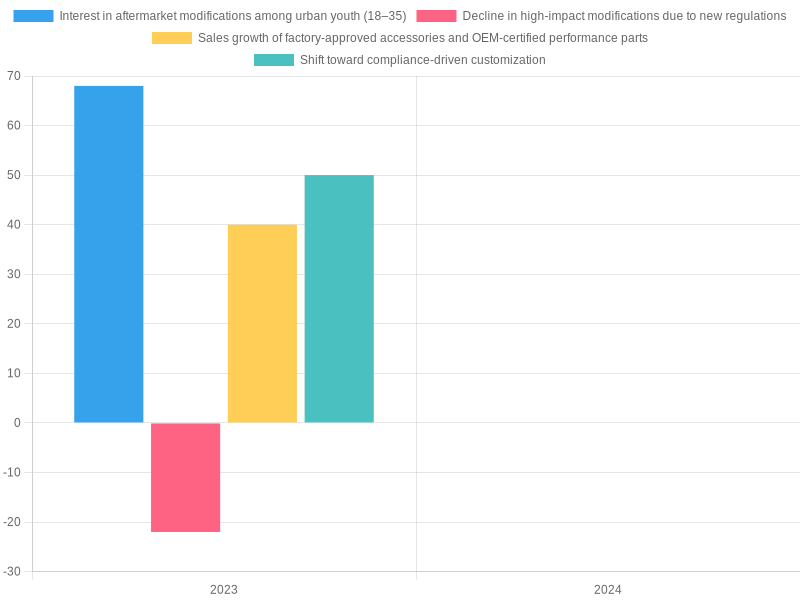
In recent years, car modifications in India have been influenced by various factors, particularly stringent legal regulations. The impact of these changes is noteworthy, especially among younger demographics. According to recent reports, 68% of urban youth aged 18-35 expressed a keen interest in aftermarket modifications, such as alloy wheels and LED lighting. However, the 2023 amendments to the Motor Vehicles Act, which imposed stricter rules regarding modifications, resulted in a significant 22% decline in high-impact modifications like engine tuning and loud exhaust systems.
As users adapt to the evolving legislative landscape, there has been a notable shift towards compliance-driven customizations. For instance, a 40% increase was reported in the sales of factory-approved accessories and OEM-certified parts. This shift signals a growing trend of consumers opting for legal-friendly modifications that enhance vehicle aesthetics and performance without violating regulations.
This visual representation illustrates these trends and user adoption rates:
Source: Automotive News India, Economic Times, and The Hindu BusinessLine.
To explore more about the financial implications of modifications, consider checking our article on car modifications and resale value. This proactive approach in modifying vehicles is aimed at preserving a vehicle’s value while complying with local laws.
In a landscape rife with legal constraints, understanding the balance between personal expression through modifications and adherence to laws is essential for hobbyists and professionals alike.