
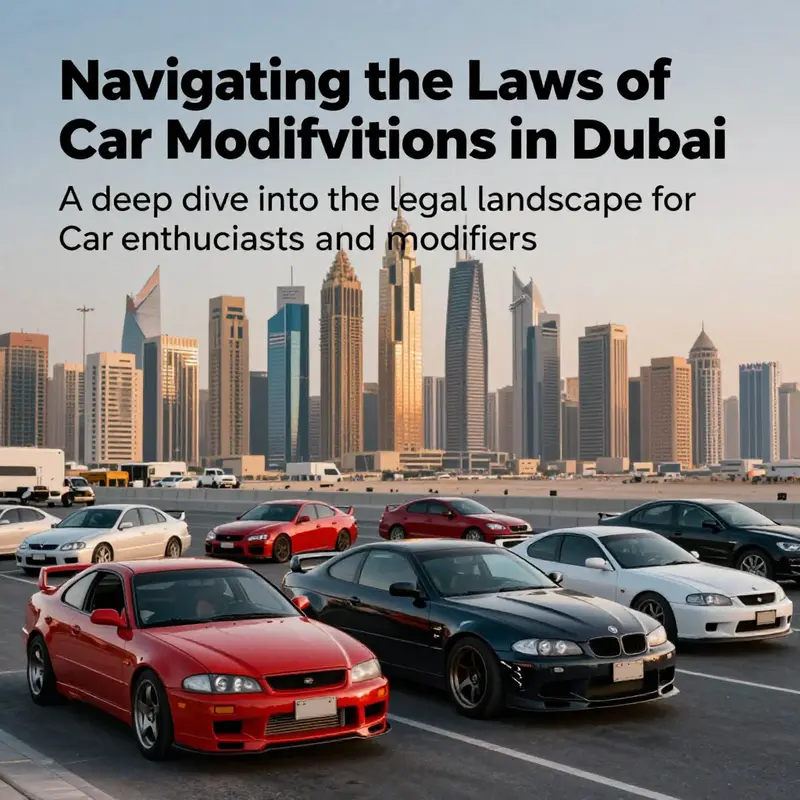
The allure of car modification in Dubai is undeniable, attracting hobbyists, tuners, and classic car enthusiasts alike. However, while the passion for enhancing a vehicle’s aesthetics and performance runs deep, it’s crucial to understand the legal framework governing these modifications. This article explores the intricacies of car modifications within Dubai’s regulatory landscape. From legal definitions and acceptable changes to safety implications, unauthorized modifications, and how to navigate the approval process with the Roads and Transport Authority (RTA), each chapter equips you with the knowledge needed to enjoy car modifications while staying within the law. Embrace your passion responsibly by understanding what is allowed and how to proceed legally.
The Fine Line Between Style and Compliance: Mastering Dubai’s Car Modification Rules
Dubai has long been a focal point for car culture in the region, where a desire for personal expression on four wheels often meets the practical realities of law and road safety. The city’s roads carry some of the world’s most diverse driving scenes, from sleek sport sedans to rugged city-prepped crossovers. Yet behind the aesthetics and the allure of customization lies a rigorous regulatory framework designed to preserve safety, reduce environmental impact, and keep traffic orderly. In this landscape, modification is not a free-for-all; it is a carefully navigated process where intent and impact matter as much as appearance. The overarching guardrails are set by the Roads and Transport Authority, commonly known as the RTA, and they shape every choice a vehicle owner makes about alteration, whether the change is purely cosmetic, performance-related, or structural. Understanding these guardrails is essential for anyone who wants to personalize a car in Dubai without courting penalties or voided warranties.
At the heart of the regulatory approach is a clear divide between what is permissible with proper oversight and what is prohibited outright. Minor aesthetic changes—things that do not affect safety, emissions, or the fundamental integrity of the vehicle—tend to fall within a grey zone that can still be navigated smoothly, but only with the right approvals. The RTA does not discourage customization; it emphasizes that any alteration must meet a defined standard of safety and compliance. This is not a rhetorical stance but a practical one backed by testing, documentation, and a formal approval process. The goal is to prevent modifications that could compromise braking performance, steering response, occupant protection, or the vehicle’s ability to meet emission norms. In a dense urban environment like Dubai, even small changes can have outsized consequences on road safety and regulatory compliance. The RTA’s position is that a car’s baseline safety and reliability should not be undermined by aftermarket upgrades that are not adequately vetted.
One of the most critical clarifications in the Dubai modification debate is the necessity for pre-approval. Modifications are not simply implemented and then validated by a post-hoc inspection. Owners are expected to seek approval from the RTA or from authorized centers before making certain changes. This pre-approval requirement acts as a filter to ensure the modification aligns with the vehicle’s original design limits and with the emirate’s safety and environmental standards. Without this step, even well-intentioned changes can become the source of penalties, impounding, or more severe consequences. The practical reality is that the approval process is designed to be thorough, but not obstructive. It provides a pathway for individuals who want to tailor their vehicles while maintaining a high level of safety and compliance.
The realm of what the RTA considers acceptable is grounded in specific technical standards. An approved modification is typically one that does not alter the vehicle’s fundamental dimensions in a way that worsens crash risk, does not reduce the effectiveness of safety systems such as airbags and seatbelts, and does not push the vehicle outside emissions thresholds. In practice, that means a range of changes remains possible, but within the boundaries of what is deemed non-intrusive and within the vehicle’s certified design envelope. The upshot is a carefully curated balance between personal expression and public safety. For example, alloy wheels or body refinements might be acceptable within size and design parameters, while other, more transformative changes—like engine modifications that could alter emissions or power output significantly—often require extensive documentation, testing, and scrutiny to prove they do not compromise safety or environmental standards.
A central component of the regulatory framework is the mandatory inspection process. Before a modified vehicle can be deemed roadworthy, it must undergo a rigorous inspection at an approved testing center. This inspection checks several critical areas: emissions levels, lighting systems, and structural integrity. The goal is to detect any deviation that might affect not just the performance of the car but the safety of occupants and other road users. The inspection acts as a practical checkpoint, bridging the gap between the theoretical compliance standards and the actual, real-world performance of a modified vehicle. If a modification fails to meet the criteria, the owner may be required to revert to compliant specifications or to implement changes that bring the vehicle back within approved limits. This structured approach helps ensure that the car modifications market remains anchored to objective safety metrics rather than subjective aesthetics.
It is important to distinguish between what is allowed with proper procedure and what remains categorically prohibited. Certain modifications are non-starters because they undermine core safety features or environmental norms. For instance, aftermarket exhaust systems that generate excessive noise or increase harmful emissions are generally restricted. The same applies to changes that would alter the vehicle’s original dimensions or diminish the effectiveness of safety systems like airbags and seatbelts. These prohibitions are not mere formalities; they reflect a broader commitment to ensuring that a vehicle on Dubai’s roads remains predictable, safe, and within the city’s noise and emission standards. The enforcement mechanisms behind these rules are increasingly sophisticated. The RTA employs advanced surveillance technologies, including AI-powered cameras and automated license plate recognition systems, to monitor and deter modifications that violate the law. This proactive stance supports not only enforcement but also public awareness campaigns that educate owners about what is and isn’t permissible, helping to reduce incidents of non-compliance.
Another dimension of the legal framework concerns window tinting, a common source of confusion for enthusiasts. In Dubai, tinting regulations are precise and non-negotiable. Front windshield tinting is restricted to a high visible light transmission threshold, historically around 70% VLT, to ensure that drivers maintain adequate visibility in all lighting conditions. Side and rear windows may permit darker tints, but not to the extent that they impede the driver’s ability to see clearly or impede the car’s identification by law enforcement. The enforcement of tinting rules is reinforced by random roadside checks and automated systems, which continuously monitor compliance. The practical implication for anyone considering tinting is that decisions must be guided by the letter of the law rather than personal preference. A tinting choice that seems minor can become a legal issue if it crosses the prescribed thresholds.
Perhaps the most important takeaway for vehicle owners is that the modification process in Dubai is not a one-size-fits-all activity. It involves a series of deliberate steps: identifying the modification, verifying compatibility with the car’s safety and emissions profile, seeking pre-approval from the RTA or an authorized center, and undergoing the mandatory inspection before the vehicle is allowed back on the road. Performance enhancements, such as engine tuning or turbocharging, live in a particularly sensitive portion of this process. They typically require extensive documentation, testing, and a stringent demonstration that the changes do not compromise safety or emissions standards. This is not a barrier to improvement but a safeguard that ensures performance upgrades do not translate into risks for the vehicle, its occupants, or other road users.
Insurance considerations add another layer of complexity. Modifications can influence insurability and premium calculations, particularly if the changes are not properly declared or documented. Insurance providers want to understand how a vehicle’s risk profile changes when non-standard parts are installed or when performance is altered. This means obtaining and retaining documentation from RTA-approved centers and maintaining a clear record of any approved deviations from factory specifications. In many cases, failing to disclose modifications or attempting to proceed without proper documentation can invalidate coverage or complicate claims. For car owners who want to preserve both their ability to drive legally and their insurance protection, a careful, transparent approach to modification is essential.
To those navigating this landscape, the practical advice is straightforward: start with the official road map. Consult the RTA’s official resources to understand the exact requirements for the modifications you have in mind. Engage with authorized service centers that are familiar with the Dubai modification process and can provide the necessary documentation and pre-approval services. Keep a meticulous record of every stage of the modification—design specifications, approvals, testing results, and aftercare maintenance. This diligence pays dividends in avoiding penalties and in maintaining a vehicle that remains fully compliant and safe on Dubai’s roads. For broader perspectives and experiential insights, there are discussions and guides that explore the nuances of car modifications in various contexts—though not all sources align with Dubai’s regulatory framework. As an example, you can explore perspectives on whether certain modifications are illegal and what that means for ownership and responsibility in different jurisdictions through discussions like Are car modifications illegal?.
The implications of Dubai’s regulatory stance extend beyond mere legality. They shape the way enthusiasts plan upgrades, the way shops structure their offerings, and the way insurers assess risk. They encourage a culture of responsible customization—one that values not only aesthetics and performance but also the integrity of the vehicle’s safety systems and the comfort of other road users. For a resident who wants to maintain the dream of a personalized car while staying within legal boundaries, the path is clear: pursue approved, well-documented modifications, embrace the mandatory inspections, and respect the boundaries that ensure Dubai’s roads remain safe and orderly for everyone.
Ultimately, the Dubai experience with car modifications is a reminder that style and safety are not at odds but are complementary facets of responsible ownership. The rules may appear intricate, but they exist to protect lives and to ensure that innovation in vehicle customization does not outpace the capacity of regulators, insurers, and law enforcement to manage risk. For anyone who loves to tailor a vehicle’s look or feel, Dubai offers a framework that recognizes the value of personal expression while steadfastly prioritizing road safety and environmental stewardship. By approaching modification with preparation, transparency, and respect for the regulatory process, drivers can enjoy the benefits of personalization without compromising compliance. Those who want a reliable, up-to-date map of the requirements should rely on official guidance from the RTA, and when in doubt, err on the side of caution rather than speed through a potentially costly misstep. For ongoing details and the latest criteria, the official RTA portal remains the definitive resource to anchor any modification plan in Dubai’s legal reality. External resource: https://www.rta.ae
Style Within the Line: Navigating Dubai’s Legal Terrain for Car Modifications
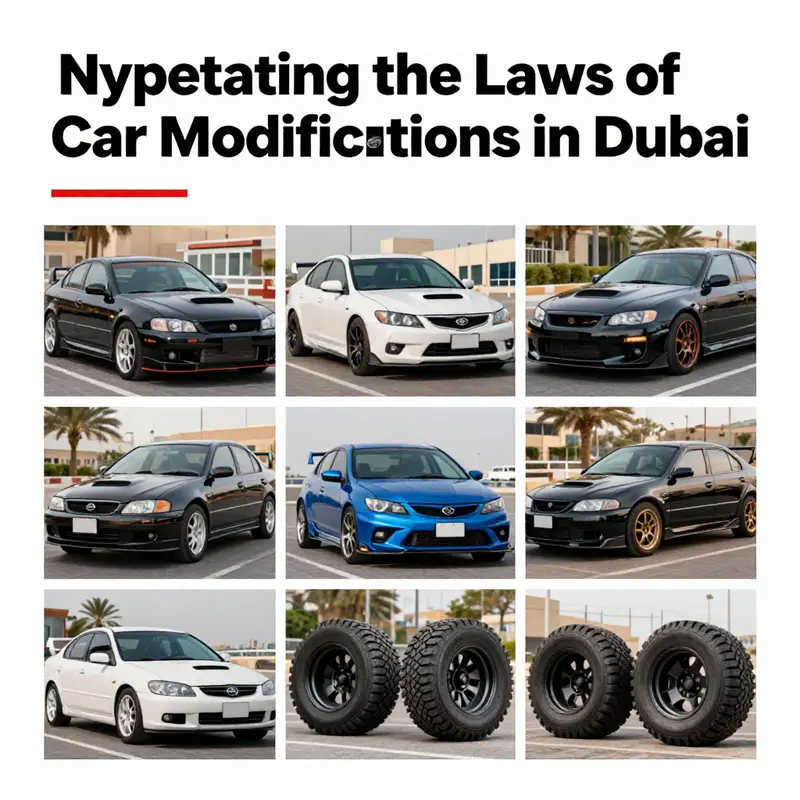
Dubai has long celebrated a car culture that blends luxury, performance, and visual drama with the city’s futuristic skyline. Yet behind the gleaming exteriors and high-octane dreams lies a rigorous regulatory framework designed to protect road safety, curb environmental impact, and maintain orderly traffic. For anyone eyeing a modification project, the question is not only what looks good or feels faster, but what remains within the accepted boundaries of law and practice. The balance in Dubai is less about stifling creativity and more about ensuring that any alteration, from a subtle cosmetic touch to a performance upgrade, does not compromise the safety of the driver, passengers, or other road users. In this environment, legality is not a matter of personal preference but of documentation, approval, and adherence to rules set by the Roads and Transport Authority (RTA) and other competent authorities. A modification is legal in Dubai only when it aligns with these authorities’ criteria and passes the scrutiny of authorized centers before it ever touches the road. The result is a landscape where some changes are encouraged for safety or efficiency, while others are prohibited for sound safety, environmental, or aesthetic reasons. Understanding where the line lies helps a driver plan responsibly, avoid penalties, and preserve the value and reliability of their vehicle.
The framework begins with a straightforward premise: the vehicle must remain safe, compliant with emission standards, and physically unaltered in ways that undermine structural integrity or roadworthiness. In practice, this means that the RTA permits a spectrum of modifications, provided they do not escalate risk or violate statutory limits. For instance, performance-oriented upgrades can be acceptable when they are carefully curated to avoid pushing beyond the vehicle’s design and regulatory thresholds. Engine tuning, upgraded exhaust systems, and performance parts are not inherently banned; they are permissible if they stay within emissions limits and adhere to noise regulations. This careful positioning allows enthusiasts to pursue measurable gains in power or responsiveness without casting the vehicle into an unmanageable liability on busy Dubai highways. The emphasis on emissions and noise is not incidental. Dubai’s authorities consistently stress that any modification that could worsen air quality or generate excessive noise is not allowed. Consequently, a high-flow air filter, if paired with proper calibration and compliant exhaust hardware, might be approved, but a similarly tuned setup that drives emissions above legal limits or creates unacceptable noise will be rejected.
Safety remains the core lens through which modifications are evaluated. Advanced driver-assistance systems (ADAS), enhanced braking components, and safety-rated seatbelts are celebrated as enhancements that bolster on-road safety and align with the city’s broader vision of responsible mobility. In practice, this means upgrades that improve reaction times, braking performance, or occupant protection are welcomed when they are compatible with the vehicle’s architecture and do not impair existing safety systems. By contrast, any alteration that could compromise crashworthiness, braking balance, or airbag deployment is treated with extreme caution. The blanket goal is to preserve the vehicle’s fundamental safety characteristics while allowing improvements that bolster performance without increasing risk to others on the road.
Aesthetic changes in Dubai are approached with a measured pragmatism. The occasional custom paint job or interior upgrade is permissible when it does not distort the vehicle’s lines in a way that could mislead other road users or obscure essential safety features. Window tinting is one of the most scrutinized cosmetic categories. The legal limits on tint vary by jurisdictional details and enforcement practice, but the overarching rule is clear: tint must be within specified darkness thresholds. The intent is to balance privacy and comfort with visibility and night-time safety, ensuring that drivers retain adequate sightlines and that law enforcement can still perform routine checks. In many contexts, front-side windows may be allowed up to a certain percentage of visible light transmission (VLT), with rear windows regulated more strictly. In practice, Dubai’s environment and regulatory stance have included ranges that commonly fall around the mid-30s for front windows and tighter restrictions for rear windows, though exact limits are subject to change and official guidance.
For those who crave new content inside the cabin, interior upgrades such as premium audio systems or climate-control enhancements are generally permissible as long as they do not interfere with the driver’s visibility, airbags, or other safety systems. The philosophy here mirrors the broader safety-first approach: if an upgrade contributes to comfort or enjoyment without compromising safety, it is more likely to pass muster. The same careful attention applies to components like seat upholstery, trim, or infotainment installations; the key is ensuring that all elements remain securely installed, do not obstruct controls, and maintain the overall integrity of the vehicle’s interior environment.
If the above describes a nuanced, at times permissive, framework, the other side of the coin is equally explicit. Several types of modifications are categorically illegal on public roads in Dubai. Excessive exhaust noise is a common sticking point; vehicles that emit noise beyond the permitted limit can face penalties, including fines or even impoundment. The emphasis on noise ties into broader environmental and quality-of-life objectives, a reflection of Dubai’s modern urban policy priorities. Beyond noise, unauthorized body kits or aerodynamic components that significantly alter the vehicle’s shape or profile without RTA approval are prohibited. This rule protects not only the vehicle’s structural integrity and aerodynamics but also ensures that aesthetic changes do not lead to unsafe vehicle dynamics or misidentification on the road.
Tinting that surpasses legal thresholds—whether it’s darker than allowed on front windows or rear windows—falls under the banned category. High-intensity lighting, such as flashing LEDs or underglow with patterns reminiscent of emergency or police vehicles, is not allowed in most configurations. The public-road use of lighting that could confuse or distract other drivers is a safety concern the authorities intend to minimize. Then there are more technical boundaries: removing or tampering with emission-control devices, including catalytic converters, is strictly illegal and subject to heavy penalties, reflecting an uncompromising stance on air-quality and environmental stewardship. Finally, vehicles designed strictly for racing or track use, when operated on public roads, are not permitted in a way that compromises road safety for everyday traffic.
This regulatory mosaic is not merely a set of prohibitions; it is a map for responsible modification. The path to legality typically begins with pre-approval. Any modification that could affect safety, emissions, or the vehicle’s structure should be reviewed by the RTA or an authorized inspection center before it is installed. The approval process helps ensure that modifications are compatible with the vehicle’s design, do not undermine the integrity of safety systems, and conform to the current regulatory framework. Without this step, the risk is not only non-compliance but also potential complications when renewing registration or insurance, or even when selling the vehicle later on. The practical implication is simple: if you plan a modification, plan the paperwork first.
Documentation plays a central role in maintaining legal status. Keep all receipts, installation records, part specifications, and any correspondence with approval centers. If a modification is not properly documented, it can invalidate insurance coverage or complicate future title transfers. The insurance dimension is particularly important. Insurers may require disclosures of modifications and can adjust premiums or coverage terms if a change is significant or non-declared. This is not merely about avoiding penalties; it is about preserving financial protection in the event of a claim. For drivers contemplating a modification, a proactive approach to insurance is as critical as the approval process itself. When considering a change, it is wise to consult both the inspection center and the insurer to confirm how the modification will be treated under the policy.
In practice, the Dubai framework blends opportunity with obligation. Enthusiasts who work within the system can realize practical gains—improved safety features, better performance within safe limits, and tasteful aesthetics that remain road-legal. Those who ignore the process or push beyond the limits invite real risks: fines, vehicle seizure, or even a ban from driving. The consequence is not merely a temporary concern; it can affect the vehicle’s registration, insurance, and resale value. Owners who choose to pursue modifications should approach the process as a collaborative effort with the regulatory system, a partnership built on transparency, documentation, and compliance.
For readers seeking a reliable, authoritative blueprint, the RTA’s vehicle modification guidelines serve as the definitive reference. It is essential to consult official sources and to engage with certified centers that understand the evolving regulatory landscape. While much of the discussion around legality centers on what is allowed, the broader takeaway is clear: modifications in Dubai are feasible, but they must be planned with an eye toward safety, environmental responsibility, and ongoing compliance. The goal is to enjoy the enhancements you seek without undermining the very foundations that make Dubai’s roads among the safest and most efficiently administered in the region. The practical path forward is straightforward: decide what you want to improve, verify that it aligns with regulations, secure formal approval, document every change, and maintain the vehicle in a condition that upholds safety and reliability on the road.
If you want a concise, practical lens on one crucial aspect of modification—insurance—you can explore how modifications may affect coverage by reading this article on what modifications affect car insurance. See: what-modifications-affect-car-insurance.
For authoritative legal guidance and up-to-date requirements, consult the RTA’s official Vehicle Modification Guidelines. These resources provide the most current directives and help ensure that your project stays on the right side of the law while you pursue the performance and aesthetics you desire. The guiding principle remains simple: modification should enhance your experience without compromising safety, legality, or the community’s trust behind the wheel.
External resource: https://www.rta.ae/en/vehicle-and-driver-services/vehicle-modifications
Personalization Under Regulation: Navigating Safety, Emissions, and Dubai’s Car Modification Rules
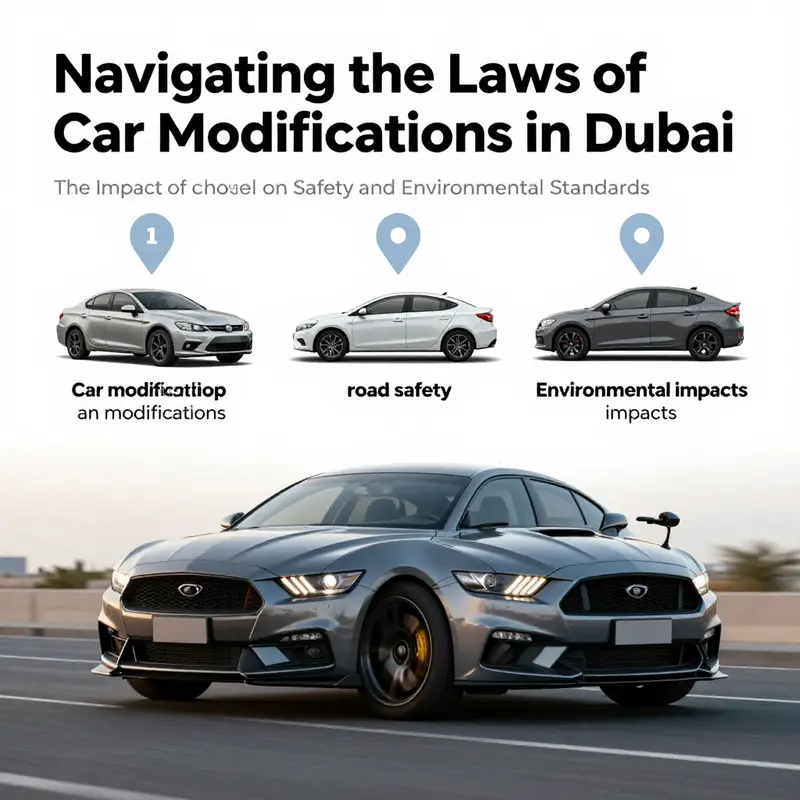
In Dubai, personalizing a car exists within a regulatory framework that prioritizes safety, emissions, and ease of road use. The Roads and Transport Authority (RTA) and other authorities regulate vehicle modifications to protect drivers, pedestrians, and the environment. Modifications are typically allowed only if they stay within safety and legal limits and are approved in advance. If a change could affect braking, steering, suspension, visibility, or emissions, it is unlikely to be permitted. Many popular upgrades are only allowed when they are factory-approved or certified and installed by authorized workshops.
To stay within the law, drivers should plan, seek pre-approval from the RTA or an authorized center, request written permission, and keep documentation for inspections and renewals. Unauthorized modifications can invalidate insurance, void warranties, and may incur penalties or vehicle impoundment.
Examples of permissible changes are limited cosmetic upgrades that do not alter critical systems and factory-approved accessories. Prominent restrictions include window tint limits, exhaust noise levels, lighting, and any modification that increases pollutant output or reduces safety margins. Always verify the latest official guidelines, because rules can change with new regulations or environmental targets.
For those pursuing customization, the recommended approach is to work with certified workshops, document all changes, and ensure the vehicle remains compliant at renewal or when undergoing inspections. This disciplined approach preserves resale value and reduces the risk of penalties while still allowing a degree of personal expression within the law.
For direct guidance, consult the official Dubai Transport vehicle modifications guidelines and related regulatory resources, which outline the approval process, scope of permissible changes, and documentation required for insurance and registration.
The Fine Print on Dubai’s Modifications: Fines, Confiscation, and the Road Back to Compliance
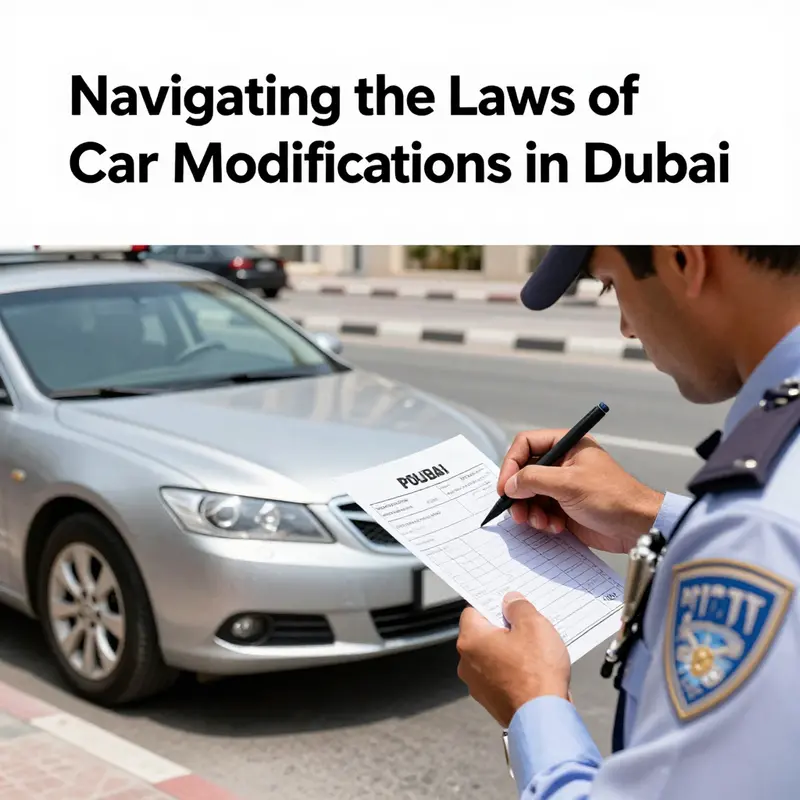
Dubai’s streets gleam with a sense of ambition and speed, a place where car culture can feel voguish and aspirational. Yet beneath the shine lies a non negotiable framework built to keep vehicles safe, predictable, and environmentally responsible. In Dubai, modifications are not entirely off limits, but they are tightly regulated. The rules come from a mix of the Roads and Transport Authority (RTA) and the Dubai Police, with each modification measured against safety, emissions, and structural integrity. The idea is straightforward: what you change should not undermine the car’s ability to stop, steer, or bear load safely; it should not ease or magnify pollution; and it should remain within the boundaries of what the authorities deem compliant. For a reader navigating this terrain, the critical question often reduces to one syllable: legality.
From the outset, it helps to distinguish between two broad categories of modifications. The first is cosmetic or factory approved: modifications that do not alter the vehicle’s fundamental performance or safety profile. These are the kinds of changes that may be allowed after official review, such as certain interior trims, approved accessories, or color or trim kits that are explicitly sanctioned by the manufacturer or by the marking of a recognized center. The second category comprises alterations that could affect safety, emissions, or the vehicle’s structural integrity. It is here that the line becomes explicit and non negotiable. The list of disallowed adjustments is not merely advisory; it is a set of red lines that state authorities enforce without hesitation.
Among the most common examples that test this boundary are oversized wheels, a lowering or lifting of the suspension beyond specified limits, and exhaust systems that are louder than permitted. Each of these can alter how the vehicle handles, how quickly it accelerates, and how far it disperses exhaust pollutants. The same rationales apply to window tinting. Tinting the front and side windows beyond the legal limit is illegal, and the typical standard in this jurisdiction is a visible light transmission level that commonly sits around 30 percent for the front and side windows. In practice, this means if you want a darker cabin, you must follow the permitted range and obtain the necessary approvals rather than simply applying a shade you prefer. The underlying logic is not anti style; it is about ensuring that vehicle operators maintain a clear field of view, that occupants are protected, and that the car remains visible to other road users, particularly in low light or adverse weather.
Another often misunderstood area concerns performance enhancements. Upgrades that improve horsepower, torque, or braking performance can still be legal, but only if they are executed within preset limits and with documentation. What matters is the chain of authorization: any modification that has the potential to affect safety or emissions must be reviewed in advance and approved by the RTA or by an authorized center. The onus is on the owner to demonstrate that the change is compliant and to carry the necessary paperwork. Without that approval, any modification is in the realm of illicit, even if it technically sits within a narrow interpretation of what some observers might deem acceptable.
The enforcement landscape in Dubai has a distinct emphasis on safety and public order. Vehicle owners should anticipate inspections at various points in the vehicle’s lifecycle, including registration checks and periodic reviews. The Dubai Police Department is explicit in stressing that illegal modifications do not simply threaten the safety of the vehicle but also bring legal consequences that can cascade through a driver’s life. The typical penalties begin with fines that scale with the severity of the modification. While the precise amounts vary, the spectrum often runs from thousands to tens of thousands of dirhams. There is a practical pattern: minor infractions may incur modest penalties, but more intrusive changes that compromise safety, emissions, or roadworthiness carry heftier fines.
A second major consequence—the confiscation of the vehicle—serves as a tangible incentive to obtain proper authorization. If a vehicle is not up to legal standards, it may be impounded until it passes the official inspections and demonstrates compliance. The idea is to halt the vehicle’s use on the road until it is brought into alignment with the required standards. This is not merely a temporary inconvenience; it can disrupt daily life, commuter schedules, and business operations that depend on motor transport. While impoundment is an undesirable outcome, it is a consistent tool used by authorities to deter non compliance and to preserve the integrity of the road network.
Beyond fines and impoundment, Dubai’s enforcement framework recognizes the seriousness of repeated violations. Recurrent offenders may face license revocation or more severe criminal penalties. The logic behind this is clear: the repeated failure to comply signals a disregard for the safety of others, a disregard for public order, and a risk to emergency services and roadside responders who must cope with higher probabilities of crash scenarios triggered by unsafe modifications. This is why the system emphasizes not only a one time corrective action but a durable commitment to bring the vehicle into proper standing and to sustain that compliance over time.
The insurance angle is another critical element that often does not receive the attention it deserves. Modifying a car without the proper documentation can invalidate coverage or complicate claims. Insurance contracts in this region, like many others, rely on a clear boundary between what the vehicle was designed to do and what it has been altered to do. When those boundaries are crossed without disclosure and approval, the insurer may deny a claim or require a higher premium in the future. This is not merely a theoretical risk; it is a practical consequence that can leave owners financially exposed after an accident or theft. In short, the penalties are not limited to fines and seizures; the ripple effects can touch the very heart of owning a car in Dubai.
For readers seeking the most authoritative guidance, the official RTA portal and the Dubai Police Department’s information pages remain the indispensable resources. They provide the latest rules, the current fee structures, and the concrete steps required to obtain approval for any modification. The landscape is dynamic; new guidelines can appear as technology evolves, as environmental standards tighten, or as enforcement practices adjust to traffic patterns. It is not enough to rely on second hand summaries or old notes. The safest course is to verify at the source and to secure official endorsements before any work begins.
In the practical terms of everyday ownership, the process should begin with a clear plan. If a modification is cosmetic and remains within the range of what is allowed with documentation, then approaching an RTA approved center or a recognized dealer can be the path to compliance. The responsible route is to document each step, maintain receipts, and ensure that an inspection, when required, is scheduled and passed. This approach does more than avoid penalties; it protects the owner against the uncertainties of insurance coverage and the unpredictability of enforcement actions.
There is also a data point that owners frequently overlook: modifications connected to financing. If a car is financed or leased, the terms of the agreement may impose additional restrictions on modifications. It is not enough to assume that a loan or lease shields a vehicle from scrutiny. Lenders and leasing companies often require that alterations be disclosed and that any modifications be reversible or approved. Violating these terms can lead to penalties from the financier, including accelerated repayment demands or repossession in extreme cases. The interplay between financial agreements and legal compliance adds another layer of complexity that demands careful attention.
For those who feel tempted by a dramatic change, it is worth reflecting on the broader consequences beyond the immediate legal risk. Aesthetic changes that seem trivial at the moment can cascade into operational challenges. A vehicle that is not compliant may fail safety inspections, limit its resale value, and complicate imports or registrations if the car is moved across borders. The cumulative effect is not merely the sum of fines; it is a potential erosion of mobility and a dent in long term ownership satisfaction. From a consumer’s perspective, the rational path is to align modifications with recognized standards, prioritizing safety, reliability, and legitimacy.
To connect this discussion to the wider literature on car modifications, many guides emphasize the importance of legality in the modification journey. They warn that the allure of a unique appearance or enhanced performance must be balanced with a thorough understanding of jurisdictional rules. The Dubai context underscores this balance with a clear message: legality is not a barrier to personal expression but a framework that preserves safety, accountability, and the shared space of the road. When in doubt, the safest choice is to err on the side of compliance, proceed with official approval, and maintain complete documentation that can be presented at any checkpoint.
For readers seeking further exploration of the topic, there are numerous resources that discuss the broader implications of modifying vehicles, including how modifications influence resale value and insurance considerations. In particular, discussions of illegal car modifications and their consequences offer a cautionary perspective that resonates with the Dubai experience. See the resource at illegal-car-modifications for additional context and examples that illustrate the kinds of changes typically deemed unacceptable and the reasons the authorities insist on approvals.
In sum, the consequences of illegal car modifications in Dubai are not abstract penalties tucked away in a statute book. They are real world outcomes that affect finances, freedom of movement, and the security of insurance coverage. The path to staying on the right side of the law is straightforward: plan modifications carefully, obtain advance approvals, keep proper documentation, and comply with the safety and emissions standards that govern the road. The RTA and Dubai Police stand as the guardians of this regime, ensuring that the city remains not only stylish but also safer and more predictable for everyone who shares the roads. The effort to stay compliant pays dividends in peace of mind and in the preservation of a vehicle that can be enjoyed without the specter of fines, impoundment, or license jeopardy.
External resources and official guidance can offer the essential clarity needed to navigate this landscape. For official guidelines, see Dubai Police Department Official Website: https://www.dubaipolice.gov.ae
RTA Roadmap to Legal Car Modifications in Dubai: A Practical Guide
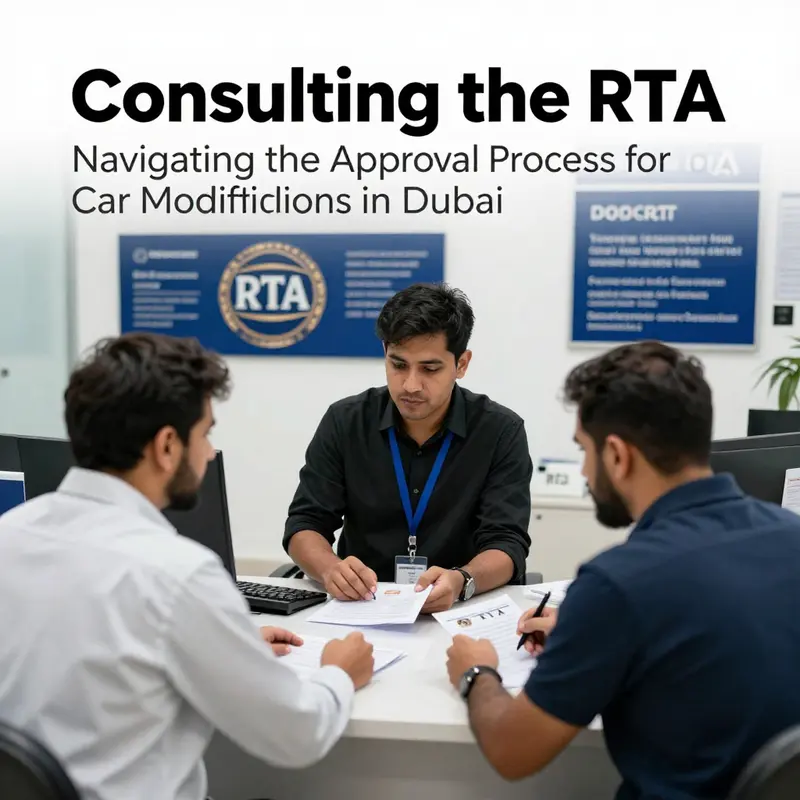
Dubai’s streets fuse speed, aspiration, and a distinctive sense of style with a rigorous framework designed to keep roads safe and predictable for everyone. The core question—whether car modification is legal in Dubai—has a straightforward answer in principle: modifications are allowed only if they pass the Roads and Transport Authority (RTA) criteria and never compromise safety, emissions controls, or the vehicle’s structural integrity. This is not a permissive free-for-all but a carefully calibrated system that recognizes personal expression while prioritizing public safety. When you consider modifications, you are not simply choosing a look or a sound; you are entering a regulatory process that rewards forethought, documentation, and a willingness to align with official standards. In this sense, Dubai’s approach to modification is less about policing individuality and more about ensuring that every enhancement remains compatible with the city’s driving environment, its climate, and its roadmap toward sustainable transport.
The RTA’s role in this landscape is both gatekeeping and governance. It sets the boundaries, provides the framework, and administers checks that translate a car owner’s ideas into something legally drivable. The process centers on three pillars: safety, environmental compliance, and adherence to local rules that govern visibility, noise, and vehicle appearance. Modifications that alter a vehicle’s suspension, exhaust, wheel dimensions, or bodywork can, at times, cross these boundaries. Even changes that may seem purely cosmetic, such as tinting or external trim, are measured against explicit standards to ensure they do not impede functionality, driver visibility, or pedestrian safety. The aim is to preserve a baseline of roadworthiness while allowing for personalization within that boundary. For readers seeking a concise procedural map, the path is rarely mysterious but it is precise. The journey begins with an application, travels through an evaluation, and concludes with a documented conformity if approved. If approval is denied, the owner is advised on the reasons and the possible avenues for revision—an important aspect of the system’s transparency and efficiency.
To navigate this landscape effectively, one must understand the Approval Process Overview and the conditions under which the RTA operates. The process starts with an Application Submission. This step is typically completed through the RTA’s official website or through authorized service centers. The application is not a casual request; it requires a detailed technical package. The applicant must provide diagrams, photos, and manufacturer documentation that illustrate the proposed modifications. The emphasis on documentation is deliberate: the RTA wants to see that any change preserves the vehicle’s safety margins, does not impair braking or handling, and does not create new risks for occupants or other road users. The level of detail demanded at this stage discourages ad hoc alterations and ensures consistency across different vehicles and modification types. In practice, this means that a modification project begins well before any physical work occurs. It begins with a thorough design review that anticipates how a change will integrate with the vehicle’s original engineering and the certification standards.
The Evaluation Criteria that follow are equally explicit. The RTA assesses potential impacts on several critical dimensions: safety, emissions, noise, and visibility. A modification that pushes the envelope on performance at the expense of braking stability or steering feel may be rejected, even if the change would pass muster in another jurisdiction. Similarly, modifications that escalate noise beyond legal limits can be blocked, as the system explicitly guards against noise pollution and the broader quality-of-life concerns it creates. Tinting, often a flashpoint for disputes in many regions, is measured against visibility standards. Excessively dark window films can be refused if they impair the driver’s ability to see pedestrians, cyclists, or other vehicles, particularly in adverse conditions. The evaluation is not a yes/no dichotomy; it is a risk assessment that weighs the potential benefits of a modification against its potential hazards and societal costs. The outcome is then recorded in the vehicle’s digital history, a traceable record that makes subsequent inspections and future modifications more predictable for both owners and authorities.
Documentation is a critical piece of the puzzle. When a modification earns approval, the applicant receives a certificate of conformity that attests to compliance with RTA regulations. This certificate is more than a ceremonial document; it is a transferable record that accompanies the vehicle through its lifecycle, informing insurers, inspectors, and future owners of the vehicle’s officially sanctioned configuration. The digital record also facilitates smoother owner transitions, as new registrars can review the modification history without needing to rely on memory or guesswork. The documentation requirement serves a dual purpose: it encourages meticulous planning on the front end and provides accountability on the back end. A modification is not merely a momentary change in appearance or performance; it becomes part of the vehicle’s regulatory identity.
The system also recognizes that owners may seek guidance before committing to a course of action. The Pre-Approval Consultation Service is an important resource. Available through the online portal, it gives applicants a chance to obtain early feedback on proposed changes. This proactive approach helps prevent costly rework and delays. Think of it as a design review for roadworthiness, one that saves time and curtails surprises during the formal submission. The conversation with the RTA through this channel is intended to clarify whether a plan is likely to meet the stringent criteria before any parts are purchased or installed. It is a practical step that aligns ambition with feasibility, ensuring that personalization does not become a costly lesson in post-pact compliance.
Dubai motorists who plan to modify their vehicles frequently start with a careful inventory of what is permissible and what falls outside the guardrails. The most common “no-go” categories include oversized wheels that jeopardize braking geometry, suspension alterations that affect ride height and dynamics, and exhaust systems that exceed permissible noise levels. These categories reflect the essential tension in car modification: the desire to tailor a vehicle against the imperative to maintain predictable, safe behavior on public roads. The RTA’s approved list of aftermarket parts and accessories provides a practical compass for buyers and installers. By consulting this list, owners can identify parts that are already certified for compatibility and compliance, reducing the risk of rejection during the approval process.
Within this framework, the journey toward a legally modified car in Dubai is not merely about choosing standout components. It is about aligning a personal vision with verified specifications, documented testing, and formal authorization. The process is designed to be navigable, but it requires discipline and respect for regulatory boundaries. The importance of documentation cannot be overstated. Even when a modification is technically feasible and aesthetically appealing, failure to secure RTA approval or to maintain accurate records can invalidate insurance coverage and complicate registration. This is a crucial point for anyone who values continuity of coverage and the ability to drive without disruption. Insurance, in particular, is closely tied to the vehicle’s regulated state. An unapproved modification can trigger denial of coverage, or at minimum, substantial premium adjustments once coverage is reviewed. The message is clear: legality and insurance are inextricably linked in this environment, and proactive compliance is the safer, more economical path.
For readers who want a concise summary of the practical steps, a simple, repeatable workflow exists: prepare precise technical specifications and manufacturer documentation, submit the application through the official channel or an authorized center, await the RTA’s evaluation, and address any required changes with the help of the pre-approval consultation if needed. After approval, retain the certificate of conformity and ensure the modification is reflected in the vehicle’s digital record. Periodic checks and re-inspections may be required over the vehicle’s lifetime to confirm ongoing compliance. While this blueprint may seem meticulous, it is designed to minimize missteps and to accelerate a vehicle’s return to road-ready status, with the added assurance that it will remain legally operable on Dubai’s streets.
In this context, the role of the reader’s next steps is practical and specific. If you are contemplating a modification, begin with a clear concept of what you want to change and why. Gather diagrams and manufacturer data early. Engage a service center that is familiar with RTA requirements and can help assemble the documentation package. Use the pre-approval service to test ideas before committing to purchases. When you are ready, submit the package with a well-organized dossier that demonstrates how the modification preserves safety margins and aligns with emission standards. Throughout this process, keep in mind that the goal is not simply to achieve a particular look or performance metric, but to secure a legally compliant pathway that preserves road safety and insurance validity while allowing for personal expression. For a broader, practitioner-friendly overview of the modification landscape, you may also explore resources such as the car-modifications-guide linked here: car-modifications-guide.
Finally, for readers seeking official guidance, the most authoritative resource remains the regulatory authority itself. The RTA’s vehicle modifications page is the definitive reference point for rules, requirements, and updated standards. It encapsulates the framework described here and provides the current, official criteria against which any modification will be judged. Engaging with that resource directly helps ensure that plans stay aligned with the latest policies and that any changes to procedure or limits are incorporated into the project from the outset. External resources of this nature reinforce the backbone of legal compliance and serve as a stable anchor as the car-modification landscape evolves in Dubai.
External resource: For official guidance and up-to-date standards, consult the RTA’s vehicle modifications page at https://www.rta.ae/en/vehicles/vehicle-modifications.aspx.
Final thoughts
Understanding the legal landscape surrounding car modifications in Dubai is vital for any vehicle enthusiast. By adhering to the regulations set forth by the RTA, car modifiers can not only enhance their vehicles but also ensure their actions are lawful, safe, and environmentally compliant. Engaging in this pursuit with respect for the laws protects both the individual and the broader community, allowing the passion for car modifications to flourish responsibly. As the car culture continues to grow in Dubai, so too will the importance of navigating these regulations, ensuring a vibrant and lawful automotive scene for all.