
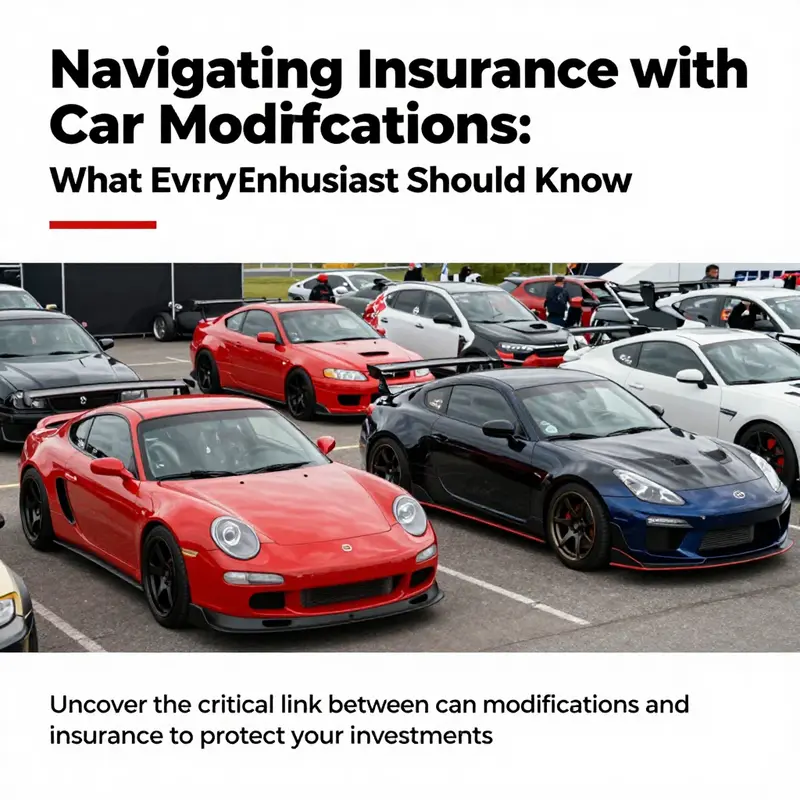
For car enthusiasts, the thrill of modification isn’t just about aesthetics or performance—it’s about expressing individuality and pushing the limits of engineering. However, while these upgrades can enhance your car’s appeal and capabilities, they come with significant implications for your insurance coverage and premiums. Understanding the intricate relationship between car modifications and insurance is crucial for hobbyists, professional tuners, and classic car restorers alike. In this guide, we will explore the essential aspects of insurance notification requirements, how modifications affect premiums, the types of modifications to consider, the importance of additional equipment insurance, and the legal compliance necessary for modified cars. By the end, you will be well-equipped to navigate the complexities of insurance with confidence.
null
null
Premiums and Pitfalls: Navigating Insurance After Modifying Your Car
Modifying a car is often a labor of love, a careful balance between performance, aesthetics, and practicality. Yet every change you make shifts more than the look or the drive; it shifts the risk landscape that your insurer evaluates. A policy that felt straightforward after you bought the car suddenly requires new scrutiny the moment you bolt on a performance exhaust, install a turbo kit, or swap in racing seats. The shift is not just about what you gain on the road but about how the insurer weighs the likelihood of a claim, how quickly a claim might be paid, and what kind of coverage remains available if something goes wrong. This is why the topic of modifications and insurance demands clear, proactive attention rather than reactive fixes after an incident. The path through this terrain starts with two simple, essential steps: timely disclosure and formal policy changes. You must notify your insurer in writing within a defined window after making a modification, and you should request a policy endorsement to reflect the alteration. Without this formal update, your claim could be denied because the insurer relied on the original risk assessment. And beyond mere notification lies the crucial practice of documenting every modification, from the major mechanical changes to the accessories that seem almost incidental. The reality is that a modification is not a one-size-fits-all tweak; it represents a revaluation of risk, and that revaluation comes with cost implications and the possibility of limited or denied coverage if the change undermines safety or legality. This is particularly important given that some modifications can transform a vehicle’s safety profile or reliability in ways that standard policies were never designed to accommodate. The practical takeaway is to treat every alteration as a potential policy endorsement and to approach the process with open, precise communication with the insurer.
From the insurer’s point of view, the core question is simple: does the modification meaningfully raise the chances of a claim, or the severity of a claim, or both? Performance enhancements, like engine tuning or turbocharging, are typically listed among the highest-risk modifications because they change how the vehicle behaves at speed and alter its dynamics in ways that impact braking, handling, and collision outcomes. Insurers often view these changes as increasing the likelihood of high-speed incidents or more costly repairs. As a result, premiums for modified vehicles frequently rise, sometimes substantially, and in extreme cases, coverage may be narrowed or limited to certain types of claims if the modification is deemed unsafe or noncompliant with applicable laws. It is not merely about the cost of the upgrade; it is about how the upgrade interacts with the insurer’s risk models and the applicable regulatory environment in which the vehicle operates.
Yet not all modifications carry the same risk load. Appearance or cosmetic changes, such as aftermarket wheels or body kits, still require disclosure because they affect the overall risk profile and can influence theft likelihood or repair costs. However, compared with powertrain changes, these alterations are usually considered less hazardous from a safety standpoint. That said, if your policy does not explicitly cover these parts, damage to them might not be reimbursed under a basic policy. In contrast, interior upgrades, such as aftermarket seats or high-end audio systems, introduce safety concerns of their own. Seats and airbags interact in complex ways, and improper wiring for audio systems can raise the risk of electrical faults or fires. In some cases, such interior changes can lead to claim denials or exclusions if they are proven to interfere with essential safety systems. The regulatory and safety considerations are not merely hypothetical; in some jurisdictions, certain tweaks could push you into illegal territory that makes coverage even more precarious. That is why knowledge of local laws and a frank discussion with your insurer about what is permissible is essential.
A central piece of the insurance puzzle is the concept of newly added equipment insurance. Standard car insurance typically covers the vehicle as originally manufactured, and that means any additional equipment—roof racks, high-end sound systems, custom wheels—may not be covered unless you add a specific rider or endorsement. Without this added protection, the cost of replacing or repairing these components after an accident can fall entirely on you. This is particularly important for those who view customization as a serious investment, not just a hobby. The added equipment insurance acts as a bridge between personalization and protection, making it possible to recover costs for items that significantly enhance the vehicle’s value or utility. It is a reminder that personalization, while attractive, also introduces a financial exposure that must be managed with precise policy language and appropriate coverage.
Another dimension to consider is vehicle registration and verification. For major modifications, approval from the Vehicle Management Office (VMO) or equivalent authority is often required. If a modification is officially approved and registered, the vehicle is considered legally compliant, which supports the insurer’s ability to pay out full commercial and mandatory claims. Conversely, unapproved modifications leave you with a narrow path: compensation may be limited to the compulsory traffic accident liability insurance (CTPL), which is typically far less comprehensive. This distinction matters not only for the cost of a premium but for the genuine possibility of receiving meaningful funds after a serious incident. The policyholder who engages in unregistered, unapproved modifications risks the most serious consequence—being left underinsured at the moment when coverage matters most.
The practical implications for someone who wants to modify a car are clear but not discouraging. The modifications should be approached with a strategy that prioritizes safety, legality, and transparency. Before beginning any project, consult with the insurance provider to understand what kinds of modifications will trigger premium adjustments, coverage changes, or potential exclusions. Some insurers offer specialized policies or discounts for modifications that improve safety, such as advanced driver-assistance systems or proven anti-theft devices. These benefits, however, are not universal, and they depend on the insurer’s risk calculus and the specifics of the modification. The overarching trend remains that most modifications will lead to higher premiums because they increase risk exposure. Yet there is room for negotiation and planning. By presenting a well-documented plan, including specifications, installation dates, and professional installation details, you give the insurer a concrete basis for evaluating risk and possibly securing favorable terms.
Ultimately, navigating insurance after modification is about balancing passion with prudence. It means recognizing that the joy of a bespoke ride does not end at the garage door but continues into the insurance binder. It means accepting the need for documentation, timely disclosure, and formal endorsements as a path to keeping coverage intact. It also means proactively exploring ways to minimize premium increases where possible, such as installing safety upgrades that reduce theft risk or improve crashworthiness, and by maintaining meticulous records for all parts and work performed. The process is not simply a bureaucratic hurdle; it is a necessary conversation with your insurer that ensures your customized vehicle remains a source of pride rather than a financial paradox after an accident.
For readers seeking a broader perspective on how modifications influence insurance costs and coverage, an external resource offers additional context and practical guidance: https://www.moneysavingexpert.com/motoring/car-insurance-modifications/
If you want to see how various modifications can affect insurance from a practitioner’s viewpoint, you can explore related discussions and experiences in community-based articles. For example, a specific discussion about the implications of modifying financed or leased vehicles provides insight into the unique considerations that arise when lenders, owners, and insurers intersect during a modification project. To learn more about how changing a financed vehicle interacts with insurance, you can read a detailed exploration here: what modifications affect car insurance.
In the end, the key to enjoying a personalized vehicle while preserving financial protection is clarity and coordination. Know your terms, document every change, secure the necessary endorsements, and, where possible, align modifications with safety upgrades that can yield favorable premium adjustments. The journey from imagination to road-ready, insured performance is not a leap of faith but a carefully mapped path that respects both your passion and your policy. The dialogue with your insurer should begin before any bolt is turned and continue through the life of the car, ensuring that the car you love remains a protected asset on every journey.
Under the Hood of Risk: How Specific Car Modifications Change Insurance Coverage
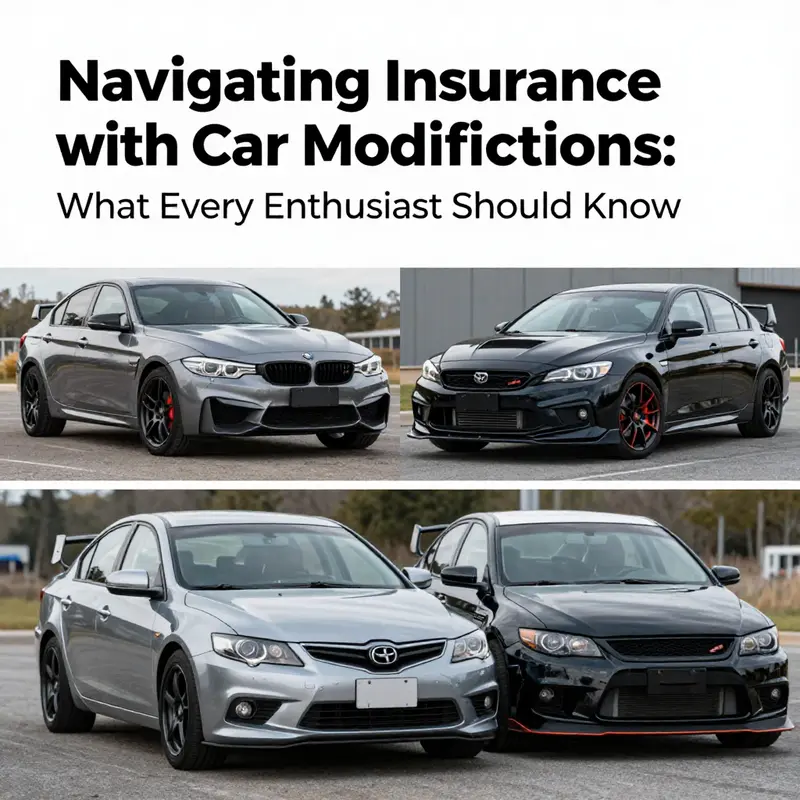
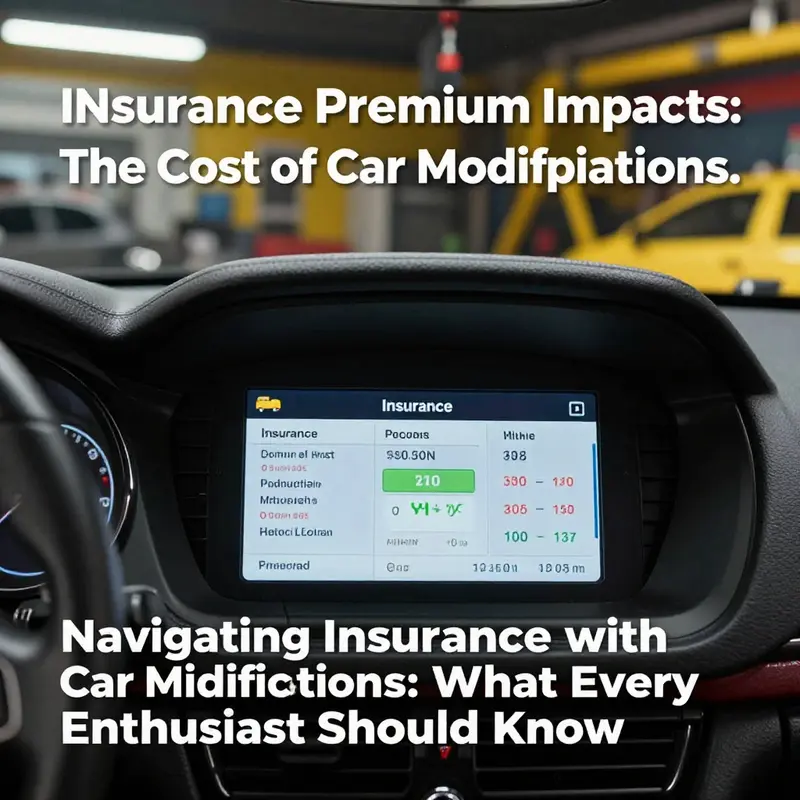
Modifying a car is rarely a purely aesthetic choice. It is a practical decision that shifts the machine’s risk profile in ways insurers measure and price. Across markets and policies, the logic remains consistent: changes that alter how a car behaves on the road or how it might be used after an incident will ripple through a policy’s terms, the premium attached, and the very likelihood of coverage in a worst‑case scenario. That reality sits at the heart of how a driver who loves customization navigates the tense intersection between personalization and protection. When you modify a vehicle, you are not only changing its curb appeal or its horsepower. You are signaling a different risk narrative to your insurer, and the accuracy of that narrative matters as much as the modification itself. The chapter that follows threads together the practical consequences of this signaling, from the moment a modification is contemplated to the point of a claim after an accident, highlighting what should guide every decision about modifying a financed or leased vehicle, and how to secure coverage that remains reliable even as taste and technology evolve.
First, the obligation to disclose is a foundational guardrail. In most jurisdictions, you must inform your insurer in writing within a defined window—often within 10 days of completing a modification. This isn’t a courtesy; it’s a contractual requirement. Failing to disclose can lead to a denial of a claim, even if the accident would otherwise be covered. The reason is straightforward: an unreported modification can render the policy inaccurate, shifting risk assumptions without the insurer’s knowledge. The remedy is not simply to hope for forgiveness after a claim; it is to initiate a formal policy endorsement that records the change and allows the insurer to reassess risk before trouble arises. This endorsement, not the mere act of making a modification, is what realigns the contract with reality.
Second, the impact on premiums and coverage follows the logic of risk. Modifications that increase the vehicle’s risk profile tend to raise premiums. Engines that are tuned or turbocharged, suspension components that alter handling, or significant bodywork that changes visibility or theft appeal can all push a policy toward higher rates. In some cases, the modification can test more than the price tag; it can trigger a policy denial if the change is illegal, unsafe, or fundamentally alters the vehicle’s safety characteristics in a way that the insurer considers unacceptable. The spectrum is broad: performance upgrades are at the high end of risk, while appearance changes may be viewed as less risky but still material enough to require notification and tailored coverage. Interior changes can also matter, especially if they affect safety systems like airbags or electrical integrity. A thoughtful takeaway is that insurance pricing and eligibility are not about aesthetics but about risk management, and every change is evaluated through that lens.
Among the most consequential categories are performance or power modifications. Engine tuning, forced induction, or any alteration that makes the vehicle behave differently on the road tends to attract heightened scrutiny. These changes can alter braking requirements, steering dynamics, and engine reliability under stress, all of which influence how an insurer models the likelihood of a claim. When such modifications are present, expect not only higher premiums but a closer inspection of maintenance, parts compatibility, and the potential for failure modes that could be costlier to repair. On the other end of the spectrum lie appearance modifications—wheels, body kits, or paint jobs—that are less about performance yet still demand disclosure. If you lack specific coverage for these items, damage to them may not be reimbursed under standard policies. The safe interpretation is that any non‑factory component can introduce coverage gaps unless a rider or endorsement explicitly covers it.
Interior and electrical modifications also demand careful attention. Replacing seats or altering interiors can interfere with airbag deployment or occupant safety systems, raising legitimate safety concerns for underwriters. Improper wiring of an upgraded audio system can pose fire risks. The potential for unsafe setups translates into higher risk and the possibility of claim denial if damage or injury occurs because the modification failed to meet safety standards. Illegal modifications—altering VINs, changing engine displacement beyond legal limits, or compromising the vehicle’s structural integrity—stagger the odds considerably: in many jurisdictions, these changes can render the vehicle uninsurable for certain damages or entirely uninsurable for those risks.
A practical pillar that often governs how a modification is insured is newly added equipment insurance. Standard car insurance generally covers original factory equipment and fixed components, not aftermarket additions. To safeguard items like roof racks, high‑end audio systems, or upgraded wheels, you typically need an Additional Equipment Insurance rider or Newly Added Equipment Loss Insurance as an add‑on. Without this coverage, costs to replace or repair added components after a crash or theft may fall entirely to you. The need for such a rider becomes especially clear when the modification sits outside the vehicle’s stock configuration, because the policy’s baseline is anchored to factory specifications, not to seller or aftermarket changes.
Another critical axis is registration and verification. In many regions, major modifications require an official change of registration or approval by a vehicle management authority. When the modification is approved and properly registered, the vehicle is treated as legally compliant, which supports full commercial and compulsory insurance payouts. When changes remain unofficial or unapproved, compensation can be narrow. In some cases, you may be limited to a basic statutory coverage—often referred to as a compulsory liability insurance—while full commercial claims are denied. This reality underscores a broader point: personalization without compliance carries financial and legal risk that can undermine long‑term protection just when you need it most.
The chapter’s core insight is not that modification is inherently dangerous to insurance, but that it shifts the risk calculus in concrete, verifiable ways. To navigate this terrain, prospective modifiers should begin with a careful, collaborative approach to risk assessment. It is prudent to document the modification process: keep receipts, photograph components before and after installation, and maintain a log of maintenance and inspections. Speak with the insurer early about intended changes and the precise scope of coverage you will require. Many drivers assume a basic policy will automatically extend to newly added parts; in reality, negotiations around endorsements, limits, and exclusions often determine whether those parts are protected after a loss. A small but meaningful step is to review the policy language for any clause that addresses “special equipment,” “specified items,” or “equipment loss”—the terms vary and can materially affect whether coverage extends to aftermarket components.
For those contemplating modifications, a simple, well‑timed action plan can prevent costly surprises. Begin by assessing the modification’s risk from the insurer’s perspective: how does it impact safety, handling, reliability, security, and likelihood of theft? Next, prepare to disclose with specificity: identify the component, its cost, installation date, and the expected impact on performance or safety. Then seek a formal endorsement that updates the policy language to reflect the change, and secure any necessary add‑on coverage for newly added equipment. Finally, verify whether regulatory approval or vehicle registration changes are required and obtain them before driving the modified car on public roads. This trio of steps—disclosure, endorsement, and compliance—serves as a practical compass for maintaining robust insurance in the face of personalization.
If you want to explore how closely linked design and measurement can be when it comes to insurance estimates—beyond the automotive arena—consider the broader methodological context offered by research on health insurance estimates. While not car‑focused, studies that examine how survey design influences insurance coverage estimates remind us that measurement choices shape policy implications and stakeholder decisions. For a detailed read, see The impact of survey design modifications on health insurance coverage estimates in a National Longitudinal Health Care Survey. External resources can illuminate why precise, transparent reporting of changes matters for accurate risk assessment and pricing. https://www.ncbi.nlm.nih.gov/pmc/articles/PMC9842356/
For readers already deep into the world of vehicle customization, a concise reminder: integrate your modifications within the framework of your insurance policy. Use official endorsements, secure additional equipment coverage where needed, and maintain compliance with local regulations. When in doubt, consult your insurer and, if necessary, the local Vehicle Management Office or regulatory authority to ensure that what you do to your car remains compatible with your coverage. If you are considering modifications, you may find practical, policy‑oriented guidance that aligns with your goals in a resource that discusses how modifications affect insurance. What Modifications Affect Car Insurance?. This link provides a focused lens on decision points that can influence both premiums and eligibility, helping to translate risk analysis into concrete steps you can take before the wrench turns on the socket or before the new component is bolted in place.
In sum, modifications can be a path to enhanced performance, aesthetics, or functionality, but they require an explicit, documented negotiation with your insurer and, where necessary, with regulatory authorities. The most reliable protection comes from transparency, formal endorsements, and coverage that explicitly includes the added equipment. By treating modifications as intentional risk management rather than impulsive customization, you can realize the personal value of your car while preserving the financial resilience that insurance is meant to provide.
Guarding Your Build: Why Additional Equipment Insurance Is Essential for Modified Cars
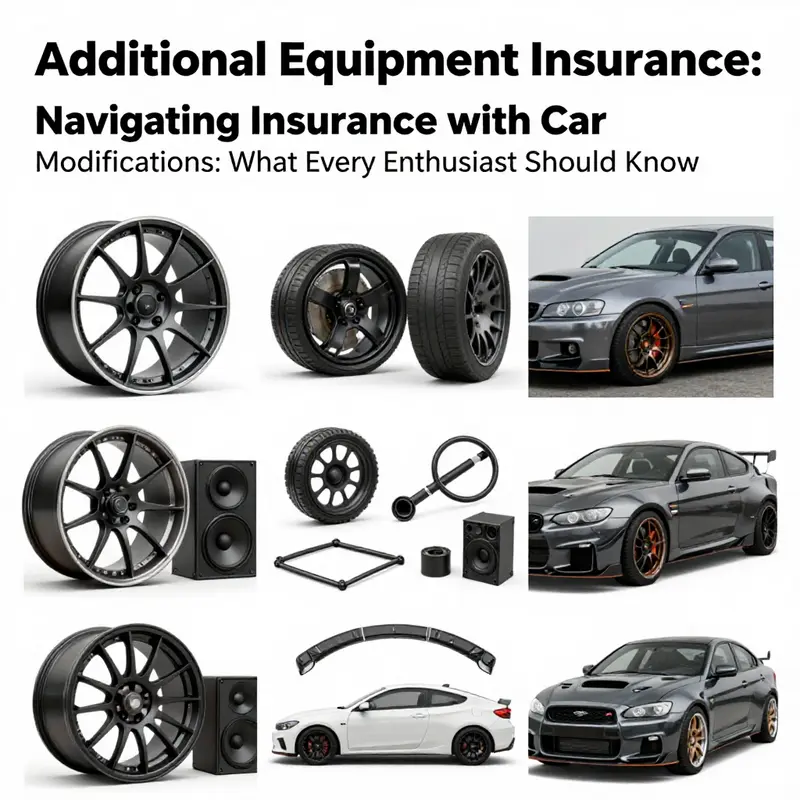
Modifying a car is a statement as much as a hobby. It promises a closer connection to your vehicle’s character and performance, yet it also alters the risk landscape that underpins every insurance decision. The thrill of a bolder exhaust note, a sharper suspension, or custom wheels can quickly become more than a weekend project. It can shift how an insurer views your car, what you pay for coverage, and what happens if something goes wrong. In this chapter, we explore why Additional Equipment Insurance—commonly labeled as a Commercial Parts and Equipment (CPE) endorsement or Newly Added Equipment Insurance—has become not merely useful but essential for many modern builds. This coverage sits at the intersection of customization, risk, and financial protection, ensuring that the items you add after leaving the factory floor aren’t left exposed to gaps in your policy when a claim is filed or an accident occurs.
Standard auto policies, by design, are tuned to the vehicle as it left the factory. They cover the car’s original components up to a specified value, and when aftermarket parts or substantial modifications are introduced, those protections can erode quickly. Performance upgrades—engine tuning, turbocharging, or suspension changes—are the changes most likely to trigger premium adjustments or even coverage denials if they introduce new risk profiles. Appearance tweaks, like body kits or custom wheels, while seemingly cosmetic, still carry risk and may require explicit coverage to ensure those parts are protected in a claim. Interior modifications can pose safety concerns too; aftermarket seats can affect airbag deployment, and improper wiring for high-end audio systems can raise the specter of electrical fires. In short, the act of modifying a car moves the risk needle in several directions, not all of them obvious at first glance.
The critical step is to treat modifications as an ingredient of the vehicle’s new risk profile, not as an afterthought. That means timely disclosure to your insurer and, often, a formal endorsement to your policy. Timely disclosure is not a mere courtesy—many insurers require notification within a specific window after a modification to avoid claim disputes. A policy endorsement, or change, updates the contract to reflect the new equipment and altered risk. Without this, a claim connected to a modified part can be complicated, delayed, or even denied. The practical upshot is that if you add a roof rack, a high-end sound system, or a performance upgrade, you should plan for a conversation with your insurer that introduces the modified build to the policy in a structured way. Because every insurer weighs risk differently, the path to coverage can vary—from straightforward endorsements to the need for a specialty insurer that understands high-value or performance-oriented builds.
One reliable route for protecting a heavily modified vehicle is through Documentation and valuation. Collecting receipts, invoices, and meticulous photos of every modification helps your insurer assess value accurately. A well-documented build is more than bragging rights; it’s a bargaining chip when you file a claim. Prospective buyers and appraisers will want evidence of what’s been added and how it’s been installed. For some parts, such as custom wheels or a bespoke exhaust system, an agreed value can be particularly important. An agreed value policy guarantees you’ll receive the pre-determined amount for a total loss, rather than a value pegged to general market depreciation. This arrangement can be a game changer for enthusiasts with rare, unique, or high-cost builds, but it does come with higher premiums reflecting the increased risk and valuation.
The insurance marketplace recognizes that not all modifications are equal in terms of risk or insurability. Many mainstream carriers offer the CPE endorsement as an add-on, but not all are comfortable insuring every type of modification, especially high-horsepower engines or extensive performance packages. In some cases, policyholders find that specialty insurers are better aligned with their needs. These specialists, often with a history of insuring modified or classic cars, can offer tailored coverage that accommodates custom parts and agreed-value valuations. When considering a specialty option, it’s important to compare how they approach valuation, what they cover beyond the basics, and how they handle claims for modified components. A good rule of thumb is to evaluate whether the added protection justifies the premium and how the coverage aligns with the actual value and use of the vehicle.
The process of adding coverage is not purely about money. It is also about clarity and lifecycle management of the vehicle. For instance, a car builder might perform many incremental updates over time. In such cases, the policyholder should maintain ongoing communication with the insurer whenever a substantial change is made—every new modification represents a potential change in risk, and the policy should reflect that. Without continuous alignment, there can be dissonance between what is insured and what is actually on the road, a mismatch that can complicate a claim. This is why some experts advocate for periodic value reassessments and reminders to revisit the policy after a major build milestone. Keeping your insurer informed helps ensure that the coverage remains aligned with the vehicle’s current state rather than the state at inception.
The practical advantages of Additional Equipment Insurance extend beyond protection against theft or damage. In the event of a total loss, having an agreed-value arrangement for your modified components can dramatically simplify settlements. Without such coverage, compensating for highly customized parts can be a painful exercise in depreciation and market value estimation. For those who pursue originality and exclusivity in their builds, an agreed-value policy is often described as essential. It is, however, a balancing act: higher coverage limits and agreed values come with higher premiums, and the decision to pursue this route should weigh the added protection against the cost of ongoing premiums. A thoughtful approach involves listing every modification, attaching documentation, obtaining professional appraisals when needed, and reviewing the policy’s terms for depreciation, salvage rights, and coverage limits on aftermarket equipment.
To navigate this landscape, many builders find value in exploring a blended approach. Start with a robust standard policy that covers the vehicle’s baseline components, then layer on CPE or Newly Added Equipment Insurance to protect aftermarket parts. Evaluate whether the glass is truly half full or half empty by considering how much your build is worth compared with the cost of replacing it if damaged or stolen. For some owners, the risk is acceptable with modest modifications and lower coverage needs. For others, especially those whose builds command premium prices or feature high-value components, the cost of comprehensive Additional Equipment Insurance becomes a prudent investment rather than a luxury. In this sense, insurance becomes a design brief as much as a safety net, guiding how far one can push a build while maintaining certainty that value and safety stay intact.
As you weigh this territory, it’s helpful to remember an accessible resource for understanding how various modifications interact with insurance—and which modifications tend to trigger insurance questions. You can explore relevant discussions and practical considerations here: What Modifications Affect Car Insurance. This kind of guidance can illuminate the practical steps you’ll take as you prepare to add coverage, from documentation to endorsements, and it can frame expectations about how different insurers approach custom parts. The bottom line remains clear: modifications do affect insurance, and responsible coverage means planning for those effects in advance rather than discovering them after a loss.
The external landscape of specialty coverage offers additional reassurance for enthusiasts who push their builds beyond conventional limits. For a broader perspective on how specialized policies address modified or classic cars, many experience opportunities with dedicated providers that offer agreed-value options and tailored risk assessments. These resources emphasize that protection for a modified car isn’t a luxury; it’s a practical safeguard for your investment and for the days you log behind the wheel when the road invites experimentation. As you embark on these steps, it’s wise to consult with your insurer about endorsements, gather your documentation, and consider whether a specialized policy might better align with the value and risk profile of your build. The goal is to ensure that your car’s identity—its unique configuration, performance cues, and aesthetic choices—remains protected when the unexpected occurs, so your project can continue to evolve with confidence and clarity.
For a broad, reliable reference on how coverage can adapt to modifications and what to expect in the claims process, Hagerty’s resources provide a thoughtful external perspective on specialty coverage and the realities of insuring customized and high-value vehicles. They remind us that the right policy is not simply about maximum limits; it is about aligning coverage with how the vehicle is used, how it’s built, and how disputes are resolved in the event of a loss. To learn more about these broader considerations, you can explore additional guidance from this external resource: https://www.hagerty.com
Registration as the Guardrail: How Vehicle Status Shapes Insurance for Modified Cars
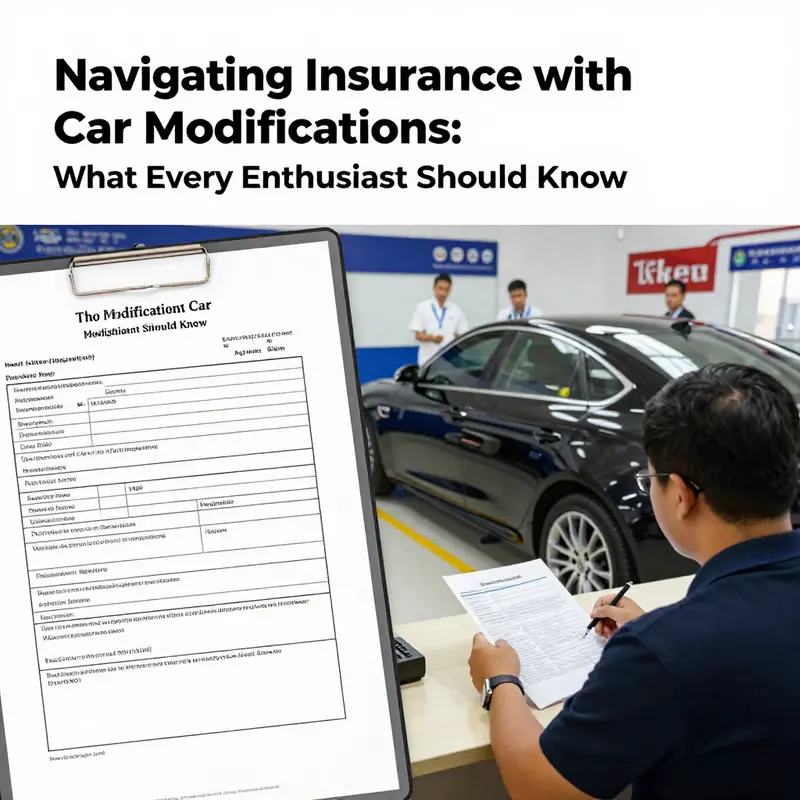
Modifying a car is a act of personalization and performance, a way to express taste and push the car’s capabilities beyond factory limits. Yet behind every bolt and new component lies a regulatory and financial consequence that can shape whether your insurance covers you at all, and how much you pay to be covered. The journey from modification to coverage is not a single leap but a chain of checks—registration status, disclosure, endorsements, and the scope of how and where you drive. When a vehicle changes, the way it is registered and documented becomes a guardian for both the law and the policy that protects you. If the changes aren’t accounted for in the right way, even a minor mishap can turn into a costly dispute, with coverage removed or reduced not because the accident happened, but because the vehicle’s status wasn’t properly declared or verified. This interconnection—between registration, insurance, and modification—frames a practical rule: to secure the right protection, you must align what you change with what the state requires and what the insurer will accept as an acceptable risk.
The first hinge is timely disclosure. Insurance contracts are built on risk assessment, and a modification often shifts that risk profile. If your policy requires you to report modifications within a specified window—often within days or weeks after the change—and you fail to do so, you risk having a claim denied. This is not just a bureaucratic formality; it is a risk management practice that protects both you and the insurer. The next hinge is the endorsement—a formal policy change that updates the contract to reflect the altered vehicle. It is not enough to own a modified car; the policy needs to be adjusted so that the altered performance, safety, and liability features are accurately priced and covered. This endorsement process gives insurers the data they need to recalibrate premiums, terms, and exclusions in light of the real-world risk your car now represents.
The realm of registration, however, extends beyond the policy document. It sits at the intersection of road legality and financial protection. In many jurisdictions, a modification is not simply a private arrangement between you and your insurer; it is a matter for the Vehicle Management Office or equivalent authority. The outcome of that engagement—approval, documentation, and updated registration—can determine whether you receive full commercial or compulsory insurance payouts in the event of a loss. Without that official recognition, you can find yourself limited to basic statutory coverage or, worse, left uninsured for certain damages. This is not a theoretical risk. It is a practical reality for anyone who has added new components or altered the vehicle’s fundamental characteristics. A vehicle that is not properly registered may still drive legally, but its insurance safety net is weakened or voided in part, especially for non-standard parts and substantial alterations.
From a street-legal standpoint, different types of modifications carry different levels of risk and, therefore, different insurance implications. Performance and power upgrades—engine tuning, turbocharging, or other enhancements that change acceleration, braking, or handling—are typically seen as increasing the vehicle’s risk profile. Insurers view these changes as potentially increasing the likelihood of an incident or theft, and they respond with higher premiums or tighter policy terms. In some cases, the risk may be deemed so elevated that coverage becomes unavailable for certain damages or even for liability, particularly if the modification compromises safety systems or structural integrity. Appearance mods—wheels, body kits, paint—tend to be less risky from a safety standpoint but still require notification. Without the right coverage, replacement or repair of these add-ons may fall outside standard policies, leaving you with the bill. Interior alterations, such as aftermarket seating or upgraded audio systems, can create safety or electrical concerns. Improper wiring has the potential to affect airbag deployment or cause electrical fires, both of which can lead to claim denials or reductions. And illegal modifications—altering a VIN, changing engine displacement beyond legal limits, or compromising structural safety—can render the vehicle uninsurable for the modified-damage scope. The spectrum of risk is real, and it reinforces the importance of aligning modification choices with both law and policy.
A crucial but sometimes overlooked layer is newly added equipment insurance, sometimes labeled as Additional Equipment Insurance. Standard car insurance is designed to cover original factory equipment, not the accessories and performance parts you install after purchase. When you add items like a roof rack, a high-end sound system, or custom wheels, you must procure an add-on that explicitly covers those items. Without it, replacing or repairing those modifications after an accident may be your sole financial responsibility, regardless of the overall settlement for the rest of the vehicle. This adds a pragmatic financial incentive to document every modification and its associated costs, so you and your insurer can settle claims without ambiguity. Documentation strengthens the risk profile you present, making it more likely that coverage will extend to the modified components rather than serving as a gap in protection.
Registration itself is more than a clerical step; it is a signal to the insurance market about compliance with roadworthiness and safety standards. When authorities review a modification, they assess safety implications, emissions, and whether the changes meet the jurisdiction’s standards for road use. A positive assessment—an approved modification with supporting certificates and engineering reports—transforms the modification from a potential liability into a legally compliant enhancement. In many places, this official recognition translates into more predictable coverage terms and, in some cases, more favorable premiums. Conversely, unapproved modifications often trigger limited coverage under compulsory schemes, or in the worst case, denial of full claims. The practical upshot is clear: if you want to enjoy the benefits of personalization without forfeiting protection, you must pursue formal recognition of your changes and ensure your registration records reflect the reality of the vehicle’s configuration.
The narrative of modification, registration, and insurance also carries a geographic flavor. In the United Kingdom, for example, changes that affect emissions, structure, or safety systems must be declared to the DVLA, and a retest or additional verification may be required in some cases. In the United States, state DMVs typically require proof of compliance with federal and state rules for major alterations, especially for engine swaps or chassis changes. Insurance providers use registration data to gauge risk; a properly registered and documented modification is more likely to be insured on favorable terms. In contrast, a discrepancy between what is registered and what is insured can create gaps in coverage that insurers are reluctant to bridge after a loss. This is not merely a regulatory curiosity but a practical determinant of whether you can rely on comprehensive protection if a crash, theft, or damage to the modified components occurs.
For readers navigating this terrain, a deliberate, methodical approach pays dividends. Begin with a comprehensive inventory of modifications, including official documentation, certificates, and receipts. Engage the Vehicle Management Office or its equivalent early, presenting engineering reports and manufacturer approvals where required. Secure an endorsement from your insurer before you drive the car in its modified state beyond standard limits. Consider the added layer of Newly Added Equipment Insurance to shield leisure and practicality upgrades, from racks to sound systems, so you are not left paying out of pocket for items that make the vehicle uniquely yours. Finally, maintain continuous dialogue with your insurer, sharing updates whenever you modify or remove components, and keeping registration papers aligned with the car’s real configuration. This ongoing transparency is the surest way to keep the vehicle’s personalization from becoming a personal financial burden. For readers seeking a compact summary of how modifications influence insurance, a practical overview is available at what modifications affect car insurance.
In this light, vehicle modification is not merely a mechanical decision; it is a regulatory and financial negotiation that unfolds across the legal and insurance ecosystems. The goal is not to discourage customization but to illuminate the pathway that preserves protection while allowing drivers to pursue their passions. The chapter on legal compliance and the role of vehicle registration in modified cars thus frames a broader truth: the more thoroughly you document, register, and endorse changes, the more secure your coverage will be when the road inevitably tests that protection. This is the connective tissue between a personalized ride and the safety net that supports it, a reminder that responsible car culture is as much about meticulous record-keeping and compliance as it is about horsepower and aesthetics. As the next chapters explore, understanding these dynamics helps drivers balance aspiration with accountability, ensuring that modification remains a source of pride rather than a point of vulnerability.
External resource: For regulatory guidance on vehicle modifications and the law, see the UK government publication on vehicle modifications and the law: https://www.gov.uk/government/publications/vehicle-modifications-and-the-law
Final thoughts
Understanding how car modifications affect insurance isn’t just important—it’s essential for protecting your investment. By ensuring proper notification of modifications, evaluating their impact on premiums, and securing additional insurance where necessary, you can enjoy the freedom of vehicle customization without the stress of unexpected complications. Always remember to stay within legal limits and maintain open communication with your insurance provider and local vehicle management offices. This proactive approach will help you navigate the complexities of car modifications and insurance, ensuring that your passion for automotive enhancement does not come at the cost of coverage.