
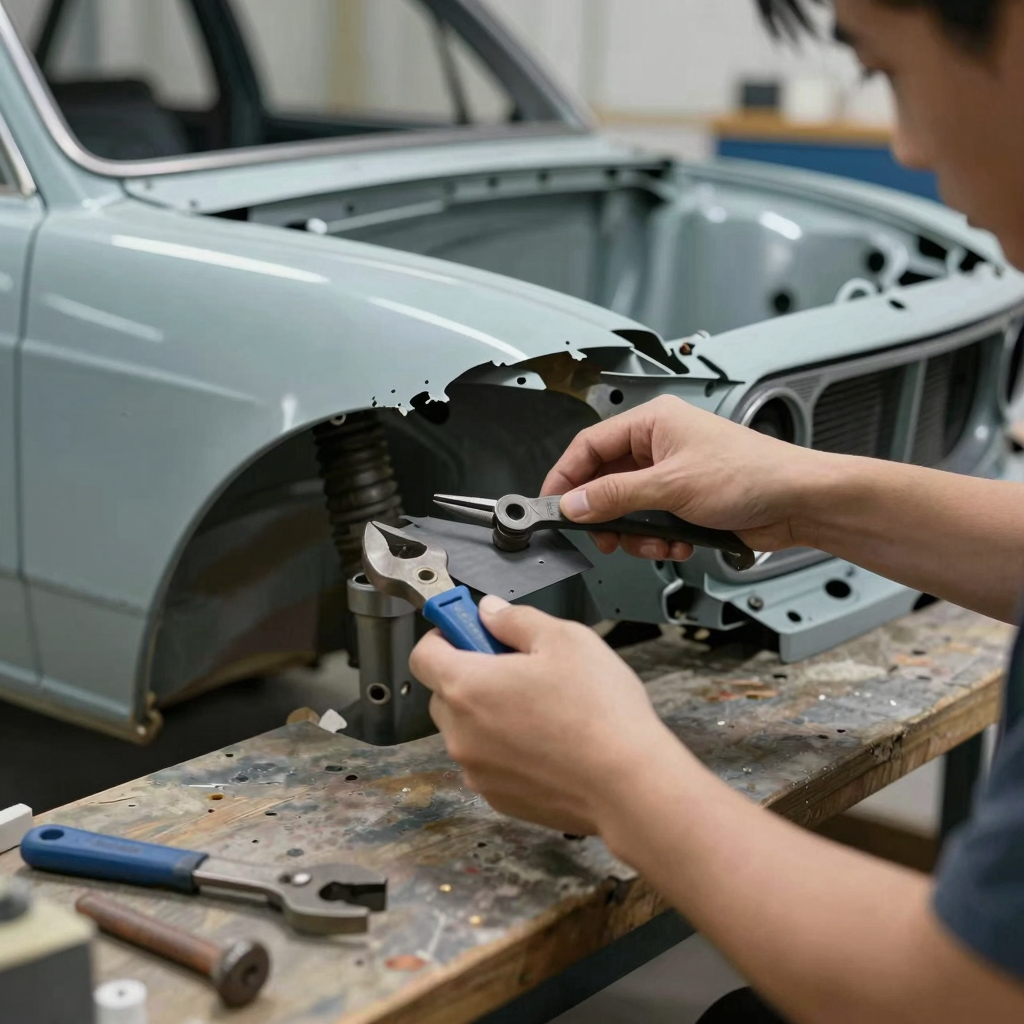
Igniting the Passion: The Journey of Car Restoration and Modification
The thrill of transforming a vehicle into a unique piece of automotive art is one that resonates deeply within the hearts of car enthusiasts. Whether you’re gazing at a dilapidated classic or a late-model beast just waiting for a personal touch, the possibilities of restoration and modification spark excitement and ambition. However, embarking on this journey isn’t without its challenges. You may find yourself standing amid a plethora of tools, parts, and advice that can feel overwhelmingly vast yet exhilarating.
For hobbyist car modifiers and professional tuners alike, the act of revitalizing a car-bringing it back to life or enhancing its performance-demands a blend of creativity, technical skill, and resourcefulness. Each project becomes a personal statement, a chance to merge one’s vision with mechanical prowess. Yet, alongside the joy of creation, car restorers face hurdles such as sourcing the right components, understanding automotive laws, or maneuvering their budgets appropriately.
In this guide, we will explore where to begin your first car restoration and modification journey, and the myriad factors to consider, including the impact of modifications on insurance and resale value. Together, we’ll dissect the complexities of this rewarding endeavor and help you ensure your project stands out both on the road and in your heart. Learn more about the risks involved in modifying financed vehicles and how transformations can affect your car’s market value. As you buckle up for the ride, remember that every restoration story begins with a single spark of inspiration!
What You Need to Know: Essential Tools and Materials for First-Time Car Restoration and Modification
Embarking on your first car restoration or modification project is an exciting journey. To set yourself up for success, having the right tools and materials is vital. Here’s a comprehensive list to get you started, tailored specifically for beginners.
Essential Tools
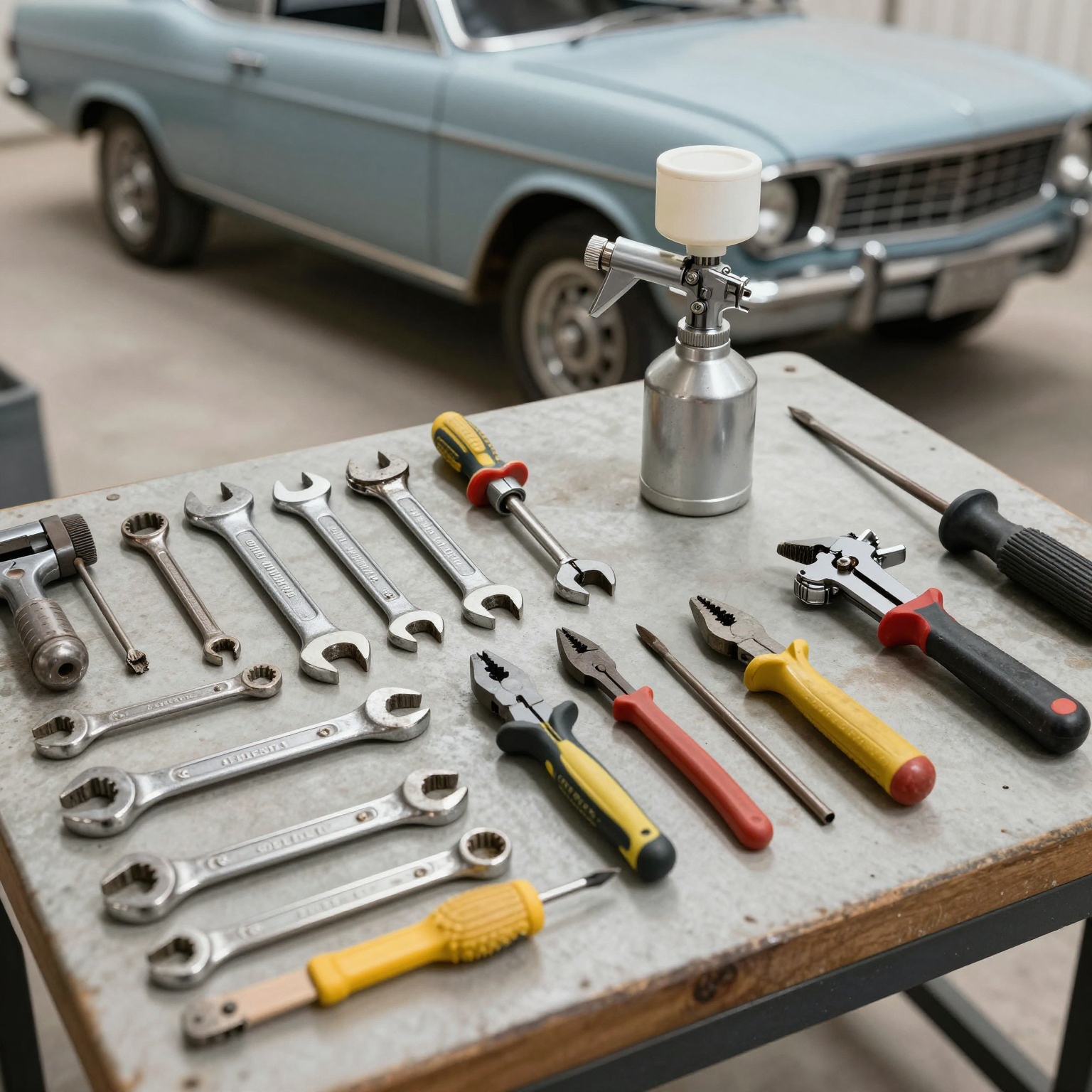
- Basic Socket Set: A high-quality set including 1/4-inch, 3/8-inch, and 1/2-inch sockets. Look for chrome-vanadium (Cr-V) steel for durability.
- Wrenches: Adjustable wrenches and torque wrenches are crucial for securing and adjusting parts safely.
- Screwdrivers: A variety of flathead and Phillips screwdrivers will help tackle most tasks.
- Pliers: Needle-nose pliers, slip-joint, and locking pliers provide versatility for gripping and cutting wires or cables.
- Floor Jack and Jack Stands: Vital for raising your vehicle safely while you work underneath.
- Digital Multimeter: Essential for diagnosing electrical issues during modifications.
- Paint Sprayer or Spray Gun: For those wanting to customize their vehicle’s look with new paint.
- Safety Gear: Don’t forget gloves, goggles, and dust masks to protect yourself while working with tools and chemicals.
Essential Materials
- Automotive-Grade Paint: For exterior modifications and touch-ups.
- Primer and Body Filler: Necessary for prepping surfaces before painting.
- Sandpaper (Various Grits): Important for smoothing surfaces pre- and post-painting.
- Masking Tape and Plastic Sheeting: To protect areas not being painted or modified.
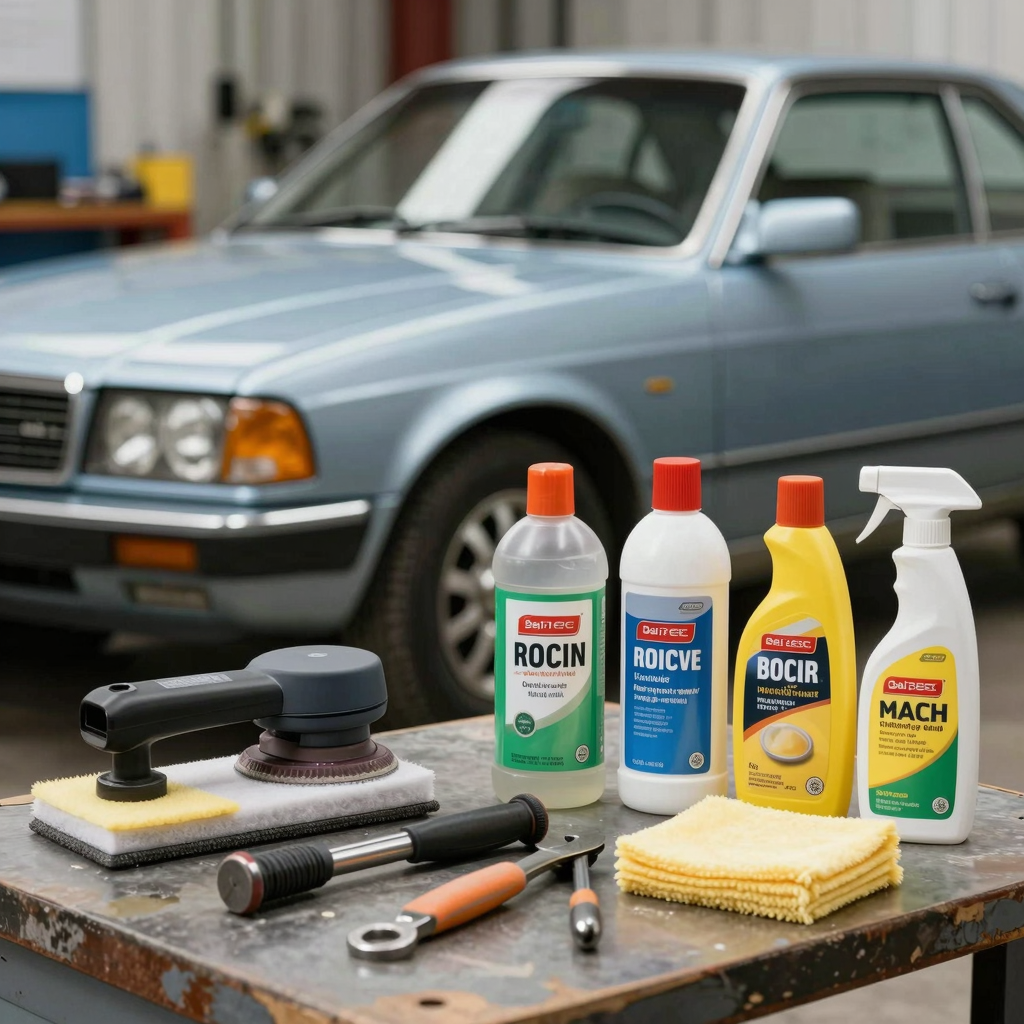
- Cleaning Solutions: For upkeep and to ensure surfaces are free of grime before detailing or painting.
Starting with small projects such as simple cosmetic changes or upgrades can build your confidence and skills, paving the way for larger restorations later on. For a more detailed breakdown of tools and ideas on modifications, check out guides from Car and Driver and MotorTrend.
Infographic
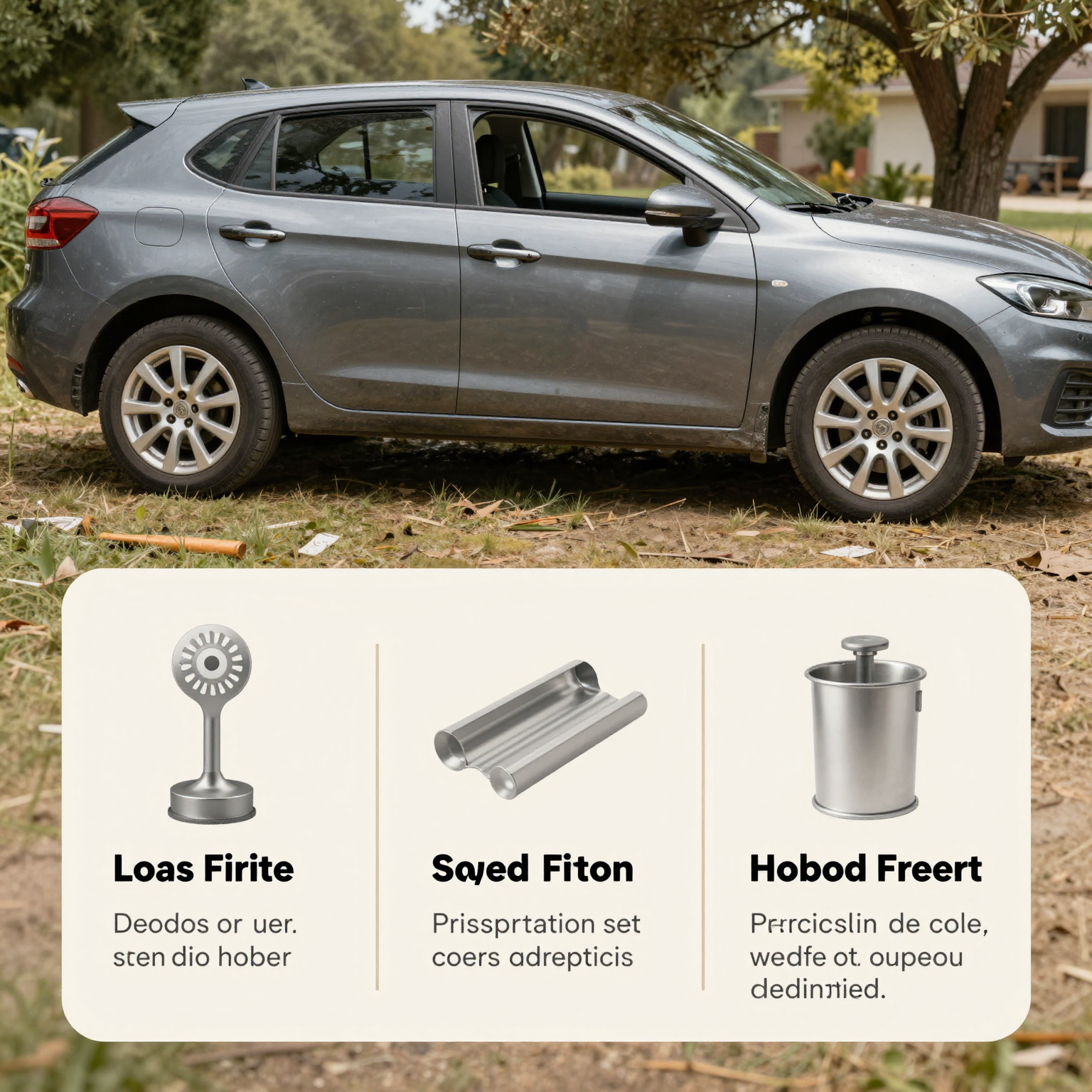
(Click for a closer look at must-have tools!)
With these tools and materials at your disposal, you’re equipped to dive into your restoration and modification journey with confidence!
Understanding Your Car’s History
Before embarking on the exhilarating journey of restoring and modifying a vehicle, comprehending its history is crucial. The story behind a car can significantly influence design choices and authenticity, shaping not only the restoration process but also the ultimate vision of the vehicle.
The Importance of Knowing a Car’s Background
-
Historical Relevance: Each car has its unique lineage, comprising past owners, modifications, and events that have shaped its existence. Understanding this history ensures you appreciate its significance. Cars with a storied past may demand specific restoration techniques that honor their heritage, while others might lend themselves to more creative modifications.
-
Influencing Design Choices: Knowing a car’s original design features and specifications can guide restorers in maintaining or creatively altering aspects that honor its heritage. For instance, a classic muscle car might have specific paint colors, wheel designs, and interior layouts that enthusiasts cherish. Straying too far from these elements may result in a loss of authenticity, diminishing the vehicle’s value and appeal.
-
Authenticity vs. Personalization: There’s a fine balance between authenticity and personalization in car restoration. Enthusiasts may feel torn between preserving the original character of their car while also wanting to infuse their personality into the build. A strong understanding of the vehicle’s history allows for informed decisions. For example, if a car was originally a limited edition model, retaining its classic features could be more valuable than implementing drastic modifications, which might lower its resale potential, as detailed in our article on car modifications and resale value.
-
Inspecting Previous Modifications: Car history often reveals past modifications that could influence your restoration. Previous work-whether expertly done or poorly executed-can guide you on what to keep, replace, or modify. This vital information can help prevent potential pitfalls and costly mistakes down the line.
Conclusion
In the realm of car restoration and modification, knowledge is power. By thoroughly understanding a vehicle’s history, you not only honor its past but also enhance your restoration project and ensure it aligns with current trends and personal style. This commitment to authenticity sets the stage for a rewarding journey, transforming a simple car into a cherished classic that resonates with its history while embracing modern innovation.
Comparing Popular Car Restoration Kits
When it comes to car restoration, selecting the right tools and kits is essential for ensuring a successful restoration project. Here’s a comparison table highlighting some popular car restoration kits available in the market, including their features and pricing:
| Brand | Kit Name | Price | Key Features |
|---|---|---|---|
| 3M | Headlight Restoration Kit | $25-$45 | Includes polishing compounds and sandpaper for clear lens restoration. |
| Meguiar’s | Ultimate Headlight Kit | $35 | Complete kit with reusable sponge pads and fast-acting clear coat. |
| Turtle Wax | Headlight Revival Kit | $30 | Eco-friendly formula; quick application for faded lenses. |
| Chemical Guys | Ultimate Detailing Kit | $79.99 | Includes glass cleaner, wax, and microfiber towels. |
| Mother’s Oil | Premium Interior Care Kit | $65.50 | Focus on leather care, includes natural cleaning oils and foam. |
| Multi-Functional | Car Window Cleaning Kit | $7.03 | Low-cost solution with a variety of cleaning tools. |
| High-Pressure | Cleaning Equipment | $69.36 | Powerful washing system for deep cleaning. |
These kits provide various features suitable for beginners and professional restorers alike. Always consider the specific needs of your project and vehicle condition to select the best kit.
Interested in learning more about how car modifications can affect resale value? Read more here.
Sourcing Parts for Car Restoration and Modification
When embarking on a car restoration or modification journey, sourcing the right parts is pivotal. Whether you’re a hobbyist car modifier, a professional tuner, or an enthusiast restoring a vintage model, understanding where to find both OEM (Original Equipment Manufacturer) and aftermarket parts can drastically influence the final outcome of your project.
Understanding OEM vs. Aftermarket Parts
- OEM Parts are manufactured by the car’s original maker, ensuring absolute compatibility and quality. They are ideal for maintaining the authenticity of classic cars but can be costly and harder to source for older models.
- Aftermarket Parts provide an alternative to OEM options. They often come at a lower price, offer increased performance, and cater to personalized upgrades. However, their quality and fit can vary significantly from one manufacturer to another.
Where to Find Parts
-
Local Auto Parts Stores
Many local suppliers stock aftermarket parts for popular makes and models. Building a good rapport with staff can often lead to insider tips on upcoming sales or rare finds. -
Online Marketplaces
Websites like eBay and Amazon have vast selections of both OEM and aftermarket parts. Make sure to check seller ratings and reviews to ensure reliable purchases. -
Dedicated Auto Parts Websites
Specialized sites like RockAuto and AutoZone provide extensive catalogs. They often include customer reviews, which can help assess the reliability of aftermarket options. -
Salvage Yards
For restorers looking for OEM parts at lower prices, salvage yards offer a treasure trove of components. Vehicles can be disassembled for quality parts that might otherwise be hard to find. -
**Halfcuts and Import Parts
Utilizing halfcuts, primarily available in Southeast Asia, allows access to various OEM components without the high price tag. This method has become popular for sourcing rare parts while ensuring compatibility for classic and vintage restoration projects. You can learn more about this approach here. -
Automotive Shows and Swap Meets
Attending local automotive events not only allows for networking but also showcases numerous vendors offering parts at competitive prices. -
Forums and Car Clubs
Engaging in specialized forums and clubs-whether online or in-person-can yield information about where fellow enthusiasts source their parts. These communities typically share valuable insights about the best suppliers.
Tips for Successful Sourcing
- Verify Parts Compatibility: Always check that the aftermarket parts are suitable for your specific vehicle model and year to avoid fitment issues.
- Prioritize Quality: While price is essential, it should not be your only consideration; a well-made aftermarket part can ultimately save time and money in the long run.
- Explore Multiple Sources: Don’t rely solely on one supplier-cross-reference prices and availability from various platforms to find the best deal.
By following these guidelines, you can effectively source both OEM and aftermarket parts to enhance your restoration or modification project, ensuring that your vehicle not only looks great but performs reliably. For more on the implications of modifications on vehicle value, check out our article on how modifications can affect resale values!
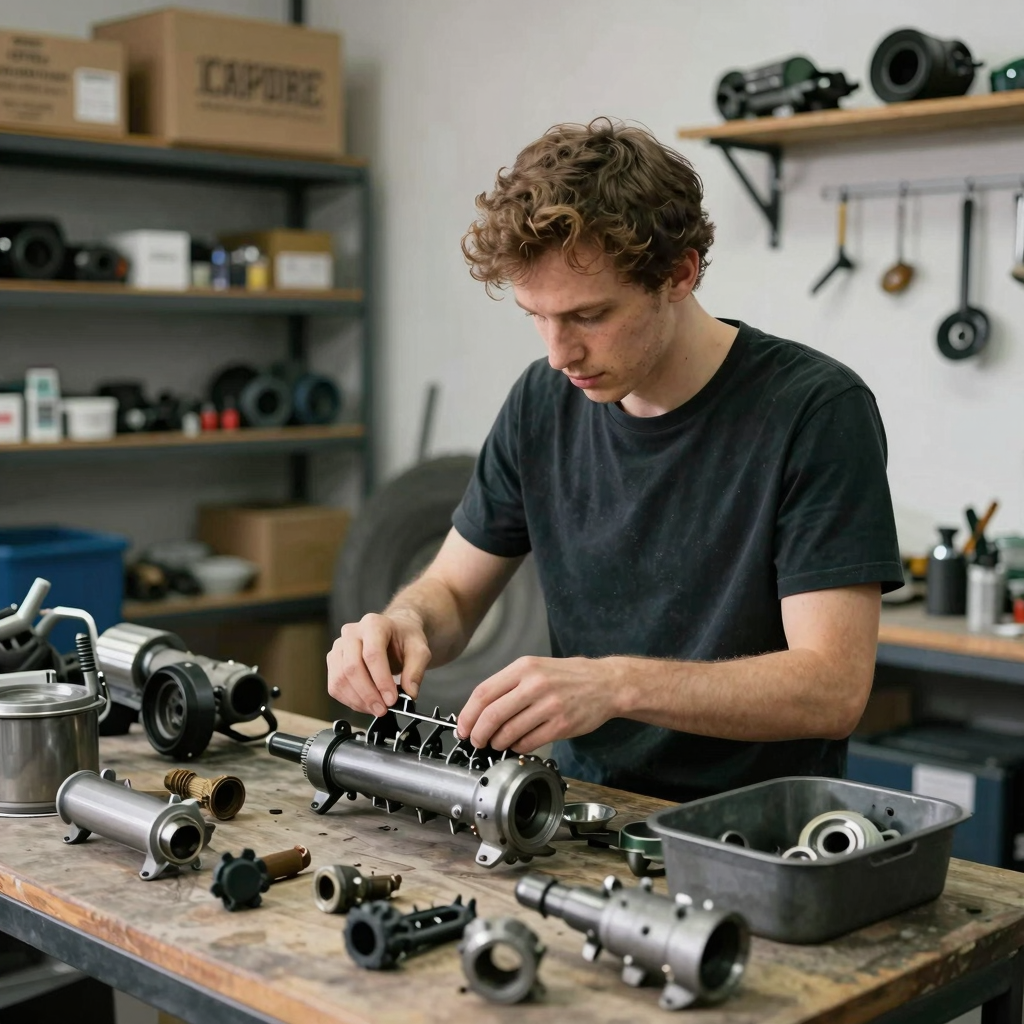

Safety Tips During Restoration
Restoring a car is a passion-filled journey, but it can also present a variety of hazards if not approached with caution. To ensure a safe working environment during your car restoration project, here are essential safety measures and tips to consider:
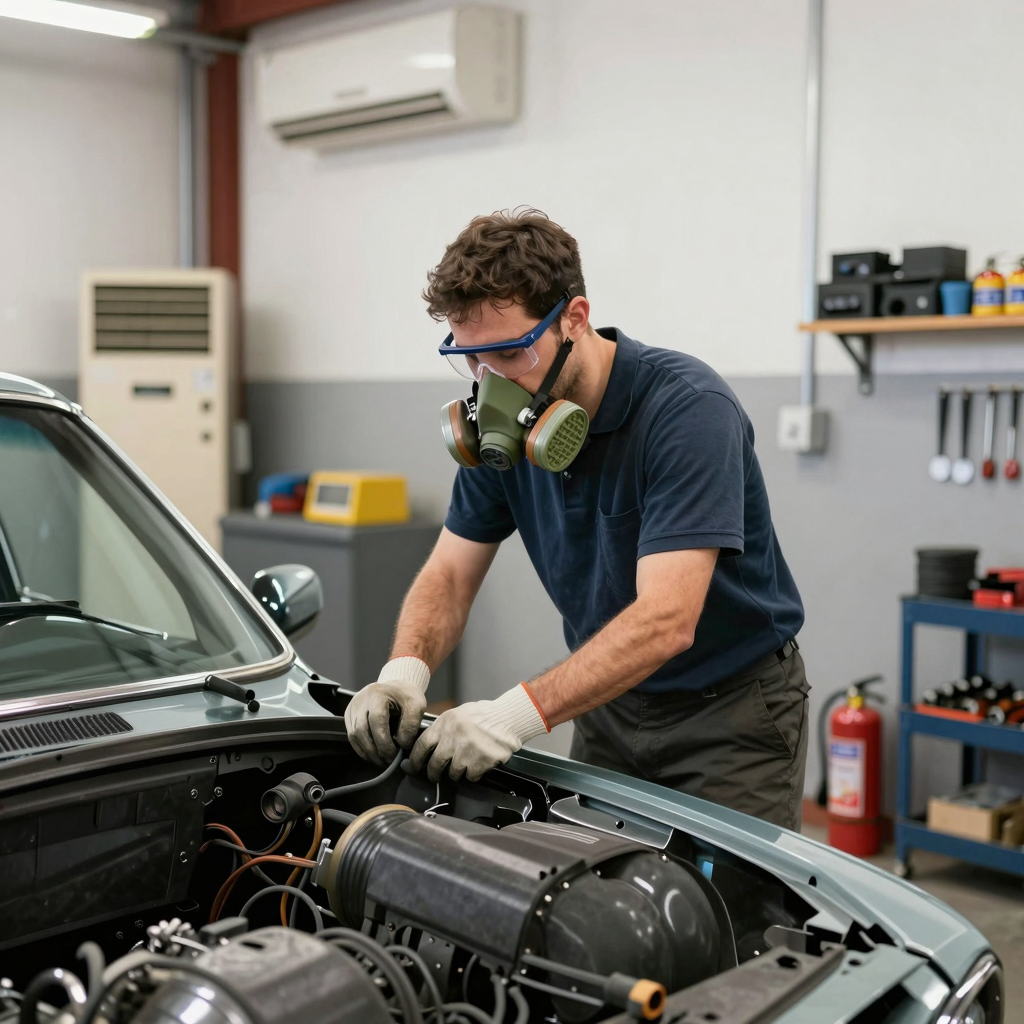
1. Personal Protective Equipment (PPE)
Always prioritize safety by wearing appropriate personal protective equipment. This includes:
- Safety Glasses: Protect your eyes from debris, dust, and chemical splashes.
- Gloves: Use durable gloves to shield your hands from sharp objects and corrosive substances.
- Respirators or Masks: Essential when working with paints, solvents, or in areas with inadequate ventilation.
2. Work Environment
Maintaining a clean and organized workspace is vital for safety. Consider the following:
- Ventilation: Ensure your workspace is well-ventilated, especially when spraying paint or using solvents that emit fumes. Open windows or use exhaust fans to minimize inhalation risks.
- Fire Safety: Keep fire extinguishers rated for flammable liquids and electrical fires within easy reach. Be particularly cautious if using infrared heat lamps or proximity to flammable materials.
3. Lifting and Supporting the Vehicle
When working beneath a vehicle, proper lifting techniques are paramount:
- Jack Stands and Wheel Chocks: Always secure your vehicle with jack stands and wheel chocks when elevated. Hydraulic jacks should never be the sole support for a vehicle.
- Proper Technique: Avoid bending over awkwardly; keep your back straight and lift with your legs to prevent injuries.
4. Electrical Systems and Fuel Lines
Working with electrical systems and fuel lines requires additional caution:
- Battery Safety: Disconnect the battery by removing the negative cable first. This prevents accidental shorts.
- Fuel System Precautions: If working on the fuel system, ensure the fuel lines are depressurized before opening to avoid fires or spills.
5. Handling Hazardous Materials
Many restoration tasks involve handling chemicals and materials that can be harmful:
- Chemical Safety: Always read labels and safety data sheets (SDS) for any chemicals, and store them in approved containers. Use non-sparking tools near flammable materials.
- Asbestos Awareness: Be aware that older vehicles may contain asbestos materials. If working with brake linings or insulation, wear respiratory protection and handle with care.
Investing time and effort into safety can significantly enhance your restoration experience, allowing you to focus on your passion for cars without the risk of injury. Proper preparation and awareness ensure that your workspace is as rewarding as the project itself. For more detailed guidelines, MotorTrend and the AAA Foundation for Traffic Safety offer in-depth safety protocols suitable for all car restorers.
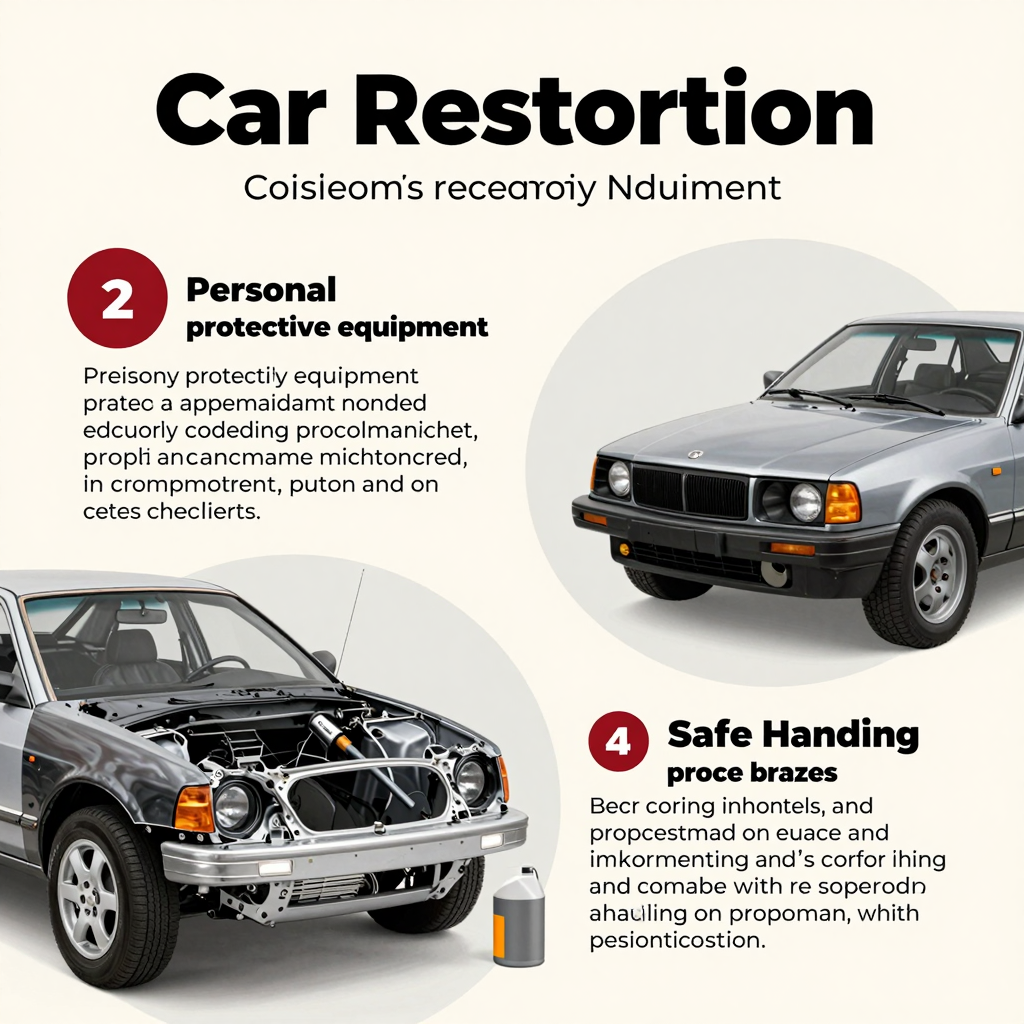
Following these safety tips will not only protect you but also enrich the joy of restoring your vehicle. Enjoy the process, stay safe, and have fun bringing your automotive dreams to life!
For further insight into the relationship between modifications and car insurance, you can read about car modifications and resale value.
Word Count: 538
Cost Breakdown of a Typical Car Restoration Project
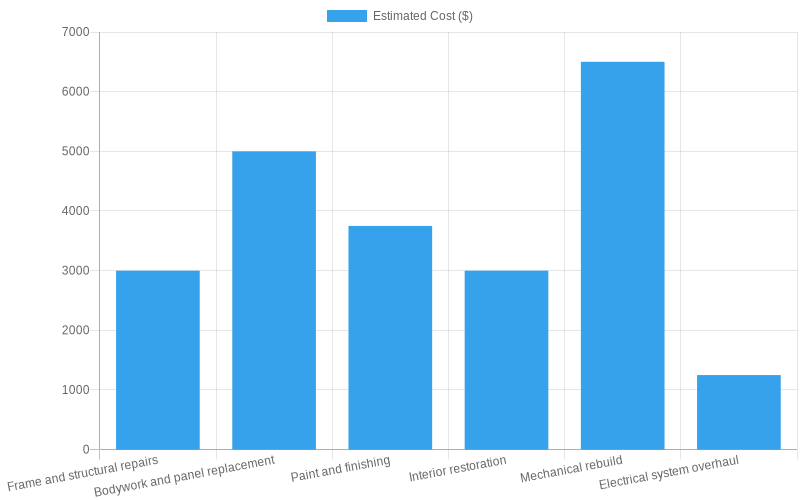
Restoring a car can be an exciting journey, but understanding the cost involved is crucial. Here’s a detailed breakdown of the typical expenses associated with a car restoration project:
| Category | Estimated Cost ($) |
|---|---|
| Frame and structural repairs | 3,000 |
| Bodywork and panel replacement | 5,000 |
| Paint and finishing | 3,750 |
| Interior restoration | 3,000 |
| Mechanical rebuild | 6,500 |
| Electrical system overhaul | 1,250 |
| Total Estimated Cost | 22,500 |
These costs can vary widely based on the vehicle’s condition and the specific restoration goals. For a more detailed understanding of what to expect in terms of renovation and the techniques involved, check out this guide on car modifications.
With this information, you can embark on your car restoration journey with a clearer idea of the financial commitment required!
Conclusion: Take the Plunge into Your Car Restoration Journey!
Embarking on your first car restoration and modification project is not just about mechanically improving a vehicle; it’s a journey of personal expression, creativity, and passion. Throughout this article, we’ve explored the essentials of starting your journey, including the importance of selecting the right car, understanding your budget, and knowing the legalities involved. Remember, every scratch and dent tells a story, and restoring these vehicles allows you to preserve their history while adding your own unique touch.
The benefits of car restoration extend beyond just aesthetics. It enhances performance, increases safety features, and can even be an excellent investment if you choose to sell your vehicle down the line. With the right modifications, your classic car can be a reliable vehicle that meets modern standards while also being a standout piece wherever you go. For further insights on how modifications can impact resale value, check out our blog.
Now is the time to unleash your inner mechanic! Don’t shy away from diving headfirst into this thrilling venture. Equip yourself with tools, gather knowledge, and connect with the vibrant community of car modifiers and enthusiasts. Join car meets, share your progress, and ask questions online-your passion for restoration will inspire not just you, but others along the way.
As you stand before your project car, remember that every moment spent in restoration is a moment invested in joy and learning. The road ahead might be bumpy, but the ultimate reward of seeing your vehicle reborn is worth every effort. To kickstart your journey, don’t forget to check out Summit Fairings for high-quality parts and accessories tailored for your restoration needs.
Embark on this adventure, customize your ride, and create a masterpiece that reflects who you are!