
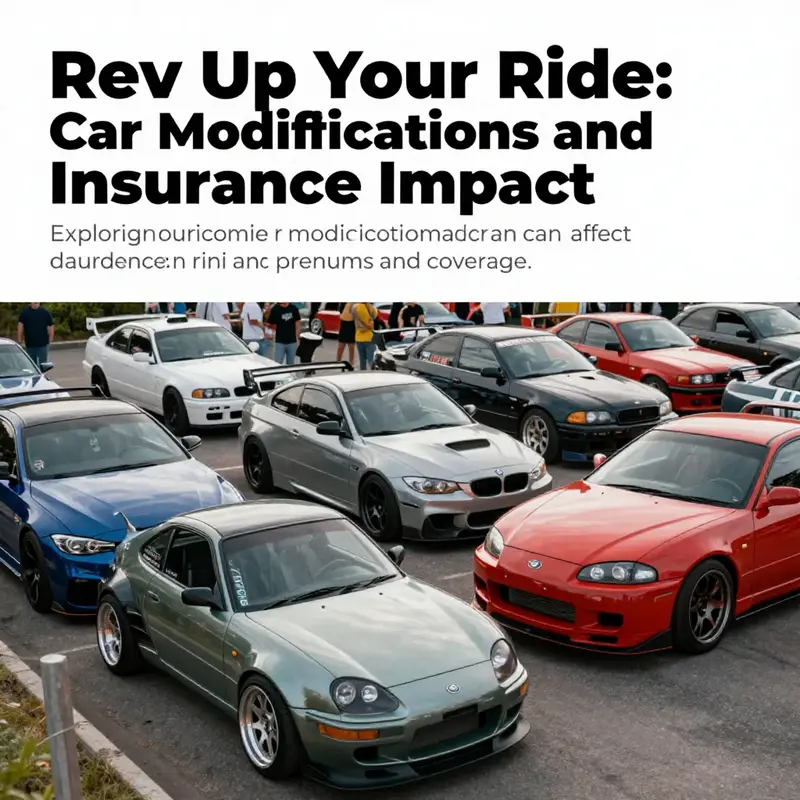
For car enthusiasts, modification is more than just an upgrade; it’s a passionate expression of individuality and performance. However, what many hobbyists and professional tuners might overlook is the significant financial impact these changes can have, especially when it comes to vehicle insurance. Understanding how modifications can increase insurance premiums is crucial for anyone involved in car tuning, whether you’re a professional or an avid DIYer. This article dives deep into this essential topic. We will cover the cost implications of different modifications, the effect of performance upgrades on insurance rates, and the importance of reporting changes to your insurer. Get ready to navigate the intricate relationship between car mods and insurance coverage.
Mods at a Price: Navigating How Car Customizations Elevate Insurance Costs and What That Means for Your Policy
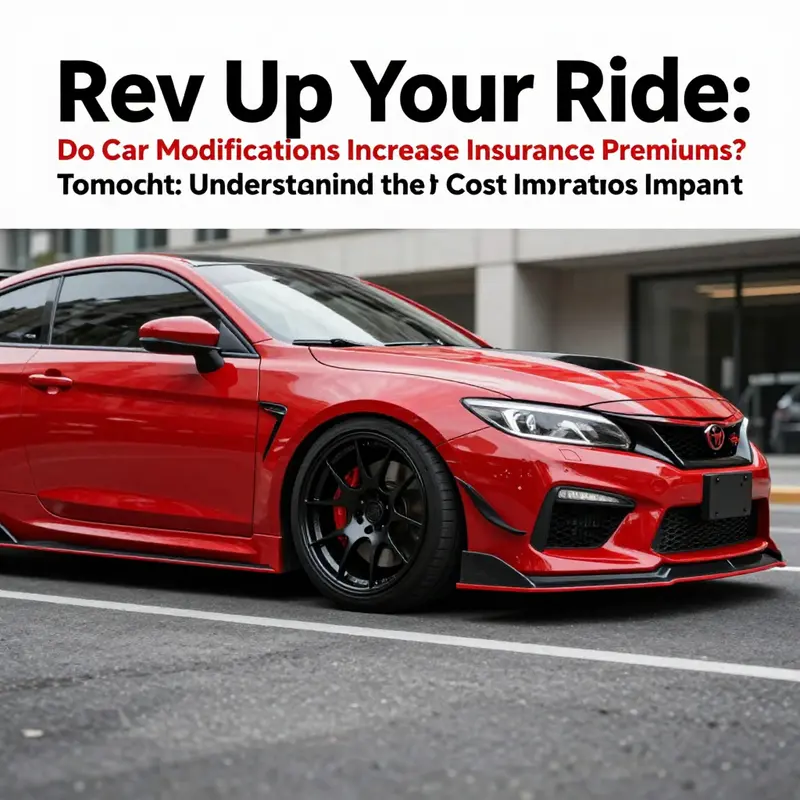
Choosing to modify a car is often a personal project, a way to express identity, performance, or practicality. Yet every bolt, tweak, and trim carries a hidden price tag beyond the workshop invoice: the way insurance sees your car changes with every modification. Modifications signal to underwriters that the vehicle now carries new dynamics—whether those dynamics revolve around faster acceleration, sharper handling, or simply more tempting targets for theft. Insurers evaluate risk through a lens that blends repair costs, accident likelihood, and the potential for theft, and the result is a premium that mirrors that recalibrated risk. The connection between modification and cost isn’t random. It rests on measurable factors: the nature of the change, the degree of alteration to the vehicle’s performance or aesthetics, the likelihood of component failure, and the broader consequences these changes may have for safety systems and liability exposure. In practical terms, a vehicle that leaves the factory with a carefully tuned engine and a revised exhaust may deliver a driver with more incentive to push the limits. That same configuration, when encountered by an insurer, translates to a higher probability of high-cost repairs, more complex technical diagnostics, and a greater chance that a claim will involve specialized parts or labor. Cosmetic upgrades, while seemingly less risky, can still drive premiums higher. A custom paint job, aftermarket alloy wheels, or a redesigned body kit can increase the cost to repair after a collision, and in some cases they raise the likelihood that a vehicle is stolen because the parts are more desirable to thieves or because repairs become more expensive when the car is re-entered into circulation. The overarching theme is that insurers look at modifications as changes to the vehicle’s risk profile, not merely as alterations to its appearance or performance. The risk assessment becomes a composite calculation, one that weighs the added cost of parts, the potential for diminished reliability, and the possibility of added risk in a collision where safety systems might interact with nonstandard configurations. Even when the modification is purely cosmetic or non-performance oriented, the decision to insure a modified vehicle remains subject to a careful audit of how that change interacts with liability exposure, police and road-safety standards, and the broader pattern of accident statistics that informs underwriting models. The ripple effects touch every facet of the policy, from the premium to the availability of certain coverages and the conditions attached to them. The practical consequence for vehicle owners is clear: knowledge is a prerequisite to managing cost and protection. The decision to modify must be paired with a frank conversation with the insurer before any changes are made. Disclosure isn’t simply a courtesy; it is a core element of maintaining a binding, valid policy. When owners hide modifications, they risk creating a policy gap that can invalidate a claim or even jeopardize the entire coverage during an incident. Insurance contracts rely on accurate representation of the insured risks, and the moment a material change is introduced without notification, an insurer can reinterpret, narrow, or deny the coverage that would otherwise apply. This legal and financial caution isn’t theoretical. It’s a practical, daily reality for drivers who decide to upgrade engines, install performance exhausts, or retrofit the car with advanced entertainment systems. Disclosures can be straightforward—a simple endorsement to reflect the new specifications, sometimes accompanied by updated valuation for added equipment, and in other cases a separate policy or rider that covers high-value aftermarket parts. The process, while sometimes tedious, protects both sides. It creates a clear record that the car on the road matches the insured vehicle in the policy documents, reducing ambiguity in the event of a claim and ensuring that the scope of protection remains aligned with what exists under the hood and under the bumper. There is also a broader regulatory dimension to the issue that both informs and constrains what you may legally install or drive. In countries with stringent road-safety regimes, many modifications must comply with safety standards and vehicle inspection regimes. Unauthorized changes—such as altering engine size beyond approved limits, or installing components that interfere with essential safety systems—can lead to failed inspections, fines, or the denial of coverage. In the United Kingdom, for example, regulators and insurers alike emphasize compliance with road-safety laws and the importance of ensuring that any change preserves the vehicle’s safe operation. The drivers who keep their cars within the boundaries of what is considered acceptable by road-safety authorities tend to enjoy smoother interactions with insurers, and in some cases may access policy discounts for safety-related upgrades like improved anti-theft devices. Yet even safety devices do not always offset the premium impact of performance-oriented upgrades. The presence of a highly modified engine or turbocharging, for instance, remains a separate factor that often triggers premium increases, regardless of any protective additions. The risk calculus used by insurers considers multiple dimensions: the likelihood of a claim, the severity of a potential claim, and the cost of repairing or replacing the modified components. A technically sophisticated aftermarket setup can substantially raise the price of repairs, laboratory-grade diagnostics, and the possibility that a specialized workshop must be engaged to restore the vehicle after an accident. The more bespoke the modification, the more the insurer must weigh not only the upfront repair cost but also the time needed to source parts and the potential for shortages in parts supply, which can translate into higher labor costs and longer repair times. In some scenarios, a modification might indirectly affect coverage by influencing how safety systems function during a collision. A seat alteration that interferes with airbag deployment, for example, could undermine safety performance in a way that the insurer considers material to the risk profile. In such cases insurers may request independent verification that the modification does not compromise the vehicle’s safety systems, and in extreme cases, coverage for claims arising from the issue may be restricted unless the modification is removed or corrected. This kind of risk awareness underscores why disclosure matters so much. If you intend to keep a car in a modified state, documenting every aspect of the change—including the exact parts used, the installation date, and maintenance history—becomes crucial. Receipts, installation notes, and detailed photographs provide an evidentiary trail that helps an underwriter assess the true risk. The value of such documentation increases when a modification raises the car’s market value or adds high-cost electronics that would be difficult to replace on short notice. With a clear trail, an insurer can tailor coverage to the actual risk, aligning premium pricing with reality rather than with assumptions about a stock vehicle. For many owners, the path to affordable coverage may involve a balance between driving satisfaction and cost containment. While some modifications deliver tangible benefits in terms of performance or comfort, others offer only aesthetic appeal while still influencing risk. The question then becomes how to navigate the insurance landscape without sacrificing the enthusiasm that motivates modifications in the first place. A proactive approach involves engaging with the insurer at the planning stage of a project. A straightforward conversation can reveal what kinds of modifications are permitted under the current policy, what new endorsements are required, and whether there are any alternative strategies that preserve coverage while enabling the owner to achieve the desired effect. Some insurers offer dedicated or specialized policies that accommodate high-value aftermarket parts and performance upgrades. These policies can provide a more comprehensive framework for coverage, potentially reducing the friction between modifying a car and maintaining protective terms. They may also offer more predictable valuation for custom components, which can be a boon when the time comes to claim. On the other hand, even when a specialized policy is available, it is not a guarantee of lower cost. Premiums often reflect the true risk, and a high-value modification may still carry a significant premium even in a specialized product. Thus the decision to pursue a particular modification often hinges on a clear cost-benefit analysis that weighs the immediate gratification of the upgrade against the ongoing cost of insurance and the potential impact on resale value. It is worth noting that the economics of modification and insurance are not static. Premiums can shift with changes in the broader risk environment—shifts in theft rates, trends in repair costs, or legislative updates that affect how modifications are treated by law. This dynamic landscape reinforces the importance of ongoing dialogue with insurers and continuous review of coverage as a car evolves. It also highlights a practical strategy: whenever a major modification is contemplated or added, re-evaluate the policy and the overall cost of ownership. The goal is to preserve a clear and robust safety and financial framework that supports both the owner’s passions and the insurer’s risk management. For those who want a concise starting point on how to approach modifications from a coverage perspective, a recommended route is to consult resources that distill which changes are more likely to affect auto insurance. The guidance typically emphasizes that minor cosmetic tweaks may have little impact, whereas performance upgrades, structural changes, or high-value aftermarket parts are more likely to trigger premium adjustments and may require policy endorsements. To learn more about the kinds of changes that influence insurance, readers can consult resources such as What Modifications Affect Car Insurance for a practical checklist and discussion tailored to real-world scenarios. This point of reference can help car owners plan modifications with insurance in mind, rather than discovering the costs only after an event occurs when a claim is filed. It is also useful to remember that adding specialized coverage may come with its own terms—such as stipulations about keep-in-condition standards for certain parts or a requirement to maintain specific security measures. A thoughtful approach means aligning your modification choices with what you can responsibly insure, while staying within the bounds of legal and safety requirements. In parallel, policyholders should consider the potential impact on the car’s resale value. Modifications can be a double-edged sword: they may attract enthusiastic buyers who are willing to pay for enhanced performance or unique styling, but they can also deter a large segment of buyers who prefer stock configurations or who fear the complications of maintaining customized parts. The insurance premium you pay today may influence how the car is perceived in the market tomorrow, since some buyers factor not only the current market value but also the cost and feasibility of maintaining or undoing modifications when negotiating a sale. The broader lesson is that modifications are investments that require a long horizon view. They affect not only the moment of purchase and the cost of ownership but also the policy terms, the risk pool your vehicle sits in, and the future value you can extract from the car through resale. This interconnectedness argues for a disciplined, transparent, and well-documented approach. As with any financial decision, the key is to balance passion with prudence: pursue what you love, but do so in a way that aligns with your insurance needs and your legal obligations. If you take this stance—planning carefully, disclosing fully, and engaging with your insurer early in the modification process—you stand a better chance of protecting both your investment and your peace of mind. For a broader conceptual map of how modifications shape auto insurance, readers can turn to reputable external resources that synthesize risk, coverage, and regulation in one accessible framework. For a broad overview of how modifications affect insurance, see the Insurance Information Institute’s overview on modifications and auto insurance: https://www.iii.org/article/how-modifications-affect-auto-insurance.
When Power Meets Policy: How Performance Upgrades Redefine Insurance Costs for Modified Cars
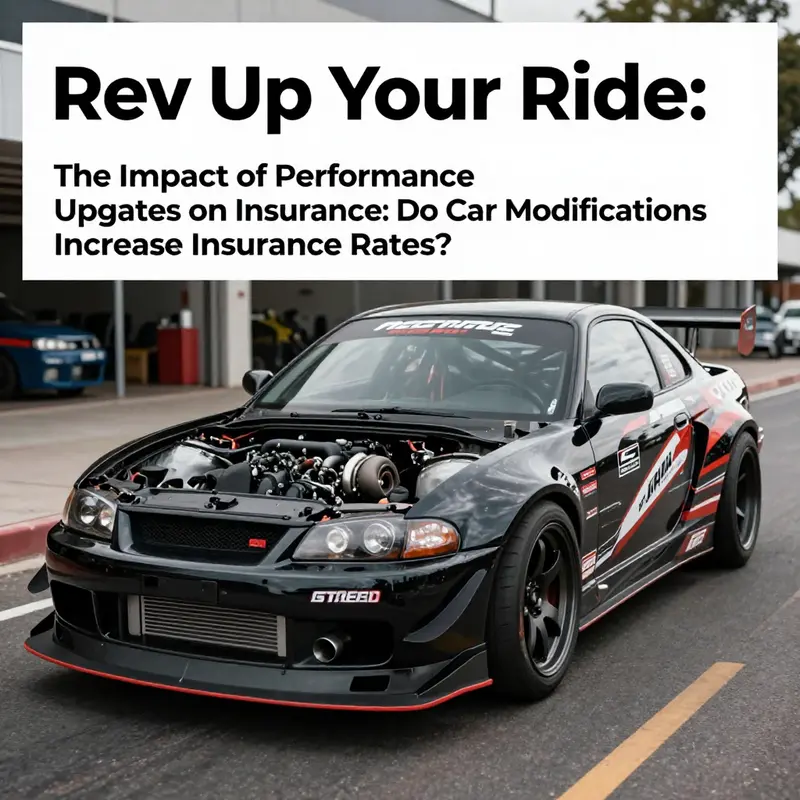
A car that leaves the factory line with more grunt often arrives at the insurer’s desk wearing a different risk profile. Modifications do not merely change a vehicle’s appearance or a driver’s experience; they alter the fundamental calculations behind risk, cost, and coverage. Insurers think in terms of probability and consequence. If a modification makes a car faster, more powerful, or more attractive to a thief, the expected cost of claims might rise. In that sense, performance upgrades typically push insurance rates higher, because they are correlated with a greater likelihood of accidents and theft. The logic is not simply about speed. It is about the way a vehicle behaves on the road, how repair costs scale with enhanced components, and how the overall risk landscape shifts when a car no longer mirrors its original design. This perspective helps explain why many standard policies either exclude modified vehicles or require specific endorsements, and why some drivers find themselves negotiating with insurers long before the wrench meets the chassis. The fundamental tension is simple: upgrades can deliver improved driving dynamics or thrill, but they also reframe risk in a way that claims history and actuarial models are not always prepared to accommodate without adjustments to price or coverage.
To understand how these price changes take shape, it helps to look at the key factors insurers weigh when they evaluate a modified car. First is risk assessment. A vehicle equipped with a high-performance engine, turbocharger, or upgraded suspension is inherently more capable of speed. That capability, while appealing to enthusiasts, also translates into higher potential for loss. Faster vehicles require longer stopping distances in some conditions, demand more precise handling, and can push tires and braking systems to the limit. In addition, these upgrades often increase the vehicle’s appeal to thieves. A flashy engine or a suspension setup that substantially alters a car’s dynamics can become a magnet for theft, compromising both the car and its occupants. From an insurer’s view, the combination of greater performance and higher theft risk compounds the expected costs of coverage. The result is a premium that reflects not just the car’s value, but the incremental risk introduced by the modifications themselves.
Second is liability. Modifications are not isolated parts; they can change how the car behaves in a collision, how injuries might occur, and how severe the financial impact could be. Insurers examine historical claim data and industry risk models to anticipate liability when a vehicle’s performance has shifted. A car with a more powerful engine can cause more severe accidents, potentially elevating medical and repair costs, and complicating liability assessments. This does not mean that every modification automatically raises costs; rather, it means that insurers treat performance-oriented changes as a factor in the broader risk equation. A driver who uses a modded car in a responsible, controlled manner might still face higher premiums, but the magnitude of the increase depends on the specifics of the modification, how the vehicle is used, and the driver’s history. The upshot is that performance changes must be considered alongside habit, usage patterns, and the overall risk profile that a driver and vehicle present to the insurer.
Third is the type and scope of the modification. Performance modifications—new engines, turbochargers, aftermarket exhausts, or upgraded suspensions—are typically associated with higher premiums. These parts can alter acceleration, cornering, and braking behavior, which in turn influence risk calculations. Cosmetic or nonessential upgrades, such as certain body kits or paint schemes, may not directly affect performance but can complicate repairs and resale value. In many cases, insurers view cosmetic mods as an added cost rather than an immediate performance risk, yet the cost of repairs and the likelihood of claims can still rise if those cosmetic alterations are expensive to fix after a collision. Conversely, safety-focused enhancements—such as upgraded braking systems, stability control, or advanced security devices—sometimes activate discounts, or at least soften the premium impact, because they can mitigate some risk factors. The key point is that the particular modification matters. Not all changes are created equal in the eyes of an insurer, and the way a modification interacts with the car’s original design, safety systems, and driver behavior influences the pricing decision.
Disclosures matter just as much as the parts themselves. A fundamental rule of insurance remains constant across markets: honesty about what is on or in the vehicle is essential. Failing to disclose modifications can have serious consequences, including denial of claims or cancellation of the policy after an incident. When a claim arises that involves a modified component or an altered performance characteristic, insurers will review whether the modification was disclosed, documented, and, ideally, pre-approved. If the vehicle is insured without awareness of the modifications, the insurer can contest coverage or seek to retract the policy. This risk underlines a practical truth for modded-car owners: transparency is not merely a courtesy; it is a financial shield. In some cases, a policy may include a clause that covers a particular modification only if it is explicitly declared and rated, and in others, coverage may be limited or excluded entirely if the owner fails to report changes.
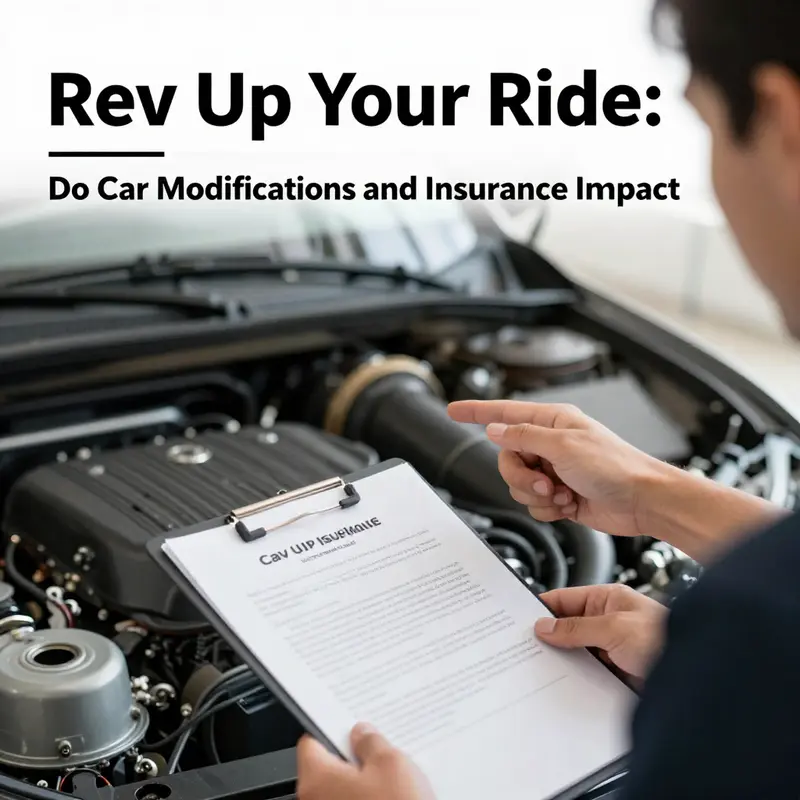
From a practical standpoint, the decision to modify a vehicle and the decision to insure a modified vehicle are bound together by a need for documentation. Documentation plays a central role in establishing the nature of the modification, the components used, the installation process, and the expected durability of the upgrades. Receipts, warranties, installation notes, and professional installation certificates can all serve as tangible evidence that the modification is legitimate, enhances safety, or maintains a certain level of reliability. Documentation helps insurers assess whether the changes were performed by qualified technicians, whether they meet recognized standards, and whether they have been properly registered with any relevant authorities or insurers. Some policies require that the vehicle be appraised after modifications to ensure the insured value aligns with the car’s current configuration. An appraisal can prevent underinsurance or disputes over the actual value of the vehicle after a loss, given that a modified car may be worth more (or, in some cases, less) than its stock counterpart depending on market demand and the quality of the work.
A related consideration is how a driver plans to use the car after modifications. Performance upgrades often lead owners to adjust their driving patterns—more spirited driving, less predictable usage, and, occasionally, participation in track events or competitive driving. Insurers usually want to know how the vehicle is used, including the typical daily mileage, the kinds of roads traveled, and whether the car will be driven primarily for commuting, weekend enjoyment, or occasional events. Shifting usage can alter risk exposure and, consequently, the premium. Some insurers distinguish between limited-use scenarios and regular high-performance use, and they may adjust rates accordingly. In all cases, honesty about usage helps reduce the chance of later disputes when a claim surfaces. The vehicle’s use profile can be as influential as the modifications themselves because it frames the real-world risk the insurer must cover.
The spectrum of possible outcomes is wide because market dynamics vary by insurer and region. Some providers may be more open to covering modified cars, especially if the modifications are well-documented, safety-forward, and installed by professionals. Others may take a more conservative stance, limiting coverage or excluding particular categories of modifications. The variation highlights the importance of shopping and asking targeted questions. If a driver believes a particular upgrade may raise premiums, they can explore insurers that offer specialist policies for modified vehicles, or they may seek endorsements that provide coverage for specific components, such as aftermarket wheels or performance parts, under clearly defined conditions. When contemplating a modification, one practical step is to contact the insurer before making changes. A pre-approval can reveal whether the modification will be covered, the extent of coverage, and the expected premium impact. This proactive approach helps avoid surprises later and clarifies what documentation will be required to support the change.
Given that modified cars intersect with both risk and reward, many drivers face a strategic choice: absorb higher costs or adjust the modification plan to minimize insurance impact. Not all modifications carry equal weight. Some drivers may find that certain performance upgrades offer meaningful driving benefits while adding only a modest premium increase, especially if the provider offers a discount for safety-enhancing features. Others may decide that a given upgrade does not justify the cost in terms of total ownership expenses, including insurance. In those cases, it can be sensible to prioritize upgrades that improve reliability, safety, or theft resistance over those that primarily increase top-end speed. The calculus is highly personal and must consider the full ownership lifecycle. The up-front cost of parts and installation, the potential impact on resale value, the ongoing insurance premium, and the prospects of future claims all come into play when deciding which path to pursue.
One factual thread that remains consistent across markets is the general trajectory: performance-focused modifications tend to raise premiums, but the total cost of ownership can still be optimized through careful planning. For example, an upgrade aimed at improving braking performance or stability control may, in some cases, be seen as a net positive if it reduces the risk of a crash. Likewise, security enhancements like alarms, immobilizers, or tracking devices can lower theft exposure and sometimes yield discounts. Insurers differ in how they weigh these enhancements and the resulting price impact. A critical takeaway for owners is to understand that the domain of modification sales is not a single, uniform category. It is a layered space where the engineering intent of a change, its real-world impact on safety and reliability, and the way it blends with a driver’s risk profile all influence the premium equation. In practice, this means no universal rule applies. Each modification, and each driver, will generate a unique insurer response.
Beyond the insurance mechanics, there is also an important cultural and practical dimension to modding and coverage. For many enthusiasts, upgrades are part of a broader lifestyle that includes car clubs, track days, and a culture of responsible performance driving. Car clubs and professional organizations sometimes provide guidance, resources, or negotiated insurance terms that recognize the realities of modified vehicles. In this context, a proactive owner who engages with insurers, maintains records, and adheres to safety best practices may find a smoother path to coverage than someone who treats modification as an afterthought. Still, the essential truth remains: performance upgrades affect insurance because they change the car’s risk profile, and the premium reflects that shift. This is not merely a price tag; it is a reflection of the uncertain, probabilistic nature of owning a vehicle that can deliver more than the stock design.
For readers seeking a concise view anchored in policy implications, the core message is straightforward. Modifications can increase insurance costs, particularly when they meaningfully boost speed or alter handling, or when they raise theft risk. The extent of any premium change hinges on the modification type, how well it is documented, whether it is pre-approved, and how the vehicle is used. Some safety-oriented upgrades may offset price increases, particularly if they reduce risk exposure or qualify for discounts. The safest route is to approach modifications with a plan that foregrounds disclosure, documentation, and discussion with the insurer before finalizing any changes. This approach not only protects coverage but also invites a more accurate quote that reflects the car’s true configuration and risk profile. To better navigate these waters, drivers can consult resources that address the intersection of car insurance and modifications, and consider internal guidance on coverage options for modified vehicles. For instance, there is practical guidance available on the topic of insurance for modified cars that can help clarify what to expect when premiums rise and how to structure coverage to fit a modded build. insurance for modified cars provides a focused lens on policy considerations, documentation requirements, and the kinds of terms that may appear in coverage plans.
In sum, the dynamic between performance upgrades and insurance premiums is rooted in risk assessment and the practical realities of claim costs. A higher-performance vehicle can be more costly to insure, not merely because it is more valuable, but because it changes how a car behaves, how repairs are priced, and how vulnerable it is to theft. Yet the story is not uniformly grim. Thoughtful planning, transparent disclosure, and careful selection of upgrades can shape a pathway to coverage that aligns with a driver’s goals and budget. The key is recognizing that modifications do not exist in a vacuum. They sit at the intersection of engineering, safety, finance, and law, where each decision can ripple through the policy and the price tag that accompanies it. For readers considering modifications, the journey from concept to coverage is as crucial as the modification itself. The better prepared you are, the clearer the lines between enhancement, risk, and reward will appear, allowing you to pursue the driving experience you want without sacrificing financial protection.
External resource and further reading can offer authoritative perspectives on how modifications intersect with insurance frameworks. For broader, authoritative guidance on vehicle insurance and modifications, see the Association of British Insurers (ABI) resource. https://www.abi.org.uk
null
null
Final thoughts
Navigating the world of car modifications and insurance can be complex, but understanding the potential financial implications is vital. As we’ve explored, while modifications can enhance performance and aesthetics, they can also significantly impact your insurance premiums and risks. It’s essential to be transparent with your insurer about any changes made to your vehicle. Doing so ensures that you remain covered and can prevent disputes in the unfortunate event of a claim. Embrace your passion for car modification, but do so with a keen awareness of how these enhancements can affect your insurance landscape.