
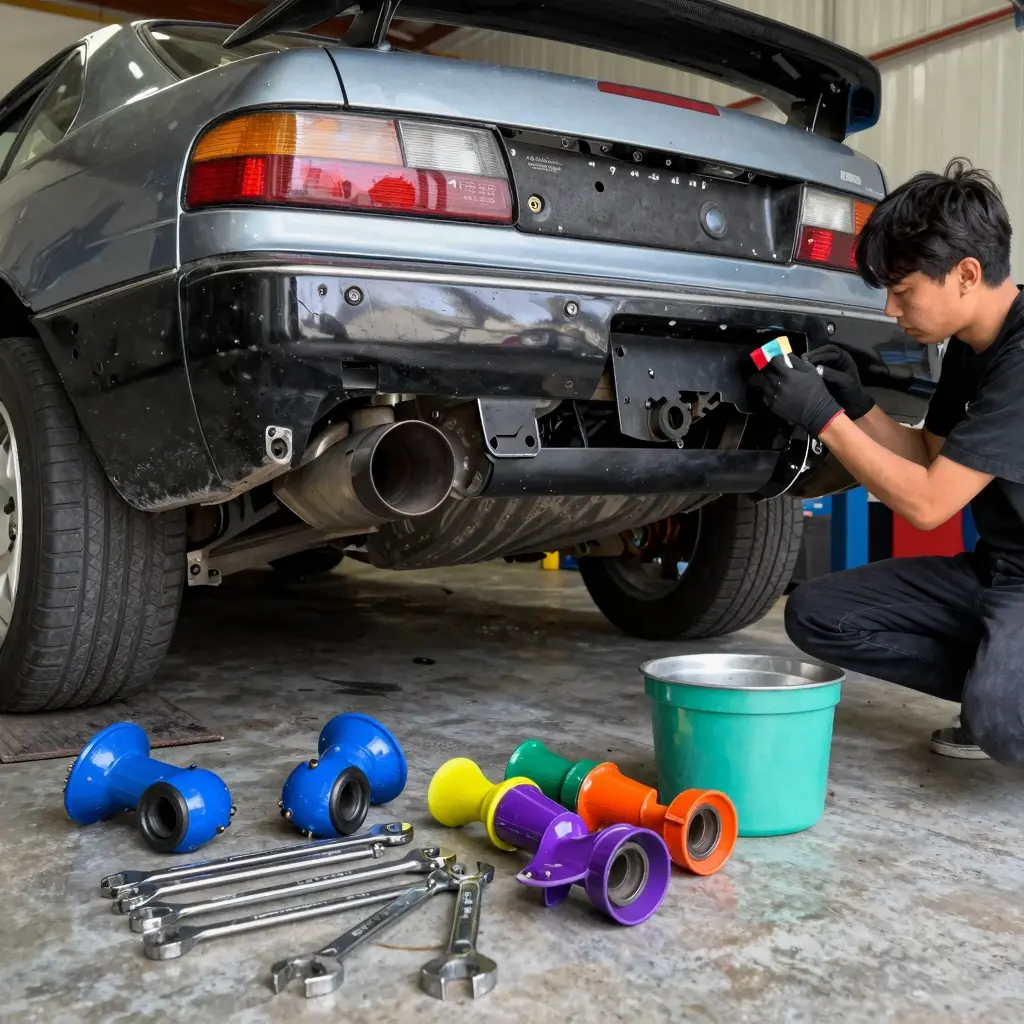
In the ever-evolving landscape of automotive culture, few topics ignite fervor among enthusiasts as much as car modifications. These modifications are not just enhancements; they are expressions of individuality, passion, and craftsmanship that bind the community together. Imagine a Saturday morning spent in the garage, surrounded by the familiar scents of motor oil and metal shavings, as you meticulously install a custom exhaust on your beloved ride. Each twist of the wrench is a labor of love-a moment where aspirations meet reality. But now, with the EPA’s potential ban on car modifications looming like a cloud over this vibrant community, that very joy faces a real threat. For many, a car is not merely a mode of transportation; it is a representation of personal identity, a canvas for creativity, and often, a cherished bond between owner and machine. This proposed ban could strip away the very essence of what it means to be a car modifier. As we delve into the implications of such drastic measures, it becomes critical to explore how these restrictions could not only stifle innovation but also dampen the emotional connections that define the car modification culture. Learn more about the risks of modifying financed vehicles and their impact on automotive enthusiasts.
The world of car modifications transcends mere mechanics; it is a vibrant tapestry woven from passion, creativity, and personal expression. For many enthusiasts, transforming a vehicle into a unique masterpiece is not just a hobby-it’s a devotion that ignites their spirit.
The Love for Transformation
Car modifiers breathe life into their vehicles, transforming ordinary cars into reflections of their personalities and aspirations. The excitement radiates from the very first adjustments, whether it’s swapping an engine, installing a cutting-edge sound system, or applying a stunning new paint job. This emotional journey is akin to an artist discovering a blank canvas, where each modification is a brush stroke contributing to a grand design.
Enthusiasts often describe the feeling of laying their hands on a car destined for transformation as euphoric. As one dedicated modifier described it, “When I’m working on my ride, every bolt and every part feels like a note in a symphony. It’s about creating harmony on wheels.” This quote perfectly encapsulates the euphoric connection between the hobbyist and their craft.
Community and Culture
In the realm of car modifications, community plays a pivotal role. Online forums, local car shows, and meet-ups become sacred spaces where enthusiasts share ideas, tips, and stories. These gatherings foster relationships rooted in shared passion. It’s not just about the cars; it’s about camaraderie, learning, and inspiring each other to reach new heights of creativity. The late automotive designer Carroll Shelby once noted, “What motivates me is the people who believe you can achieve greatness. I want to keep enhancing that belief through my work.”
With every modification, the enthusiast isn’t merely changing the car-they are creating a legacy. Classic car restoration, for instance, is often described as a deeply emotional process. Vintage car hobbyists infuse their vehicles with stories and histories, ensuring that each ride carries with it the essence of the past.
The Challenges Ahead
However, this passionate dedication is now threatened by potential restrictions on car modifications. The idea that the EPA might impose bans stirs frustration and concern among hobbyists who view their cars as a personal expression devoid of harmful intentions. The drive to modify isn’t just about performance; it is about creative freedom and the joy of making something uniquely yours.
Enthusiasts passionately advocate for their rights to modify, emphasizing the meticulous care they exercise in adhering to safety and environmental standards. As one passionate advocate stated, “Each mod I make enhances safety and performance-it’s about balance, not chaos.”
Conclusion
The emotional pull of car modifications is undeniable. It binds together enthusiasts from various walks of life, uniting them in their quest for creative authenticity. The joy of transforming a vehicle into an expression of self is a privilege that hobbyists will tirelessly defend.
To delve deeper into the impact of modifications on vehicle value and insurance, learn more about car modifications and resale value.
As this debate continues, may the voices of hobbyists echo louder, reminding us that creativity on wheels is a cherished freedom worth fighting for.
Blockquote on Vehicle Modifications
“Car tuning is not just about performance; it’s an expression of individuality and freedom. Regulations that attempt to stifle this creativity feel like a direct attack on our passion and the culture we’ve built around these machines.” – Anonymous Car Tuner
The drive behind vehicle modifications is deeply personal for many enthusiasts. Regulations pose challenges not just to performance but to self-expression. It is crucial to recognize that modifications often stem from a diverse passion for automotive culture, safety improvements, and even historical preservation in classic car restoration.
For those looking to navigate this landscape responsibly, our guide on modifying financed vehicles: risks and considerations can provide additional insights into maintaining compliance while pursuing your passion.
Overview of Current EPA Regulations on Car Modifications
In recent years, the Environmental Protection Agency (EPA) has ramped up its regulatory approach to car modifications, particularly concerning emissions standards. This has had a profound impact on hobbyists, professional tuners, and anyone who loves to modify their vehicles. The EPA’s regulations aim primarily to safeguard human health and protect the environment by enforcing stringent emission standards across various vehicle classes.
How EPA Regulations are Crafted
The EPA crafts its regulations through a detailed process that includes scientific research, stakeholder input, and legislative frameworks. Public comments are solicited during the proposal stages, allowing enthusiasts and industry professionals to voice their concerns or support. This process is vital as it shapes regulations that not only target pollution control but also consider the automotive community’s needs and innovations. Learn more about how environmental regulations affect car modifications.
Intent Behind the Regulations
The primary intent of these regulations is to reduce harmful emissions from vehicles and mitigate climate change effects. With new rules focusing on greenhouse gas emissions, the EPA is not only targeting conventional gasoline vehicles but is also pushing the industry towards electric vehicle (EV) adoption, which it sees as the future of transportation. Notably, the new standards set for 2023 to 2026 are projected to help avoid over 3 billion tons of greenhouse gases by 2050, signaling a robust shift towards sustainability.
Recent Trends and Changes
In 2023, the EPA unveiled new pollution standards that include some of the most stringent demands for tailpipe emissions ever. These standards are designed to cover a wider array of vehicles, significantly affecting the aftermarket tuning community. For those who traditionally modify their cars for performance, these regulations create a complex landscape where compliance can often feel incompatible with enhancement goals. Notably, the trend is toward elevating electric vehicles in the market-approximately 50% of new cars sold must be zero-emission vehicles by 2030, according to the latest proposals. This transition implies a more cautious approach to modifications, requiring car enthusiasts to stay informed and compliant.
For hobbyist modifiers and professional tuners, these regulatory changes mean that staying abreast of legislative developments is crucial. While the passion for cars remains steadfast, the environment’s protection through regulation introduces a necessary complexity that enthusiasts must navigate.
| Modification Type | Regulation Status | Possible Penalties |
|---|---|---|
| Exhaust Systems | Subject to emissions standards and noise regulations | Fines up to $37,500 per violation, potential vehicle impoundment |
| Engine Tuning | Must comply with emissions regulations | Civil penalties, fines, and potential voiding of warranties |
| Body Kits | Generally allowed, but must not interfere with safety or emissions | Fines, modifications deemed illegal or unsafe |
| Cold Air Intakes | May affect emissions, requires compliance | Fines and penalties if emissions exceed standards |
| Suspension Kits | Allowed, but modifications must meet safety standards | Safety violations may incur fines and re-inspections |
| Performance Chips | Must not cause non-compliance with emissions | Fines and potential recall of vehicles not adhering to EPA standards |
The Community Impact of Car Modification Regulations
The recent push to impose tighter regulations on car modifications is not just a bureaucratic issue; it stands to reshape local communities, reverberating through car clubs, automotive businesses, and the entire DIY culture. While government agencies argue that these changes are necessary for safety and environmental protection, many in the automotive community see them as an encroachment on personal freedom and community identity.
Effects on Local Car Clubs
Local car clubs are often more than just meetups; they are vibrant communities where enthusiasts share ideas, skills, and a passion for automotive culture. A ban on modifications can lead to dwindling membership and participation in these clubs.
“If we can’t modify our cars, what’s the point of being in a club? It’s about expressing ourselves and our creativity. Without modifications, it feels like a knife to the heart of our community,” says Jake, a long-time member of a local car club.
Impact on Automotive Businesses
The aftermarket industry thrives on the enthusiasm of car modifiers. Shops dedicated to performance tuning, custom parts, and automotive paint are part of the backbone of the local economy. A clampdown on modifications could potentially lead to massive layoffs and closures. With the majority of these businesses relying on consumers who wish to personalize their vehicles, the repercussions would be dire.
A recent article from Modded notes that the ban could significantly impact the automotive aftermarket industry:
“Local businesses are going to suffer if people can no longer modify their cars. The market thrives on personalization-if that’s taken away, many shops will close.”
Diminishing DIY Culture
The DIY ethos is a cornerstone of the car modification community. Many enthusiasts take pride in building or modifying their own vehicles, often passing down skills through generations. This culture not only empowers individuals but also fosters creativity, innovation, and community engagement. Banning mods would stifle this organic growth and creativity.
Testimonials and Community Sentiment
A passionate resident who runs an auto repair shop expressed the worries shared by many in the community:
“Modifying isn’t just a hobby; it’s a way of life for many of us. If the government takes this away, it’s not just the cars we’re losing; it’s our sense of pride and community. We risk becoming a homogenized society where everything looks the same-boring and uninspired!”
Moreover, DIY modification not only teaches valuable mechanical skills but also encourages a sense of responsibility and engagement with one’s vehicle, which can lead to safer driving practices. The potential loss of such cultural and educational opportunities poses a broader question about community values.
The Bigger Picture
From influencing local economies to diminishing community spirit and identity, the implications of banning car modifications extend far beyond the automobile itself. Car enthusiasts view their vehicles as an extension of themselves, imbued with creativity and personal history. The looming regulations would strip away this essential self-expression.
For deeper insights on how car modifications impact your community, read more about community feedback on car modifications.
As the conversation continues surrounding car modification regulations, it’s crucial for community voices to be heard. The heart of car culture beats within local communities, and those communities deserve the right to modify their rides to their heart’s content.
Car modifications offer numerous advantages that can significantly enhance your driving experience. Here’s a bulleted list highlighting some of the key benefits:
-
Improved Performance:
Modifications such as engine tuning, exhaust system upgrades, and improved suspension can lead to better acceleration, handling, and overall driving dynamics. According to Big Daddy Kreativ, performance enhancements can prolong a vehicle’s lifespan and reduce the risk of engine failures. -
Increased Safety:
Upgrades like better brakes, reinforced body kits, and advanced lighting systems enhance the safety of the vehicle. Custom modifications allow enthusiasts to tailor safety features to better suit their driving style, which can be especially beneficial for track day or performance-based driving. -
Enhanced Aesthetics:
Modifying a vehicle can transform its appearance, reflecting the owner’s personality and preferences. From body kits to custom paint jobs and wheel upgrades, aesthetic enhancements can make a car stand out on the road, as discussed in The World Beast. -
Cost Efficiency:
Instead of investing in a new vehicle, modifying an existing car can be a cost-effective alternative that rejuvenates your driving experience without breaking the bank. As noted by Utopia Tints, modifying a car is often more economical than purchasing a new one. -
Community and Culture:
Engaging in car modifications connects enthusiasts with a vibrant community of like-minded individuals. This shared passion often leads to knowledge sharing, support, and a sense of belonging among car modifiers.
Car modifications can be much more than visual enhancements; they significantly impact safety, performance, and personal expression. Exploring these benefits not only enriches your relationship with your vehicle but also solidifies your place in the automotive culture.
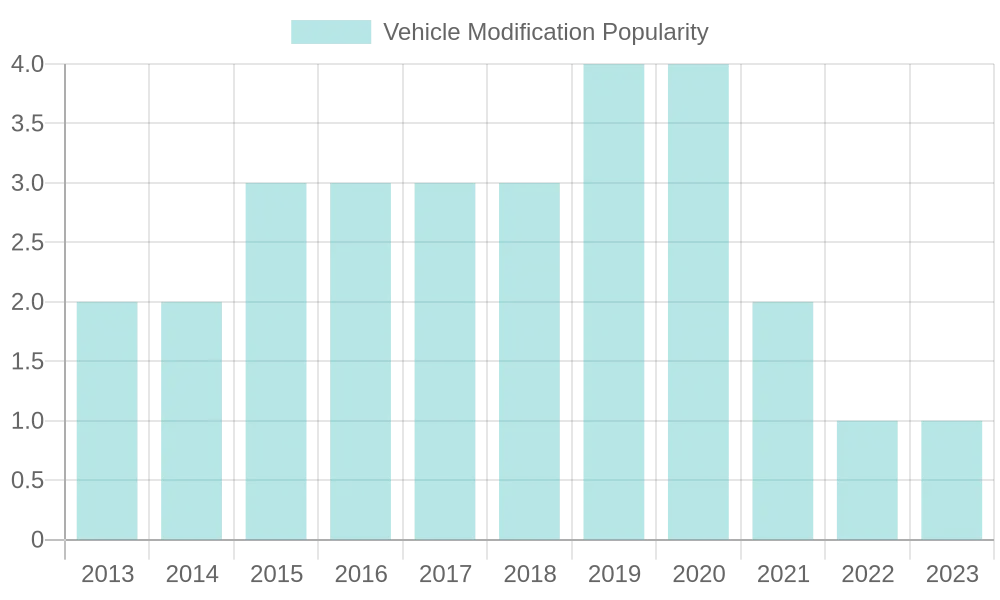
| Year | Vehicle Modification Popularity | EPA Regulatory Strictness |
|---|---|---|
| 2013 | Medium | Low |
| 2014 | Medium | Low |
| 2015 | High | Low |
| 2016 | High | Low |
| 2017 | High | Medium |
| 2018 | High | Medium |
| 2019 | Very High | Medium |
| 2020 | Very High | High |
| 2021 | Medium | High |
| 2022 | Low | High |
| 2023 | Low | High |
This chart highlights the trends in car modifications over the past decade. Starting from 2013, car modifications saw a general increase in popularity, peaking around 2020. However, the effects of EPA regulations began to take a toll, leading to a significant decline in modification activities that persists to this day. For more about how these modifications affect car insurance, learn more about car modifications and insurance.
As we stand at the crossroads of innovation and regulation, the passion for car modification beckons us to unite and make our voices heard. The EPA’s attempt to restrict our freedom to personalize and enhance our vehicles is more than just a policy issue-it’s a challenge to our creativity, our heritage, and our community. Whether you’re a hobbyist pouring heart and soul into your weekend project, a professional tuner pushing the limits of performance, a classic car enthusiast preserving automotive history, or a global fan embracing the culture, your perspective matters deeply.
Now is the time to engage, to share your stories, your concerns, and your visions for the future of car modification. Join forums, participate in community discussions, and connect with like-minded enthusiasts who believe that responsible modification can coexist with environmental responsibility. Educate yourself about how regulations impact not just our freedoms but also the innovations that drive safer, cleaner modification technologies. For those keen to protect their investments and understand the broader implications, explore insights on car modifications and resale value and how premium customizations can add lasting worth.
And when it comes to bringing your automotive dreams to life, trust only the best. Summit Fairings is your go-to source for custom parts that elevate your ride’s style, performance, and individuality. Their expert craftsmanship empowers you to build not just a car, but a statement-a reflection of your passion and personality. Don’t settle for the ordinary when you can make extraordinary modifications with Summit Fairings.
Take a stand for the art and science of car modification. Speak out against overreaching bans, support innovators, and fuel the community that drives this culture forward. Your voice is powerful. Your ride is your canvas. Let’s make sure the freedom to customize and innovate continues to thrive. Get involved, get inspired, and transform your vehicle into the masterpiece it was meant to be.