

Car modifications are more than just aesthetic changes; they represent a commitment to enhancing the performance, safety, and overall driving experience of vehicles. Whether you’re a hobbyist modifying your daily driver or a professional tuner readying a car for the racetrack, understanding the financial implications of these modifications is crucial. This article will guide you through the costs associated with common car upgrades, from brake system enhancements to powerful engine performance tweaks. Each chapter builds a comprehensive picture of what to expect in terms of expenses and helps you navigate your car modification journey with confidence.
Braking the Budget: Unpacking the Real Costs of Brake System Upgrades in Car Modifications
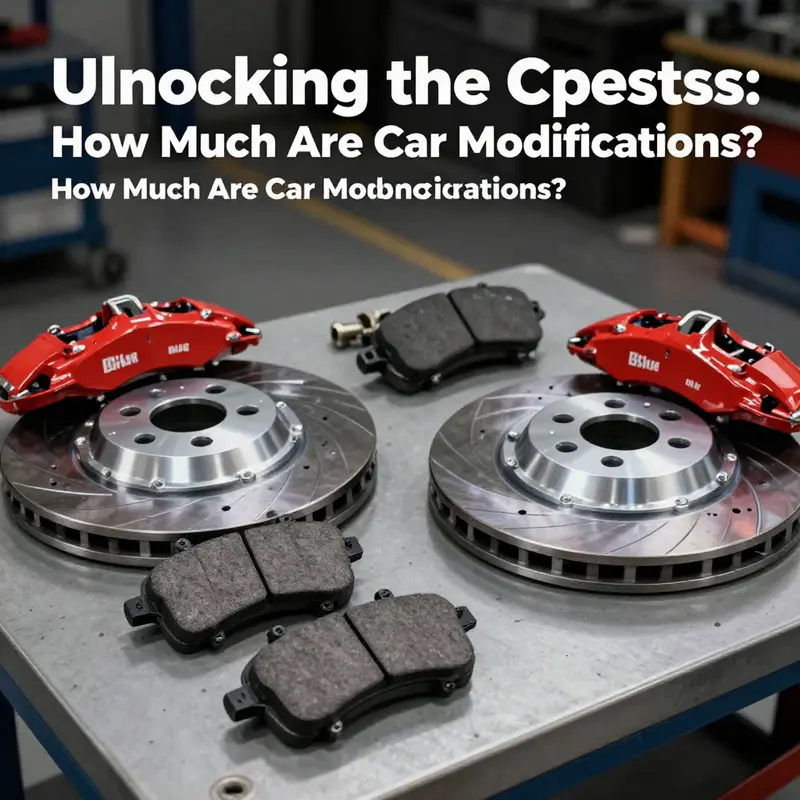
Brake upgrades sit at the intersection of safety, drive feel, and the overall cost of modification. A plan-driven approach helps you translate power into controlled stops rather than chasing raw speed. Costs range from small, maintenance-based upgrades to fully engineered, track-ready systems. Basic upgrades like replacing pads and refreshing brake fluid typically run about $100 to $200 for pads and fluid combined, depending on vehicle size, pad compound, and shop labor. A mid-range path might include performance pads, stainless steel braided hoses, and larger rotors, with parts commonly in the $500 to $1,500 range. For track days or high-performance street use, expect to spend more—about $2,000+ per axle for multi-piston calipers and matching rotors; a full front-and-rear upgrade on a mid-size car can push to $4,000–$6,000 in parts alone. In the most extreme setups, carbon-ceramic or exotic systems can reach the tens of thousands for a complete package. Real-world costs also depend on installation quality, mounting hardware, bed-in procedures, and whether the upgrade requires additional cooling or suspension tweaks. Other considerations include how the brakes interact with tires and weight distribution, and how upgrades fit into the car’s overall mission. Insurance can see braking modifications as material changes, so check with your policy; you can explore related guidance here: https://modifiyeliarabalar.net/blog/do-car-modifications-increase-insurance/
Taming the Ride: How Much Do Suspension Upgrades Cost in Car Modifications?
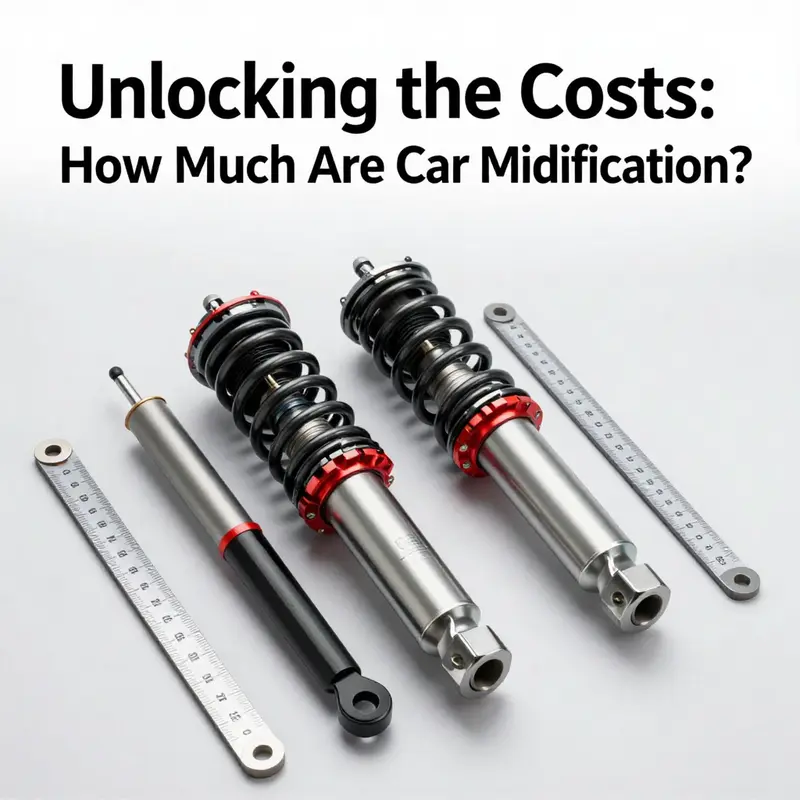
Suspension is the unsung backbone of a car’s behavior. It determines how a vehicle meets the road, how it grips through corners, and how predictable its response feels when you push it a notch or two past stock settings. When people ask how much car modifications cost, suspension upgrades tend to fall into a middle ground: not the cheapest bolt-ons, but not always the most expensive path either, especially if you’re balancing daily usability with track-day ambitions. The cost picture starts with a simple truth: it depends on what you want the car to do, how much you value ride comfort, and how much you’re willing to invest in chassis reliability. The state of the market today reflects a broad spectrum. You can choose from basic replacements that restore or slightly improve the original feel, to sophisticated systems that let you dial in ride height and damping for specific driving goals. The ranges are wide because suspension work touches every ounce of geometry in the vehicle: springs, dampers, sway bars, control arms, bushings, and the sometimes delicate interplay with alignments and tire choices. A strong first principle guides any decision about cost: more dramatic handling improvements typically require more comprehensive and more expensive parts, along with careful installation and precise alignment. That combination—quality components plus professional setup—helps prevent the kind of wear that can turn a promising modification into a long-term maintenance headache. For the price-conscious reader, basic upgrades offer a compelling balance of benefit and expense. Replacing factory shocks with aftermarket units, for instance, is a common starting point. Expect to pay roughly two hundred to six hundred dollars per corner, depending on whether you’re chasing a firmer ride, better control, or a smoother highway feel. A complete set of shocks and struts across all four corners typically lands in the eight-hundred to two-thousand-four-hundred-dollar range, not including labor. This is the baseline that most enthusiasts consider when they want real performance without breaking the bank. A larger but still modest improvement often comes with upgrading the anti-roll, or sway, bars. These components reduce body roll during cornering and can commonly be found in the one-hundred-fifty to five-hundred-dollar range for a ready-to-install piece. The perceivable payoff is not merely tighter cornering; it’s a sense of steadiness that makes everyday driving feel more confident, especially on uneven roads or during spirited back-road miles. If you’re cataloging the most affordable avenues into suspension work, these parts are where many begin, and they’re frequently paired with new bushings to reset the car’s geometry to a more precise baseline. When the desire shifts from simply replacing worn parts to altering the car’s stance and behavior more significantly, the costs climb. Lowering kits, for example, illustrate the spectrum clearly. A simple set of lowering springs can be as affordable as a hundred fifty dollars to four hundred dollars for a complete set, but the more aggressive and adjustable options—coilover systems—range from about one thousand to three thousand dollars and up. Coilovers bring two distinct advantages: a defined ride height and the possibility of damping adjustment. They enable a vehicle to be stiffer or softer for different driving surfaces and uses, and they unlock fine-tuning that a daily driver might only dream of in terms of balance between comfort and performance. For track-oriented builds or vehicles destined for serious performance outings, a full suspension kit can escalate this cost considerably. Packages that include struts, springs, sway bars, bushings, and precise alignment components can run from two thousand to five thousand dollars or more, depending on the vehicle and how far the designer aims to push the limits of handling. The price ladder doesn’t end with parts. Installation plays a central role in the final bill. Even when the parts are reasonably affordable, labor charges can add up quickly. A typical professional installation for a suspension upgrade falls into the three hundred to eight hundred-dollar range, influenced by the shop’s hourly rate and the complexity of the work. After the mechanical changes, alignment is not optional but essential. A quality four-wheel alignment after suspension work generally costs about one hundred to two hundred dollars and is crucial to realizing the intended handling improvements and tire life. It’s tempting to skip the alignment, or to rely on a quick, imprecise adjustment, but the consequences show up as uneven tire wear, steering pull, or unpredictable behavior at the limit. Hidden costs and potential risks also shape the true price of suspension work. Any modification that alters the chassis geometry has the potential to affect wheel alignment, tire wear patterns, steering components, and even drivetrain dynamics. If the changes aren’t matched with proper installation and regular maintenance checks, part life can shorten, and the car can feel out of balance in ways that erode confidence and safety. A thoughtful approach to suspension upgrades weighs not only the sticker price but also the long-term reliability and the impact on warranty terms, particularly on newer vehicles where alterations may affect coverage. The discipline of suspension tuning sits at the intersection of physics and practicality. Engineers talk about suspension as a network of interdependent factors—geometric relationships, damping curves, spring rates, bump steer, and weight transfer characteristics—all of which must work in concert. This is why cost-effective upgrades look different from bespoke race-spec builds. The former emphasizes durability and consistency, while the latter privileges precise control at the expense of comfort and daily usability. The decision to pursue suspension work should be framed by how you intend to use the car. If the goal is daily comfort with occasional performance drives, the path of moderate shocks and a modest sway-bar upgrade often yields the best return on investment. If the aim is track days or time-attack attempts, coilovers, a complete kit, and expert setup become more justifiable. In any case, a careful plan that considers both the vehicle’s original geometry and how far you’re willing to push the envelope will help keep costs predictable. It’s also worth noting how suspension choices interact with other modifications. A stiffer chassis and tighter geometry can reveal or amplify issues in alignment or tire selection that stock settings simply tolerate. Conversely, certain upgrades may allow you to maximize the performance of other parts, like higher-performance tires or upgraded brake systems, by providing a more stable platform for those components to work together. If you are exploring how suspension changes align with broader modification goals, you may find it helpful to read about how modifications affect resale value and overall vehicle economics, such as in resources dedicated to car modifications and resale value. car modifications and resale value This broader perspective helps ensure that you aren’t investing in a change that erodes long-term value or misaligns with your plans for the car.
Looking ahead, the suspension path you choose should reflect a deliberate trade-off between comfort, handling, and cost. For a daily driver, a conservative upgrade that preserves ride quality while enhancing cornering stability often yields the best satisfaction-to-cost ratio. For enthusiasts who use their cars as a platform for experimentation or competition, the higher price tag buys you the ability to dial in suspension behavior with greater precision, but it also carries more risk if the work isn’t executed with meticulous care. In both cases, the aim is to create a balanced system that suits the vehicle and its operator, rather than chasing a single singular performance metric. It’s a reminder that the question “how much do suspension upgrades cost?” is really a question about how you value control, predictability, and confidence on the road. Finally, for a deeper dive into how suspension design creates the nuanced handling characteristics that we experience on the street or track, seek out broader engineering discussions that outline the trade-offs involved. External resource: https://www.sciencedirect.com/topics/engineering/suspension-characteristics
null
null
The Real Price Tag of Car Modifications: From Aesthetic Touch-Ups to Performance Overhauls
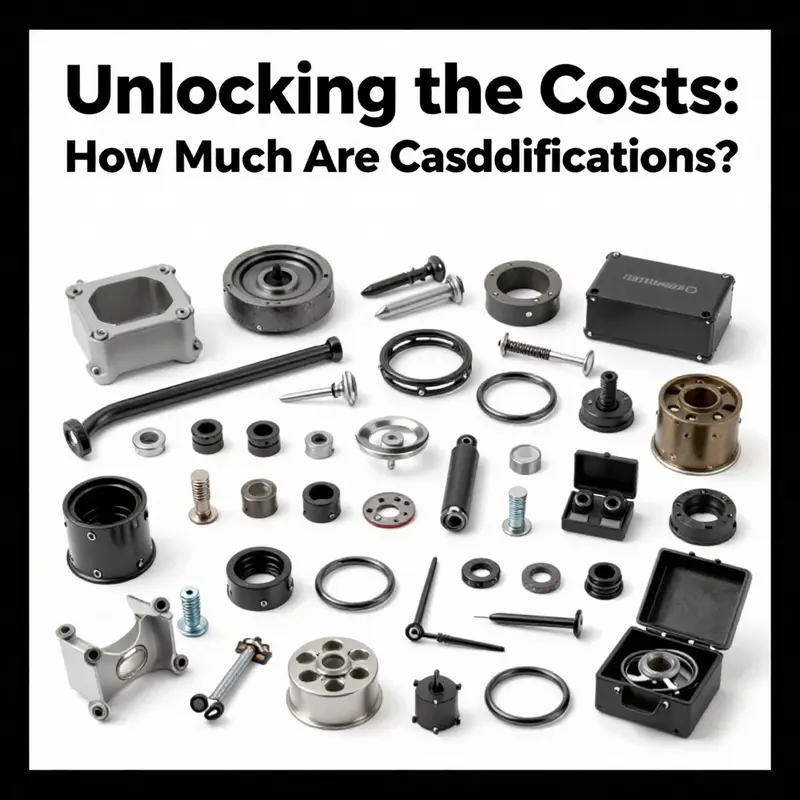
Modifying a car is rarely a single, simple decision. It’s a process that blends personal taste with engineering, luck, and a budget that often grows as you learn how many levers influence a finished result. The true cost of car modifications isn’t a single number but a spectrum that spans small, cosmetic tweaks to full-scale performance overhauls. The price you pay hinges on three core variables: the type of upgrade, the quality of parts, and whether you tackle the work yourself or hire a professional. Even within the same category, prices can swing dramatically depending on the vehicle you own, the shop you choose, and the level of ambition you bring to the project. The general framework of costs, established by industry practice, gives buyers a realistic map of the road ahead. Basic upgrades like a set of high-performance brake pads may be affordable enough to fit a modest hobby budget, while a complete, race-ready package can push well beyond the tens of thousands of dollars. What follows is a more integrated look at the cost landscape, weaving factual ranges with the practical realities that shape a buyer’s decision.
For someone seeking a handful of changes that alter aesthetics and feel rather than performance, the journey typically begins with cosmetic and lightweight functional updates. Basic aesthetic modifications can set the tone without breaking the bank. A custom paint job or a vinyl wrap, depending on coverage and material quality, can start around $500 and climb to about $2,000. Simple wheel upgrades, which can transform stance and presence, usually fall within a similar range. These are the kinds of upgrades that let a car look more personalized without demanding extensive labor or specialized knowledge. They are also the kinds of changes that many new hobbyists start with to build familiarity with the modification process before committing to more complex projects. The cumulative effect of these updates is often more than cosmetic, providing a psychological and perceptual upgrade that can affect how the car feels to drive, even if the horsepower or handling hasn’t yet moved in the same direction.
As taste and confidence grow, many owners shift toward more extensive modifications that touch aerodynamics, bodywork, and the overall silhouette. Body kits, widebody fenders, and custom grilles illustrate how appearance and function can converge. These upgrades typically range from roughly $3,000 to $10,000 or more, with the final number heavily dependent on the materials chosen and whether installation is performed by a professional shop. The more intricate the kit and the more precise the fit needs to be, the higher the price tag tends to rise. The same principle applies to parts like wide fenders, which not only alter the look but also accommodate wider wheels, affecting rollover behavior and handling dynamics under certain conditions. In short, the more you push the envelope with external styling and aero elements, the more you’re likely to invest in both parts and labor, and the more critical the professional installation becomes to ensuring safety and structural integrity.
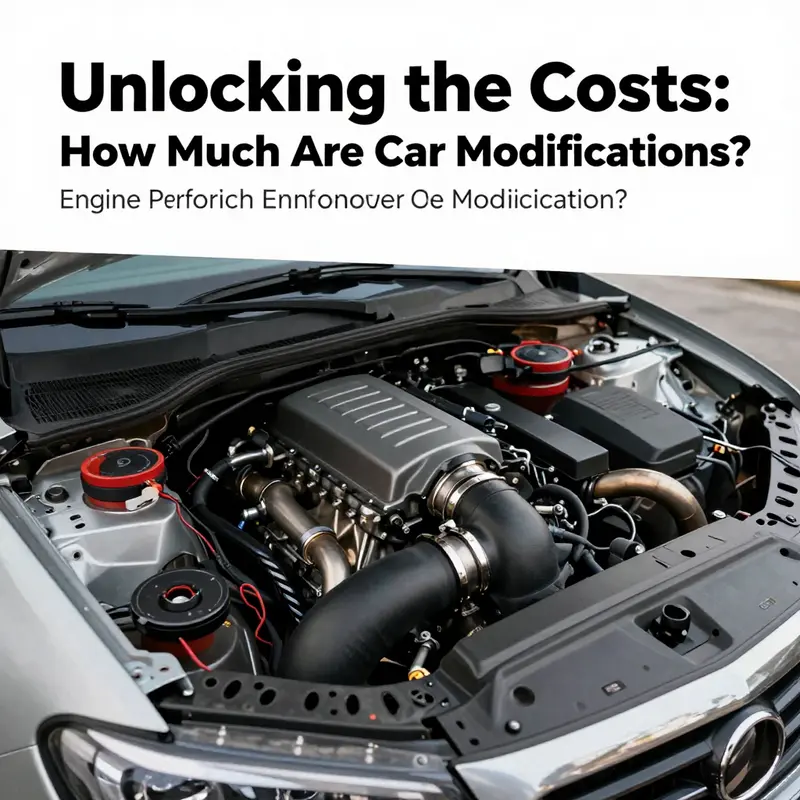
When aesthetics yield to performance, the costs become less predictable and, for many enthusiasts, more compelling. Engine tuning, exhaust systems, and suspension work shift the conversation from “how it looks” to “what it does behind the hood.” Engine tuning—whether through an ECU remap, a bolt-on upgrade, or more sophisticated modifications—can span a wide range. A modest, bolt-on upgrade like a cold air intake might cost between $200 and $500, with measurable but incremental gains in airflow and throttle response. A more sophisticated performance exhaust system, spanning headers, mid-pipe, and muffler, commonly sits in the $600 to $1,500 neighborhood. The most influential tuning, however, often involves ECU programming or remapping, which typically runs from $300 to $1,000. For those who pursue internal engine enhancements—such as forged internals or turbocharging—the costs can escalate into tens of thousands of dollars, reflecting the reliability, certification, and precision required for high-stress operation. The cumulative effect of performance changes, when combined with upgraded exhaust and intake systems, can be transformative, changing the way a car breathes, responds, and rides at the limit. It is not uncommon for a dedicated performance build to surpass the simple sum of its parts when you factor in tuning, calibration, and the ongoing need for high-quality fuel and maintenance.
Suspension and handling enhancements form another cornerstone of the performance equation. Upgrading shocks and struts to higher-performance units typically costs between $300 and $1,000 per corner, depending on the brand, the vehicle, and the desired dampening characteristics. When you add upgraded control arms, bushings, and sway bars, you’re often looking at an additional $500 to $1,500. A complete suspension package—including springs and dampers—can range from about $2,000 to $5,000, with higher-end configurations for track-focused builds rising further. These choices are not merely about comfort; they influence cornering stability, weight transfer, and tire contact patches under dynamic driving scenarios. For many drivers, a well-chosen suspension package is the single most significant modifier of how a car handles on a winding road or a racetrack, and the price reflects both the engineering complexity and the labor intensity involved. The result can be a vehicle that feels more alive, more composed, and more predictable when pushed hard, but the investment is nontrivial and must be weighed against other potential uses for the funds.
A broader take on a car’s modification journey reveals the potential for truly transformative projects that blend aesthetics, performance, and technology. A full customization can involve multiple systems, from cosmetics to aero dynamics to bespoke interior work. A comprehensive customization that combines a full custom paint job with an aerodynamic kit and upgraded wheels can easily exceed $25,000, and in some cases reach far higher figures depending on the level of personalization and the exclusivity of the components. For a handful of enthusiasts, this represents not merely a hobby but a long-term project that evolves with every season, every race, and every show. It’s not simply about faster or flashier; it’s about creating a cohesive machine that expresses identity while maintaining reliability and safety. In this sense, the true cost is not only the sticker price but also the ongoing commitment to maintenance, tuning, and, occasionally, the inevitable refinements needed to keep an intricate system harmonized.
Several factors shape the final tally beyond the specific parts and labor. The vehicle make and model play a meaningful role—exotic or luxury cars often demand higher parts costs and more specialized labor, which can push price tags upward quickly. The level of personalization matters as well; unique paint, rare materials, or one-off aero components can add premium charges for design and fabrication. The choice between DIY and professional work is perhaps the most powerful determinant of total cost. While a skilled owner may save money by sourcing parts and performing some tasks, professional installations deliver safety margins and warranties that many buyers value, particularly when performance or safety systems are involved. It’s not just about the immediate outlay; professional work can reduce the risk of costly mistakes and ensure that the modifications integrate smoothly with the car’s existing systems.
The financial planning around modifications also invites reflection on resale value and risk. Modifications can affect how a car appeals to future buyers, and some owners find that certain upgrades increase perceived value, while others may dampen it. A well-executed, high-quality modification can be a selling point for enthusiasts, yet over-the-top or poorly executed changes may complicate valuations. The interplay between personalization and market demand is nuanced, and many buyers weigh the durability of the modifications, the quality of installation, and the originality of the vehicle when considering resale. For readers curious about how modifications influence resale value, a detailed discussion exists that explores the nuanced balance between customization and market perception. car modifications and resale value.
Insurance considerations add another layer. Modifications can alter risk profiles and premiums, and some modifications may affect coverage or eligibility for certain policy terms. The type and extent of modifications matter, as do the insurer’s policies and the specifics of the vehicle. Owners who plan to modify should engage with their insurer or a knowledgeable broker to understand how each change might impact premiums, coverage, or warranties. Understanding these implications early can prevent surprising gaps in protection or unexpected cost increases after the work is completed. It’s also wise to document modifications comprehensively, including part numbers, installation certificates, and professional endorsements, to facilitate clear communication with insurers and potential buyers.
All of these considerations underscore a broader point: there is no one-size-fits-all answer to the question, “how much are car modifications?” Vehicle type, aspiration level, and practical constraints converge to produce a personalized budget that can vary dramatically from one project to the next. For accurate pricing based on your specific needs, consulting specialized shops or using reputable online platforms that offer detailed quotes tailored to your customization goals is prudent. When approaching pricing, it helps to have a clear baseline—identify the upgrades you want, estimate part and labor costs, and then map out contingency funds for install challenges or unforeseen expenses. The path from concept to completion is rarely linear; it’s a careful negotiation between imagination, capability, and budget. And while the final receipt may be substantial, the payoff—if it aligns with your vision and remains safe and reliable—can be a deeply satisfying way to make a car feel uniquely yours.
For broader context on specifications and to ground expectations in concrete examples, you can reference external materials that discuss how modern performance packages are packaged and priced in production vehicles. For further specifications, you may refer to the BMW i4 Gran Coupe features and specifications: https://www.bmw.com/en/vehicles/electric-vehicles/i4-gran-coupe.html#features-specs
Pricing Precision: Understanding How Much Car Modifications Really Cost

Every question about how much car modifications cost starts with a simple reality: there is no one-size-fits-all price. Prices swing with the type of upgrade, the quality of parts, and whether you tackle the work yourself or hire a shop. A practical way to frame the conversation is to think in tiers. Cosmetic and simple mechanical upgrades sit on one end, while high-performance, race-oriented builds sit on the other. The ranges you encounter in shops and forums reflect this spread. For braking, you might see a basic package of high-performance pads costing a few hundred dollars per axle, while moving to larger rotors and multi-piston calipers can push the parts alone into the $800 to $2,500 range, not counting installation. Add high-grade brake fluid and stainless braided hoses, and you can add another hundred dollars or so. If you want a full system overhaul with a new master cylinder, that price can easily exceed $3,000 before labor. This is the kind of baseline you can hold onto when you start budgeting for a project, because the actual total will depend as much on the choice of components as on the labor rate where you live.
Suspension and handling follow a similar logic. The cost of replacing standard shock absorbers with performance units typically lands in the $300 to $1,000 per corner range. Upgrading control arms, bushings, and adding sway bars can add another $500 to $1,500, depending on the vehicle and the brand of parts. A complete suspension package, including springs and dampers, often lands in the $2,000 to $5,000 band when you factor in both parts and installation. The math isn’t simply additive, either: adjustments to one subsystem can influence alignment, ride height, and tire wear, all of which ripple into costs over time. Yet the payoff is usually a more predictable handling balance and greater driver confidence, especially on spirited drives or track days.
Engine performance enhancements illustrate how quickly costs can escalate when ambition meets engineering. Simple bolt-on upgrades like a cold air intake system sit at around $200 to $500. A performance exhaust system, including headers, mid-pipe, and muffler, generally runs $600 to $1,500. A calibration or ECU remap, which can unlock what the hardware already has the potential to do, typically costs $300 to $1,000. Importantly, more ambitious plans—internal work like forged components, turbocharging, or complete turbo swaps—can climb into tens of thousands of dollars. When you hear talk of “stage” builds or race-tuned engines, those numbers reflect not just parts, but the specialized labor, precision tuning, and ongoing maintenance that such projects demand. Those figures aren’t warnings from the budget gods; they’re honest reflections of the complexity, the tolerances involved, and the demand that high-performance setups place on reliability and cooling systems.
Cosmetic and convenience modifications occupy a different, often more approachable corner of the market. A custom paint job, for instance, can span from $500 to $3,000 depending on the quality of the finish, the color, and the level of preparation required. Aftermarket wheels present another broad spectrum—roughly $500 to $3,000 per set, depending on size, style, and material. The goal here isn’t always speed; it’s curb appeal, personal expression, and the potential for resale leverage if the work aligns with what buyers in your market value. It’s worth noting that cosmetic upgrades, while they may not alter performance, can still influence resale value and insurance considerations if the modifications are substantial or highly visible. The discussion of value hinges on how well the modifications align with the vehicle’s original character and the market’s appetite for such changes.
For anyone weighing the costs, the broad takeaway is that the scale of a project—whether you’re aiming for a discreet improvement or a pronounced performance upgrade—shapes the final bill in multiple directions. High-end or specialty builds often command premium parts and specialized labor, and they are more common on luxury or performance-oriented machines. In those contexts, the same modification type can diverge widely in price because of the refinement level, custom fabrication needs, and the availability of parts tailored to a specific vehicle. The margins for error widen in such builds, and so do the timelines and the budget cushions you must build into the plan. The prudent path is to establish a realistic target, list the must-have upgrades, and then build a range that captures the possible variations you could encounter in your area.
To ground this in a broader financial sense, it helps to distinguish between initial costs and ongoing expenditure. Some upgrades demand one-time payments, while others trigger recurring costs. For example, a new brake system or a full suspension package represents a one-off capital outlay, albeit one that can influence insurance premiums and maintenance. In contrast, upgraded tires, brake fluid changes, and periodic recalibration after a modification can accumulate over time. Budgeting for maintenance, potential future repairs, and even depreciation in the resale value requires a careful, nuanced view. That is why many enthusiasts treat modifications as a staged journey rather than a single transactional event. You see the cost curve, piece by piece, and you adjust expectations as you source parts, compare labor quotes, and verify compatibility with your vehicle’s existing systems.
An important part of budgeting is seeking transparent pricing from reputable shops. Detailed quotes that itemize parts, labor, and any ancillary costs—such as alignment, consumables, taxes, and disposal fees—offer a clearer picture than a single lump sum. It also helps to compare like with like; two shops might quote different prices because they’re including different labor rates, or because one is recommending a higher-grade component set. A reliable quote will also specify warranty terms, return policies, and the expected impact on the vehicle’s warranty status if the car is still under coverage. Having a realistic, written plan helps you resist the urge to overspec in the moment and keeps the project aligned with both your performance goals and your financial boundaries.
When considering the long-term value of a modification, it’s natural to consult broader market perspectives. For an overview of how changes can influence resale value and ownership costs, you can explore more on the topic through resources like the article focused on resale implications of car modifications. This kind of context helps you weigh not just the upfront price, but the likely financial trajectory of the vehicle once the modification is in place. It’s not simply about spending more; it’s about spending wisely in ways that align with how you intend to use the car, how long you plan to keep it, and what buyers in your region tend to value.
Beyond the experiential side of budgeting, modern buyers increasingly leverage digital tools to refine pricing accuracy. Customer-facing configurators and real-time pricing engines enable you to input your car’s specifics, select preferred components, and see how choices shift the bottom line in real time. These tools translate the abstract idea of “cost” into a clearer, more actionable plan. When you combine a thorough quote process with a configurator approach, you gain the confidence to navigate regional variations and the knowledge to prevent sticker shock. For perspective beyond purely numbers, consider the notion that the right configuration—striking the balance between performance, aesthetics, and practicality—can yield a more satisfying ownership experience that justifies the investment.
For a broader perspective on how these changes influence resale value, see car modifications and resale value. This resource helps anchor pricing decisions in market realities and supports a balanced approach to upgrades. In practice, you’ll often find that the most sensible path blends a few well-chosen enhancements with quality installation and careful consideration of insurance and maintenance implications. If you’re tempted by a fully loaded build, pause to quantify the incremental gains in handling, response, and comfort against the corresponding increases in upfront costs and potential future trade-offs. A staged, thoughtful approach typically yields a more predictable financial path and a more enjoyable driving experience.
External resources can also offer practical guidance on budgeting and configurability. For those who want to experiment with real-time pricing and detailed product configuration, consider exploring a product configurator that provides instant quotes and transparent options. Such a tool can help you stay within budget while testing different combinations of parts and services. This approach makes the process less about guessing and more about data-driven decisions that reflect how you actually drive, how you use the car, and what you can responsibly invest in.
In the end, the question of “how much are car modifications?” is less a single answer and more a disciplined conversation with your goals, your garage, and your budget. The numbers described here map out a spectrum—from affordable upgrades that refresh aesthetics or light performance to ambitious, precision-engineered systems that redefine how a vehicle behaves. The key is to begin with clear priorities, obtain multiple quotes, and keep a realistic eye on compatibility, safety, and future value. With the right preparation, you don’t just spend on modifications—you invest in a vehicle experience that matches your driving aspirations and financial comfort zone. External resource: https://www.example.com/configurator
Final thoughts
Navigating the complexities of car modifications can be a daunting task, especially with the wide range of costs associated with various upgrades. By understanding the financial commitments involved in brake systems, suspension upgrades, and engine enhancements, car enthusiasts can make informed decisions that align with their goals and budgets. Whether you’re looking to improve performance or simply want to personalize your ride, knowledge is power. Use this guide to map out your modification journey, ensuring each enhancement meets your specific needs without breaking the bank.