
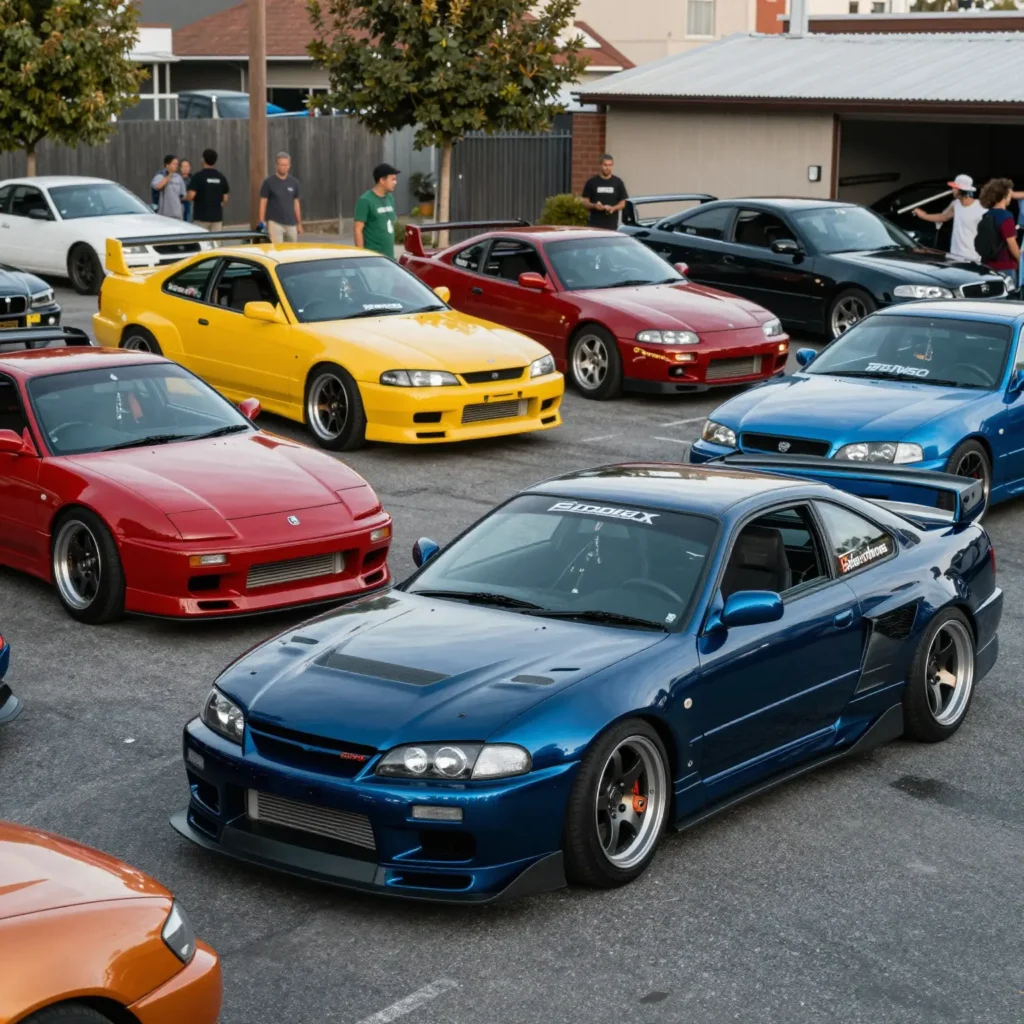
Introduction to Car Modification: Is It Banned?
In the vibrant world of car enthusiasts, modifications are more than just alterations; they embody passion, creativity, and a love for personalization. From performance tuning and aesthetic enhancements to retrofitting classic models, car modification serves as a profound expression of individuality for hobbyists, professional tuners, and restoration devotees alike. However, amid this exhilarating landscape lies a crucial question that every modifier should ponder: Is car modification banned? With legislation varying across regions and ongoing debates over safety, emissions, and insurance implications, the legal status of modifying vehicles can be as complex as the modifications themselves.
Many drivers find immense joy in turning their vehicles into unique masterpieces, showcasing their personalities on wheels. Yet, as the community grows, so does the scrutiny from lawmakers and regulators who seek to establish rules that balance personal expression with public safety. Understanding these legal intricacies is essential not only for car modifiers but also for auto parts suppliers and enthusiasts who watch this dynamic scene unfold.
The Passionate Evolution of Car Modification
The history of car modification is a thrilling narrative that speaks to the heart of automotive culture, blossoming like a wildflower in the cracks of conventionality. It commenced in the early 20th century, specifically during the 1920s and 1930s, when a handful of spirited American youth began tweaking the beloved Model T Ford. Their desire to make these vehicles faster and lighter marked the humble beginnings of a vibrant car culture-an act of rebellion against the ordinary, giving birth to what we now celebrate as automotive customization.
As the decades rolled on, the post-World War II era ignited the flames of the hot rod movement. Veterans returned home, bringing with them not just skills, but dreams of speed and freedom. They transformed their cars into unique masterpieces, often characterized by elaborate designs and impressive performance enhancements. The streets became canvases, showcasing the artistic expression of their owners. It was a cultural statement-improvisation met creativity as individuals stamped their personalities onto metal and paint.
By the 1960s and 70s, car modification matured into a robust phenomenon with the birth of various subcultures ranging from muscle cars to lowriders. Each faction had its mantra: speed, style, or status, uniting enthusiasts across regions. With the introduction of technology in the 1980s and 90s, the landscape shifted dramatically. Tuning became more scientific as digital systems replaced mechanical parts, allowing for higher precision and expanded possibilities.
Modern-day car modification has effortlessly crossed borders and boundaries, evolving into a global language shared by millions. Whether it’s a classic restoration or a radical supercar customization, today’s modifiers do more than enhance performance; they convey stories of personal journeys and aspirations through their vehicles. This ever-growing community thrives on the principles of individuality and creativity, propelling the genre into the future.
Car modification is more than mere alterations-it’s about carving out one’s identity in a world full of mass production. If you’d like to discover how modifications affect your vehicle’s resale value, read more here. For those embarking on this transformative journey, the risks involved in modifying financed vehicles are crucial to understand, so make sure to check this article to navigate your path wisely.
In the realm of car enthusiasts, the stories are limitless and filled with fervor; the wheels of modification are destined to keep turning as long as there are passionate souls behind the steering wheel, ready to reshape their dreams and drive into the unknown.
Benefits of Car Modification
Car modification is more than just a hobby; it’s a movement that offers numerous benefits for enthusiasts and the broader automotive community. Here are some compelling advantages:
-
Personal Expression: Car modification allows enthusiasts to showcase their individuality. Whether it’s a custom paint job or unique body kit, modifications reflect personal style and taste.
-
Performance Enhancement: Many modifications focus on improving a vehicle’s performance. Upgrading exhaust systems, suspension, and engine components can lead to better speed, handling, and efficiency.
-
Learning New Skills: Engaging in car modifications enables enthusiasts to acquire valuable mechanical and technical skills. From basic repairs to advanced tuning, each project enhances one’s knowledge of automobiles.
-
Community Building: The modification scene fosters a sense of community among car lovers. Enthusiasts often meet through car shows, online forums, or local clubs, sharing tips and experiences that strengthen bonds.
You can learn more about how modification can enhance vehicle performance. -
Creative Outlet: Modifying cars stimulates creativity. Enthusiasts often experiment with different ideas, designs, and innovations, making each build a unique form of art.
-
Increased Value: Certain modifications can increase a vehicle’s resale value, especially if they are well-executed and enhance the car’s overall appeal. Refer to this article on car modifications and resale value for more details.
-
Networking Opportunities: Working on car modifications often leads to connections with other professionals in the automotive field, including suppliers, tuners, and restoration experts, creating potential business opportunities.
Through these aspects, car modification serves not only as a pastime but also as a pathway for personal growth and collective engagement within the automotive community.
As car enthusiasts and modifiers continue to reshape the automotive landscape, it’s crucial to understand the varied regulations that can impact modifications across different regions. The rules governing car modifications vary significantly, influenced by local safety, emissions, and insurance considerations. Here’s an overview of current laws in key regions, along with their implications for hobbyists and professionals alike.
United States: California
California is known for its stringent vehicle modification regulations aimed at preserving air quality and ensuring safety. Under the guidelines set forth by the California Air Resources Board (CARB), any modifications that affect emissions-including engine swaps or the installation of non-compliant exhaust systems-are closely monitored. If a modification is made, it must comply with specific emissions standards to avoid hefty fines and penalties. Additionally, all vehicles must adhere to federal safety requirements, ensuring that modifications do not compromise vehicle operability or safety features, such as functional lights and mirrors. Learn more about modifications in California here.
Common Illegal Modifications in California:
- Non-compliant exhaust systems
- Modifications affecting emissions controls
Australia
The car modification laws in Australia are also complex and vary by state. Adhering to the Australian Design Rules (ADRs) for emissions, car modifiers must ensure that any changes comply with local regulations. For instance, Queensland has specific regulations regarding window tints and exhaust changes. Non-compliance with these standards can not only lead to fines but also complicate the vehicle’s insurance coverage and resale value. Modifications are heavily policed, especially regarding excessively loud exhausts or lower suspension setups that could impair vehicle safety. For more on Australia’s car modification laws, visit this source.
Common Illegal Modifications in Australia:
- Changes violating ADRs
- Excessive modifications impacting safety or emissions
Key Comparisons
To provide a clearer understanding, the table below summarizes the differences between the laws in California and Australia regarding modifications.
| Region | Emissions Standards | Safety Requirements | Common Illegal Modifications |
|---|---|---|---|
| California | Must meet stringent CARB standards. Examples include engine swaps that are not CARB certified. | Must meet federal safety requirements, including functional lighting and mirrors. | Modifications affecting emissions controls, such as installing non-compliant exhaust systems. |
| Australia | Varies by state, but generally adheres to ADRs for emissions. Non-compliant modifications can result in fines. | States enforce specific safety and emissions standards that must be adhered to. | Any changes that violate ADRs or local regulations, particularly those affecting safety or emissions. |
Conclusion
For modifiers, understanding these regulations is vital not only for compliance but also for ensuring that their vehicles remain safe and legal. Navigating the legal landscape can often determine the success or failure of a modification project. Whether you are a hobbyist, a professional tuner, or an auto parts supplier, being informed of the laws specific to your region will significantly impact your projects and your investment in automotive customization.
As you consider your next car modification, take time to explore insurance considerations for modified cars and how alterations may affect your car’s resale value, ensuring a responsible and informed approach to your passions.
Car Modification Laws Across Regions
Car modification laws vary significantly across regions such as North America, Europe, and Asia. Understanding these regulations is crucial for hobbyist car modifiers, professional tuners, and enthusiasts. Below is a comparative table highlighting some key differences:
| Region | Key Regulations | Emissions Standards | Inspection Requirements |
|---|---|---|---|
| North America | Laws vary by state; some allow extensive modifications, others impose strict limits | Varies by state; some states have stringent emissions standards | Annual or biennial inspections, varies by state |
| Europe | Generally stricter; many mods require approval | EU regulations on emissions | Annual inspections required for most vehicles |
| Asia | Varies widely; some countries have high restrictions (e.g., Japan), others are more lenient | Varies by country; often align with international standards | Varies; some countries require periodic inspections |
Insights
- North America: While many states are lenient regarding modifications, it’s essential for enthusiasts to be aware of local laws, especially regarding emissions and safety inspections. You can learn more about modifying financed vehicles and the associated risks to stay compliant.
- Europe: Stricter regulations make it crucial for modders to seek the necessary approvals for significant modifications. Explore how modifications can impact resale value for deeper insights into the issues at play.
- Asia: Car modifications range from highly regulated environments like Japan to looser restrictions in other countries. Enthusiasts must navigate these laws carefully to ensure compliance.
This table and these insights equip car modification fans with the crucial information needed to understand regional laws and make informed decisions about their modifications.
The Cultural and Economic Impact of Banning Car Modifications
Car modifications represent more than mere aesthetic adjustments; they embody the creative spirit of automotive enthusiasts. A ban on car modifications could have a profound impact not only on these hobbyists but also on local economies and communities built around a shared passion for automotive personalization.
A Community Tradition at Risk
Imagine the exhilaration of gathering with fellow car enthusiasts at a local meet or car show, sharing stories about unique modifications, and celebrating each other’s creativity. Car modifications are deeply ingrained in automotive culture, fostering friendships and community bonds. They provide a platform for expression, allowing individuals to customize their vehicles to reflect personal style and identity. The potential ban on this cherished pastime could sever these connections, stripping communities of a vital source of camaraderie and cultural identity.
Economic Consequences
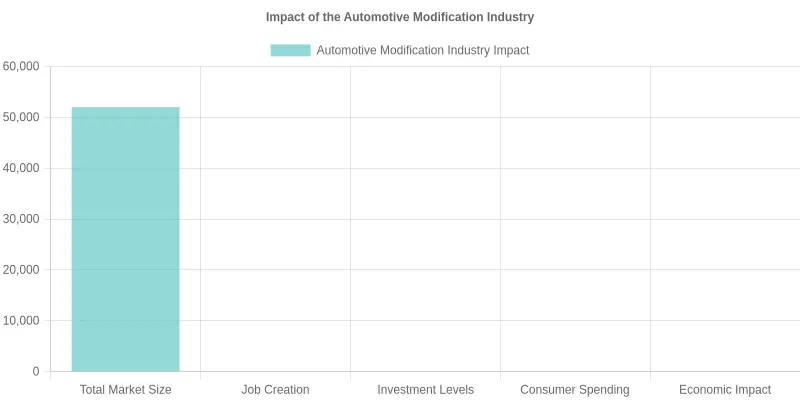
Car modifications contribute significantly to the economy, with the automotive modification industry boasting an estimated market size of over $52 billion annually. This figure underscores the economic importance of this sector. Here’s a detailed look at the impact:
| Category | Data Description | Source URL |
|---|---|---|
| Total Market Size | Over $52 billion annually in automotive modifications. | Source |
| Job Creation | Significant job creation in local economies due to the automotive modification industry. | Source |
| Investment Levels | Substantial investments in local infrastructure and skill development related to automotive modifications. | Source |
| Consumer Spending | Consumer spending in the automotive modification sector is a key driver for local businesses. | Source |
| Economic Impact | Automotive businesses contribute significantly to local GDP and job markets through consumer activities. | Source |
The Loss of Passionate Shops
Local shops that thrive on modifications, customizations, and tune-ups would face devastating consequences. These establishments are the backbone of the automotive customization industry, often family-owned businesses that depend on loyal customers. A modification ban may lead to reduced traffic, diminished sales, and ultimately, closures. This loss extends beyond finances; it takes away the expertise and personal touch these shops provide, allowing owners and patrons to learn from each other and grow together.
A Call to Action
As car enthusiasts, we must rally against any potential bans on modifications. These measures threaten not only our cultural heritage but also the livelihoods of those who support and sustain our passion for cars. We have the power to influence change – advocate for our rights to modify, create, and personalize our vehicles.
Together, we can maintain the spirit of creativity and community that defines car culture. Let’s protect our passions and ensure that our love for automotive personalization continues to thrive for generations to come. Learn more about car modifications and their impact and the legal aspects surrounding it.
Conclusion: Advocating for Car Modification Rights
As car enthusiasts, we share a deep-rooted passion for creativity, individuality, and the thrill of transforming vehicles into unique expressions of our identities. Car modification is not just a hobby; it is a cultural movement that embodies freedom, innovation, and self-expression. However, the constant threat of regulations and bans on car modifications poses a challenge to our community, jeopardizing not only our rights but also the vibrant culture that has thrived for generations.
Advocating for car modification rights is paramount in ensuring that our voices are heard and respected. It empowers us to engage with local and global communities, driving momentum towards positive change. The impact of our collective advocacy can be profound, influencing legislation that recognizes the significance of car modification in enhancing creativity and fostering community bonds.
So, what can you do to support this invaluable cause? Start by engaging with your local car enthusiast community. Attend events, participate in forums, and connect with other like-minded individuals who share your passion for cars. Share your stories and experiences that highlight the positive aspects of car modification. Together, we can create a united front that advocates for our rights and showcases the creative potential that lies within every car enthusiast.
Additionally, educate others about the implications of modification laws and how they affect drivers and enthusiasts alike. Whether it’s connecting with local lawmakers or sharing insights on social media, your voice matters! Advocate for change by signing petitions, joining local car clubs, and utilizing platforms that promote our shared interests. You may also want to explore further resources available on how to modify a financed vehicle or the impacts of modifications on car resale value.
By taking these steps together, we can work towards a future where car modification is celebrated, not restricted. Join us in this essential movement to protect our rights, foster community, and ensure that the spirit of automotive freedom thrives in our ever-evolving world. Remember, change begins with a single voice-make yours count!
Expert Opinions on Car Modification Bans
Car modifications have been a popular hobby for many enthusiasts, yet the debate surrounding modification bans rages on. Several experts and industry leaders have weighed in on the implications of such bans, highlighting both the risks and potential benefits involved.
Key Insights:
-
Legal Constraints and Industry Impact
A significant ruling from the Supreme Court in India has outlawed many vehicle modifications. This decision has stirred concerns within the automotive community. Industry experts argue that while safety regulations are crucial, the blanket bans can hinder innovation and limit the personalization of vehicles. For detailed insights into this ruling, read more. -
Environmental Factors
Another perspective comes from the U.S. Environmental Protection Agency (EPA), which has implemented strict regulations against performance modifications that enhance engine output but affect emissions controls. Experts from automotive sectors believe these regulations aim to protect the environment but might restrict performance enthusiasts from customizing their vehicles effectively. For an in-depth analysis of these ramifications, check out this video discussion. -
Insurance Implications
The impact of modification bans extends to insurance liabilities. A blog by DirectAsia explains how illegal modifications can lead to increased premiums or claim denials, ultimately affecting owners’ financial responsibilities. This highlights the importance of understanding which modifications are legally permissible and their impact on insurance policies. For more on this, you may want to explore here. -
Global Perspectives
Interestingly, the attitude towards car modifications varies worldwide. Foreign experts express that modifying cars is a cherished culture in places like the U.S. and Europe while being heavily restricted elsewhere, like in India. This discrepancy raises questions about how regulations might evolve in response to grassroots automotive communities.
Conclusion
The opinions gathered from these discussions underscore a tension within the automotive industry between safety regulations, environmental concerns, and the desires of car enthusiasts. As laws continue to evolve, it becomes crucial for hobbyists and professionals alike to stay informed about the implications of these regulations. For further reading on how modifications affect resale value, check this resource.
In essence, while the intentions behind modification bans often aim to ensure safety and environmental compliance, they can inadvertently suppress the spirit of individuality and innovation that defines the automotive world.
Car Modification Trends (2018-2023)
Car modifications have evolved significantly over the past few years, with varying usage frequencies for performance upgrades, aesthetic enhancements, and technology advancements.
Trends Overview
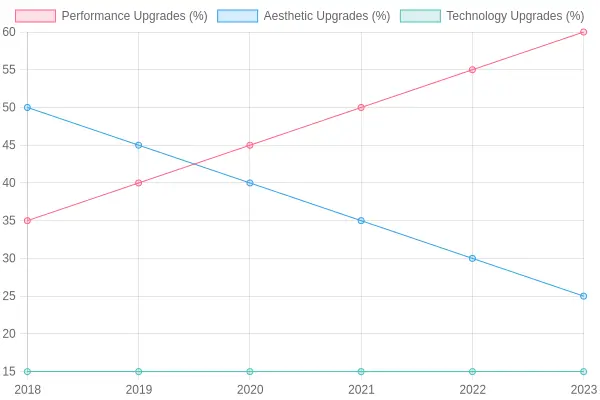
The following chart illustrates the trends in car modifications from 2018 to 2023, showcasing the percentage of enthusiasts opting for different types of modifications each year.
| Year | Performance Upgrades (%) | Aesthetic Upgrades (%) | Technology Upgrades (%) |
|---|---|---|---|
| 2018 | 35 | 50 | 15 |
| 2019 | 40 | 45 | 15 |
| 2020 | 45 | 40 | 15 |
| 2021 | 50 | 35 | 15 |
| 2022 | 55 | 30 | 15 |
| 2023 | 60 | 25 | 15 |
As we can see, there is a clear trend of increasing interest in performance upgrades, while aesthetic enhancements are on the decline. Technology upgrades, however, remain constant, indicating a stabilizing factor in car modification trends.
The Spirit of Car Modification
“The best cars are the ones that have been lovingly modified by their owners to express their unique personalities.”
- Anonymous Auto Enthusiast
Car modification is more than a hobby; it’s a way to manifest individuality and passion. Influential icons in the automotive world often emphasize the importance of personal expression through vehicle enhancement.
Through modification, car enthusiasts tap into a deeper connection with their vehicles, turning them into extensions of themselves. Whether through performance upgrades or aesthetic adjustments, customization can redefine the driving experience, embodying the owner’s values and style.
For more insights on the implications of modifying financed vehicles, learn more about the risks and considerations.
Explore how modifications impact resale value by visiting this article on car modifications and resale value.
By embracing the art of modification, enthusiasts not only enhance their cars but also become part of a larger community that values creativity, engineering, and personal expression.