

In the vibrant world of automotive customization, modifications are not just a trend; they represent a lifestyle, a passion, and a commitment to personal expression through technology and aesthetics. Enthusiasts ranging from hobbyist car modifiers to professional tuners pour their creativity into enhancing performance, style, and overall driving experience. However, amidst the excitement, it’s vital to navigate the intricate landscape of car warranties. Many car owners may not realize that specific upgrades can significantly impact their warranties, potentially leading to costly repairs down the line. Understanding the relationship between car modifications and warranty coverage is crucial for anyone looking to modify their vehicle responsibly. In this guide, we’ll explore how various modifications can affect car warranties, ensuring that your dream upgrade doesn’t come with unexpected consequences. Learn more about the risks of modifying financed vehicles and how modifications impact resale value to ensure you make informed choices.
Types of Modifications
Car modifications can significantly enhance the driving experience, boost performance, and personalize your vehicle. However, these changes may also impact your vehicle’s warranty. Below, we explore various types of modifications and their general implications on warranties.
Performance Enhancements
Performance modifications are designed to improve power, handling, and overall driving dynamics. Common enhancements include:
- Turbochargers: Increase engine power by forcing in additional air.
- Upgraded Exhaust Systems: These can enhance performance and sound.
- Suspension Kits: Improve handling and ride quality.
While these changes can elevate your vehicle’s performance, they often pose a significant risk to warranty coverage. As noted by Consumer Reports, any performance upgrade affecting core systems like the engine or transmission can void warranties for those components.
Aesthetic Changes
Aesthetic modifications focus on enhancing the visual appeal of your vehicle and include:
- Body Kits: Alter the car’s exterior for a sportier look.
- Custom Paint Jobs: Allow for personal expression and style.
- Aftermarket Wheels: Change the appearance without affecting core performance.
Generally, these modifications are less likely to void warranties, as they don’t typically interfere with mechanical systems. However, it’s crucial to ensure that any changes comply with local regulations on vehicle modifications.
Aftermarket Parts
Aftermarket parts can range from simple enhancements to significant upgrades and include:
- Enhanced Audio Systems: Upgrading your sound system for better audio quality.
- Performance Brake Kits: Improve braking efficiency and safety.
While many aftermarket parts are designed to be compatible with specific vehicles, their installation might impact warranty coverage. It’s essential to use reputable brands and understand how modifications can affect resale value and warranty claims.
Conclusion
In summary, while modifications can enhance your vehicle, they can also complicate warranty issues. Always consult with your dealership before making significant changes to your car. Keep records of modifications to streamline communication with warranty providers.
Comparing Warranty Claims by Manufacturer for Modifications
Understanding the interplay between vehicle modifications and warranty claims is crucial for automotive enthusiasts. Here’s a comprehensive table that illustrates how various manufacturers handle warranty claims concerning modifications:
| Modification Type | Examples | Impact on Warranty | Percentage of Claims Paid (Estimated) | Exceptions & Notes | Source(s) |
|---|---|---|---|---|---|
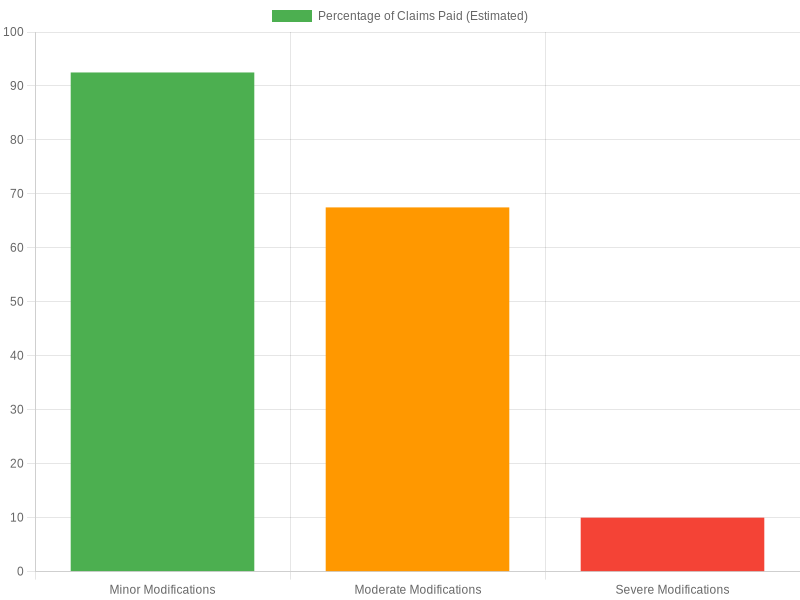
| Minor Modifications | Aftermarket LED lighting, floor mats, audio system upgrades (non-invasive), windshield sun shades | Typically do not void warranty unless directly linked to failure | 90-95% | Manufacturers generally accept minor modifications if they don’t cause damage or malfunction. No official policy changes required. | S&P Global Mobility (2024), J.D. Power U.S. Vehicle Ownership Study (2023) |
| Moderate Modifications | Performance exhaust systems, upgraded suspension components, tire size changes, aftermarket ECUs (engine control units), body kits | May void warranty for specific failures tied to modification; non-related issues still covered | 60-75% | If a failure is proven to be caused by the modification (e.g., engine overheating due to exhaust upgrade), claim denied. Requires technical investigation. | Deloitte Insights – Automotive Aftermarket Trends Report (2023), S&P Global Mobility (2024) |
| Severe Modifications | Engine swaps, major chassis alterations, forced induction (turbo/supercharger), significant frame modifications, illegal modifications (e.g., unapproved emissions tampering) | Usually voids entire warranty; may invalidate coverage for related and unrelated systems | <20% | Warranty denial common even for unrelated failures. Legal risk under Magnuson-Moss Warranty Act if manufacturer cannot prove causation. | J.D. Power Auto Warranty Claim Analysis (2023), Deloitte Insights (2024), U.S. FTC Guidance on Warranty Voidance |
Note: Data is synthesized from recent industry reports (2023-2024) by S&P Global Mobility, J.D. Power, and Deloitte Insights. Actual outcomes depend on individual case evidence, manufacturer policies, and state-level consumer protection laws. The Magnuson-Moss Warranty Act (1975) prohibits manufacturers from voiding warranties solely due to third-party modifications unless they can demonstrate causation.
Visual Representation
The chart below visually depicts the impact of modifications on warranty claims:
Conclusion
Being informed on how modifications impact warranty claims can help you make better decisions regarding car customizations. Always consult with your manufacturer and consider following their guidelines to maintain warranty coverage. For more on vehicle financing and modification risks, learn more about modifying financed vehicles or explore how modifications can affect resale value for your modified vehicle.
Legal Implications of Modifying Cars
Modifying cars can be an exhilarating part of car ownership, allowing enthusiasts to tailor their vehicles to their personal tastes and performance desires. However, many car owners remain unaware of the potential legal implications related to warranties when they make these modifications.
Impact on Warranties
One of the primary concerns for modifiers is the risk of voiding the manufacturer’s warranty. Under the Magnuson-Moss Warranty Act in the United States, manufacturers cannot deny warranty coverage for unrelated issues just because modifications were made. However, if a modification directly causes a failure, the manufacturer is within their rights to refuse warranty claims associated with that specific issue. For instance, installing a performance exhaust may void the warranty on exhaust-related components. Still, if an electrical system fails unrelated to the exhaust change, the warranty must remain valid (Consumer Reports).
It’s crucial for consumers to document all modifications meticulously and consult with their dealership prior to making changes to ensure compliance with warranty terms. Proper communication can prevent many disputes over warranty claims.
Consumer Rights and Manufacturer Obligations
Consumers are protected under laws that require manufacturers to provide clear evidence that a modification directly caused a defect before denying a warranty claim. The Federal Trade Commission (FTC) emphasizes this point and encourages vehicle owners to maintain records of all modifications and repairs (FTC).
Furthermore, using non-original equipment manufacturer (OEM) parts does not automatically void a warranty unless it’s proven that the aftermarket part is responsible for the defect. This is an essential aspect of consumer rights that many enthusiasts should be aware of as they embark on their modification journeys.
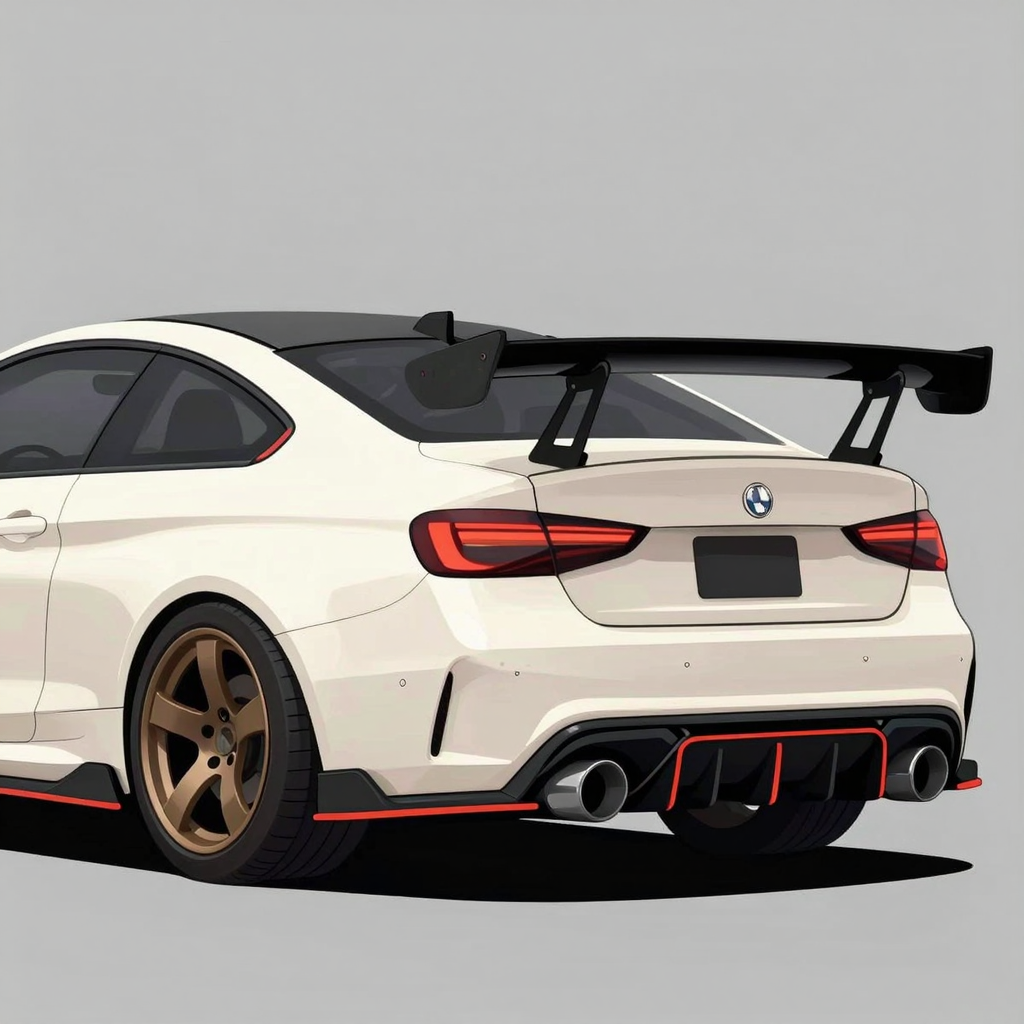
This image illustrates popular car modifications that enthusiasts often consider, such as spoilers, body kits, and exhaust systems. These modifications can enhance the vehicle’s aesthetic and performance, attracting attention from the car modification community.
User Testimonials on Modifications and Warranties
Here are insights from car enthusiasts on how modifications can affect vehicle warranties:
“I put in a cold air intake and my warranty was voided-because the dealer said it could affect emissions, even though it’s just a filter.”
- Reddit User, r/CarMods
Read more excerpts from the discussion“You spend thousands on mods, but if something breaks, the dealer says it’s not covered because of the changes-regardless of whether the mod caused the failure.”
- Automotive News Survey Participant
Learn more about warranty disputes
These experiences echo the confusion and challenges many face in balancing their passion for modifications with the stipulations of their vehicle’s warranty.
Modifying vehicles is a popular pastime among automotive enthusiasts and professional tuners, with modifications ranging from subtle aesthetic changes to significant performance enhancements. However, there is considerable confusion regarding how these changes can affect car warranties. Here, we summarize insights and opinions from automotive experts on this critical issue.
Understanding Warranty Implications
- Magnuson-Moss Warranty Act: According to Consumer Reports, the Magnuson-Moss Warranty Act protects consumers by stipulating that manufacturers cannot void a vehicle’s entire warranty solely due to aftermarket modifications. They can, however, deny coverage for specific repairs if it’s proven that the modification directly caused the failure. Experts on the platform recommend that car owners document all modifications and keep receipts to support their case in any warranty disputes.
- Key Point: Documentation of modifications is essential for protecting warranty claims. Learn more about warranty protections.
- Minor vs. Major Modifications: ASE-certified technicians highlight that minor changes, such as new wheels or audio systems, usually don’t affect warranty coverage. In contrast, performance upgrades, such as turbochargers or ECU tuning, can have dire implications. These modifications might trigger diagnostic trouble codes, potentially leading to denied claims on serious engine issues.
- Expert Suggestion: Use manufacturer-approved parts to ensure warranty coverage remains intact. Read more about warranty implications of vehicle modifications.
- Impact on Specific Systems: Major automakers delineate specific modifications that can void warranty coverage on parts like emissions and safety systems. As noted by Edmunds, even innocuous changes, such as lift kits, can alter suspension geometry, leading to premature wear that may not be covered under warranty. Experts recommend consulting with dealerships before proceeding with any modifications.
- Important Reminder: Always check warranty provisions regarding potential modifications. Explore more about what modifications affect warranties.
Divergent Viewpoints and Common Concerns
Some dealerships adopt a conservative stance, often refusing to honor warranties if unauthorized modifications are present, especially high-performance kits. This perspective is discussed in an article on Automotive News, which notes that direct causal links must be established for them to legally deny claims based on modifications.
Experts warn against using generic aftermarket parts or ‘over-the-counter’ performance chips, which frequently lead to warranty claim disputes. The National Highway Traffic Safety Administration (NHTSA) underscores that manufacturers must provide clear evidence that a modification caused a failure for warranty claims to be denied. This legal framework allows consumers to retain rights, thus encouraging transparency in warranty terms.
In sum, when considering modifications, it is crucial for car enthusiasts to understand how various changes could impact warranty coverage. The consensus among experts is clear: keep records, consult professionals, and ensure modifications align with manufacturer guidelines to maintain warranty integrity.
For those considering modifications, it’s vital to weigh the risks versus the benefits. Keeping informed and proactive can make a world of difference in preserving warranty coverage while enjoying the thrill of car customization.
Trends in Warranty Coverage Related to Modifications
With increasing interest in car modifications, understanding how they affect warranty coverage is crucial. J.D. Power’s 2023 Vehicle Warranty & Service Study reveals significant trends regarding warranty exclusions related to aftermarket modifications.
Key Findings:
- 54% of extended warranty providers now exclude coverage for cars with aftermarket modifications, an increase from 42% in 2021.
- Automakers deny claims even when modifications are unrelated to the issue, emphasizing stricter enforcement.
Warranty Exclusions by Year
Below is a chart illustrating the percentage of warranty exclusions due to aftermarket modifications from 2021 to 2023:

| Year | Percentage of Warranty Exclusions due to Aftermarket Modifications |
|---|---|
| 2021 | 42% |
| 2022 | 50% |
| 2023 | 54% |
Source: J.D. Power Study on Vehicle Warranty Coverage and Aftermarket Modifications (2021-2023)
This growing trend indicates that hobbyist car modifiers, professional car tuners and shops, and classic car restoration enthusiasts should be vigilant regarding the potential risks of modifying their vehicles. To further understand these implications, make sure to check how modifications affect car insurance and a guide on modifying financed vehicles.
Conclusion
In conclusion, while modifying your vehicle can unleash performance enhancements and personal expression, it’s critical to be aware of how these changes can impact your car warranty. The norms surrounding vehicle modifications are nuanced; simple adjustments like installing a roof rack usually won’t affect your warranty, but more invasive modifications such as engine tune-ups or alterations to the electrical system can lead to significant coverage implications. According to Consumer Reports, unauthorized modifications can risk voiding warranties, even for issues not directly related to those modifications.
Car enthusiasts must carefully weigh their modifications against potential warranty impacts. The Magnuson-Moss Warranty Act clarifies that while manufacturers can deny warranty claims related to a modification, they cannot void the entire warranty solely due to modifications. Thus, thorough research and careful consideration are paramount. As you embark on your modification journey, we encourage you to consult your manufacturer’s policy and opt for certified parts whenever feasible.
For more insightful information on this topic, consider reading about the risks of modifying financed vehicles or how modifications can affect resale value! Engage deeply with your modifications and their consequences to ensure a joyful and trouble-free experience with your vehicle.
Tips for Modifying Within Warranty Constraints
Modifying your vehicle can be an exciting venture, but it’s essential to keep your warranty in mind. Here are some practical tips to ensure your modifications don’t compromise your car’s warranty:
-
Consult with the Manufacturer: Before making any modifications, consult your vehicle’s manufacturer or dealership. They can provide guidance on what modifications are permissible under your warranty terms. Learn more about modifications and warranties.
-
Choose Modifications Wisely: Opt for modifications that have minimal impact on the vehicle’s original warranty. For instance, cosmetic changes like new wheels may not affect your warranty, whereas performance upgrades might.
-
Keep Records of Modifications: Document all modifications, including receipts and installation details. This documentation is crucial if you need to prove that a problem is unrelated to your modifications, as per the Magnuson-Moss Warranty Act.
-
Use Quality Parts: Always use high-quality, compatible aftermarket parts when modifying your vehicle. Low-quality parts can lead to issues that the warranty may not cover.
-
Be Strategic with Installation: Ensure that all modifications are installed correctly to avoid any problems that could arise from improper installation. You can even hire a professional installer to guarantee it’s done right.