

Performance modifications encompass a range of enhancements aimed at maximizing a car’s mechanical capabilities, enhancing speed, handling, and safety for an exhilarating driving experience. For hobbyists, professional tuners, and car enthusiasts alike, understanding the key areas of engine upgrades, suspension adjustments, and brake enhancements is essential to elevating vehicle performance. Throughout this article, we will dive deep into these three primary categories of modifications, exploring how each contributes to a holistic improvement in the dynamics of your automobile. Armed with this knowledge, enthusiasts can not only enhance their vehicles’ capabilities but also ensure that they are making informed choices that align with their performance goals.
Revving Up the Racer Within: The Crucial Role of Engine Upgrades in Enhancing Car Performance
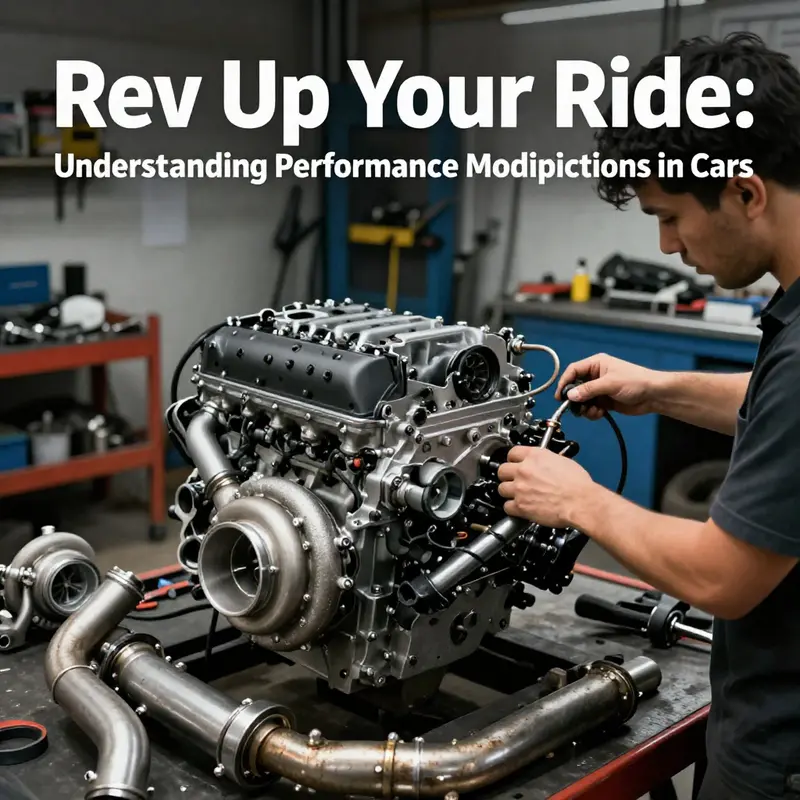
Engine upgrades have long been at the heart of transforming a standard vehicle into a performance powerhouse. The evolution of automotive engineering has been marked by the relentless quest for increased power, efficiency, and driving excitement. Enthusiasts and professionals alike delve deep into the mechanical realm to extract every ounce of potential from a car’s engine. This chapter explores how modifications such as turbocharging, ECU tuning, and complementary supporting upgrades converge to redefine a vehicle’s performance. The journey begins with an appreciation of the delicate interplay between raw power and refined engineering, forming a symphony where even subtle enhancements amplify overall driving dynamics. In essence, engine upgrades are not isolated tweaks; they are a calculated orchestration of changes that interact with the entire vehicle, contributing to enhanced acceleration, improved throttle response, and an evolving driving experience that can transform routine road trips into exhilarating adventures.
For many, the allure of modifying an engine goes beyond the numbers on a tachometer. It embodies the spirit of innovation and a relentless pursuit of perfection while maintaining a balance between power and durability. Over the decades, modifications have advanced from mechanical tinkering to precisely calibrated systems that push the boundaries of safety, reliability, and performance. From circuit boards and sensors to forged internals and enhanced fuel delivery systems, modern engine upgrades embrace both tradition and modernity, delivering improvements that often blur the lines between road and track, daily practicality and raw performance.
A central pillar of these modifications is the adoption of forced induction techniques such as turbocharging and its complementary intercooling systems. Turbocharging, an ingenious method borrowed from aerospace and industrial applications, dramatically increases the volume of cool air entering the engine. By compressing the incoming air, it allows the engine to burn fuel more efficiently while creating a denser mixture within the combustion chamber. This denser air-fuel mix leads not only to higher combustion efficiency but also to an impressive increase in horsepower and torque. Engine enthusiasts recognize turbochargers as one of the most effective approaches to enhance engine output without significantly altering the engine’s core architecture.
Integrating a turbocharger with an efficient intercooling system renders the performance upgrade even more effective. The role of the intercooler is critical; it cools the compressed air before it enters the engine, thereby mitigating the risk of pre-ignition and knocking, which are harmful to engine integrity. This collaboration between turbo and intercooler ensures that the engine operates within optimal temperature ranges, maintaining not only improved power output but also reliability and longevity. The seamless performance gains achieved through this modification are evident in the rapid acceleration, refined engine responsiveness, and the enhanced emotional connection a driver develops with the vehicle. In many cases, drivers report a newfound agility, feeling as though their car is in constant conversation with the road.
One cannot discuss modern engine upgrades without acknowledging the transformative impact of electronic control unit (ECU) tuning. The ECU serves as the engine’s central nervous system—it orchestrates the timing, fuel injection, and spark delivery in a way that directly correlates with how efficiently the engine performs. ECU remapping or reprogramming is a sophisticated process that customizes the engine’s operating parameters to unlock hidden reserves of performance. By adjusting variables such as fuel-to-air ratios, turbo boost pressure, ignition timing, and throttle response curves, ECU tuning can significantly alter the character of a vehicle. The modification is often nuanced, allowing drivers to choose from a range of performance profiles that can vary from a mild boost in everyday efficiency to aggressive setups aimed at maximizing track performance.
However, ECU tuning is not without its caveats. While many modern vehicles are engineered with safety margins and robust components, the fine balance between performance and reliability is paramount. Excessive tuning, if not carefully managed, may lead to increased engine wear, overheating, or even a complete breakdown. As with all modifications, ensuring that tuning is undertaken by experienced professionals who understand the inherent mechanics is crucial. The key is to achieve a harmonious blend where the software enhancements complement the physical modifications—turbochargers, improved fuel systems, and upgraded exhausts—to deliver a car that not only performs spectacularly but remains robust over time. This aspect of performance modification underlines a deep engineering philosophy: every gain in power should be matched by corresponding upgrades that ensure the engine’s structural integrity and safety.
Complementing these engine-centric upgrades are a variety of supporting modifications that work together like parts of a well-tuned orchestra. High-flow air filters, for instance, allow a greater volume of clean air to reach the engine, further enhancing combustion efficiency. Similarly, performance exhaust systems are engineered to reduce backpressure and optimize the expulsion of exhaust gases. The role of the exhaust is often underestimated, yet a free-flowing system not only increases power but also delivers a more assertive auditory signature—a roar that symbolizes the raw energy lurking beneath the hood. Upgraded intake manifolds are another common supporting upgrade, channeling air more directly into the combustion chamber and ensuring an even distribution across all cylinders.
The transformative effects of these modifications are not limited to mere increases in horsepower and torque but extend to the finer nuances of driving dynamics. When an engine is properly modified, the resulting performance enhancements often lead to improved throttle response, smoother gear transitions, and a more predictable power curve. These nuanced improvements have a profound impact on driving behavior, enabling a vehicle to deliver performance that feels both immediate and refined. Advanced performance setups often involve pairing engine modifications with suspension enhancements—like the introduction of coilovers or performance dampers—to ensure that the vehicle’s improved power is matched by a chassis that can handle high-speed maneuvers. This kind of holistic tuning epitomizes the high-performance vehicle ethos: every component, from the engine to the tires, must work in concert to achieve a level of precision and exhilaration that few standard production vehicles can match.
An often-overlooked element of these modifications is the regulatory and safety framework surrounding them. Legal compliance for engine upgrades is as important as the modifications themselves. Many jurisdictions have strict emissions standards, noise regulations, and safety criteria that must be satisfied, ensuring that performance enhancements do not come at the cost of environmental responsibility or public safety. Thus, any modification, especially those that increase fuel intake or alter exhaust configurations, must be evaluated in the context of local laws. Enthusiasts often refer to resources like a comprehensive car modifications guide to ensure that their enhancements remain road-legal and environmentally responsible. Such guides not only explain the technical aspects of upgrades but also provide insights into the bureaucratic nuances of vehicle modification laws, making them invaluable for those who wish to push the limits of performance without crossing legal boundaries.
When considering the full spectrum of engine upgrades—from turbocharging to ECU remapping—one is reminded of how far automotive performance technology has advanced over the years. Previously, achieving such significant performance gains might have required extensive, hardware-heavy overhauls. Today, however, the approach is far more refined: small, targeted modifications deliver outsized improvements. For example, a modest ECU tune, when supported by an upgraded intercooler and a high-flow exhaust system, might yield a horsepower increase that rivals that of more radical mechanical modifications. This incremental approach allows enthusiasts to progressively improve performance while monitoring outcomes and ensuring that each component harmonizes with the others.
Moreover, engine modifications are never standalone projects. They often spark a cascade of further enhancements that touch upon every facet of a vehicle. A car that has been finely tuned at the engine level draws attention to other performance areas, such as the drivetrain, brakes, and suspension. Upgrading the transmission with performance clutches or installing a limited-slip differential can ensure that the increased power is effectively transmitted to the wheels. In this way, the process of modifying an engine becomes a catalyst for comprehensive vehicle enhancements, setting the stage for a fully integrated performance upgrade. Every element, from tire grip to braking response, is reconsidered in light of the newfound power under the hood. The result is a vehicle that, as a whole, resonates with the information provided by state-of-the-art automotive research and engineering insights.
Indeed, the journey from stock performance to a tuned masterpiece is as much an art as it is a science. Engineers, tuners, and automotive enthusiasts work together in a vibrant community where shared experiences and collective knowledge drive the evolution of performance modifications. This community is characterized by a passion for mechanical perfection and a deep understanding of how even the smallest adjustments can lead to sizable performance gains. There is a strong culture of experimentation, long nights in the garage, and the relentless pursuit of that perfect balance between power, reliability, and precision. The successes and setbacks experienced along the way add to a wealth of experiential knowledge that benefits everyone involved in the automotive modification scene.
It is also important to recognize that the allure of performance modifications extends well beyond the realm of professional motorsports. Many drivers adopt these enhancements for everyday driving, transforming mundane commutes into spirited drives that offer both an adrenaline rush and a greater appreciation for the machine. The ability to extract more performance from an everyday vehicle fosters a deeper connection between the driver and the car. It is as if the vehicle, through its enhanced responsiveness and accented power delivery, invites the driver to experience a different, more engaging form of mobility. This symbiosis between human and machine can reawaken a sense of wonder and excitement that traditional, unmodified engines may fail to evoke.
Furthermore, the technical evolution inherent in engine modifications has tangible impacts on maintenance and long-term reliability. Modern modifications emphasize the importance of balance—between increased output and the strain placed on engine internals. When applied judiciously, performance modifications can actually improve some aspects of an engine’s lifecycle. For instance, a well-executed ECU tune in combination with appropriate thermal management measures can lead to improved combustion efficiency, resulting in cleaner engine operation and potentially reduced carbon deposits. Additionally, the improved efficiency in air flow, fuel delivery, and exhaust extraction helps to manage internal temperatures more effectively, ensuring that the engine remains within safe operating conditions even under demanding performance scenarios.
Nevertheless, caution must always accompany the pursuit of enhanced performance. The delicate equilibrium of an engine means that every modification carries with it certain risks, particularly when pushing beyond factory settings. Many tuners advise a step-by-step approach, where each modification is carefully tested and validated before additional changes are introduced. This incremental philosophy helps maintain engine reliability and mitigate potential issues that could arise from an overly aggressive modification strategy. Professional tuners use advanced diagnostic tools and data logging equipment to ensure that modifications are not only effective but also sustainable in the long term. In this process, even minor oversights can lead to significant consequences, underscoring the importance of technical expertise and rigorous quality control.
The influence of modern computational tools cannot be overstated in this context. Simulations, computer-aided design, and real-time data analytics have introduced a new era of precision in performance modification. Engineers can now model the effects of a turbocharger upgrade or predict the gains from an ECU tune with remarkable accuracy. This fusion of digital technology with mechanical modifications enables developers to fine-tune every aspect before any physical changes are made. The result is a tailored modification process that minimizes trial and error and maximizes performance gains while protecting the engine’s architecture. This methodology represents a significant shift from the more haphazard modification practices of the past and highlights the growing role of technology in shaping modern automotive performance.
When examining engine upgrades as a subset of overall vehicle modifications, one observes that the benefits extend well beyond mere numbers on a dyno sheet. These upgrades transform the driving experience on both emotional and technical levels. The distinctive sound of an engine that has been carefully modified—the whistle of the turbo, the growl of the exhaust, and the crisp response of the throttle—creates an auditory signature that tells a story of innovation and progress. This sound is not just noise but a resonant indicator of the engineering effort invested in crafting a performance-oriented machine. Such sensory feedback reinforces the driver’s connection with the vehicle, assuring them that every press of the accelerator is met with an immediate, purposeful response.
As the performance modification world continues to evolve, its influence is becoming increasingly pervasive in both competitive motorsports and everyday driving. The persistent drive to push the boundaries of what engines can deliver has led to inventive methods of overcoming the limitations imposed by factory configurations. In many respects, engine upgrades are emblematic of a broader cultural shift in the automotive industry—a move towards personalization and performance that caters to the individual tastes of drivers. With each upgrade, whether it is a modest ECU tune or a full-scale forced induction system, the vehicle becomes a unique expression of its owner’s vision of performance and style.
The success of engine modifications lies in their ability to adapt to the specific needs of each vehicle and driver. Every engine configuration presents its own set of challenges and opportunities. For some, the goal may be to achieve consistent performance gains for daily driving without compromising comfort or reliability. For others, it might be to unlock the full racing potential of a high-performance machine for track days and competitive events. Whatever the aspirations, the principles of proper modification remain the same: achieve balance, ensure reliability, and optimize every component for peak performance.
In the final analysis, engine upgrades represent a microcosm of the larger movement within automotive performance modification. They illustrate the confluence of tradition and modern engineering, where mechanical ingenuity meets digital precision. Such modifications are not merely about increasing horsepower; they are about tailoring every aspect of an engine to function more harmoniously within a complex system. The resulting performance is not only measurable in improved lap times and acceleration figures but also in the enjoyment and engagement that drivers experience every time they take the wheel.
For those embarking on this transformative journey, it is essential to approach engine upgrades with both excitement and caution. While the promise of enhanced power and responsiveness is enticing, the importance of proper technical guidance and meticulous execution cannot be overstated. Ensuring compliance with legal standards, investing in quality supporting upgrades, and embracing a philosophy of incremental improvement are all strategies that lead to a successful modification project. The rewards, when these principles are respected, are immense—a vehicle that not only performs better but also inspires confidence and passion in every drive.
In summary, the world of engine modifications offers an expansive array of opportunities for those seeking to redefine their vehicle’s performance. Through methods such as turbocharging paired with advanced intercooling, sophisticated ECU tuning, and a host of carefully integrated supporting upgrades, a car’s engine can be transformed into a high-performance engine capable of delivering both raw power and refined driving dynamics. Each modification contributes to a broader narrative in which technology, craftsmanship, and passion converge to produce a machine that is more than just a mode of transportation—it is a dynamic extension of its driver’s aspirations. For further detailed technical insights, one can explore the comprehensive analyses available through resources such as detailed insights at Autocar, which provide additional context and depth to the engineering feats discussed here.
Refining the Ride: How Suspension System Adjustments Elevate Automotive Performance
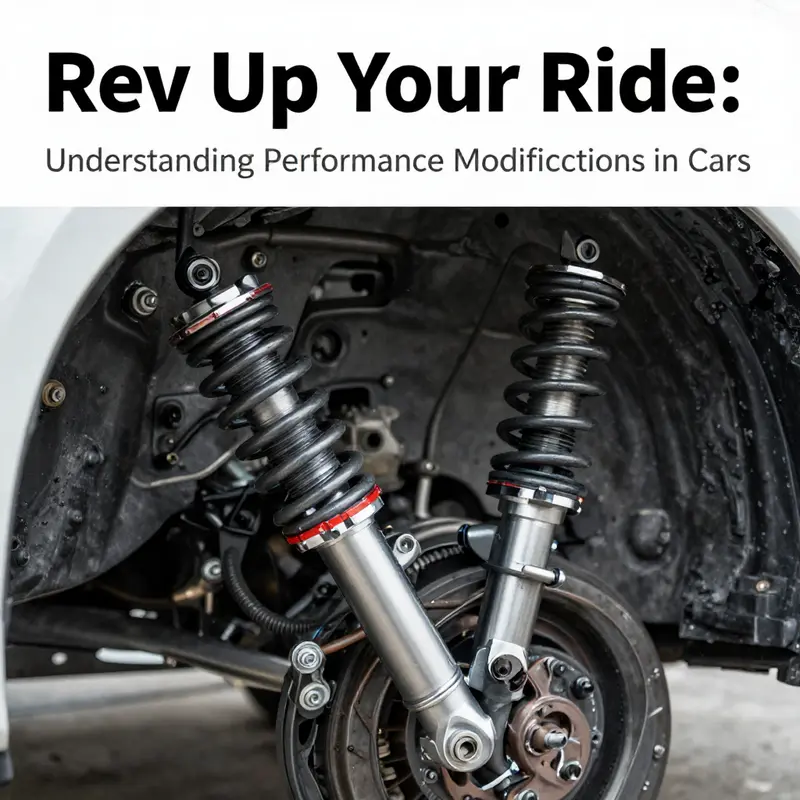
Suspension system adjustments stand as one of the most sophisticated and deliberate performance modifications available to drivers and tuners alike. Far beyond merely altering aesthetics, these modifications touch the very essence of a vehicle’s dynamics by optimizing everything from handling and stability to ride comfort and braking precision. At its core, reconfiguring the suspension is about fine-tuning the interplay between every component that contacts the road. By closely managing factors like ride height, damping rates, spring stiffness, and alignment parameters—such as camber, caster, and toe—automotive engineers and performance enthusiasts unlock a degree of control that transforms a common ride into a finely balanced instrument of speed, safety, and agility.
When we dig into the mechanics, the suspension is more than a set of springs and shock absorbers; it is an intricate system that ensures each tire meets the road with optimal pressure and precision. Consider the impacts of lowering the suspension: by reducing the vehicle’s center of gravity, the car becomes more agile in handling corners, reducing the amount of body roll and effectively giving the driver a heightened sense of control during high-speed maneuvers. This is particularly valuable on race tracks or in spirited driving environments where every subtle shift of weight affects the stability of the vehicle. A lower ride enhances not just cornering capabilities but also improves braking efficiency, as the weight transfer during deceleration can be better managed when the suspension is honed to perfection.
Yet these adjustments are not merely for the thrill of speed. They serve a dual purpose of enhancing overall safety. A well-tuned suspension system ensures that tires maintain maximum contact with the road, even under stress. This leads to improved grip and a reduction in dangerous skids and slides during emergency braking or abrupt steering inputs. In this way, suspension tuning can be seen as an integral form of defensive driving technology, offering improved feedback to the driver and reducing the potential for accidents. This blend of performance and safety is what makes suspension modifications a cornerstone in the realm of automotive enhancements.
Modern engineering has introduced advanced suspension systems, such as adaptive air suspensions, which can adjust in real-time based on factors like speed, load, and road conditions. These systems represent a quantum leap from traditional fixed setups, as they allow a vehicle to seamlessly transition between varying degrees of firmness and softness on the fly. The technology is particularly prominent in luxury models and high-performance vehicles, where the precision required for both dynamic driving and passenger comfort necessitates a suspension that can react to live conditions. Manufacturers have invested substantially in this technology to ensure that, whether on a smooth highway or a challenging racing circuit, the car remains balanced and responsive. With adaptive systems at the helm, the vehicle’s body and wheels are constantly in an optimized dance with road conditions, delivering not only improved handling but also a more refined ride quality.
However, the art of suspension tuning is a delicate balance between performance gains and potential trade-offs. While lowering a car can lead to improved cornering and stability, it may also expose the vehicle to a harsher ride over uneven surfaces. An overly firm suspension might provide exceptional road contact and minimal body roll on a race track, but on everyday roads it can translate into discomfort and accelerated wear on components like tires and bushings. The mismatch between the vehicle’s intended daily use and its specialized modifications can also lead to unexpected challenges in maintenance and repairs. Consequently, it is essential that any modifications be approached methodically, with thorough evaluation and adjustments that reflect the intended driving conditions.
Precision remains paramount when implementing suspension modifications, and it is here that the expertise of seasoned mechanics and specialized tuning shops becomes indispensable. Adjusting toe, camber, and caster angles can dramatically alter a vehicle’s behavior, ensuring that the tires not only strike the road correctly but also wear evenly over time. Inaccurate alignments might improve performance in one area only to compromise overall safety or tire longevity. For example, a misaligned camber can cause uneven tire wear, leading to unexpected failures or more frequent maintenance requirements. The process demands a deep understanding of vehicle dynamics, where even slight miscalculations can lead to performance degradation or pose potential hazards to the driver.
In the realm of performance modifications, suspension adjustments must also consider legal and safety regulations. Many jurisdictions have specific guidelines regarding modifications that affect ride height, emissions, and noise levels. Ensuring that any changes adhere to these regulations is key to staying compliant with local laws, which not only avoids fines but also guarantees that the vehicle remains eligible for insurance coverage. While enthusiasts may be tempted to push the boundaries of performance, it is crucial to remember that any alterations must strike a balance between enhanced performance and roadworthiness. Many performance tuning shops offer detailed consultations to guide owners through the maze of legal considerations, helping them achieve desired performance while staying within permissible limits.
Beyond the functional aspects of suspension modifications is the undeniable influence they exert on the overall driving experience. A car with a meticulously adjusted suspension can engender a profound connection between driver and machine. Every bump, every curve, and every burst of acceleration is transmitted through a chassis engineered for responsiveness. The ability to fine-tune these parameters allows drivers to customize their vehicles precisely to their driving style, whether that style is aggressive, comfort-oriented, or a blend of both. During spirited drives, a finely tuned suspension works silently, almost imperceptibly, guiding the car with a level of precision that instills confidence. This dynamic responsiveness can transform everyday journeys into engaging driving experiences, where each twist of the wheel provides tactile feedback and a sense of real control.
Equally important is understanding the evolution of suspension technology over time. Originally, suspension systems were simple assemblies comprising coil springs and shock absorbers that offered basic ride comfort and stability. As vehicles began to achieve higher speeds and improved power outputs, the limitations of traditional suspension designs became apparent. Engineers then began experimenting with stiffer components, advanced dampers, and innovative materials to counteract the forces exerted during high-performance driving. Today, suspension systems can incorporate a range of adjustable parameters that allow for real-time recalibration, a testament to the ongoing innovation in automotive engineering. These advancements do not solely reside in the realm of motorsports. Everyday vehicles, including sedans and SUVs, are now benefitting from improved suspension systems that enhance safety and comfort, blurring the lines between high-performance modifications and standard design improvements.
A prime example of modern suspension advancements is seen in many contemporary high-end vehicles where adaptive air suspension systems replace conventional coil springs. These systems are engineered to vary the stiffness and ride height automatically, offering a seamless transition from a comfortable, smooth ride to a firmer setting that enhances performance. Drivers can even select different modes based on driving conditions, ensuring that the vehicle always operates at its optimal configuration. This level of adjustability not only improves performance on demanding roads and racetracks but also broadens the functional capacity of the vehicle to handle diverse driving conditions. The integration of such advanced suspension systems truly underscores the synergy between technology and performance, as each component is designed to work harmoniously for a superior driving experience.
The process of modifying a vehicle’s suspension is a reminder that automotive performance is an art as much as it is a science. Enthusiasts often spend hours fine-tuning settings, making incremental adjustments based on driving tests and feedback. The trial and error inherent in suspension tuning reflect a broader philosophy in performance enhancement: continuous improvement and personalized tailoring. Many dedicated drivers document their modifications meticulously, noting how even the smallest adjustment can result in palpable changes in handling and responsiveness. In many ways, suspension tuning encapsulates the spirit of automotive innovation, merging technical expertise with hands-on experimentation. Those who delve into this process find that every improvement, no matter how minute, speaks to the potential of a vehicle that is truly adapted to its driver’s needs and the unique challenges of each journey.
Such dedication to performance modifications often extends into the aftermarket industry, where specialized parts and components are developed to cater to enthusiasts looking for that extra edge. High-performance shock absorbers, adjustable coilover systems, and aftermarket sway bars are just a few of the components that have become essential in the arsenal of anyone serious about automotive performance. The aftermarket industry also supports an extensive network of professional tuners who provide tailored modifications. This rich ecosystem reflects the value placed on innovation and the desire to push the limits of what a vehicle can achieve. Beyond the technical aspects, there is a cultural and community element to these modifications. Car enthusiasts frequently gather at track days or local events not only to push their vehicles to the limit but also to share experiences and insights about the best practices in suspension tuning. The exchange of knowledge serves to elevate the standard of modifications across the board, ensuring that even complex upgrades are approached with a collective wisdom refined over countless hours of trial and experimentation.
In addition to the purely mechanical aspects, there is also a significant aesthetic component to suspension modifications. Lowering a car can dramatically alter its visual stance, contributing to a more aggressive and sporty appearance. While the primary goal of suspension adjustments is performance based, the changed profile of the vehicle is often seen as an added bonus by automotive enthusiasts. The interplay between form and function is a recurring theme in the world of performance modifications, where what meets the eye is frequently an indicator of deeper mechanical enhancements. Yet, the aesthetic allure must never overshadow the practical benefits, which ultimately provide the value of these modifications. A deep appreciation for the engineering behind suspension systems is crucial, as it informs the delicate balance between an appealing look and optimal performance.
There is also an educational aspect to suspension modifications. Individuals seeking to understand how a vehicle responds to changes in suspension geometry often turn to practical tuning projects. These real-world experiences can demystify complex engineering principles, transforming theoretical concepts into tangible improvements on the road. Car enthusiasts who embark on the modification journey quickly learn that each component of the suspension works in concert with the others. The importance of precise alignment, the role of damping in controlling oscillations, and the balancing act between ride comfort and handling accuracy become clear as one delves deeper into the intricacies of automotive performance. A detailed understanding of these principles not only improves driving skills but also fosters a greater appreciation for the complexities of vehicle design. In many cases, tuning a suspension system becomes both a technical challenge and a creative endeavor—an intricate dance between engineering rigor and personal expression.
Furthermore, suspension modifications often require an integrated approach involving not only mechanical adjustments but also comprehensive diagnostic tools that measure the effects of changes on ride performance and tire wear. Ongoing monitoring can reveal insights into how a vehicle responds to various loads, road conditions, and driving styles. With modern diagnostic equipment available to both professionals and dedicated amateurs, suspension adjustments can be fine-tuned down to the smallest degree. Continuous feedback allows for incremental improvements and helps prevent issues that may otherwise arise from overcompensation. Such an approach reflects a broader trend in automotive modification where data-driven insights are merging seamlessly with traditional mechanical craftsmanship. This blend of technology and hands-on tuning represents the future of performance modifications, allowing drivers to harness the full potential of their vehicles with unprecedented precision.
Safety and durability are paramount considerations when adjusting a vehicle’s suspension system. Even as enthusiasts pursue higher performance, the reliability of critical components cannot be compromised. For this reason, many modern suspension systems are designed with adaptive features that help distribute loads more evenly and reduce wear on individual parts. The emphasis on long-term durability ensures that vehicles not only perform well under extreme conditions but also maintain their integrity over years of use. Properly maintained suspension systems can significantly extend the lifespan of tires, brakes, and even the drivetrain. In this context, suspension modifications are not just about immediate performance gains but also about safeguarding the overall health of the vehicle. When approached with careful planning and an emphasis on precision, these adjustments form an integral part of a holistic maintenance strategy.
Given the complexities involved, many vehicle owners often consult professional resources before undertaking suspension modifications. Expert advice helps bridge the gap between theory and practice, ensuring that modifications are executed to the highest standards. For those interested in gaining a deeper understanding of the installation process, comprehensive guides are available, such as the detailed installation guide for car modifications. Such resources underscore the importance of professional insights and hands-on expertise, serving as valuable tools for enthusiasts who wish to maximize both the performance and safety gains from their modifications.
In conclusion, suspension system adjustments represent a compelling blend of art and engineering that fundamentally redefines a vehicle’s capabilities. Through meticulous tweaks to ride height, damping, and alignment, a car is transformed from a simple mode of transportation into a finely tuned performance machine. The benefits are multifaceted—improved handling, enhanced safety, increased driver confidence, and even a more striking visual stance all contribute to a vehicle’s overall allure. As modern automotive technology continues to advance, the role of adaptive and adjustable suspension systems will only grow in significance. This evolution underscores the fact that performance modifications extend far beyond mere horsepower enhancements or engine tuning. True automotive performance is achieved through the harmonious integration of every component—a careful calibration that begins with the suspension and resonates through every aspect of the driving experience.
For further insights into the transformative impact of advanced suspension systems, readers can explore additional technical details and performance considerations through resources like BMW Air Suspension Information. This external resource provides a window into the cutting-edge innovations shaping the future of automotive performance, echoing the ongoing journey towards ever-finer tuning of the suspension system.
The journey of modifying a car’s suspension is one filled with continuous learning, experimentation, and refinement. Each adjustment offers an opportunity to learn more about the intricate balance of forces at play, prompting deeper inquiries into how weight distribution and energy dissipation work together in harmonious performance. It is this meticulous attention to detail that not only enhances performance but also reinforces the safety measures built into modern vehicles. Enthusiasts and professionals alike take pride in this craft, knowing that every precise calibration contributes to an overall improvement in vehicle dynamics. The satisfaction derived from perfecting the suspension is not just about achieving faster lap times; it is about unlocking the full potential of the driving experience and bridging the gap between human intuition and mechanical precision.
Ultimately, suspension system modifications stand as a testament to the innovative spirit that drives automotive advancement. Embracing both the challenges and rewards of fine-tuning a vehicle’s handling, performance, and safety, these adjustments invite drivers to reimagine what is possible behind the wheel. As more drivers and engineers continue to explore and refine suspension technology, the conversation around performance modifications evolves, leading to vehicles that are not only faster and more stable but also more attuned to the intricate demands of modern driving. From the novice hobbyist eager to learn the basics to the seasoned tuner chasing the perfect ride, the art of suspension adjustment remains at the forefront of automotive performance modifications—a field where precision, passion, and innovation converge to redefine the boundaries of what a car can achieve.
Mastering the Art of Stopping: Unveiling High-Performance Braking Modifications in Performance Cars

Braking system enhancements are not merely an accessory upgrade; they are the unsung hero of performance modifications in a car. While engine upgrades, suspension refinements, and exhaust enhancements draw considerable attention, the ability to effectively slow down and stop a vehicle is the true measure of balanced performance. When a driver pushes a car to its limits through fast cornering and high-speed maneuvers, it is the braking system that ultimately defines the level of control and safety. In high-performance applications—whether on a racetrack or on the open road—upgraded brakes provide not only increased stopping power but also improved consistency, reliability, and driver confidence.
At the heart of effective braking lies a deep understanding of materials, design, and the dynamics of heat. Traditional braking systems, often adequate for everyday driving, can become overwhelmed when subjected to the rigors of spirited driving or track use. Upgrading to high-performance components, such as multi-piston calipers, vented or slotted rotors, and advanced friction materials including ceramic or semi-metallic brake pads, introduces a level of precision and durability that surpasses stock designs. These components are engineered to dissipate heat rapidly, a critical factor when repeated high-speed braking can lead to fade—the loss of braking power caused by excessive heat build-up. Heat management in this context is not a trivial matter; it is the key to ensuring that brakes maintain their performance even under extreme conditions.
The evolution of braking technology has been driven by the twin imperatives of improving safety and maximizing performance. Modern performance braking systems are the product of decades of engineering innovation that has led to enhanced material science, aerodynamic rotor designs, and finely tuned hydraulic systems. The use of high-strength alloys and composite materials in the construction of calipers and rotors has allowed manufacturers to reduce weight while simultaneously increasing rigidity. Reduced unsprung mass, in turn, improves the overall handling of the vehicle as suspension systems are less burdened by heavy components. This synergy between braking systems and other modifications, such as engine tuning and suspension upgrades, creates a well-rounded performance vehicle that can accelerate quickly, maneuver with precision, and stop on a dime.
When discussing braking enhancements, it is crucial to consider the principle of modulation. Modulation, or the ability to precisely control brake force, is as important as sheer stopping power. A braking system that offers too abrupt a response can lead to instability, especially in emergency situations. Conversely, brakes that are too soft might give the driver a false sense of security. High-performance braking systems strike a delicate balance between these extremes. The integration of performance brake pads that provide excellent bite and a linear response is a cornerstone of such systems. Advanced engineering has resulted in brake pads designed to perform consistently across a wide range of temperatures, ensuring that even as the brakes heat up, the force delivered remains predictable and efficient. This means that the driver can apply power with confidence, knowing that the car’s braking performance is reliable.
A critical technical consideration in braking system enhancements is the management of thermal energy. During high-performance driving, a tremendous amount of kinetic energy is converted into heat when the brakes are applied. Traditional braking systems, with rotors cast from standard iron alloys, may experience warping or cracking under this thermal stress. By contrast, performance rotors are engineered with features such as drilled or slotted surfaces that not only aid in heat dissipation but also help expel water and debris. This prevents the loss of traction that can occur when moisture builds up, especially in variable weather conditions. The improved air flow around these rotors cultivates an environment where the brakes maintain their performance even after prolonged use. Such innovations are the result of rigorous testing and real-world application, where maintaining peak performance in all conditions is paramount.
In addition to improvements in materials and design, the installation of upgraded brake lines, such as braided stainless steel lines, plays a significant role in enhancing braking performance. Factory rubber brake lines are prone to expansion under high pressure, which can lead to a spongy brake pedal feel and delayed response. Upgraded lines maintain a firmer connection between the brake pedal and the calipers, ensuring that the force applied by the driver is transmitted more directly. This results in a more immediate and controlled braking response—a factor that is particularly important in high-pressure situations. In practical terms, modifications such as these not only enhance performance during competitive driving but also provide a safety margin during everyday driving, where sudden stops might be required.
The practical benefits of upgrading a braking system extend beyond improved stopping distances. For many performance enthusiasts, the allure of high-performance brakes lies in the enhanced tactile feedback they provide. A responsive brake pedal and the distinctive sound of a well-engineered rotor system offer an emotional and psychological advantage, reassuring the driver that their modifications are both effective and responsive. The transformation from a generic, stock braking system to a finely tuned, high-performance one is often a revelatory experience for drivers. They discover that a car equipped with advanced brakes behaves in a markedly different manner—one that inspires confidence in every corner and under every braking event. This nuanced feedback is especially crucial during track days, where the dynamic interplay between speed, cornering, and braking defines the entire performance experience.
Moreover, high-performance braking modifications are instrumental in ensuring that the enhancements made to the engine and suspension systems can be fully exploited. Modern performance cars often boast powerful, high-revving engines and finely tuned suspensions that allow for rapid acceleration and agile handling. However, without the capability to reliably slow down and stop, the benefits of engine and suspension upgrades would be fundamentally compromised. In essence, the braking system acts as the final arbiter of performance, ensuring that the car’s impressive capabilities in speed and handling do not come at the expense of safety. This interdependency underscores the importance of a holistic approach to performance modifications, where no single system operates in isolation from the rest.
Advanced braking systems also incorporate innovative technologies that further refine their performance. Many modern upgrades feature systems that monitor brake temperature in real-time, alerting drivers when optimal performance thresholds are being approached or exceeded. This integration of electronics not only heightens safety but also allows drivers to adapt their driving style to maintain the performance integrity of their braking systems. Moreover, with the increasing adoption of digital displays and telemetry systems in high-performance vehicles, drivers can access a wealth of data regarding their braking patterns, helping them to fine-tune their technique and the overall performance of the car. This data-driven approach to performance modification ensures that every component of the car, including the braking system, is optimized for the best possible outcome.
Beyond the technical and performance benefits, upgrading a car’s braking system also offers tangible advantages in terms of durability and maintenance. Stock brakes, often designed with cost-efficiency in mind, may require frequent replacement or maintenance when subjected to the stresses of high-performance driving. Performance brakes, by virtue of their superior materials and design, generally offer a longer service life even under rigorous conditions. This not only translates to lower long-term maintenance costs but also minimizes the risk of failure under duress. The improved reliability of performance braking systems is a significant consideration for anyone who regularly drives on the limits of their vehicle’s capabilities. In high-performance motorsports, where every millisecond counts and safety margins are razor-thin, a reliable braking system can be the difference between success and catastrophe.
It is important to recognize that while upgrading a braking system offers many benefits, it also requires careful consideration of regulatory and legal requirements. Many regions have strict standards regarding modifications that affect a vehicle’s safety systems. Performance modifications must comply with local laws, particularly those concerning noise, emissions, and safety features. Enthusiasts must ensure that any upgrade they undertake, whether it is a complete brake kit replacement or a more modest enhancement, does not inadvertently void warranties or render the vehicle non-compliant with legal standards. In this context, ensuring that all modifications are performed with due regard to both performance and regulatory requirements is paramount. Prospective modifiers are advised to consult with professional mechanics and legal experts to ensure their upgraded systems not only perform well but also adhere to all applicable guidelines. For further insights on how to safely implement modifications on your vehicle, you might find this article on how to install modifications on your car quite informative.
When considering the integration of an upgraded braking system into the overall ensemble of vehicle modifications, it becomes clear that there is an intricate balance between power, control, and safety. A car optimized for high performance is one where every component is designed to work in harmony with the others. Enhancing the braking system is a foundational step in achieving this balance, as it is the mechanism that ultimately governs the vehicle’s interaction with the road. The challenges of designing such systems underscore the complexities involved in modifying a car for performance. Engineers must meticulously consider the interplay of aerodynamic forces, material stress limits, and thermal dynamics. The result is a braking system that not only meets the demands of modern performance driving but also anticipates the challenges posed by extreme conditions.
The resurgence of interest in performance modifications has also led to a broader cultural shift among car enthusiasts. No longer is the focus solely on achieving higher top speeds or faster acceleration times; there is now a greater appreciation for the subtleties of control and handling. In this context, braking system enhancements have come to symbolize a more mature approach to automotive performance. They represent the commitment to not just raw power, but to the refinement and precision that enable a truly balanced driving experience. This shift in paradigm has inspired a generation of modifiers to pay attention to the finer details of vehicle dynamics, ensuring that each upgrade is harmoniously integrated with the vehicle’s overall performance profile.
As the technology behind performance modifications continues to evolve, so too do the methods for testing and evaluating these enhancements in real-world scenarios. The use of advanced simulation tools and on-track testing has allowed engineers to push the limits of current braking systems, exploring new techniques for improving responsiveness and durability. In parallel, feedback from drivers and mechanics has become an essential component in the iterative process of braking system development. This fusion of theoretical research, practical application, and user experience drives continuous improvement in braking technology, ensuring that performance modifications evolve to meet the ever-changing demands of high-performance driving.
At the digital frontier of automotive innovation, software integration and electronic control play increasingly significant roles in modern braking systems. By incorporating sensors that monitor everything from fluid pressure to rotor temperature, modern systems are capable of automatically adjusting braking force based on driving conditions. This dynamic adjustment mitigates the risk of overheating and further enhances the precision with which a car can be controlled in both everyday and competitive scenarios. The evolution of these systems is marked by a commitment to innovation—one that seeks to provide drivers with a toolset that not only meets their performance aspirations but also supports a safer, more controlled driving experience.
It is also worth noting that advancements in braking technology have a profound impact on the overall aesthetics and design philosophy of performance vehicles. When a car is upgraded with high-performance brakes, there is often a visible change in the physical appearance of the braking components. Polished calipers, intricate rotor designs, and the sportier look of performance pads contribute to the overall visual impact of a modified vehicle. While aesthetics might seem superficial compared to performance metrics, they play a crucial role in the culture of car modification. A visually striking braking system is a badge of honor for many enthusiasts, symbolizing a commitment to precision engineering and high standards of performance. This dual focus on both form and function underscores the holistic approach that modern car modifiers take when enhancing their vehicles.
In the realm of competitive motorsport as well as on the public roads, the philosophy underpinning braking system enhancements is clear: every improvement, no matter how small, contributes to a safer, more exhilarating driving experience. The cumulative effect of upgrading brake pads, rotors, calipers, and hydraulic systems is best appreciated not in isolation, but as part of a broader commitment to engineering excellence. For drivers who demand the highest levels of performance from their vehicles, every detail matters. The subtle feedback of a finely tuned brake pedal, the reassuring sound of a high-performance rotor, and the robust consistency of advanced caliper designs all coalesce to forge a driving experience that is as emotionally gratifying as it is technically sound.
This holistic understanding of braking system enhancements invites a deeper reflection on the nature of performance modifications in cars. It becomes apparent that no single upgrade can claim supremacy over another; rather, it is the thoughtful integration of engine, suspension, and braking enhancements that truly defines performance. In the pursuit of automotive perfection, a modified braking system serves as a linchpin that harmonizes the disparate elements of power and control. Through rigorous engineering, innovative design, and a keen sensitivity to driving dynamics, high-performance brakes encapsulate the essence of modern automotive modifications.
For those who view their vehicles as more than just transportation, the process of enhancing a braking system is an act of craftsmanship steeped in technical acumen and creative passion. It is an acknowledgment that peak performance is achieved not simply by adding power, but by ensuring that every force generated by the engine can be gracefully and reliably counterbalanced by the brakes. The satisfaction derived from knowing that a modified car can both unleash formidable acceleration and then slow with steadfast precision is a testament to the art and science of automotive engineering.
In conclusion, the journey to mastering high-performance driving is inseparable from the pursuit of superior braking capabilities. The enhancements made to a vehicle’s braking system form the cornerstone of a comprehensive modification strategy, one that recognizes the interdependence between acceleration, handling, and stopping power. As technology continues to progress and materials science breaks new ground, the future of braking system enhancements appears bright, promising evergreater levels of safety and performance.
For enthusiasts and professionals alike, the integration of advanced braking systems represents a commitment to innovation, safety, and the pure joy of driving. Every modification, every upgrade, and every carefully engineered component contributes to an ultimate goal: a balanced, reliable, and exhilarating automotive experience. As we continue to explore new frontiers in performance modifications, the art of stopping with precision remains a critical benchmark of success. For further technical insights into the evolution of braking performance, please refer to ScienceDirect Topics – Braking Performance.
Final thoughts
In conclusion, performance modifications are pivotal for any car enthusiast looking to elevate their vehicle’s capabilities. Engine upgrades ensure robust power and responsiveness, suspension system adjustments enhance stability and cornering prowess, and braking enhancements provide the necessary safety for high-speed adventures. By understanding these critical areas of modification, you can not only maximize your car’s potential but also craft a driving experience that is tailored to your personal style and performance needs. Each upgrade brings you one step closer to achieving the ideal balance between power, handling, and safety on the road or track.