
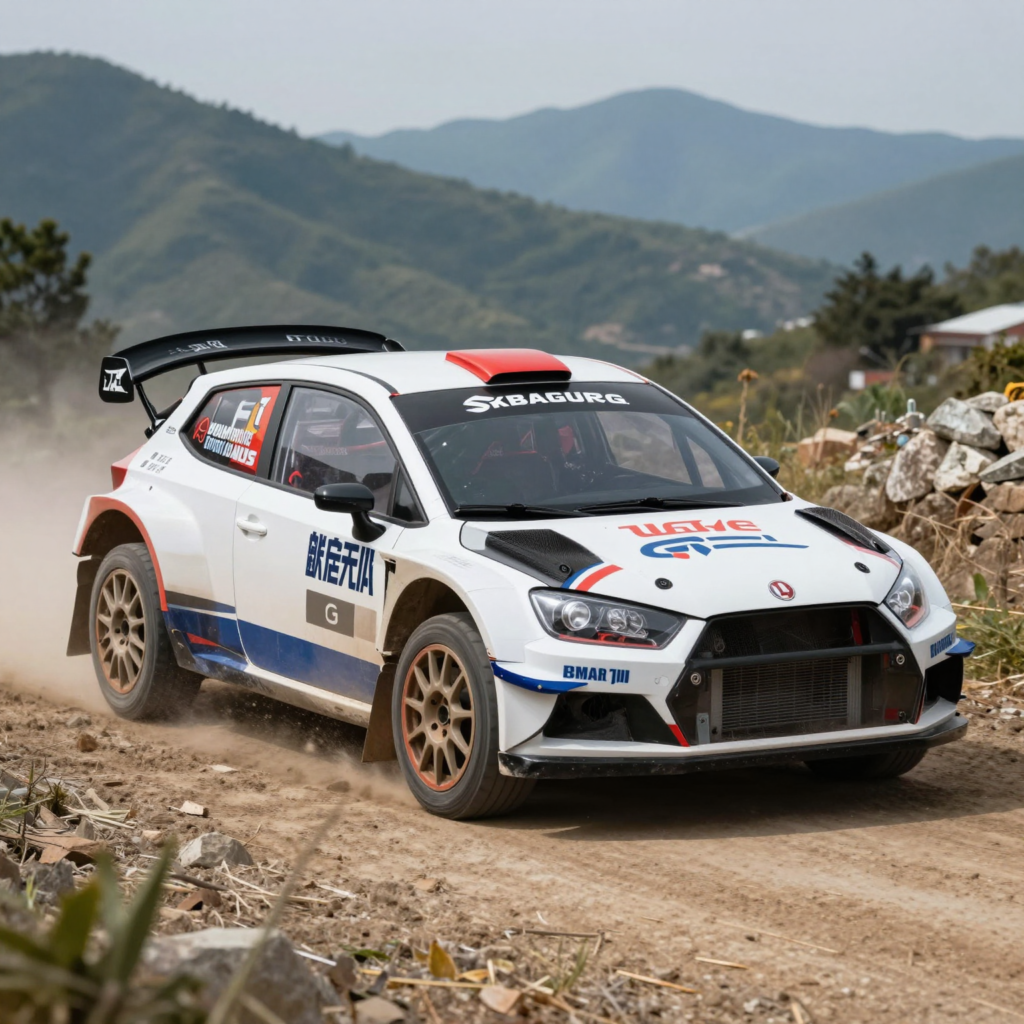
Introduction to WRC Rally Cars
The world of WRC rally cars is a thrilling realm where engineering excellence meets exhilarating speed and performance. For car enthusiasts, the roar of an engine, the grip of high-performance tires, and the adrenaline rush of navigating challenging terrains are more than just moments-they’re a passion that fuels the spirit of rally racing. Car modifications play a critical role in transforming standard vehicles into power-packed machines that defy expectations on the rally stage. This customization is not merely aesthetic; it directly affects rally performance, enabling vehicles to handle the twists and turns of gravel roads, high jumps, and unpredictable weather.
Whether you’re a hobbyist looking to fine-tune your vehicle or a professional car tuner seeking to maximize performance, the modifications you choose are paramount. Every adjustment, from suspension upgrades to turbo enhancements, contributes to the distinctive capabilities that define WRC rally cars. Join us as we delve into the fascinating world of modifications that elevate these beasts of speed to the top of their game, and discover how your passion for customization can be realized in the fast-paced arena of rally racing!
Engine Modifications for WRC Rally Cars
World Rally Championship (WRC) cars are renowned for their cutting-edge engineering and performance. One of the key aspects that sets these machines apart is their engine modifications. Here, we delve into some common modifications, including turbocharging, remapping, and performance upgrades.
Turbocharging
Turbocharging is a fundamental modification in WRC cars, with teams utilizing 1.6-liter turbocharged engines. The regulation allows for significant tuning within strict FIA regulations. Competitors implement custom turbochargers that optimize response and boost pressure. Enhancements in intercooler designs are also prevalent, helping to manage air temperature and improve efficiency. This ensures that the cars produce over 300 horsepower, imperative for competing on various terrains such as gravel, tarmac, and snow.
ECU Remapping
Remapping the engine control unit (ECU) is vital in adapting performance to the rally conditions. This modification allows for optimal fuel delivery and ignition timing, which is essential for maximizing power and managing traction. Teams commonly adjust ECU settings in real time during events to suit different stages of a rally, ensuring that drivers have the best throttle response when navigating tricky courses. You can learn more about tuning and ECU remapping.
Performance Upgrades
Various performance upgrades are made to strengthen the internal components of the engine. Enhancements such as high-strength pistons, reinforced crankshafts, and upgraded oiling systems contribute to the durability and efficiency of the engine. These modifications allow for the necessary power output while ensuring the reliability needed over intense rally stages. In fact, significant attention is paid to durability and performance to withstand the rigorous demands of rally racing, balancing reliability with top-notch performance.
Through these comprehensive engine modifications, WRC teams push the boundaries of automotive engineering, resulting in thrilling high-speed performances.
Comparing Popular Engine Modifications for Rally Cars
Understanding the various engine modifications available for rally cars is essential for hobbyists and professionals alike. Here’s a comprehensive table that outlines key modifications, their costs, expected power gains, and complexity levels:
| Engine Modification | Cost Range ($) | Expected Power Gain (HP) | Complexity Level |
|---|---|---|---|
| Turbocharging | 5,000 – 10,000 | 50 – 150 | Intermediate |
| ECU Tuning | 1,000 – 3,000 | 30 – 100 | Advanced |
| Exhaust System Upgrade | 800 – 2,500 | 10 – 30 | Easy |
| Performance Camshafts | 1,500 – 4,000 | 20 – 50 | Intermediate |
| Fuel System Modifications | 1,000 – 3,500 | 20 – 50 | Advanced |
Data compiled from current industry benchmarks and technical guides as of April 2026.
These modifications are crucial for enhancing the performance and competitiveness of rally cars. For a deeper dive into how these modifications can affect not just performance but also resale value and overall impact on the vehicle, check the resources provided.
Visual Representation of Engine Modifications
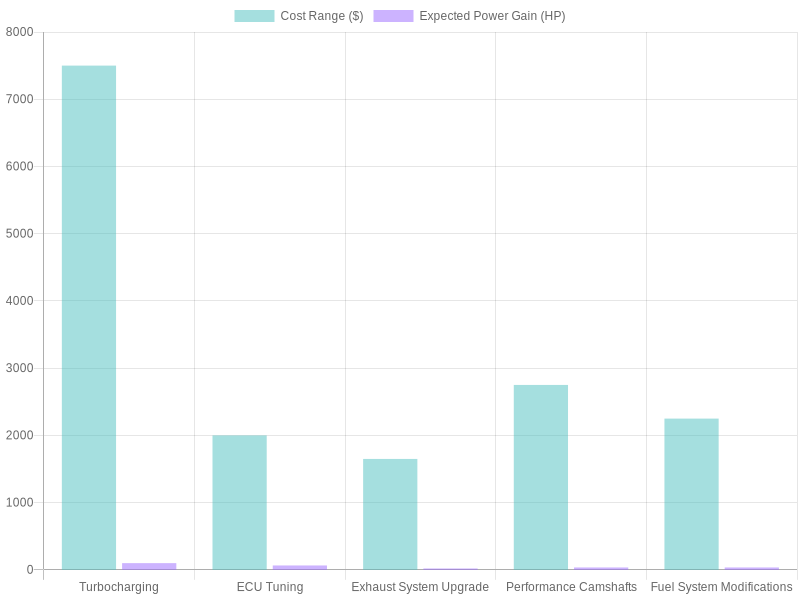
This chart visually compares the cost and expected power gain of various engine modifications, illustrating the trade-offs involved in each choice. Rally car modifications are driven not by mere aesthetic value but by the relentless pursuit of performance and durability in extreme conditions.
Whether you’re a hobbyist modifier, a professional tuner, or an enthusiast looking to push the limits, understanding these facets can lead you down the right path in your car modification journey.
Suspension Upgrades
Suspension modifications are imperative in rally cars as they greatly influence handling, traction, and safety on diverse terrains. Given that rally vehicles encounter everything from gravel and mud to snow and asphalt, having an adaptable suspension system is crucial for performance. Key types of suspension systems utilized include coilovers and anti-roll bars.
Types of Suspension Systems
- Coilovers are the predominant choice for suspension upgrades in rally cars. These systems replace standard shocks with a threaded shock absorber and spring assembly that allows for precise tuning. This adjustability helps teams optimize ride height and damping settings based on the specific conditions of each stage. The ability to modify compression and rebound settings can significantly enhance a vehicle’s grip and control across varying surfaces.
- Anti-roll bars, or sway bars, are vital in minimizing body roll during high-speed cornering. By linking the left and right wheels, these bars distribute loads evenly, improving cornering stability and driver safety. In many high-performance rally cars, adjustable or removable sway bars enable teams to adapt to changing track conditions effectively.
Together, these suspension modifications create a synergy that enhances handling, driver confidence, and overall vehicle performance in the high-stakes environment of rally racing. Learn more about car modifications and their impact on resale value and understand the importance of suspension tuning in rally cars.
Brake Modifications in WRC Rally Cars
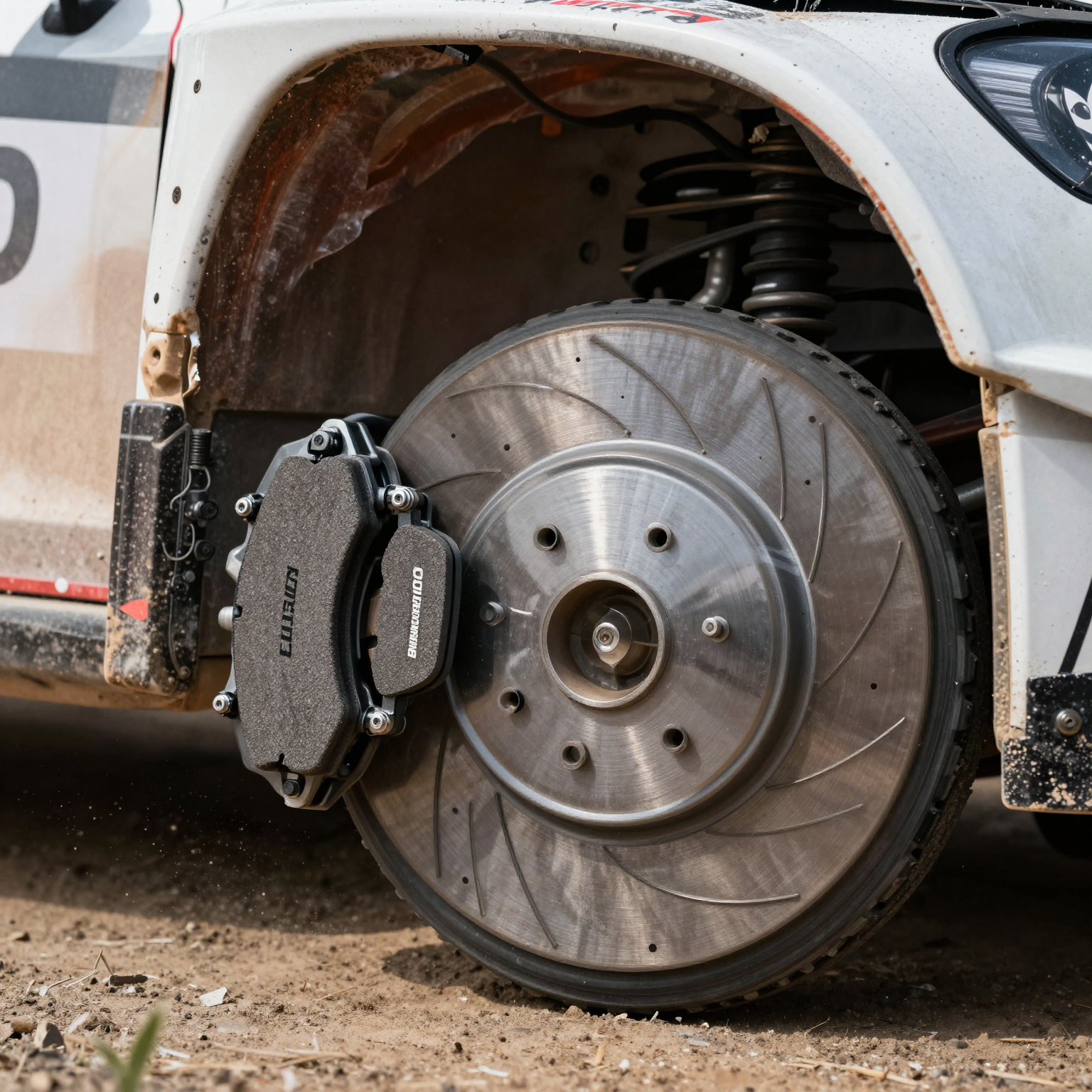
Enhancing the brake systems of WRC rally cars is vital for optimizing performance in extreme racing conditions. Common brake modifications include high-performance brake pads, calipers, and rotors, which are designed to withstand the significant heat and stress encountered on varied terrains.
Brake Pads: WRC teams typically choose pads made from advanced composite materials that offer superior heat resistance and reduced fade. These pads maintain consistent performance even under intense braking conditions, allowing drivers to push their machinery to the limits.
Calipers: Upgraded calipers are another essential aspect of brake modifications. Many teams opt for calipers made from lightweight yet robust materials, which enhance braking efficiency and stability. These calipers often feature a multi-piston design, providing increased clamping force for better contact with the rotor surface, thus improving braking responsiveness.
Rotors: The choice of rotors is equally crucial, with many teams employing slotted or drilled options to enhance cooling and dissipate heat more effectively. This prevents brake fade during prolonged use, ensuring reliable performance during demanding stages.
These brake enhancements not only improve a car’s stopping power but also play a pivotal role in overall vehicle performance throughout the grueling WRC events. For those interested in more on the intricacies of car tuning and the implications on insurance, learn more about car modifications and resale value.
Common Modifications in WRC Rally Cars
- Weight Reduction: Utilizing lightweight materials like carbon fiber and aluminum to boost performance and agility.
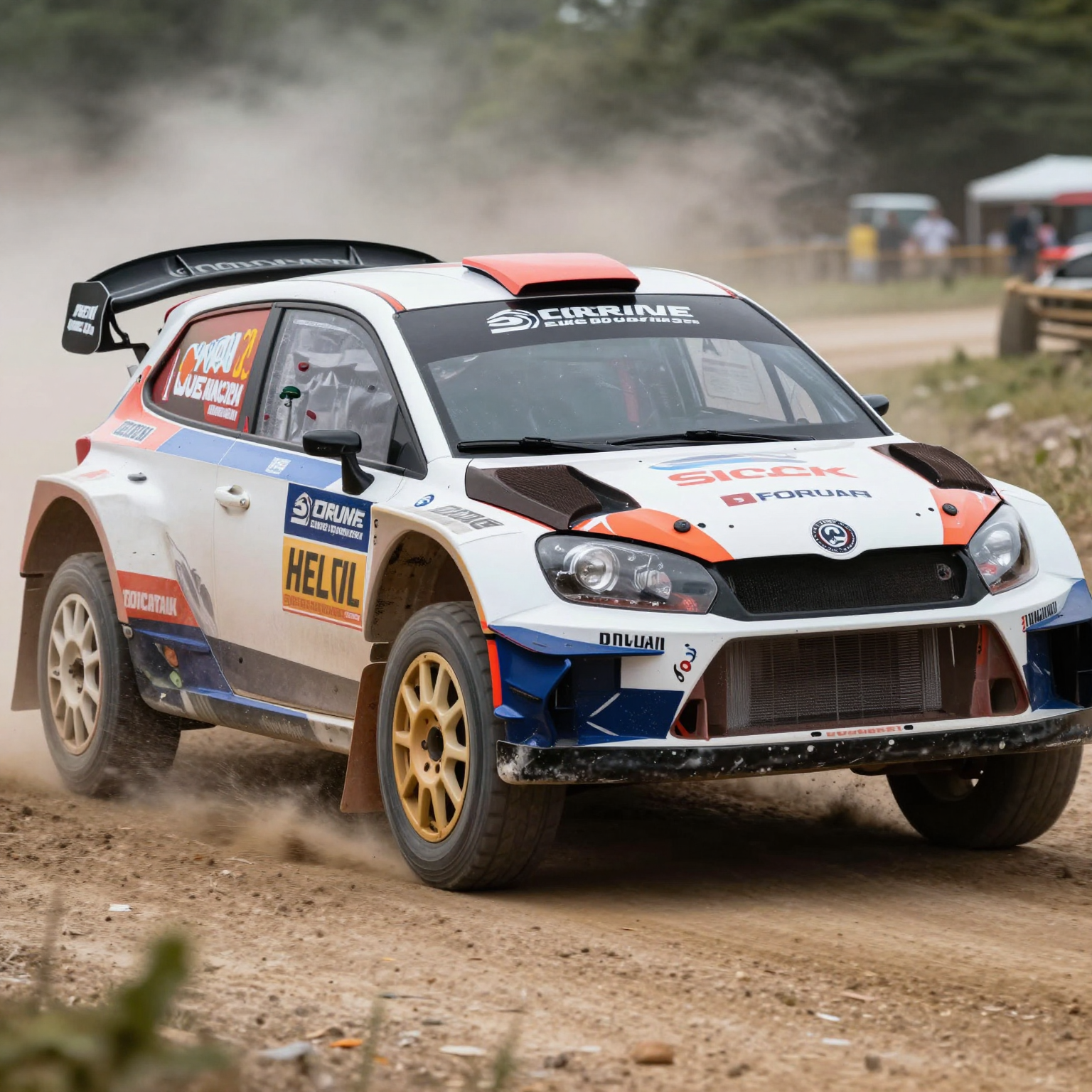
- Aerodynamic Enhancements: Incorporating front splitters, rear spoilers, and side skirts to improve stability and downforce at high speeds.
- Wheel Upgrades: Installing custom-designed wheels made of lightweight magnesium or forged aluminum for better handling and reduced unsprung mass.
- Suspension Tweaks: Upgrading to performance suspension systems to handle rough terrains and improve vehicle responsiveness.
- Performance Exhaust Systems: Installing aftermarket exhausts for improved engine output and efficiency.
These modifications play a crucial role in optimizing performance and ensuring success in rallies. For more on modifying vehicles, learn more about the risks and considerations.
The Significance of Modifications in Rally Cars
Expert Insights
“Horsepower is like money – you can never have too much.”
This empowering phrase, while not attributed to a specific professional car tuner, reflects a widely held sentiment in the rally racing community. It encapsulates the pursuit of power and performance upgrades essential for success on challenging terrains. In rally racing, modifications are critical not only for boosting speed but also for ensuring safety and reliability during high-stakes competitions.
Why Modifications Matter
- Performance: Upgrading engines, suspensions, and drivetrains enhances performance, allowing cars to tackle unpredictable rally stages.
- Safety: Modifications like reinforced chassis and enhanced braking systems are vital for driver protection in extreme racing conditions.
- Control: Tailoring tire selections and suspension geometry are key for improving vehicle control over various surfaces.
To explore a comprehensive guide on the essential mods that rally cars require, check out this detailed overview.
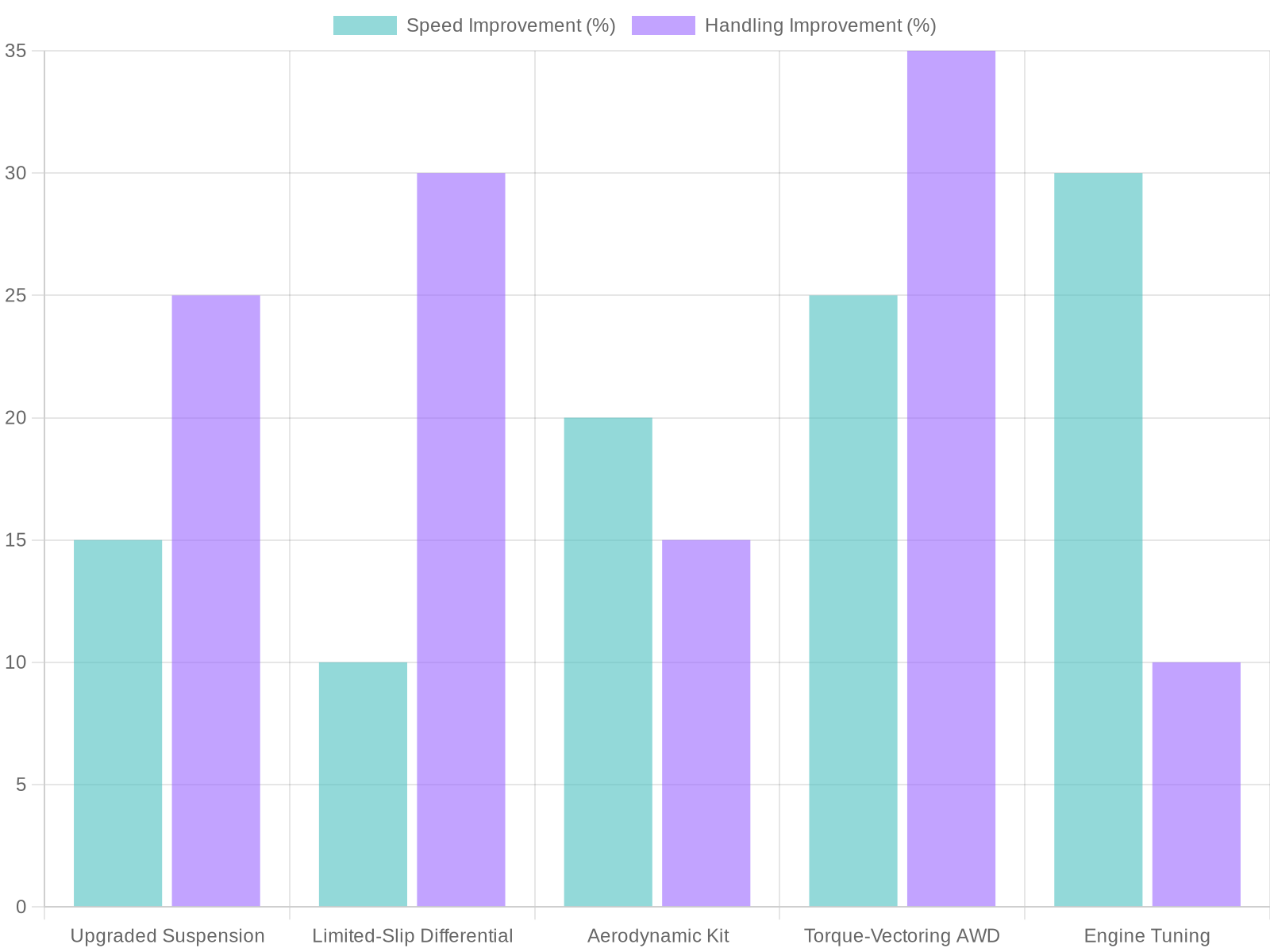
Performance Improvements in Rally Car Modifications
| Modification | Speed Improvement (%) | Handling Improvement (%) |
|---|---|---|
| Upgraded Suspension | 15% | 25% |
| Limited-Slip Differential | 10% | 30% |
| Aerodynamic Kit | 20% | 15% |
| Torque-Vectoring AWD | 25% | 35% |
| Engine Tuning | 30% | 10% |
Note: Performance improvements are approximate and based on industry-standard benchmarks for rally car modifications. Actual results may vary depending on vehicle platform, driving conditions, and tuning precision.
Conclusion
In summary, modifying WRC rally cars offers enthusiasts a platform to unleash their creativity and engineering skills. Key modifications discussed in this article include turbocharged engines, advanced all-wheel drive systems, reinforced chassis, and specialized body kits designed for aerodynamic efficiency and durability on a variety of terrains. Such enhancements not only improve performance but also ensure compliance with the stringent regulations governing these elite racing machines.
The world of WRC is not just about speed; it’s about passion, community, and the relentless pursuit of perfection. Enthusiasts are continuously pushing the boundaries of what’s possible, each modification a testament to their dedication. For those in pursuit of excellence in their automotive journey, this is your moment to dive into the thrilling world of car modification.
To further fuel your passion, explore premium motorcycle fairings at Summit Fairings for top-notch parts that will elevate your ride!