
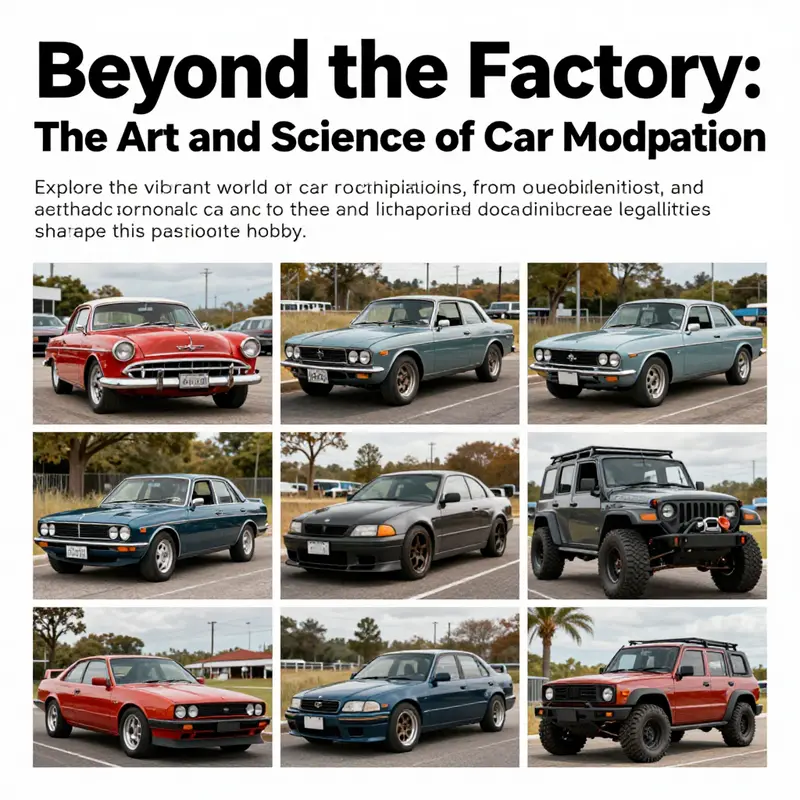
Car modification is more than just a trend; it is a passion that brings together hobbyist car modifiers, professional tuners, and classic car enthusiasts alike. This pursuit embodies the spirit of individuality, technical skill, and a deep-seated love for automotive culture. By transforming vehicles from their original factory specifications, these modifications enhance not only aesthetics but also performance and functionality. In this exploration of car modification, we will delve into five critical chapters: Cosmetic Enhancements, Performance Upgrades, Functional Changes, Legal Considerations, and the Cultural Impact of Modifications, each weaving a comprehensive narrative that celebrates the creativity and craftsmanship of car enthusiasts everywhere.
Painting Identity on Four Wheels: The Cosmetic Layer of Car Modifications
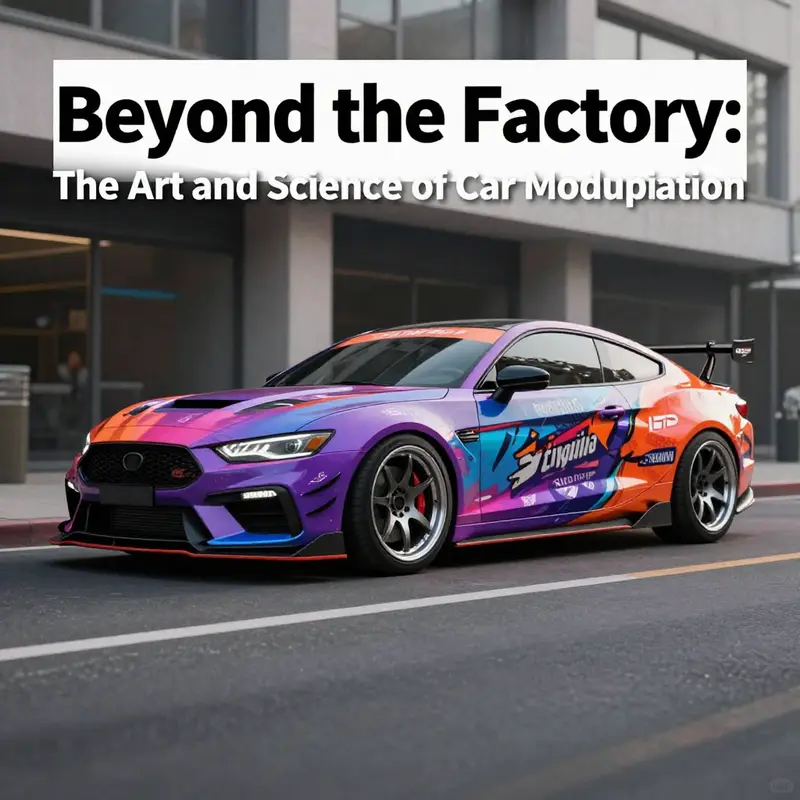
Cosmetic enhancements in car modifications function as a subtle, personal dialogue between a vehicle and its owner. They are not about increasing horsepower or redefining handling, but about shaping perception. A car’s appearance becomes a portable canvas for individuality, a way to signal taste, mood, and sometimes membership in a broader automotive culture. In the broader landscape of what a car modification can be, cosmetics occupy the space where aesthetics meet identity. This is where the road experience begins long before the engine roars to life or a corner is taken with confidence; it starts with color, texture, stance, and the way the light dances across a carefully chosen surface finish. The aesthetic choices made here ripple outward, affecting how others view the vehicle, how the owner feels behind the wheel, and even how the car is perceived in social and professional circles. To understand cosmetic modifications is to recognize a form of nonverbal communication, an expression of self that remains strikingly practical in its consequences: it can influence resale appeal, maintenance routines, and the emotional value a car holds for its owner.
Among the most popular avenues of cosmetic enhancement is the act of changing the vehicle’s color, either through traditional paint or through modern wraps. Custom paint offers depth, nuance, and permanence that many buyers associate with a fresh start or a new era for their vehicle. Finishes range from matte to gloss, metallic to pearlescent, and even color shifting appearances that reveal different hues as the light shifts. Each option carries its own set of maintenance considerations. Matte finishes, for instance, emphasize texture and nuance but can demand gentler washing techniques and more frequent protection against UV exposure and staining. Color shifting paints create dynamic visuals that can captivate observers and require careful color maintenance to preserve the intended effect. Wraps, on the other hand, provide a reversible route to dramatic change. Vinyl sheets can mimic carbon fiber, chrome, or exotic hues without committing the underlying paint. They can be removed or replaced with relative ease, allowing owners to experiment with looks without altering the factory coat. Either path offers a broad palette for personal storytelling, from understated elegance to audacious, show stopping impact.
In parallel with color, surface texture and finish play a crucial role in how a car is read by passersby. A fiber like carbon wrap, a satin sheen, or a brushed metal appearance can transform the surface into a visual feature that invites closer inspection. The choice of finish is not merely about cosmetics; it interacts with lighting, weather, and the car’s lines. A color shifting finish, for example, can accentuate body contours in ways that a flat color cannot, making a wheel arch or a hood line appear to breathe with the surrounding environment. These finishes challenge the eye to perceive the vehicle from multiple angles, creating a sense of dynamism even when the car is stationary. The broader effect is a vehicle that invites interpretation and conversation, turning an ordinary drive into a small performance art piece for the street.
Closely tied to color and finish are the broad categories of body kits and wheel customization. A body kit, including front lips, side skirts, and rear diffusers, redefines the car’s silhouette and can evoke a broader range of moods—from aggressive and performance oriented to refined and aerodynamic. Even when the functional benefits are modest, a well chosen kit can subtly alter airflow patterns around the car and influence perceived speed and stance. The front splitter, more than a stylistic flourish, can suggest a focus on downforce and stability at higher speeds, while the side skirts create a lower, more cohesive lower profile that communicates purpose. When paired with a thoughtfully selected rear diffuser, the overall posture of the vehicle reads as a deliberate design statement rather than a mere modification. The goal is cohesion: every line and edge should harmonize with the car’s proportions, echoing a consistent aesthetic rather than a patchwork of separate accents.
Wheel and rim customization is perhaps the most immediate way to alter a car’s presence. The choice of wheel design, finish, and size can dramatically shift a vehicle’s silhouette and its interaction with light. A set of lightweight alloys with a precise offset can give a car a more aggressive stance, while finishes such as chrome, gunmetal, or brushed textures reflect different personalities—from glamorous to understated. The wheel package acts as a constant visual anchor for the entire modification suite, tying color and body kit choices together and ensuring the car’s spirit is coherent from every angle. Yet wheels also demand practical consideration: fitment must respect brakes, suspension geometry, and tire clearance. A beautiful wheel that rubs against calipers on turns or interferes with suspension travel undermines the intended effect and can compromise safety. The best cosmetic setups honor both style and function, achieving a balance where form enhances function and vice versa.
Beyond the aesthetics themselves, the maintenance and longevity of cosmetic modifications shape their long term value. Paint and wraps each require different care regimes. Traditional paints demand attention to chip protection, UV resistance, and periodic polishing to maintain depth and gloss. Wraps emphasize protection from abrasions, punctures, and adhesive integrity, with removal strategies that aim to preserve original paint for future resale. The right maintenance approach preserves the crisp lines and color relationships that define the look, ensuring the car continues to communicate the owner’s intent years after the first reveal. The decision to pursue a cosmetic upgrade is rarely just about today’s appearance; it’s a forecast of how the vehicle will be perceived in the future, which in turn informs decisions about resale value and ongoing upkeep.
Cosmetic modifications sit at an intersection with regulation and safety in compelling ways. An important part of the story is recognizing that changes to appearance can trigger regulatory requirements in some places. Altering a vehicle’s body color, for example, or replacing major components may necessitate a change of registration process with local authorities. While cosmetic work can be relatively routine, the legal framework surrounding modifications emphasizes that owners must understand the boundaries between self expression and compliance. In jurisdictions where strict rules apply, engaging with the proper authorities ensures that a car’s new look is compatible with road use standards. The awareness that cosmetic choices can carry administrative consequences adds another layer to the decision making process, encouraging thoughtful planning and documentation rather than impulsive experimentation.
This broader context also highlights the relationship between cosmetic mods and broader ownership considerations, including insurance and resale. Insurers can view cosmetic alterations as a factor in risk assessment, particularly when the modifications involve materials or finishes that affect exterior durability or ease of maintenance. Resale value may hinge on the quality of the work and its timelessness. A tasteful, well executed cosmetic package can enhance appeal, while a polarizing look that ages poorly may constrict future market interest. The psychology of style plays a nontrivial role here: what remains timeless is often a clean execution, balanced color relationships, and a look that remains faithful to the car’s original design language. For readers who want to explore how cosmetic choices fit within a broader modification plan, a comprehensive resource that guides overall strategy can be helpful: external resource that guides overall strategy can be helpful.
In thinking about cosmetics as an expressive layer, it is useful to remember that the best results emerge from a thoughtful, cohesive vision rather than a grab bag of trends. An owner who begins with a clear sense of the car’s lines, proportions, and the story they want to tell will naturally select colors, finishes, and silhouette adjustments that reinforce that narrative. The conversation then shifts from novelty to longevity: will this look still feel right five years from now? Will it work with future upgrades, or will it clash with a new direction? The answers come from a steady sense of proportion and a respect for the vehicle’s existing character. For many, cosmetic modification is less about chasing attention than about turning the car into a tailored piece of personal expression that ages gracefully with the owner’s evolving identity.
If readers are drawn to further technical context on materials, finishes, and their practical implications in industry, an external resource offers a detailed overview of how modification kits and surface treatments are selected for durability and performance. External resource: https://www.motor1.com/tech/278456/car-modification-kit-explained/
Pushing Power and Precision: The Narrative of Performance Upgrades in Car Modifications
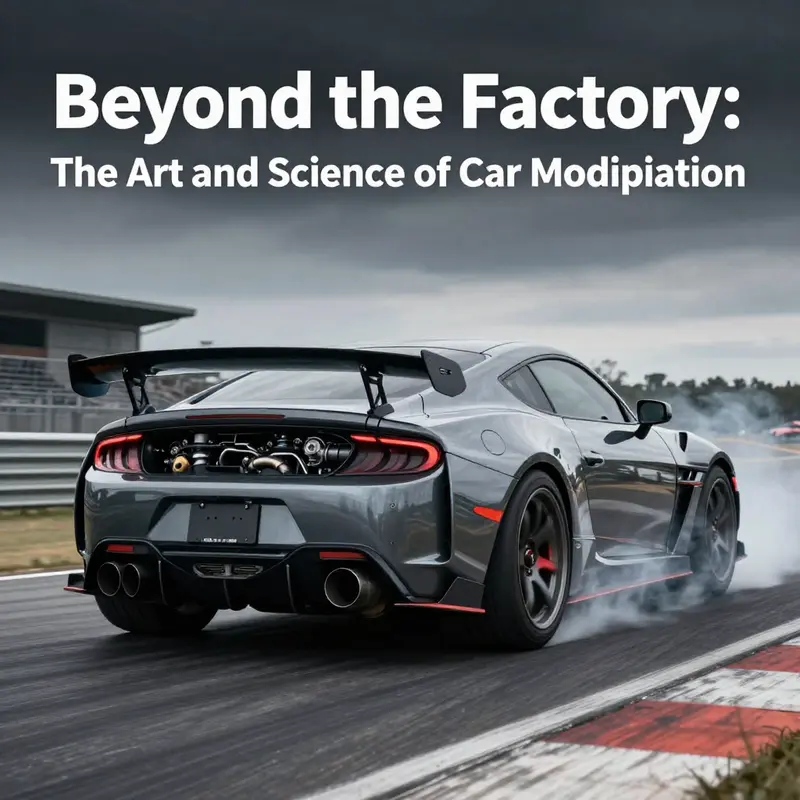
Performance upgrades in car modifications sit at a compelling crossroads of engineering discipline, personal taste, and technological progress. They are the most tangible way a car owner translates a passion for speed, control, and presence into a machine that feels tailored to the driver’s ambitions. This chapter follows a single thread: how enhancements under the hood, beneath the chassis, and in the cockpit work together to shift a vehicle from a factory baseline toward a customized instrument of performance. It is not merely about raw horsepower; it is about the choreography of power, grip, balance, and feedback that makes a car feel responsive, predictable, and exhilarating. Whether the aim is track dominance, refined daily driving, or a striking showpiece, performance upgrades reveal the depth and nuance of car modification as a practical craft rather than a childish impulse. They embody a philosophy that asks not only what a car can do, but how it can be tuned to respond intuitively to a driver’s intent, road conditions, and the demands of a particular discipline or event. In this sense, performance upgrades are a language that translates the vehicle’s engineering into a personal driving language that someone can truly call their own.
Among the most consequential avenues for this transformation is engine tuning. Engine control units, sensors, and actuators form a feedback loop that governs fuel delivery, ignition timing, and air-fuel ratios. Recalibrating this loop can yield meaningful gains in horsepower and torque, but the real gains emerge when the tuning is integrated with an understanding of the car’s broader dynamics. A tuned engine does not exist in a vacuum; it interacts with the suspension, the braking system, and the aerodynamics of the body. Drivers who engage in performance work often pair ECU remapping with telemetry sets that capture speed, lateral G-forces, lap times, and temperature envelopes. The resulting data becomes a map of where the vehicle handles at the limit and where it needs more grip, cooling, or refinement. The discipline emphasizes precision and patience—small adjustments, careful testing, and a respect for the delicate balance that keeps an engine’s power usable in real-world conditions. In this sense, engine tuning is as much about repeatable technique as it is about a larger figure on a dyno chart.
Yet horsepower alone rarely defines a successful upgrade. The chassis must be able to translate that power into usable speed, and that is where suspension and braking systems enter the narrative with equal gravity. Upgraded springs, dampers, and anti-roll bars change how a car communicates its intentions to the road. They influence ride quality, but more importantly, they shape cornering stability and load transfer during aggressive maneuvers. An optimized suspension works in concert with geometry modifications, tire choice, and steering response to create a predictable, immersive feeling at the limit. Braking systems—calipers, rotors, and pad compounds—must be capable of dissipating the heat generated by higher speeds and repeated stops while preserving a tactile, linear feel. The goal is not merely shorter stopping distances, but a threshold where the driver can confidently apply pressure, anticipate weight transfer, and modulate deceleration with precision. The interplay between engine output and chassis receptivity is what often distinguishes a good modification from a great one, and it is where many drivers learn that power without precision can be a dangerous combination.
Aerodynamics also plays a decisive role in shaping the performance character of a modified car. Subtle changes to body panels, spoilers, diffusers, and underbody treatment influence the airflow that batters the vehicle at high speed. The aim is to manage lift, harness downforce, and reduce drag enough to improve stability without compromising agility. Properly executed aero work can widen the envelope of confidence at the limit, allowing the driver to carry speed through corners and on straights with less fear of instability. It is a refinement that often reveals itself only on the test track or in careful high-speed benchmarking. The ethical underpinnings of aero work are important here as well: the modifications should support safety and reliability, not simply increase the number on a dynamometer or a show floor. When Aero and power come into alignment, the car feels like a single instrument rather than a heap of separate components reacting to the road in isolation.
Inside the cockpit, modern instrument panels and driver-usable data interfaces have become indispensable companions to performance work. Instead of relying on a single gauge for speed, drivers increasingly demand multi-parameter displays that track real-time engine temperature, fuel delivery, airflow, and torque split under varying drive modes. These digital instruments, often customizable, provide the situational awareness that supports disciplined driving, especially under demanding conditions. In a world where a race or track practice session moves quickly, having a clean, intuitive readout of critical metrics helps a driver stay connected to the vehicle’s feedback while maintaining focus on technique. The convergence of software with hardware means performance upgrades extend beyond the mechanical—calibration, software tuning, and interface design become essential elements of a coherent upgrade strategy. The modern modification therefore becomes a blended artifact: a car whose capability is shaped by the synergy of its mechanical hardware, its electrical software, and the driver’s skill.
As enthusiasts push the boundaries of what is possible, the conversation inevitably touches on the wider ecosystems around performance work. Legal and regulatory frameworks in many regions require owners to record or register significant changes, ensuring that vehicles remain in compliance with safety and environmental standards. In some contexts, substantial alterations to the powertrain or chassis can trigger changes to registration, ownership details, or inspection requirements. The consequences of neglecting these obligations range from warnings to penalties, underscoring the importance of approaching modifications with a sense of responsibility and foresight. The same regulatory lens reminds us that the pursuit of performance should coexist with accountability and stewardship of the road and community around the vehicle. Where these obligations are well defined, owners benefit from clear pathways to legitimate, sustained modification programs that minimize risk and maximize the chance of long-term enjoyment.
Looking forward, the landscape of performance upgrades is evolving alongside the broader shifts in the automotive industry. Electric propulsion introduces new frontiers for power delivery, battery management, and regenerative braking strategies, while intelligent systems bring predictive maintenance, adaptive handling, and driver-assistance features into the performance equation. The vocabulary expands beyond raw torque to include battery temperature envelopes, motor control strategies, and software-defined driving modes that reconfigure throttle response, suspension feel, and braking bias with the push of a button or through an AI-curated profile. This not only broadens the technical toolkit available to modifiers but also emphasizes the importance of a holistic approach. The best upgrades are those that harmonize mechanical improvements with software intelligence, ensuring that the car remains controllable, safe, and enjoyable as it crosses the threshold from stock to specialized tool.
In many ways, then, performance upgrades are a storytelling process. They tell the driver’s story in measurable form: the feel of a corner absorbed at the limit, the confidence of a straight-line sprint taken with disciplined restraint, the satisfaction of a vehicle that responds to subtle driver inputs with immediate, predictable feedback. They also tell a broader story about the culture of modification—the craft of tuning, the discipline of testing, and the ongoing negotiation between speed, safety, and responsibility. For readers exploring what car modification means beyond aesthetics, the case for performance upgrades rests on a simple premise: when done thoughtfully, upgrades not only alter a car’s capability; they refine the relationship between car and driver. For owners weighing the long-term implications, including resale value and insurability, it helps to consider how the upgrade package is documented and integrated with the vehicle’s overall design and maintenance plan. See the discussion of car modifications and resale value for a practical lens on how performance choices influence a car’s market trajectory.
As a closing reflection, it is worth recognizing that the world of performance upgrades thrives on a balance of ambition and discipline. Engineers and drivers alike acknowledge that the road to higher speeds is paved with careful testing, incremental approvals, and a respect for the vehicle’s evolving mechanical and electronic systems. The narrative of performance upgrades is not about blinding acceleration alone; it is about shaping a vehicle’s personality so that power, grip, and feedback align with the driver’s intentions in a way that remains controllable, repeatable, and, above all, enjoyable. For those seeking additional context on how upgrades intersect with broader technical advances, the literature on performance improvements and data-driven enhancements offers a window into the next era of personalized mobility. External resource: https://www.international-ocean-systems.com/article/sonardyne-announces-performance-upgrades-to-wsm-transponders/.
Power, Precision, and Purpose: Understanding Functional Changes in Car Modifications
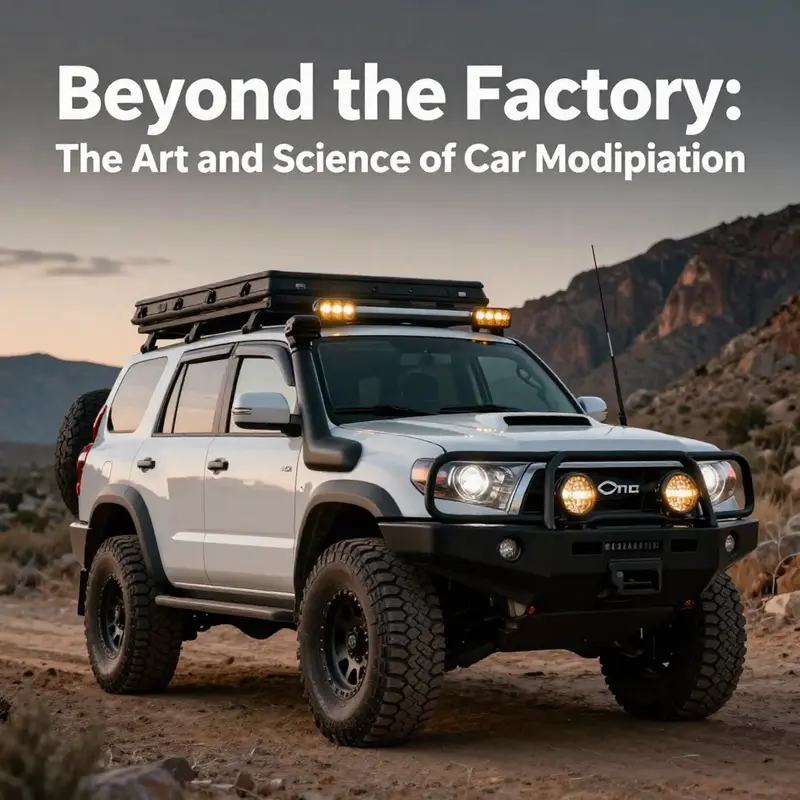
Functional changes in car modifications sit at the intersection of engineering ambition and daily practicality. They are upgrades that push a vehicle beyond its factory baseline in ways that affect acceleration, braking, handling, or everyday usability. Unlike cosmetic tweaks, functional changes alter capabilities and the relationship between driver and road. When approached thoughtfully, they transform a car into a more capable tool for track days, long highway trips, or reliable daily commuting. The goal is to align the car’s performance envelope with the owner’s objectives, driving style, and the realities of the road, track, or load they routinely face. In this light, functional modifications become a dialogue between machine, driver, and environment, unfolding across power, safety, and utility.
Performance enhancements form the core of many functional changes. Engine upgrades such as turbochargers, superchargers, or cams can expand horsepower and torque. Intake and exhaust revisions improve breathing and scavenging. Cold air intakes deliver denser air, improving combustion efficiency, while a tuned exhaust can reduce backpressure and sharpen throttle response and note. ECU calibration ties these pieces together by adjusting fuel, timing, and, in some cases, boost targets, yielding more usable power and a more linear throttle. Transmission upgrades such as shorter-throw shifters or performance clutches translate that power more efficiently to the wheels and improve driveability under demanding conditions. Together, these changes can make a car feel more alive and capable, especially on a track or during spirited road driving.
Safety-focused improvements are increasingly important. Upgrading braking capacity, suspension, and chassis balance helps maintain control under higher loads. Adaptive aids or driver-assistance retrofits can enhance safety, but integration must be careful to avoid conflicts with existing systems. The goal is to expand the protective envelope without introducing new failure modes or compromising reliability.
Utility and convenience enhancements improve daily usability. Interior and infotainment upgrades, dash cams, tire-pressure monitoring, and diagnostic tools can aid risk management and comfort. Sound-deadening and cabin refinement can increase quiet and comfort on long trips while preserving or enhancing listening and communication capabilities. These changes should improve practicality without unduly sacrificing reliability or daily drive quality.
Regulatory and lifecycle context varies by country and region. Some modifications may require registration, inspection, or disclosure, and owners should educate themselves on local rules, warranty implications, and insurance considerations before proceeding.
Economics and resale considerations influence the decision to mod. Upfront costs, ongoing maintenance, insurance implications, and impact on resale value all shape the ownership experience. Documentation, professional installation, and a coherent modification history can help preserve value and reassure potential buyers.
Decision framework and conclusion: a disciplined process helps guide functional changes. Define clear goals, assess baseline limits, budget for installation and calibration, and work with specialists who understand both engineering and regulatory aspects. A cohesive program should optimize synergy across engine, chassis, brakes, suspension, and electronics while staying practical for daily use. In the end, functional changes are purposeful engineering that expand what a car can do while respecting safety, reliability, and ownership realities. A well-planned program aims to deliver tangible gains in capability without sacrificing daily usability, turning a factory baseline into a tool aligned with the driver’s ambitions.
The Legal Road Map of Car Modifications: How Changes to Your Vehicle Must Align with the Rules
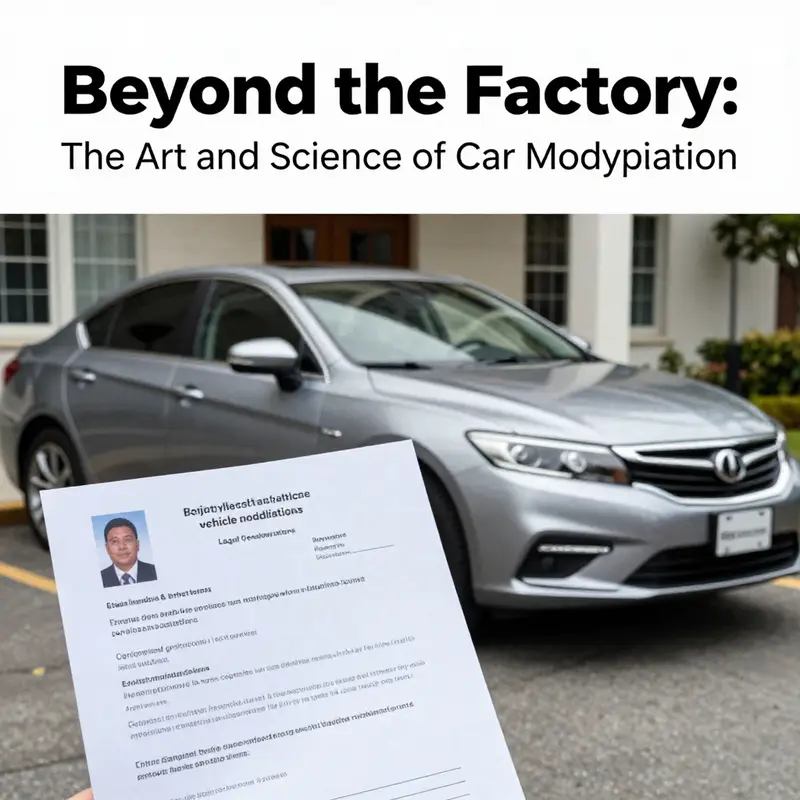
A car modification is more than a personal statement of style or curiosity about performance; it is a legal act that changes how a vehicle is classified, tested, taxed, insured, and ultimately allowed to operate on public roads. This chapter traces the journey from the moment an owner envisions a change to the moment the modified car returns to the lane, with careful attention to jurisdictional nuance. In most places, modifications fall into three broad areas: cosmetic changes that alter appearance; performance or safety alterations that change how the car behaves; and functional changes that affect how the car operates, such as drivetrain swaps or changes to the emissions system. While the spectrum may seem simple, the legal implications are anything but. Regulations are not uniform across borders or even between neighboring regions; they reflect priorities like safety, environmental protection, and the capacity of authorities to enforce standards. Understanding this landscape is essential for anyone who wants to modify a vehicle without inviting penalties, liability, or the nightmare of a car that cannot legally be driven on public streets.
At the heart of the issue is the idea that a car is a social technology with defined limits. When a modification moves a vehicle outside those limits, regulators may reclassify, re-register, or require certification before the car can be driven again. The consequences can include fines, failed inspections, restrictions on registration, or even a temporary halt to road use until compliance is restored. This is not mere bureaucracy; it is a system designed to preserve safety, protect the environment, and ensure that the vehicle continues to meet the standards that safeguard occupants and pedestrians. A responsible approach to modification begins with that understanding and proceeds with deliberate steps to stay within the law rather than pursue illegal or unsustainable perks.
The kind of modification matters as much as the intent. A changed exhaust that increases noise may violate local ordinances and create compliance risks, even if it does not noticeably alter performance. Modifying emissions controls or tampering with catalysts or sensors is treated seriously in many jurisdictions because it directly affects air quality and regulatory compliance. In such cases, the owner may face penalties, and the vehicle may fail emissions testing. Cosmetic changes, while often less sensitive to safety and emissions rules, still require attention to visibility, lighting, and vehicle identification. A new paint color may trigger documentation checks during registration, or in some locations prompt a reinspection to confirm that safety systems still function. The line between cosmetic and functional can blur, and the key question is how any alteration might ripple through the regulatory framework.
Insurance plays a critical role in the legal landscape of car modifications. An insurer’s decision to cover a modified vehicle, or to adjust premiums, hinges on a clear understanding of what was changed and why. Modifications can affect risk profiles—such as acceleration, braking, and handling—and changes to safety systems can influence occupant protection in a crash. Insurers often require disclosure of significant changes, and failure to do so can void coverage or lead to claim denials if the modification is deemed a contributing factor. Even when coverage remains available, premiums and terms can shift. From a risk management perspective, owners should document every modification, retain receipts, and consult with their insurer before making changes that might affect liability or payout terms.
The issue of classification also has tax and registration implications. Some high-performance modifications can push a vehicle into special categories that affect registration status, taxation, and eligibility for incentives or restrictions. The same base model can carry very different legal and fiscal profiles depending on the modifications it bears. A thoughtful owner will consider not just feasibility but long-term legal sustainability, given ownership structure, planned use, and the jurisdiction’s stance on roadworthiness and taxation.
To summarize, plan modifications with a map of regulatory expectations. Start by identifying the exact modification, then trace its potential effects on safety testing, emissions compliance, vehicle classification, and registration. Gather documentation, consult authorities or official guides, and discuss changes with your insurer. The most resilient approach blends technical ambition with regulatory literacy, ensuring the car remains a trusted road companion rather than a legal problem. If doubt arises, err on the side of transparency and keep the paperwork that proves compliance. As technologies evolve and enforcement tools advance, a disciplined approach will remain the best form of ownership, respecting both your ambitions and the shared responsibility of road safety.
External reference: For safety standards and vehicle compliance guidance, consult the official resources provided by the U.S. Department of Transportation.
Identity on Four Wheels: The Cultural Pulse of Car Modifications
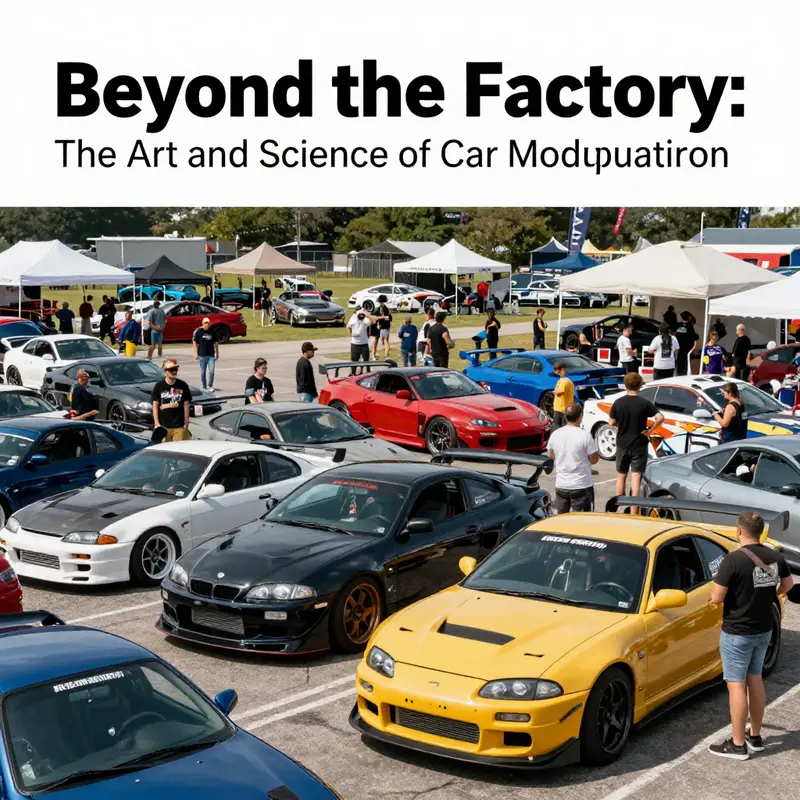
A car modification is rarely just a set of parts swapped, colors changed, or numbers tweaked under the hood. It is, in many ways, a rite of passage that turns an ordinary vehicle into a portable statement of taste, skill, and belief. The modification scene—whether subtle refinements or drastic reimaginings—operates as a living culture where personal narrative intersects communal craft. When a driver chooses a different paint, a new exhaust note, or a bespoke suspension, they are not merely altering performance or appearance. They are translating an inner philosophy into visible form, a translation that other enthusiasts can read, respond to, and remix in their own projects. The phrase from the literature that captures this spirit—that thoughts become tangible through skilled work—resonates here: car modification becomes a tangible artifact of identity, a piece of self-expression that can travel, exchange hands, and inspire new creation across borders.
The core of this culture is, at its heart, individuality paired with craftsmanship. Enthusiasts curate a persona through their machines, and this curation unfolds in many layers. Exterior customization—body kits, paint schemes, wheels—reads as a first impression, a visual résumé of what the owner values, whether it be aggression, elegance, nostalgia, or futuristic boldness. Inside, choices of materials, seating, instrumentation, and even the scent of the cabin can narrate a story about how the owner wants to experience the world from behind the wheel. Yet the meaning is never isolated to the self. The modification is also a conversation with a broader community that shares a language of torque curves, aero balance, and suspension geometry. The community translates the owner’s personal taste into a set of shared standards, a common grammar for what looks good and what performs well under specific conditions.
This dynamic is reinforced by the hands-on nature of the practice. Unlike passive consumption, modification demands inquiry, problem-solving, and iterative testing. The car becomes a workshop on wheels where ideas are tested against reality: a chassis, an engine, and a set of constraints that must be navigated. A difficult problem yields a sense of achievement when solved, and that success is contagious within the car culture. The social dimension—where knowledge is exchanged at car shows, in garage conversations, and online forums—transforms individual builds into collective learning. Enthusiasts trade tips on tuning, weight reduction, or aerodynamic balance, and they celebrate outliers who push the envelope. In this sense, the culture fosters both technical mastery and creative confidence, encouraging people to imagine what a vehicle could be before they begin the physical transformation.
The global texture of this culture adds another layer of richness. While the roots of tuning and customization can be traced to specific regions and scenes—Japan’s JDM-inspired aesthetics, Germany’s precision-tuned performance heritage, or the American culture of hot-rodding—the modern practice is inherently transnational. Ideas cross borders as builders travel, trade components, and participate in international shows and online exchanges. A modification that begins as a local experiment can quickly become a global talking point, reinterpreted through the eyes of another culture, adapted to different regulations, and reimagined with new materials and technologies. The cross-pollination is visible not only in performance choices but in the music, fashion, and art surrounding car events. Attendees bring their own cultural signals—styles, colors, attitudes—that blend into a shared festival of speed and customization. The result is a vibrant mosaic in which each modification contributes a tile to a larger picture of contemporary car culture.
This cultural gravity is not without tension. Enthusiasts contend with regulatory frameworks that balance individual expression and public safety, a negotiation that varies across jurisdictions. The same culture that esteems risk-taking also requires discipline when it comes to safety, emissions, and roadworthiness. In many places, changing a car’s body color, engine, or frame triggers formal registration or reporting to authorities. The conversation around legality is not simply about avoiding penalties; it is about ensuring that the craft remains legitimate and sustainable within the communities that celebrate it. In China and other places where law and policy shape everyday ownership, the process of change-of-registration formalizes a boundary between personal artistic expression and public accountability. The rules may include streamlined procedures or remote processing, but the underlying principle is clear: modification, to remain meaningful, must coexist with a shared responsibility to safety and legitimacy. The tension—between the dream of unique expression and the obligations of the public road—produces a nuanced public discourse that gradually shapes perceptions of car culture.
In practical terms, this discourse manifests as a spectrum of modification choices. On one end lies cosmetic alteration: color changes, trim updates, wheels and lighting that alter the car’s silhouette and mood. On the other end are functional transformations: engine swaps, suspension overhauls, or exhaust systems designed to extract a different kind of performance. Between these extremes, countless mid-range projects exist that blend aesthetics with performance, such as weight reduction strategies, drive-train tuning, or chassis tuning for improved handling. The decisions are rarely about one single goal; they are about a set of linked outcomes: how the car looks, how it feels to drive, how it behaves on a track or a city street, and how those experiences align with the owner’s values. In this sense, modification is a holistic practice that engages mechanical know-how, artistic discernment, and ethical consideration in equal measure.
Culturally, the practice also interacts with the economics of car ownership. The choice to modify can be an investment in personal joy, a way to extend a vehicle’s life, or a statement of credit and risk, given the long-term financial implications of resale value and insurance matters. Some owners approach modifications to preserve or even enhance resale value, aligning their projects with market expectations and practical considerations. Others pursue more avant-garde directions, accepting potential depreciation as a trade-off for personal satisfaction and community status. The dialogue around value is complex, shaped by shifting tastes, regional preferences, and the evolving regulatory landscape. This complexity underscores the fact that car modification sits at the intersection of art, technology, and economics, rather than in a vacuum. It remains a dynamic reflector of what a society deems desirable, responsible, and inspiring.
One can glimpse this cultural vitality in the ways communities celebrate unusual builds and daring experiments. The anecdotal richness—stories of people who built something wholly new from a spare part, or who transformed a mundane vehicle into a rolling sculpture that turns heads at every corner—documents a broader human impulse: to make meaning tangible, to demonstrate skill, and to knit a sense of belonging through shared fascination. For readers who want to explore this playful, almost whimsical dimension, there is a spectrum of examples that illustrate how far people will go in the name of expression. While not every modification becomes a cultural landmark, each project contributes to the ongoing conversation about what a car can be, and what a driver believes a car should be in a world that continues to evolve technologically and culturally.
The cultural significance of car modifications is thus a layered portrait. It captures the intimate link between an individual’s inner life and a public practice that invites others to participate. It reveals how communities form around a common language of performance and aesthetics, how ideas migrate across borders, and how regulation and public perception shape the boundaries of possibility. It also frames a broader question about modern identity: in a world saturated with standardized options, how do people claim ownership of their machines and, through them, of a piece of their own narrative? The answer, in many respects, lies in the very act of modification itself—a creative negotiation between dream and discipline, artistry and safety, isolation and solidarity.
For readers seeking a more playful angle on this craft, a glimpse into the lighter side of technique and taste can be found in examples of whimsical or unconventional builds that push the imagination while testing boundaries. These stories remind us that car culture is not only about speed or status; it is about making room for curiosity, celebrating ingenuity, and inviting others to see the world from a slightly different road. If you want a broader sense of how such creativity travels and morphs across communities, you can explore discussions that dwell on the quirky and the unexpected, such as collections of unusual, customized vehicles that challenge conventional aesthetics. This facet complements the serious engineering conversations and the regulatory context, enriching the chapter with a sense of play that keeps the culture alive.
The chapter thus threads a single, coherent narrative: car modification is a cultural act as much as a mechanical one. It documents who we are, what we value, and how we imagine the future of mobility. It is a language spoken through paint, metal, and motion, spoken in forums and at shows, in garages and on the street. It is a testament to human ingenuity, a bridge between solitary craft and communal celebration, and a reminder that when we tune a vehicle, we often tune a corner of our own lives. As regulations evolve and as global communities continue to exchange ideas, the culture of modification will likely continue to mature—balancing personal expression with shared responsibility, and turning every modified car into a moving artifact of a living, changing culture. For those who want to dive deeper into the social dimensions of this craft, the conversation is ongoing, and the road ahead is as adjustable as the vehicles themselves.
Internal link note: for a segment that highlights the more whimsical side of this craft, you can explore examples in the discussion of unusual builds at this resource: weird customized cars.
External reference for further reading on global evolution of car modification cultures: https://www.autocar.co.uk/
Final thoughts
Car modifications represent an expression of personality, creativity, and technical prowess, transcending mere aesthetics to embody a culture rich with history and community. From stunning visual transformations to high-performance upgrades, the world of car customization reflects the passions and aspirations of countless individuals. Understanding the legal requirements and implications of modifications not only safeguards your automotive journey but also enhances your experience as an enthusiast. As you reflect on the chapters of this exploration, consider how the art of modification can elevate your ride, resonate with your identity, and connect you to a vibrant community of fellow car lovers.