

Car modifications are an exciting way to personalize your vehicle, allowing you to express your individuality while enhancing performance and comfort. Whether you are a hobbyist modifier, a professional tuner, or a classic car restoration enthusiast, the spectrum of modifications available can transform your vehicle into a unique masterpiece. This guide explores the three primary categories of car modifications: Body Modifications, which enhance aesthetics and aerodynamics; Performance Modifications, which elevate power and handling; and Interior Modifications, which improve comfort and technology. Each chapter will delve into specific modifications, ensuring you have comprehensive knowledge to make informed decisions for your vehicle.
Shaping the Street-Ready Exterior: Exploring Practical Body Modifications for Your Car

Body modifications sit at the intersection of aesthetics and engineering. They are not just about making a car look different; they are about altering how a car sits on the road, how air moves around it, and how the driver experiences it. When done thoughtfully, exterior changes can sharpen the character of a vehicle, improve its efficiency in some conditions, and even enhance safety by improving visibility or lighting. When done poorly, they can compromise structural integrity, legality, and reliability. The practical path through body modifications starts with a clear sense of purpose: do you want an eye-catching stance, a more aerodynamic profile, or a blend of both? The answer guides decisions about materials, installation, and long-term consequences. Understanding this, let us walk through the core categories of exterior changes, their benefits and risks, and how to approach them with care rather than impulse. In this journey, the emphasis remains on responsible modification, consistent with regulations and manufacturer guidelines, so the road ahead remains as safe as it is stylish. For a detailed overview of the options and their tradeoffs, see Car Modifications Guide.
The first element most people notice is the car’s silhouette. This is where body kits and aerodynamic add-ons come into play. A body kit typically comprises front and rear bumpers, side skirts, and sometimes fenders, designed to alter the visual mass of the vehicle and, in some configurations, to influence airflow around the sides. The choice of material matters here. Fiberglass offers ease of shaping and cost advantages, while polyurethane tends to resist impact damage better, and carbon fiber brings lightness and stiffness with a premium price. A kit that is well-fitted can transform the car’s stance without compromising rigidity, but a poorly fitted set can create gaps, wind noise, or misalignment with the vehicle’s panels, which not only looks tacky but can affect aerodynamics and even fuel economy. No matter the material, alignment is everything. Gaps around fenders and doors can let in air where you do not want it, and loose panels can rattle at speed. For many enthusiasts, the appeal lies as much in the process as in the finished look: measuring gaps, test-fitting, and ensuring consistent panel lines can become a satisfying technical challenge that deepens the sense of ownership over the car.
Paint and wraps offer doors into a broader conversation about color, texture, and protection. A paint finish can be bold, subtle, or somewhere in between, with matte, satin, metallic, pearlescent, or color-shifting effects. Each finish responds differently to sunlight, weather, and exposure to road grime. Paint has the advantage of permanence; wraps provide a reversible studio of possibilities. Vinyl wraps can protect the underlying paint from minor scratches and UV damage, while also offering the chance to try a radically different look without committing to a permanent color change. If you opt for a wrap, a skilled installer is essential to avoid air bubbles, creases, or improper seams that would undermine both appearance and longevity. In either case, color choices should harmonize with the vehicle’s lines, the surrounding environment, and how the car communicates its purpose—whether that is sport, luxury, or practicality. The decision is not merely about what looks striking but about what holds up under daily driving: constant washing, occasional rock chips, and the washing and detailing routines that preserve gloss and clarity.
Aerodynamic add-ons can be cosmetic or functional. Spoilers, splitters, and diffusers shape the car’s interaction with air. In many cases, the goal is to manage flow and downforce rather than to perform a dramatic visual transformation. A spoiler, for example, can help reduce rear lift at higher speeds, contributing to stability on straight lines or during rapid lane changes. A front splitter can influence air that flows under the bumper, potentially reducing lift at the front and guiding air toward the sides where it can be useful in cooling and tire grip. A diffuser works with the underbody air to manage transitions as air exits from the rear, influencing wake and drag. The practical reality is that these parts often require precise fitment and careful attention to the car’s ground clearance and suspension geometry. A poorly executed aero package can degrade ride quality, produce undesirable buffeting, or even interfere with brake cooling. The best approach is to select components that are designed for your specific model and to have them installed by practitioners who understand how to preserve or enhance the vehicle’s intended balance between drag, downforce, and overall stability.
Wheels and tires define the most conspicuous part of a car’s exterior and directly affect handling, braking, and comfort. Upgrading to larger or lighter alloy wheels can dramatically alter a car’s presence and its cornering feel. Wider tires might increase grip, but they can also alter steering response, ride quality, and even the speedometer’s accuracy if the rolling circumference changes significantly. Offset and backspacing matter as much as width; a miscalculated setup can place tire tread out of line with the fenders, creating rubbing or rubbing under load. The choice of tire compound and profile matters too. Low-profile tires look bold and can improve steering feedback, but they may transmit more road imperfections into the cabin and can wear unevenly if alignment isn’t spot-on. Widebody kits might be pursued to fit wider wheels; while this can ground a dramatic stance, it also raises questions about chassis rigidity, weight distribution, and the car’s approach and departure angles. When planning a wheel and tire upgrade, the objective should be a harmonized triangle: wheel weight, tire grip, and suspension geometry that work together to maintain predictable behavior at all speeds and road conditions. It is equally important to consider the impact on ride height and alignment, as even modest changes can cascade into suspension geometry that requires attention from a technician.
Roof configurations deliver a different set of aesthetics and practical outcomes. Removing a roof entirely to create a convertible in a non-convertible chassis is a dramatic, complex modification that touches safety, rigidity, and structural integrity. More common are sunroofs or panoramic roofs, which introduce another set of considerations. A roof modification can alter the car’s weight distribution and center of gravity, subtly changing handling characteristics. roof racks, when added, introduce additional aerodynamic drag and potential noise sources but can greatly improve utility for cyclists, kayakers, or travelers who carry gear. The net effect depends on the design and how well it integrates with the car’s existing architecture. If a roof modification involves removing structural elements or altering the roof line, it may necessitate additional reinforcements and could affect cabin ingress/egress or rollover protection. The most prudent path is to weigh the utilitarian benefits against potential compromises in rigidity and safety, and to ensure any structural changes are performed by qualified technicians with access to the original design specifications.
Lighting has become an expressive and practical dimension of body modifications. Upgrading headlights, adding LED accents, or installing new taillight assemblies can deliver improved visibility and a sharper night-time presence. However, lighting must comply with local regulations, including brightness, color, and the allowed use of certain auxiliary lighting. Ill-advised lighting choices can blind other drivers or create legal exposure in the event of a traffic stop or inspection. A thoughtful lighting plan couples function with style: high-intensity, uniform illumination for the primary beams and tasteful accent lighting that enhances the car’s personality without crossing the line into distraction or illegality. Any lighting change should be tested under realistic conditions and documented to satisfy inspection standards where required.
Exhaust tips and mufflers, while often visible, are primarily about sound and exhaust flow. An aftermarket exhaust package can alter exhaust tone and some aspects of backpressure, potentially affecting engine response. The functional improvements hinge on the whole system, including the pipe diameter, catalytic configuration, and muffler design. It is important to avoid configurations that trigger emissions violations or intolerable noise levels. A refined approach prioritizes balance: a deeper, more confident exhaust note that remains within permitted decibel limits and does not degrade engine efficiency during typical driving conditions. The aesthetics of exhaust tips also contribute to the overall look, with finishes such as chrome or satin black providing a tailored final touch. It is wise to align expectations with the vehicle’s power curve and to verify that the chosen setup does not conflict with software calibrations that might monitor exhaust flow or emissions.
Window tinting completes the package by addressing privacy, heat rejection, and cabin comfort. The law often imposes limits on tint darkness and reflectivity, so a tint that looks striking might still be illegal in certain jurisdictions. The practical benefits include reduced interior heat gain, fade protection for the interior materials, and enhanced privacy. But color and shade must be selected with attention to night-time visibility and emergency response needs. A carefully chosen tint can preserve safety by maintaining adequate visibility through all conditions while delivering the desired look and comfort. The installation should be performed by professionals who understand the local rules and apply the film evenly, avoiding bubbling and edge lift that can degrade both appearance and performance over time.
Beyond the immediate transformations, the broader implications of body modifications deserve careful attention. Regulations, safety standards, and warranty considerations shape what is feasible and prudent. In many jurisdictions, any modification that affects exhaust emissions or fundamental safety systems must pass inspections or emissions tests. The U.S. EPA enforces rules on exhaust modifications to prevent illegal emissions violations, while suspension or brake changes demand sound engineering to preserve braking performance and crash protection. Modifications that alter the vehicle’s weight, aerodynamics, or structural integrity can also influence insurance terms and resale value. In some cases, manufacturers reserve the right to void warranties if modifications are detected and found to cause issues. The balance between personal expression and responsibility is a delicate one, and the most durable approach blends thoughtful design, high-quality installation, and strict adherence to applicable rules. The end result is not merely a car that looks faster or cooler but a vehicle whose behavior remains predictable, safe, and compliant under a wide range of conditions.
A practical route through body modifications emphasizes education and planning. Start with a clear objective—whether it is to achieve a more aggressive street presence, improve aerodynamic stability at highway speeds, or increase visual cohesion with a certain era or style. Sketch your goals and measure how each potential change contributes to them. Consider the interaction among modifications: a wider stance without corresponding suspension adjustments can magnify cornering uncertainties; a vivid wrap without proper surface preparation may peel or fade prematurely; an aero add-on that marginally improves downforce but increases front-end lift at certain speeds could upset balance. The best practice is to think in terms of compatibility and progression. Begin with cosmetic changes that do not alter the vehicle’s core systems, then advance to functional upgrades only after you have established a baseline feel for the car and evaluated how it behaves with each incremental change. A measured approach reduces risk and preserves the car’s reliability, making it easier to reverse or revise decisions if the outcomes do not align with expectations.
For those who worry about how exterior changes interact with daily use, consider the long arc of ownership. A car that wears a bold visual identity might attract more attention from the public, insurers, or potential buyers, which can influence both desirability and premium calculations. Some buyers might value the bespoke look and the craftsmanship of a well-executed modification, while others may prefer stock condition for ease of maintenance or for resale convenience. Therefore, even while pursuing personal expression, it pays to maintain meticulous documentation: receipts for parts and installation, notes on alignment or paint work, and any professional evaluations that attest to safety and legality. Documenting the modification path can help future owners appreciate the intent and care that went into the build and can mitigate concerns about future maintenance. The overarching message is that body modifications, done with care and responsibility, can elevate a car’s presence while preserving safety, legality, and long-term value.
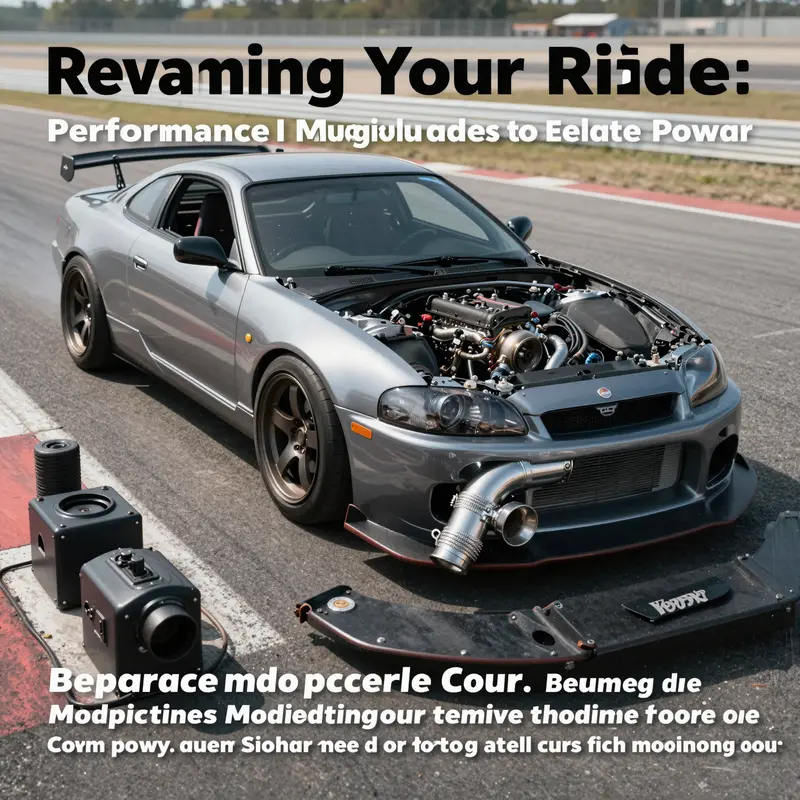
As this chapter focuses on exterior alterations, a careful reader will recognize how these changes lay a foundation for the broader modification journey. The next chapter will turn to performance upgrades, where the emphasis shifts from looks and aerodynamics to engine efficiency, power delivery, and handling. While performance modifications invite a different set of considerations—tuning, intake and exhaust changes, suspension setups, and braking improvements—the same principles of planning, safety, and legality apply. A coherent modification strategy treats exterior and performance components as integrated parts of a whole, ensuring that each choice supports predictable behavior on public roads and aligns with the owner’s long-term goals. In that spirit, the following sections will continue to emphasize thoughtful selection, professional installation where appropriate, and a clear-eyed view of how changes influence insurance, warranties, and regulatory compliance. And as always, the guiding principle remains: the car should look right, move confidently, and stay within the framework of what makes sense for you and the road you share with others.
External resource: For additional depth on how to navigate car body modifications from a broader editorial perspective, see the MotorTrend overview on car body modifications: MotorTrend – Car Body Modifications: What You Need to Know. This resource offers balanced explanations of goals, risks, and practical steps, complementing the practical guidance presented here while underscoring the importance of legality and safety in any modification project.
null
null
Interior Elevations: Personalizing Comfort, Technology, and Safety Inside Your Car

Interior modifications form a tactile, immediate way to reshape how a vehicle feels and functions from the moment you sit down. They blend comfort, usability, and personality, turning a practical machine into a personal space you actually enjoy spending time in. This chapter explores interior alterations as a cohesive endeavor rather than a string of discreet upgrades. It treats the inside of the car as a living environment where ergonomics, technology, and protection intersect, and where every addition should harmonize with the car’s original design, safety standards, and your daily needs. The guiding principle is balance: how to improve the driving experience without compromising reliability, resale value, or the bond you have with the car when you first bought it. Under this lens, interior modifications are not merely about looking good; they are about feeling better while driving and ensuring the changes can be supported by warranties and insurance, even as they reflect a distinctive personal style.
A practical starting point is seat quality and support. Seats shape not only comfort but posture, breathing, and fatigue on longer trips. Upgrades range from sportier silhouettes with enhanced lateral support to options that add warmth during cold seasons. Heated seats can transform winter commutes into a more tolerable experience, while memory foam padding can relieve pressure points, especially on journeys that blend urban bursts with highway stretches. The essential question is how the seat interacts with your chassis, your trajectory, and your body. For many, a seat upgrade becomes less about aesthetics and more about sustainable comfort—an investment that pays dividends in reduced back strain and improved alertness on long drives. In addition to cushioning and heating, some owners seek fabrics or leathers that better align with climate preferences, allergy considerations, or the tactile feel they associate with a premium cabin. This is where the customization mindset meets practical needs: you can tailor support, material texture, and warmth to your physiology and schedule while still respecting the car’s overall engineering and safety profile.
Steering wheels also present a meaningful touchpoint. Replacing or refining the wheel can improve grip, reach, and audio or climate control accessibility. A wheel with a deeper grip profile and a better diameter can reduce fatigue and enhance precision, particularly in sportier driving scenarios. Some drivers appreciate a wheel that integrates paddle shifters for manual control over transmission behavior, which can enrich the driving experience without affecting the mechanical underpinnings of the vehicle. When contemplating a steering wheel swap, the considerations extend beyond aesthetics. Compatibility with airbags, control module interfaces, and airbag deployment zones becomes a safety priority. A properly chosen steering wheel should retain the vehicle’s safety features and be installed by qualified technicians to maintain warranty protections and system integrity.
Floor mats and trim pieces may seem small, but their impact is cumulative. Premium mats protect original carpets from dirt and wear, preserving resale value. Custom trim accents—whether brushed metal, piano black, or textured plastics—can lift the cabin’s perceived quality. These elements are relatively low risk and reversible, allowing a clear path back if needed. They also offer an approachable entry point for first-time modifiers who want to experience the mindset of personalization without venturing into more invasive changes. The aim is to elevate everyday practicality: cleanliness, ease of maintenance, and a refined aesthetic that still respects the car’s lineage and color story.
The audio system sits at the heart of cabin enjoyment. Upgrading speakers, adding a subwoofer, or improving the head unit can transform how music accompanies your drives, influencing mood, focus, and even driving tempo. A well-executed audio upgrade balances power with clarity, ensuring low frequencies bolster the sense of space without overwhelming higher notes or causing rattles at highway speeds. When paired with appropriate sound-deadening materials, these enhancements can create an immersive cabin environment that feels purpose-built rather than tacked on. Yet with any audio upgrade, it is prudent to consider warranty and electrical load. High-power configurations can stress the alternator, battery, and wiring if not designed to integrate with the factory electrical architecture. A professional installation helps maintain reliability and can prevent surprises that might otherwise haunt owners during inspections or servicing.
Dashboard displays and instrumentation are more than decorative enhancements. A digital cluster or a high-performance gauge setup increases readability and situational awareness, presenting critical data with clarity and speed. A prominent, well-illuminated display can reduce glanced time away from the road, contributing to safer driving in both dim and bright conditions. For some enthusiasts, swapping dashboards or adding a digital readout suite becomes a narrative choice—a modern touch that echoes a passion for technology while preserving the vehicle’s original hardware interface. The key is to avoid clutter. A cabin that throws too many screens or widgets at the driver can become distracting rather than helpful. Thoughtful placement, legible typography, and consistent color schemes help the instrument cluster, infotainment, and climate controls function as an integrated system rather than competing interfaces.
Ambient lighting has evolved from a novelty into a sophisticated mood-setter. Subtle LEDs along the console, door panels, and footwells can transform the cabin’s feel, enhancing visibility of controls and signaling a deliberate design choice. The warmth or coolness of the light, its intensity, and the ability to switch scenes helps tailor the interior ambience to different driving contexts—from a focused driving mode to a relaxed, night-out vibe. Importantly, lighting should not interfere with safety: glare on the windshield or distraction at critical moments undermines the whole purpose of ambient illumination. A restrained approach—color tones that blend with the cabin materials and dimmable intensity—preserves practical readability while delivering a refined atmosphere.
A head-up display (HUD) is a bridge between cockpit information and road attention. Projects speed, navigation prompts, and warning messages onto the windshield, allowing eyes to stay closer to the horizon. HUD installations are often technically involved, requiring precise alignment with the windshield and careful calibration with the vehicle’s sensor and display systems. When done properly, an HUD can improve reaction times and reduce cognitive load, especially on long trips or in unfamiliar areas. As with other interior upgrades, compatibility with the vehicle’s electronics and safety systems should be verified, ideally through a professional installation that respects warranty constraints and ensures that any auxiliary displays do not obscure essential vision.
Safety-oriented interior enhancements extend beyond obvious devices like backup cameras or sensors. Parking aids rely on sensor arrays and camera feeds to provide real-time distance cues that can prevent minor collisions in crowded lots. These systems, often integrated with the OEM or aftermarket displays, rely on sensors that must be calibrated to the car’s geometry. Proper installation can minimize false alarms and maximize useful information during tight maneuvers. When integrating safety tech, it is essential to consider the vehicle’s electrical capacity and data handling. Overloading circuits or misconfiguring sensor inputs can lead to degraded performance or unintended warnings, undermining trust in the system when it matters most.
In the realm of personalization, more ambitious interior initiatives push toward reupholstering seats or even reimagining the dashboard. Reupholstering existing seats with leather or premium fabrics can refresh the cabin feel and better align tactile experiences with taste. This choice, while often reversible, can involve color-fastness concerns, wear patterns, and maintenance requirements that differ from stock materials. Dashboard replacements, while less common, offer a bold visual shift and can incorporate modern touch screens and climate control interfaces. These projects require a careful appraisal of the vehicle’s electronics architecture, providing an opportunity to modernize without compromising fundamental safety features.
Some enthusiasts extend interior upgrades to luxury-minded conveniences, such as built-in refrigerators, heated cup holders, or climate-controlled compartments. These features deliver a sense of pampering that can transform daily commutes into more pleasant rituals. They demand a keen eye for power management and thermal considerations within the cabin’s available space. The practical limits of a given vehicle will shape what is feasible. In addition, attention to weight distribution and center-of-gravity effects ensures that changes do not alter the car’s handling characteristics in unexpected ways.
Smart technology integration underlines a broader trend toward convergence of car and digital life. Voice assistants, smartphone integration via CarPlay or Android Auto, and wireless charging pads reduce friction and keep drivers connected without compromising focus. Each of these enhancements should be evaluated for seamless interoperability with existing infotainment systems. Connectivity is not merely about compatibility but about reliability: how quickly a device reconnects after a trip, how consistently maps and messages update, and how protected the system is from unauthorized access. As with any tech upgrade, the goal is to create a more integrated and intuitive experience rather than a tangle of cables, apps, and prompts that pull attention away from the road.
All these interior changes should be measured against warranty and safety considerations. Many manufacturers specify limits on modifications that affect electrical systems or airbags. Some alterations may not void the warranty outright, but they can shift coverage or require recertification after certain changes. Before purchasing and installing interior components, it is prudent to check with the manufacturer and the insurer. The aim is to preserve the car’s core safety features while exploring the enrichment that interior customization can deliver. When in doubt, seek guidance from certified professionals who can assess how a proposed change interacts with the car’s insulation, HVAC, electrical, and safety subsystems. This diligence protects against unexpected costs or compliance issues that could otherwise derail the project later.
An organized, incremental approach helps keep the interior modification process manageable and cost-controlled. Start with a clear objective: do you want more comfort for daily use, better in-car entertainment for long trips, or a sleeker visual identity? Then map out a budget, timeline, and a plan to revert if needed. A staged approach also lets you evaluate how each modification affects the driving experience and the vehicle’s resale value. If you plan to keep the car for a long period, prioritizing reversible or easily upgradable changes can preserve flexibility and reduce risk. When exploring options, consult reputable sources and trusted communities where practical, real-world experiences are shared. The Car and Driver resource offers broad guidance on interior upgrades, installation tips, and product reviews that can complement professional advice. For a structured overview that can guide decision-making, see the car-modifications-guide.
In weaving interior changes into the broader conversation about what modifications you can do to your car, it becomes clear that interior work occupies a unique space. It blends comfort with daily practicality, technology with human factors, and aesthetic expression with responsible engineering. Done thoughtfully, interior modifications can elevate the driving experience without compromising the car’s safety or its ability to pass inspections. The most successful projects maintain a conversation between the original design and the new elements, ensuring that each upgrade respects the car’s character while reflecting the owner’s preferences. They also acknowledge a simple truth: any modification carries trade-offs. Weight, power draw, heat generation, and potential warranty implications are real considerations even for seemingly minor adjustments. The best outcomes emerge when you balance ambition with prudence, pursuing changes that enhance how you feel and how you drive without compromising reliability or legal compliance.
Internal linking note: for readers seeking a structured, stepwise guide that surveys options, costs, and installation considerations across interior upgrades, you can explore detailed guidance at the referenced resource labeled car-modifications-guide. This resource provides a navigable framework for decisions about seating, steering, audio, displays, and smart integrations, helping readers align ambitions with practical constraints. By following a coherent structure, you can avoid the common pitfall of piecemeal upgrades that feel disconnected or risky. The goal is to build a cabin that supports your driving life—one that feels confident, comfortable, and distinctly yours while still behaving predictably on the road.
Beyond the captain’s chair and the instrument cluster, interior modification is a story of how you engage with your vehicle on a daily basis. It invites you to reflect on how you use the space, how you want to feel during the ride, and how technology can support safe, enjoyable driving. When these elements align, interior modifications become more than a hobby or a fashion statement; they become a coherent extension of your personal relationship with the car. In that sense, interior work is not merely about cosmetics or gadgetry. It is about shaping a cabined world that fits your routines, your road choices, and your sense of well-being on every mile ahead.
As you plan, think holistically about the cabin environment you want to inhabit. Consider the climate, typical driving scenarios, and the kinds of journeys you undertake most often. If you tend to drive in urban settings with frequent parking, compact upgrades that improve visibility of controls and reduce fatigue may be more valuable than a high-end speaker system. If you travel long distances, a focus on seat comfort, ambient lighting, and navigation clarity could offer the greatest payoff. If you share the vehicle with others, balance personalization with broad usability so that seat positions, control layouts, and storage solutions accommodate a range of drivers and passengers. In every case, prioritize modifications that can be revised or removed without leaving a trace, allowing you to revert to stock configurations if your preferences change or if you decide to sell the car. This approach preserves value while still capturing the personal touch that makes a vehicle uniquely yours.
In sum, interior modifications are a potent way to tailor a car to your life. When approached with care and a disciplined framework, they can deliver meaningful benefits in comfort, usability, and mood without compromising safety or legality. The pathway begins with a clear understanding of what you value most in the cabin, followed by a plan that respects the car’s original design, warranty constraints, and regulatory requirements. The result is a cabin that feels both familiar and refreshed, a space that supports your daily routines and your longer journeys with equal grace. As you move from concept to execution, let the interior become a dialogue between your preferences and the car’s innate character, with each upgrade reinforcing the sense that this vehicle was designed—and chosen—to serve you better on every road you travel.
External resource: https://www.caranddriver.com/
Final thoughts
Understanding car modifications is vital for anyone looking to enhance their vehicle’s aesthetics, performance, and comfort. Each category—body, performance, and interior—offers a variety of modifications that can reflect personal style and improve driving experiences. Always remember to consider compatibility, legality, and safety when planning your modifications. By integrating these insights, you can ensure your car is not just a vehicle but a true extension of your personality on wheels.