
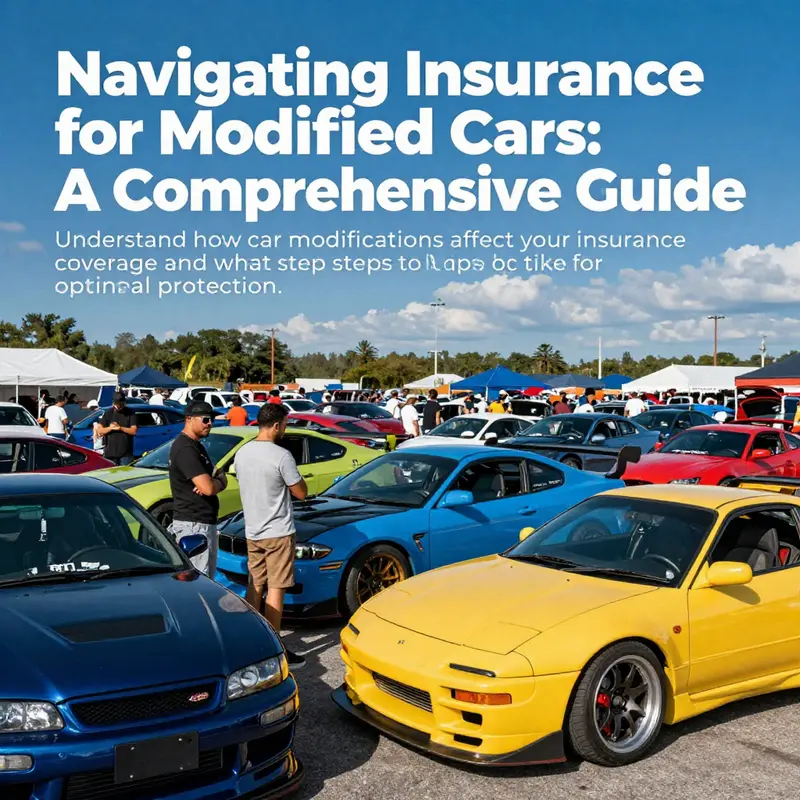
Car modifications reflect the passion and creativity of automotive enthusiasts, but they can complicate the insurance landscape. Understanding whether your modifications are covered by standard insurance policies is crucial to avoid unexpected financial pitfalls. In this guide, we will delve deep into the nuances of car modifications and their relationship with insurance coverage. First, we’ll explore whether standard policies cover modifications, setting the stage for discussions on the importance of disclosure. We’ll then break down different types of modifications and their varying levels of insurance protection. Next, we’ll highlight the severe consequences of not properly insuring your vehicle modifications. Finally, we will present alternative insurance options to help you safeguard your modified vehicle effectively. By the end of this exploration, you will be equipped with the knowledge needed to navigate the complexities of insurance for modified cars.
Mods vs. Policy: Understanding How Standard Auto Insurance Treats Modifications
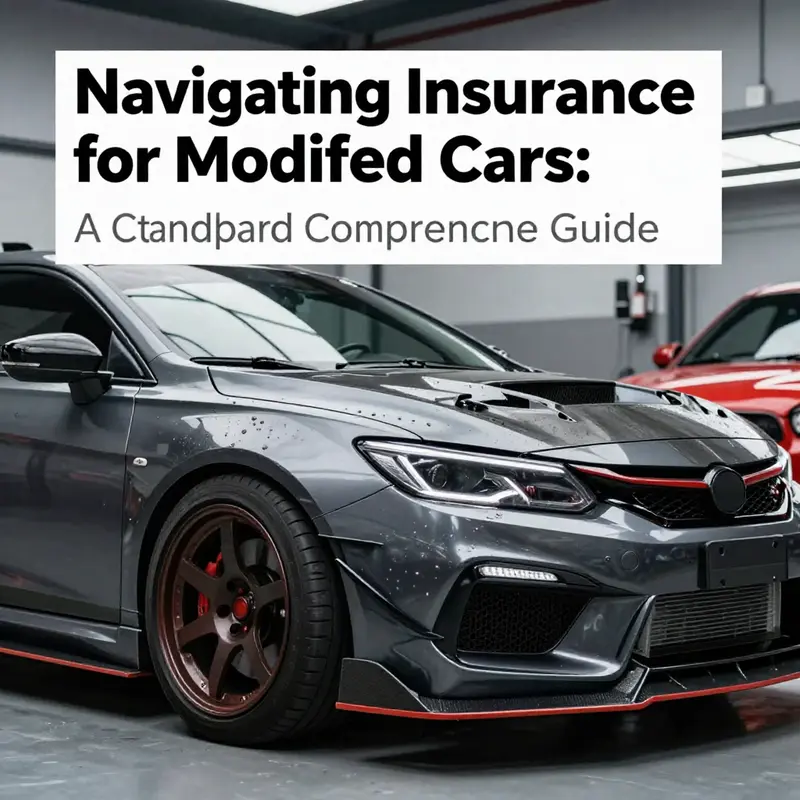
When you install aftermarket parts, your insurer may view the car differently. Standard auto policies cover the vehicle as described in the policy; modifications can change risk and may not be automatically covered unless the insurer approves them via endorsements. Always disclose modifications, as failure to disclose can affect claims. Some modifications (like upgraded brakes or suspension) might be treated more favorably if they reduce risk, while major performance parts or extensive body work can alter value and theft risk. Specialized coverage or endorsements may be required, often with higher premiums. A full inventory of parts, installation dates, receipts, and photos helps in obtaining proper coverage. If you lease or finance the vehicle, modifications may be restricted by the lender. In many cases, coverage for modifications is not automatic and requires open dialogue with the insurer to determine what is insured and under what terms.
Disclosures, Premiums, and the Fine Print: Navigating Insurance for Modified Cars
Modifying a car often begins as a thrill, an upgrade aimed at tailoring performance, safety, or personality to a driver’s needs. Yet that thrill can collide with the rigid boundaries of standard auto insurance, where the policy is usually drafted for a factory-spec vehicle with predictable costs and risks. The tension between desire for customization and the realities of coverage is at the heart of this chapter. A careful, honest approach to modifications is not just prudent but essential if a driver wants to keep valid protection when the road outside becomes unpredictable.
Standard policies rest on a baseline assumption: the vehicle in question leaves the factory as designed, with known parts, known values, and a risk profile that insurers can quantify. When a car leaves that baseline through performance upgrades, cosmetic changes, or substantial technical alterations, the risk landscape shifts. The modifications can affect repair costs, parts availability, and even the likelihood of certain incidents. Because of this, insurers expect full transparency about every alteration. Failure to disclose is not a minor omission but a material misrepresentation that can amount to insurance fraud in the eyes of many providers. If a claim arises from an undisclosed modification, the insurer may deny the claim or, in the worst case, cancel the policy retroactively. In practice, this leaves the driver financially exposed just when they need protection most.
The path from modification idea to covered vehicle is rarely a straight line. Some changes—especially those that improve safety, such as upgraded brakes or more robust suspension, or upgrades that reduce risk—can be supported by an insurer, but only if the modifications are fully disclosed and properly documented. In many cases, coverage is extended through a policy endorsement, a rider, or a tailored “modified vehicle” policy. These add-ons reflect the higher risk or greater repair costs associated with non-standard parts, heavier frames, or custom electronics. The catch is that such arrangements almost always come with higher premiums or deductibles, and they may impose constraints on usage, mileage, or storage. The broader principle remains unchanged: transparency is the prerequisite for any extended protection.
For a driver, the practical steps begin with conversation rather than assumption. Before making any changes, contact your insurer to outline the vehicle’s planned modifications, share technical details, part numbers if possible, and the anticipated impact on performance or value. Providing receipts or manufacturer documentation helps establish a credible baseline for assessment. Photos of the vehicle before and after the work can also ease the process of valuation and risk appraisal. Some insurers require an updated appraisal or valuation adjustment to reflect the increased value of a modified vehicle. If the insurer approves the modification, ask about the exact coverage terms, including which components are insured, replacement standards, and the handling of aftermarket parts.
This is not merely an insurance exercise in theory. It is a practical safeguard against disputes that can arise after an mishap. When a claim involves a modified part or system, the insurer will review whether the modification is compatible with the policy’s scope and limits. If a modification is found to be outside the policy’s coverage boundaries, a claim could be reduced or denied. In extreme cases, the policy could be canceled altogether if the modification violates the terms of the agreement or triggers non-compliance with regulatory or safety standards. The consequence is not only financial loss but also potential gaps in protection at a time when coverage is most critical.
Regulatory compliance is another essential strand in the fabric of insured modification. In some jurisdictions, significant changes trigger explicit regulatory processes. For the context outlined in the supporting materials, any substantial modifications must align with legal and safety provisions. Alterations must not breach the Road Traffic Ordinance or related regulations, and approval mechanisms may exist to validate the safety and roadworthiness of the vehicle. Before proceeding with any changes, drivers are advised to consult the vehicle’s manufacturer or authorized agents and, crucially, the insurer. This cooperative approach helps ensure that the proposed changes are supported and will not jeopardize coverage.
In Hong Kong, the framework for vehicle safety standards and modification approval adds another layer of oversight. For significant modifications, approval from the Vehicle Safety and Standards Division of the Transport Department is required. The process typically begins with an application that includes supporting documents from the vehicle manufacturer. Only after preliminary approval is obtained should work proceed at a certified facility. A final inspection by the Transport Department may be required in some cases. If these steps are bypassed, there is a real risk that insurance coverage could be invalidated, with potential legal consequences. This pathway underscores a broader reality: modifications do not exist in a vacuum. They traverse legal, safety, and financial terrains that can intersect with insurance in complex ways.
The call to action for car owners is clear. If you intend to modify a financed or leased car, or one with existing policy conditions, engage in a dialogue that spans your lender, your insurer, and the relevant regulatory bodies. The alignment of these stakeholders can make the difference between a modification that enhances your driving experience and one that disrupts your protection. It also reduces the likelihood of future disputes when a claim is filed and ensures that the vehicle’s new configuration can be repaired with parts that meet both manufacturer and insurer expectations.
Beyond compliance and coverage, there is another practical angle worth understanding: the impact of modifications on resale value and overall ownership costs. Modifications can increase the vehicle’s value if they are desirable, well-executed, and properly documented. On the flip side, specialized or controversial upgrades can narrow the market, complicate valuations, and influence insurance pricing. Insurers consider how easily parts can be sourced, the availability of skilled technicians, and the market for used replacement components. Because these factors affect risk, they will influence whether the modification is financially viable in the long run. A thoughtful approach includes evaluating both the immediate insurance costs and the longer-term implications for resale value when planning any modification project.
For those seeking a practical touchstone, there is a growing body of guidance that frames the practical realities of modifying a car and maintaining coverage. In this respect, readers may find it helpful to review focused resources that discuss how modifications interact with insurance, the potential effects on resale value, and the regulatory considerations in various regions. To connect with one such practical overview, see this article on how modifications influence insurance: insurance for modified cars. It offers concrete perspectives on what to document, how to talk to insurers, and what to expect in terms of pricing and coverage options.
Ultimately, the landscape of car modifications and insurance is a negotiation between risk, value, legality, and responsibility. The best outcome emerges when drivers approach modifications with diligence: full disclosure, documented evidence, proactive engagement with insurers, and a clear understanding of the regulatory steps required by their jurisdiction. The process may feel laborious, but it reduces the chance of surprise denials when a claim arises and helps preserve both safety and financial security on the road ahead. For drivers who want a broader regulatory frame in the UK context, or who wish to explore how different markets handle modifications and insurance, an external reference provides additional context and guidance: https://www.moneyadviceservice.org.uk/en/articles/car-modifications-and-insurance.
In sum, standard auto insurance does not automatically cover every change a driver makes to a car. The payout and protection depend on disclosure, the insurer’s risk assessment, and adherence to safety and legal standards. The more a driver prioritizes transparency, documentation, and regulator-approved processes, the more likely they are to enjoy a smooth transition from factory configuration to customized capability—without sacrificing protection when it matters most.
When Modifications Meet the Policy: Navigating Coverage for Altered Cars under Standard Insurance
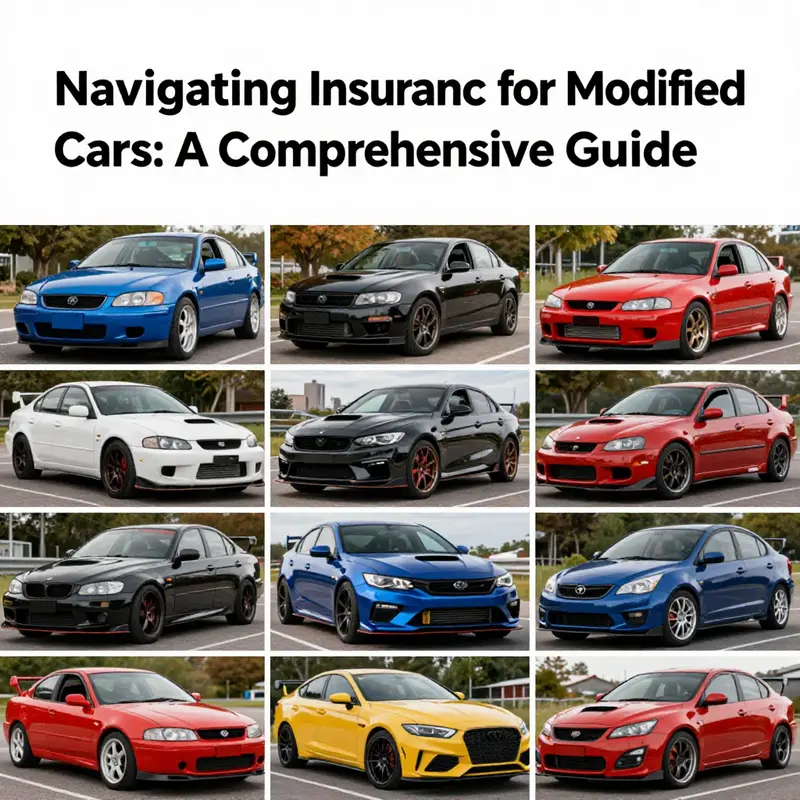
Modifying a car can feel like unlocking a new level of ownership. It blends personal taste with practical aims, from sharper handling to a more distinctive look. Yet the moment a vehicle leaves the factory line, the predictable math of risk shifts. Standard auto insurance is built around factory specifications, and that assumption underpins how coverage is applied after a claim. Modifications introduce new variables: altered performance, changed safety dynamics, and in some cases, a different market value. For many drivers, this means the protection they expect from a policy is not automatically extended to the altered realities of their car. Understanding where standard coverage ends and where specialized protections begin is essential if you want to avoid surprises when you need a payout after an crash or loss.
Car modifications can be broadly grouped into body changes, performance upgrades, and interior updates. Each category carries its own implications for coverage, even when the vehicle remains the same make and model. Body modifications, for example, include exterior kit replacements, color changes or wraps, and added accessories like roof racks or running boards. These alterations can affect liability in ways that insurers may view as cosmetic rather than functional, or they may signal an overall shift in the vehicle’s value and risk profile. Performance modifications—engine and exhaust tweaks, intake upgrades, turbocharging, and suspension tuning—can noticeably affect the car’s power, braking behavior, and heat generation. These are the kinds of changes that can trigger questions about whether the car is still safe to drive within the risk tolerances of a standard policy. Interior modifications—upgraded seats, steering wheels, audio systems, and interior lighting—tend to influence comfort and personalization, yet they can also alter the market value of the car and the scope of repairs after an incident. The common thread across all three types is that modifications complicate the insurer’s risk assessment and claims calculations if they are not disclosed and documented properly.
The practical reality is straightforward: standard auto policies seldom cover unauthorized modifications. They are designed to insure a vehicle as it originally left the factory, with coverage calculated on that baseline. When a modification changes that baseline, a gap can open in protection. Some changes may be benign in terms of risk, and a policy might extend limited coverage for certain discreet updates once they are disclosed. Yet many modifications, especially those that affect performance or safety systems, demand additional underwriting or a distinctly tailored policy. This is not merely about higher costs; it is about ensuring the claim is handled on the right footing. If an alteration is not disclosed, an insurer may deny claims or settle them based on the vehicle’s pre-modification value, leaving the owner to absorb the gap between replacement costs and the insured amount. It is a risk that can undermine the financial logic of any modification project.
A key step in bridging the gap is disclosure. Insurers typically require a full inventory of all modifications, supported by receipts, professional certifications where applicable, and clear notes about the purpose and extent of each change. This is not a one-off formality but a continuous process. When new upgrades are added, the policy should be updated to reflect those changes. In some cases, the update will come with a premium adjustment. In others, a specialized coverage mechanism, such as a modification endorsement or a separate enhanced policy, becomes necessary. The endorsement concept is straightforward: it adds coverage to address the specific risks introduced by the changes, balancing the vehicle’s unknowns with a premium that reflects the new risk. For owners who choose to proceed with modifications, this route is often the most sensible path to maintain meaningful protection without sacrificing the vehicle’s individuality.
The research landscape underscores a cautious approach. Industry analyses show a clear pattern: the more a modification increases either the vehicle’s value or its performance risk, the more carefully the insurer will scrutinize it. Non-functional, decorative modifications like aesthetic wraps or wheel changes can still complicate claims if undisclosed, because they can influence the assessed value after a loss. Functional upgrades—whether to the intake, exhaust, brakes, or suspension—often require professional documentation to be considered part of the insured vehicle, especially if they affect performance or safety. When modifications are high-risk, such as significant horsepower increases or disabling safety systems like airbags or anti-lock brakes, obtaining coverage becomes markedly more challenging. In many cases, such changes move beyond what a standard policy will tolerate, making a specialized policy or even a specialist insurer a more viable route. This reality sits at the intersection of policy design, risk management, and consumer responsibility.
For vehicle owners who want to stay within the realm of standard coverage, there are practical limits and careful strategies. The first is to assess the modification plan against the insurer’s stated risk appetite before any work begins. If the goal is simply to improve safety or reliability, some upgrades may be approved with limited or no premium impact, provided they are certified and disclosed. When the modifications are primarily cosmetic, insurers still demand full disclosure, but the premium impact may be smaller or even nil if the change is deemed low risk and has minimal effect on the vehicle’s safety or value. In all cases, maintaining an up-to-date modification log, including photos, dates, installation details, and the names of the technicians or shops involved, helps officials and adjusters reconstruct an event accurately. The absence of such documentation is a frequent cause of claim friction, particularly after an accident where the vehicle’s condition or the fault point becomes a matter of dispute.
An important dimension of the conversation is the financial nuance of coverage. The value of a modified car can be significantly higher than a stock model, especially when performance parts or bespoke interior work contribute to appeal and speed. This heightened value, however, is not automatically mirrored by a standard policy. In practice, drivers may discover that the payout in a loss scenario is constrained by the policy’s valuation method, often ACV (actual cash value) or replacement cost limited to factory specifications. If the modifications aren’t accounted for in the policy, the insurer might apply depreciation more aggressively or set caps that don’t align with the car’s current worth. This is not merely a theoretical concern; it translates into real gaps when repairing or replacing the vehicle after a claim. The best safeguard is proactive policy management paired with transparent partner conversations. Owners who anticipate their vehicle will live outside factory norms will likely benefit from an endorsement or a move to a policy designed for modified vehicles, even if it means a higher premium. The aim is to align expectations with the coverage framework before an crisis occurs.
For readers seeking practical guidance on the topic, a concise resource on insurance for altered vehicles can be a useful reference point. A clear, accessible overview is available at Insurance for Modified Cars. This resource highlights how coverage decisions hinge on the type of modification, the extent of change, and the insurer’s risk appetite. It also reinforces the principle that proactive communication with the insurer is essential. The right approach is to view modifications not as a barrier to protection but as a series of risk adjustments that need to be factored into the policy framework. When owners treat disclosures as an essential step rather than a bureaucratic burden, they improve their odds of retaining meaningful protection even as their vehicles evolve.
From the insurer’s perspective, the process is about accurate risk assessment, clear information, and fair pricing. The more precise the data about a modified car, the more likely it is that coverage can be shaped to fit. This is why professionals stress documentation, third-party certification where relevant, and timely updates to the policy record. It also explains why many insurers require a “modification endorsement” for substantial changes and why those endorsements come with a premium reflecting the added risk and possible repair costs. The trade-off is straightforward: enhanced protection for a vehicle that has moved beyond its factory configuration, albeit at a cost that reflects the broader risk landscape.
In closing, standard insurance does not blanket-modify to cover every alteration; instead, it relies on disclosure, documentation, and, where necessary, supplemental coverage. The path to secure protection that meets the realities of a modified vehicle is a mix of honesty with the insurer, prudent risk management, and a willingness to invest in the appropriate endorsement or policy design. For drivers who remain curious about the specifics, and who want a grounded sense of how their particular changes will be treated, the best course is to engage early with the insurer, assemble a thorough modification dossier, and pursue the most suitable coverage option rather than hoping for a one-size-fits-all solution. This proactive stance not only clarifies expectations but also helps ensure that a car’s unique character does not undermine its ability to recover from misfortune.
External resource: For regulatory context and guidelines, see the National Insurance Association’s Vehicle Modification and Insurance Claims Guidelines 2025 at https://www.nia.org.uk/research/vehicle-modification-insurance-guidelines-2025
Hidden Costs and Risk: The Consequences of Not Insuring Car Modifications
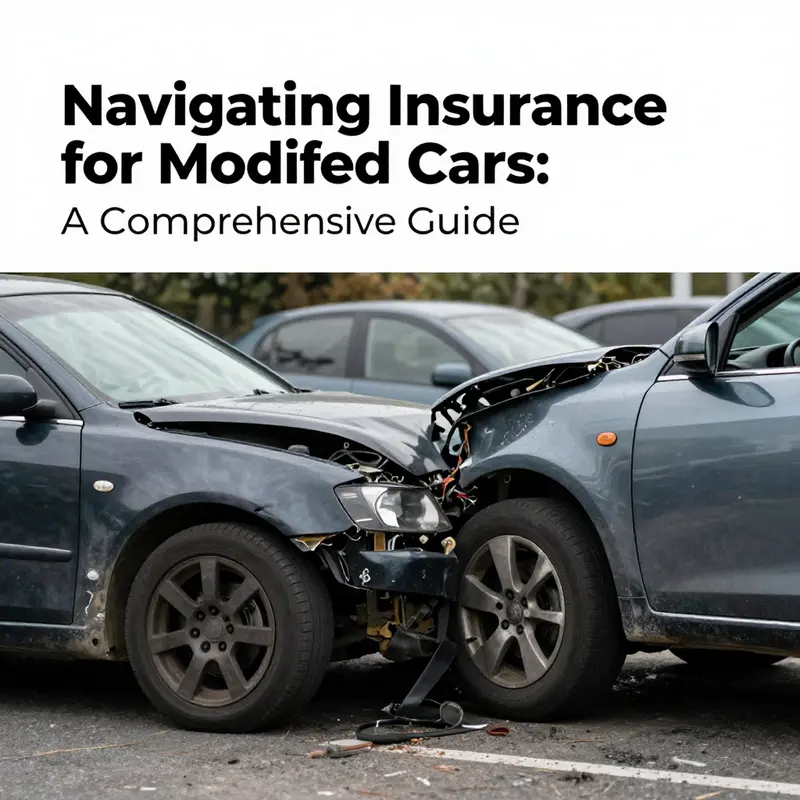
Modifying a car can feel like an act of personal expression, a way to tailor a vehicle to your needs, tastes, and driving realities. Yet when the conversation shifts from aspiration to risk assessment, the default stance of many standard auto policies becomes a blunt truth: without proper coverage, modifications can leave you exposed to financial collapse and legal trouble. This isn’t a scare tactic; it’s a practical reckoning with how insurance built around factory specifications struggles to address the added value, altered risk, and sometimes new responsibilities that come with customized equipment. If you tamper with performance, aesthetics, or safety features without aligning those changes with your insurer, you may find the consequences mounting far beyond the cost of the parts themselves.
One of the most immediate and concrete risks is the exclusion of added equipment from standard coverage. Insurance policies are drafted around the assumption that the vehicle conforms to its original, factory-installed components. When you install aftermarket parts—new body kits, upgraded wheels, enhanced audio systems, or performance enhancements—the policy often does not automatically extend protection to those items. The effect can be dramatic in the event of a claim: a damaged aftermarket wing or a cracked after-market wheel may not be covered, leaving repairs as an out-of-pocket burden. The practical remedy, frequently cited in regulatory and industry guidance, is to purchase a separate endorsement or a supplemental policy specifically covering added equipment. This is not a luxury; it is a risk-management tool that recognizes the added cost to repair or replace customized components and the potentially higher repair bills associated with them.
A second, subtler hazard concerns material changes to the vehicle that affect risk. Insurance contracts typically rest on a fundamental premise: any material change in risk requires disclosure. When a modification significantly alters how a car behaves, its likelihood of causing or sustaining damage can shift as well. If that risk is not disclosed, the insurer may have grounds to deny a claim, arguing that the policy terms were breached by a failure to report a material change. The implications extend beyond the car and into broader protections; if a modification contributes to a fire, an accident, or a mechanical failure, the insurer may deny coverage on the entire claim because the policy terms have been violated. The legal landscape around this is instructive. Consider cases from different jurisdictions where coverage was voided because the vehicle’s risk profile had been meaningfully altered without notice. While the specifics vary, the underlying principle is consistent: disclosure is not optional. The burden of proof sits with the policyholder, and the consequences can be severe, ranging from partial payout to total denial of claims.
Third, the intersection of modified cars with safety and compliance rules adds another layer of risk. In many places, certain upgrades—especially those affecting engine performance, braking, or emissions—must be reported to regulatory authorities and possibly re-registered. Failure to complete these steps can trigger penalties, fines, or even impoundment. The legal ramifications are not limited to the vehicle; you may face additional liability if an accident occurs and investigators determine that noncompliant modifications played a role. In practice, the line between a covered claim and a non-covered liability can blur when modifications become a source of legal scrutiny. This is why some insureds find themselves entangled in disputes not just over money, but over responsibility and regulatory adherence.
Finally, the financial consequences of operating with uninsured modifications are not hypothetical. When a car carries high-value parts or bespoke upgrades, the repair or replacement costs can be substantial. If you rely on standard coverage and do not arrange for specialized endorsements, you risk bearing the entire cost of damaged modifications out of pocket. If an incident also causes harm to others or property, the financial exposure multiplies, encompassing medical bills, legal fees, and potential compensation awards. Insurance is designed to pool risk and share the burden; when that pool no longer reflects your car’s reality, you confront a mismatch that can devastate personal finances.
To avoid falling into this trap, a practical path is to engage openly with your insurer from the outset. Full disclosure of every modification is the starting point, followed by an explicit discussion about what kind of coverage is necessary. For many vehicle owners, this means seeking an endorsement tailored to modified or customized vehicles, or even a separate policy that explicitly covers aftermarket parts and their installation costs. The process is not universal in its outcomes—premiums can rise, and some insurers may impose usage or mileage restrictions—but transparency often yields coverage that mirrors the true risk profile of the car. In some cases, insurers will offer a specialized “modified vehicle” policy that accommodates a broader range of changes, though at a higher price reflecting increased repair costs and the added risk. The essential step is to treat modifications as a material feature of the vehicle, not as an afterthought that can ride beneath a standard policy’s radar.
For readers seeking a concentrated synthesis of how modifications influence coverage, a concise discussion is available in resources that emphasize the relationship between car modifications and insurance. The key takeaway is not merely whether a modification is legal or popular, but whether it is adequately insured and properly declared. This involves a careful balancing act: you want the enhancements you’ve paid for to be protected, and you want to avoid policy gaps or misrepresentations that could undermine your claims when you need them most. A practical approach is to document the modifications with receipts, installation dates, and professional certifications, keep an up-to-date list of everything added or altered, and verify with your insurer how each item is valued and covered in the event of loss. In this way, the narrative of modification becomes a managed risk rather than an unmanaged one, and the possibility of a painful surprise when a claim is filed is markedly reduced.
If you are exploring how these dynamics play out in real-world coverage decisions, a straightforward overview can be found in resources dedicated to car modifications and insurance. For those who want a broader perspective beyond general guidance, consider reading about how modifications can affect resale value, and how to approach modifications when you have financing or lease obligations. The practical reality remains that standard policies require adjustment to account for nonfactory components, and the aim is to pair the modifications you love with a protection strategy you can rely on when the unexpected happens. To support this, you can consult a focused discussion on the topic that emphasizes the effect of modifications on insurance and the steps needed to align coverage with the car’s true configuration. For readers who want to explore these ideas further, see the internal resource on car modifications and insurance. car modifications affect insurance.
In closing, the consequences of driving with uninsured modifications extend beyond a single claim denial. They ripple through financial planning, regulatory compliance, and personal liability. The safer, smarter course is to approach modifications with a formal coverage plan that anticipates the added value and risk. This requires transparent disclosure, targeted endorsements, and, where necessary, specialized policies that reflect the realities of a customized vehicle. By foregrounding insurance as part of the modification process, you protect both the car you love and the future you depend on. For those who want a solid external resource to guide broader decisions about modifications and insurance, visit the Money Advice Service guidance on car modifications and insurance. External resource: Money Advice Service article.
Beyond Standard Coverage: Navigating Insurance for Modified Cars
When you outfit a car with aftermarket parts or bespoke upgrades, you are not just changing its appearance or performance. You are altering its risk profile, its value, and the nature of potential repairs. Standard auto insurance policies are built around factory specifications and the vehicle’s baseline value. They typically cover the vehicle as it rolled off the lot, sometimes with a depreciation applied after a loss. When modifications come into play, those default assumptions start to crack. The coverage you receive, if any, will depend on how you disclose the modifications, the insurer’s appetite for risk, and the exact terms of your policy. The simplest mistake is to assume that “everything is the same as stock” once you have added a turbo kit, a higher-performance exhaust, or a custom aero kit. In reality, modifications can significantly affect repair costs, replacement parts availability, and even the likelihood of a claim being paid in full. This is why understanding the landscape beyond standard coverage matters for anyone considering or already living with a modified ride. Failing to address the reality of modifications can leave you underinsured, or worse, without recourse after an incident.
In practical terms, most standard policies will require you to disclose modifications and may adjust premiums if they are accepted at all. Some insurers will allow certain types of modifications, especially those that enhance safety or reliability—upgrades such as improved brakes, upgraded suspension, or more robust tyres—provided you document them clearly. The logic is straightforward: safer hardware can reduce risk, and insurers reward risk mitigation with favorable terms. Yet even in these cases, disclosure is non-negotiable. If you omit a modification or misrepresent it, a claim could be denied because the insurer could argue that you failed to provide accurate information that materially affected the policy’s risk assessment. The consequence is not just a denied payout; it can also create disputes that complicate the settlement process and leave you financially exposed when you need coverage most.
The most honest baseline, then, is to have an open dialogue with your insurer. Rather than assuming that your modification will be handled as a routine claim, start from a place of clarity about what you modified, why you did it, and how it changes the vehicle’s characteristics. This conversation should include a thorough inventory of all aftermarket parts, the dates of installation, the expected lifespans, and any warranties or installation receipts that accompany them. Some components may be considered non-modifications in the eyes of certain policies if they are easily removable or reversible, but even in those cases, documentation helps. A well-documented file can smooth the underwriting process, prevent surprises when premiums are recalibrated, and support a smoother claims experience should anything happen on the road. Consider taking photographs from multiple angles, compiling a detailed parts list, and securing professional appraisals where appropriate. A transparent approach protects both you and the insurer and reduces the risk of after-the-fact disagreements when a claim arises.
Recognizing the gap that standard policies leave, many drivers turn to alternative insurance options that are designed specifically for modified or classic vehicles. These policies are underwritten by carriers that understand the unique economics of customization. They allow you to insure your car based on its actual market value, which often reflects the value added by aftermarket parts, custom paint, and bespoke interiors. When a total loss occurs, you are more likely to receive a payout that aligns with the investment you have made in your car, rather than a depreciated figure that may be out of step with the car’s build. This approach helps close the gap between perceived value and insurance settlement and is especially important for vehicles that have become a hobby, a collection, or a lifestyle, rather than mere transportation.
Another widely utilized option is agreed value insurance. In this setup, you and the insurer agree on a specific value for the modified vehicle before the policy starts. The agreed value becomes the basis for the payout in the event of a total loss or a write-off. This arrangement prevents disputes later on, ensuring that you are compensated according to the value you and the insurer deemed appropriate at the outset. Agreed value is particularly beneficial for cars with rare or expensive modifications, limited production parts, or one-off aesthetics where depreciation does not accurately reflect the investment in the modification. It requires a careful, upfront appraisal and documentation, but it eliminates the tension that can arise when a claim is settled against a depreciated baseline.
For enthusiasts with extensive or highly specialized builds, some insurers offer full replacement cost coverage or staged modification coverage. With full replacement cost, the policy aims to restore the vehicle to its modified state in the event of a total loss, even if that means surpassing the standard market value. Staged modification coverage, meanwhile, allows different components—engine, transmission, interior, wheels—to be insured at their individual replacement costs. This modular approach helps avoid underinsurance when expensive components fail or must be replaced in a way that preserves the car’s identity. It also provides a framework for updating coverage as the car evolves, so the policy remains aligned with current specifications rather than becoming stale over time. Such depth of coverage can feel like overkill for a daily driver, but for show cars, track machines, or purpose-built hill climb vehicles, it can be the difference between returning to the road and starting from scrap.
In seeking the right alternative, prospective buyers should look beyond price and toward specialization. Insurers that focus on modified or classic cars typically maintain more accurate, up-to-date valuations and employ loss adjusters who understand the intricacies of aftermarket parts and customization. A company with experience in this area can interpret your modifications in ways a standard underwriter might not, recognizing when a component carries genuine functional value or when a cosmetic upgrade is primarily for aesthetics. The result is a policy that acknowledges the true cost of restoration and the true value of your car as it sits in its finished form. When evaluating options, ask about the scope of coverage, the appraisal process, how parts are valued, and what happens if a modification component is removed or replaced. Clarify whether the policy covers parts while removed for maintenance or upgrades, and whether temporary or reversible modifications affect coverage during a claim.
To navigate these specialized products effectively, it helps to work with insurers who understand how modified cars are built, used, and valued. Instead of relying on generic coverage, engage with specialists who can tailor a policy to your car’s exact configuration. They can help you craft a policy that aligns with your usage—daily driving, weekend cruising, or track weekends—and with your financial priorities, whether that means total replacement, agreed value, or a precise valuation that mirrors the car’s present state. The conversation should also address the practical realities of ownership, such as the status of a financed or leased vehicle. Some lenders require that modifications meet certain standards or that the lender is kept apprised of any policy changes. Others may place constraints on the degree of customization allowed under a financed agreement. Understanding these obligations from the outset can prevent conflicts between your insurance, your lender, and your own plans for the car.
Throughout this journey, practical steps matter as much as policy design. Start by compiling a complete inventory of all modifications, including part numbers, installation dates, third-party warranties, and the current condition of each component. Obtain professional valuations for both the base vehicle and the modified state, and keep receipts and appraisals organized in a dedicated file. Maintain a running record of any changes to the car’s configuration and promptly update the insurer as modifications are added or removed. Periodic reappraisals are wise, especially for vehicles that evolve over time or that accumulate more valuable parts. The goal is to maintain an insurance profile that mirrors reality, not a convenient approximation that lags behind the car’s true state.
For readers who want a practical starting point without wading through dozens of policy nuances, a targeted resource on insurance for modified cars offers a concise framework. It covers how to disclose alterations, how to document them, and how to approach the underwriting process with credibility and clarity. If you are looking for guidance that speaks directly to the realities of modifying a financed or leased vehicle, the article delves into the interplay between lenders and insurers and explains how to align your coverage with contractual obligations. This can prevent misunderstandings that derail a claim later on and give you confidence that your investment is protected in the broadest sense. For practical guidance, see this resource on insurance for modified cars.
Ultimately, the decision to pursue specialized or agreed-value coverage comes down to balancing cost against protection. Standard policies are simpler and cheaper, but they often come up short when the vehicle’s modifications—especially high-value or technically complex parts—necessitate specialized restoration. Tailored coverage demands time, documentation, and occasional higher premiums, but it reduces the risk of underinsurance and claim disputes. A modified car deserves protection that respects its unique character, and a well-chosen policy will do more than replace a part; it will restore the car to the precise state in which you built it, piece by piece. For a broader view of how insurance for modified cars is approached in the industry, consider exploring insuring modified cars externally at the link provided. insuring modified cars
Final thoughts
Knowledge is power, especially when it comes to safeguarding your prized modifications. Understanding how standard insurance policies handle modifications, the pitfalls of failing to disclose them, and exploring alternative coverage options equips you to make informed decisions. As a car enthusiast, ensuring your vehicle’s enhancements are appropriately insured protects not only your investment but also your driving experience. Embrace the journey of car modification with confidence, knowing you’re adequately covered for every twist and turn.