
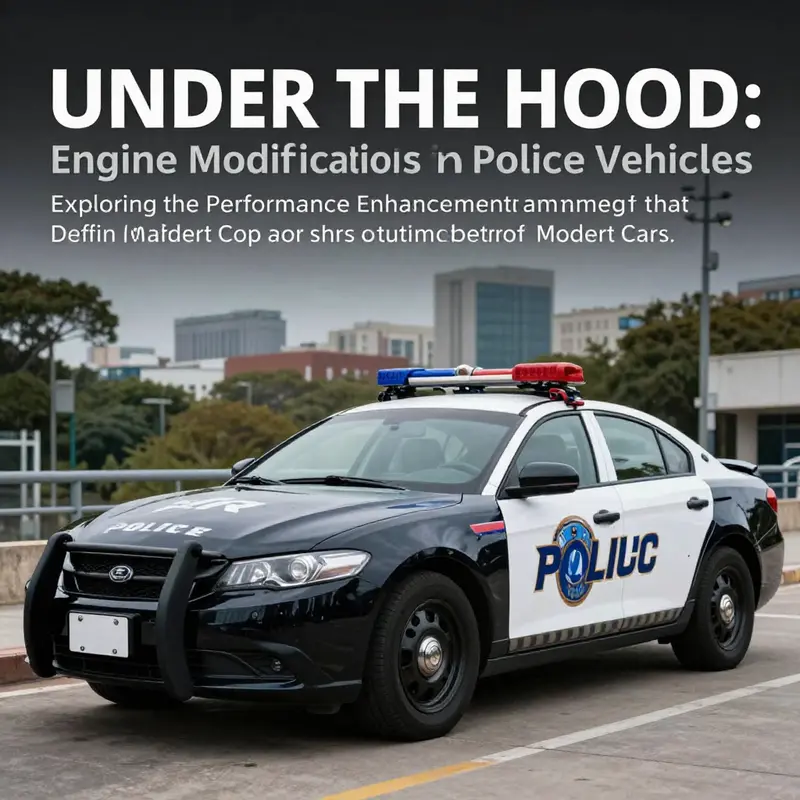
Engine modifications in police vehicles are much more than just horsepower upgrades. These essential tweaks, from tuned ECUs to improved cooling systems, amplify the performance of models like the Skoda Superb, ensuring operational readiness under intense circumstances. For hobbyist car modifiers and professional tuners, understanding these modifications reveals not only the demands of police work but also the engineering prowess behind each upgrade. This article delves into the various ways in which cop cars are modified for optimal performance, operational efficiency, safety, and cost-effectiveness, bridging the gap between police vehicles and performance-enhancing upgrades familiar to car enthusiasts.
Power Under Pressure: Engine Upgrades That Keep Police Cars in the Fast Lane
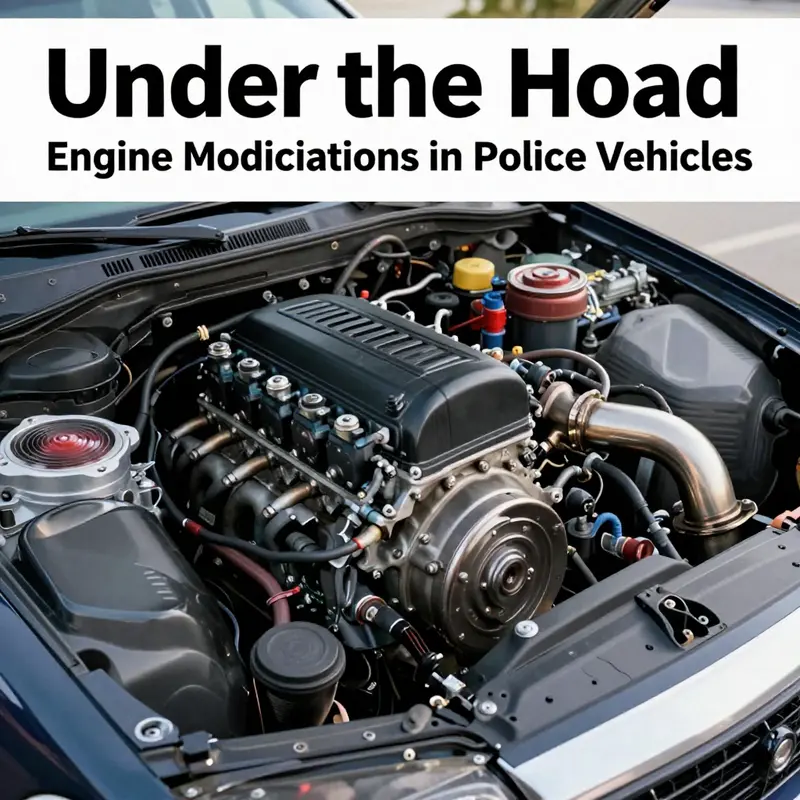
When law enforcement agencies equip their patrol fleets, the goal is not just reliability but a dynamic balance of speed, stamina, and precision under unpredictable conditions. Engine modifications in police cars are crafted not for show but to extend the margin between danger and danger averted. A typical patrol sedan or a mid-size utility vehicle begins life with a robust baseline, but the moment it is designated for emergency response, its heart—its engine—receives a carefully tuned set of upgrades. The changes are not isolated; they are part of a broader engineering philosophy that treats the vehicle as a single, integrated platform designed to meet the toughest duty cycles. In this light, the modifications that follow are not about vanity performance numbers. They are about predictable power delivery, consistent throttle response, and sustained capability when the road and the clock demand maximal performance for long, high-speed pursuits, rapid decelerations, and the constant vigilance of urban traffic.
Central to this philosophy is a focus on horsepower and torque, two axes that determine how quickly a vehicle can accelerate out of a tight intersection, close a gap in a pursuit, or stabilize itself on a long, flat highway crawl. Engine tuners and fleet engineers often begin with a recalibration of the engine control unit (ECU). This is not a simple flash of higher numbers; it is a nuanced re-mapping of multiple parameters that govern fuel delivery, ignition timing, boost (where applicable), and torque management. In the field, throttle response must feel immediate and predictable. A sudden drop in RPM or abrupt timing advance can translate into misjudgments at critical moments. The aim of ECU tuning, therefore, is to deliver cleaner, crisper responses without sacrificing the engine’s long-term health or the vehicle’s fuel economy during routine patrol duties. Some mappings emphasize quicker torque build at lower RPMs, enabling faster roll-off from a stop and rapid acceleration when officers need to gain lane position during a pursuit. Others optimize high-RPM stability to minimize power fade during sustained high-speed operation, such as highway assisted pursuits or long-distance patrols across regions with variable terrain.
Intake and exhaust systems form the next layer of refinement. Engine breathing is the life cycle of performance. Upgraded intake systems bring in more air with less restriction, allowing the engine to ingest greater volumes of oxygen when the throttle is opened. In a patrol context, that extra air translates into more consistent power across a range of engine speeds, which matters whether the car is charging into a city block or maintaining speed on a rural stretch. Exhaust systems, when designed for performance, reduce back pressure and improve exhaust flow. The result is not only a small uptick in power but a more stable engine sound signature that can communicate confidence to the driver and, in some cases, to the officer on board. It is important to note that these upgrades are carefully balanced against emissions constraints and noise ordinances, especially for fleets operating in densely populated areas. The goal is enhanced flow without compromising the vehicle’s status as a lawful and responsible public safety asset.
In many fleets, the upgrade path includes forced induction, most commonly via turbochargers or superchargers. Turbocharging, in particular, can multiply the intake air and thereby increase the amount of fuel that can be burned efficiently, yielding meaningful gains in power and urgency in acceleration. However, the deployment of turbo systems in a police context is tempered by heat management and reliability concerns. The engine must perform consistently across a broad duty cycle, from short bursts of high throttle to long, steady cruises during search and rescue, patrol sweeps, or disaster response. This means turbocharger installations come with enhanced cooling strategies and upgraded intercooling to prevent heat soak, which can otherwise erode performance. While the public-facing narrative of turbocharged police engines may evoke dramatic headlines, the practical reality lies in a carefully engineered balance: more air, more fuel, and a controlled downshift in boost to preserve engine health under sustained use.
Beyond breathing, the durability of internal components becomes a central priority as performance targets rise. Reinforcing the bottom end of the engine with stronger pistons, connecting rods, and crankshafts helps the engine withstand higher torque and the elevated cylinder pressures that accompany boosted performance. This reinforcement is not about making an engine indestructible; it is about ensuring consistent performance when officers demand maximum power repeatedly over the course of a shift or across a sequence of pursuits. The strengthening also includes upgraded bearings, oil pumps, and engine fasteners to resist the vibrational and thermal stresses generated by high-load operation in urban environments or during off-road incidents. In practice, these enhancements translate into improved reliability: fewer unplanned deployments due to mechanical failures and more consistent engine behavior when the vehicle is called upon to accelerate from standstill with officers’ weapons drawn and situations unfolding around them.
Cooling remains a critical, non-negotiable pillar of the modification strategy. Engine performance always depends on thermal management. A high-performance engine can produce more power, but if it overheats, its efficiency and reliability quickly degrade. Fleet-builders address this with upgraded cooling systems that may include larger radiators, more efficient fan strategies, higher-capacity oil coolers, and enhanced coolant routing to critical components. Some vehicles adopt dedicated coolers for the turbocharger or intercooler, ensuring that the charging air remains dense and within optimal temperature ranges even during extended drives at high ambient temperatures or long pursuits. This emphasis on cooling is not merely technical; it is procedural, with maintenance schedules adjusted to account for the additional heat load and the elevated stresses of emergency operation. In practice, officers benefit from engines that maintain power without the need to throttle back to avoid overheating, even when the pursuit extends into peak heat of the day or through long, congested corridors where the engine remains under continuous load.
The transmission and drivetrain are not afterthoughts in this equation. A power-focused engine must be matched to a drivetrain that can transmit that power effectively. Strengthened gear sets, upgraded torque converters, and reinforced clutches are common in high-demand patrol configurations. In automatic transmissions, engineers may tune shift points and improve line pressure to improve driveability under load, ensuring that downshifts are crisp and predictable during rapid decelerations and aggressive off-throttle maneuvers. These changes, paired with robust cooling for the transmission itself, help prevent heat-related wear during extended pursuits or when the vehicle serves as a high-speed escort or a mobile command platform. The result is smoother, more controllable acceleration and braking that officers can rely on in the moment of truth, when seconds count and the margin between success and failure can hinge on precise vehicle behavior.
Fuel delivery, ignition systems, and overall calibration contribute to a tightly knit performance package aimed at both power and reliability. High-performance fuel injectors or upgraded fuel pumps ensure that the engine receives the precise quantity of fuel required for the expanded air intake, especially under boost. Ignition timing is tuned not only for maximum power but also for consistent combustion across a wide range of temperatures and altitudes. In practical terms, this translates into predictable engine behavior whether the vehicle is idling on a cold start in a locked-down neighborhood or sprinting at highway speeds through a rural corridor. The choreography of these elements—air metered by the ECU, fuel metered by the injectors, and ignition timed for the most efficient burn—produces a seamless tapestry of power that can be summoned with a decisive press of the accelerator regardless of the car’s load, gear, or road grip.
It is essential to recognize that these mechanical and electronic adjustments are not isolated. They operate within an ecosystem of safety, control, and mission planning. The vehicle’s steering, suspension, and braking systems are concurrently tuned to handle the increased pace and momentum. A faster engine that cannot stop promptly or steer accurately would create a dangerous mismatch; so engineers align brake systems with the engine’s capabilities and ensure the suspension maintains stability during high-speed transitions, yaw changes, or evasive maneuvers. This system-wide approach supports officers by providing a vehicle that responds with confidence to rapid input, delivering the precise restraint and control needed during high-stakes operations. In this context, performance gains are not merely about raw speed; they are about predictable, repeatable behavior under stress, which is what makes a police car a trusted instrument in the hands of trained officers.
The real-world implications of these modifications extend into pursuit tactics, incident management, and everyday patrol reliability. A modified patrol sedan can deliver faster response times out of precincts, with a stronger mid-range torque curve that helps the vehicle surge to speed quickly when a suspect is detected in traffic or on a highway on-ramp. It can also maintain steadier acceleration through curves and municipal corridors, where speed variations among vehicles and pedestrians must be managed with care. The improved cooling and reinforced internals allow the engine to handle sequences of high-load events without entering a fatigue state—an essential quality for both urban and rural deployments. From a tactical standpoint, the officer’s ability to anticipate and respond is enhanced when the vehicle behaves consistently, the engine remains within safe operating limits, and the drive train communicates its limits clearly through controlled rpm and predictable shifts.
Maintainers and policy makers in police fleets also weigh the practical implications of engine upgrades. The higher performance envelope often comes with increased maintenance demands, longer service intervals for certain components, and a need for specialized diagnostic tools to monitor temperature, boost pressure, and fuel metrics in real time. This reality underscores the value of a holistic maintenance regime that pairs engineering improvements with routine, proactive checkups. It also highlights the importance of training for drivers and technicians. Officers training on these upgraded platforms learn to exploit the performance gains while respecting the vehicle’s new threshold of capability, ensuring that accelerations, throttle transitions, and emergency braking are performed with refined judgment. In the end, the objective is not simply more power but more responsible, reliable power that translates into safer outcomes for both officers and civilians in dynamic and potentially dangerous environments.
To connect these technical ambitions with the law’s broader framework, consider how modernization of police engines underscores a shift from purely traditional performance to a disciplined, mission-focused engineering discipline. The modifications are not about glamorizing speed; they are about giving officers the tools to execute pursuits with controlled acceleration, consistent engine behavior, and dependable performance across the shifting demands of urban policing, disaster response, or crowd control. This is why the upgrading discipline is careful, measured, and heavily integrated with the vehicle’s other critical systems. It is also why the literature on police vehicle engineering often foregrounds not only the measured gains in horsepower or torque but the certainty that these gains come with robust cooling, reinforced internals, and a transmission that can carry the power smoothly through the gears without compromising control or safety.
For readers seeking a broader understanding of how these engine improvements are implemented in practice and the real-world impact they deliver in emergency operations, a comprehensive industry overview can be found in professional coverage that examines police vehicle engine improvements in depth. It provides a grounded look at how agencies balance performance with reliability, duty cycles, and environmental considerations while maintaining public safety responsibilities. External resource: https://www.caranddriver.com/news/a47692085/police-vehicle-engine-improvements/ .
Internal reading continues through practical guidance on how modifications intersect with broader car ownership concerns. For example, even though this chapter centers on police fleets, the same underlying principles—airflow optimization, cooling, and robust internals—inform civilian performance upgrades that emphasize safety, durability, and cost of ownership. In this regard, enthusiasts often encounter questions about how modifications affect insurance, resale value, and legality. These topics are approached with caution, recognizing that police vehicles occupy a highly regulated domain where safety, compliance, and predictable behavior are non-negotiable. As a point of connection for readers exploring related topics, the chapter invites consideration of how performance work can influence a civilian vehicle’s long-term value, and how responsible modification practices can mitigate risks associated with insurance and legality. For those curious about the civilian side of the equation, a broader discussion of car modifications, risk, and value can be found at this resource: Legal car modifications.
Under the Hood of Duty: How Engine Modifications Shape Cop Cars’ Operational Rhythm
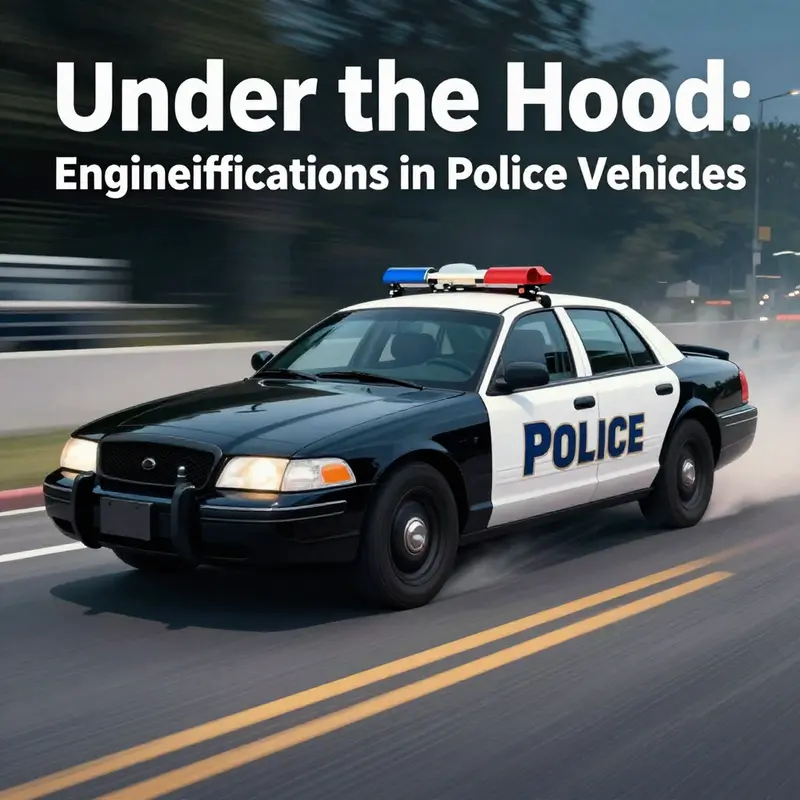
The engine is more than a power source in a police vehicle; it is a carefully tuned instrument designed to answer calls with speed, steadiness, and resilience. In fleets around the world, law enforcement agencies invest in engine modifications not for show but to ensure that every pedal stroke translates into predictable, controlled performance when every second counts. The modifications are selective, targeted, and embedded in a larger strategy that balances raw acceleration with reliability, fuel economics, and long-term maintenance. A modern patrol sedan or pursuit-capable cruiser may carry a package of enhancements that begins with a reworked engine management system, continues with exhaust and cooling improvements, and sometimes expands to turbocharger or intercooler adjustments. Each element is chosen to deliver a measurable gain in the officer’s ability to respond decisively while keeping the fleet within budgetary constraints and maintenance schedules. The result is a vehicle that can leap from routine duty to high-speed pursuit with a seamless transition, a machine whose behavior remains predictable when the driver is forced to operate under stress.
To understand how these modifications work in practice, it helps to map them to the conditions police drivers face. The daily routine involves a dance of stop-and-go traffic, sudden accelerations during emergencies, and extended periods of high-load operation in hot weather or hilly terrain. In this context, performance gains are not only about top-end speed; they are also about torque delivery, throttle response, and the engine’s ability to sustain a robust power band without overheating. Engine tuning and upgrades often target horsepower and torque, but the true win is a broad, usable torque curve. When an officer floors the accelerator, the vehicle must respond with authority, not lag or hesitation. When a pursuit begins, the engine must deliver sustained pull without entering heat-induced relief or fuel-hungry spikes. The result is a car that feels confident at every speed and in every gear, with the driver maintaining control even as the balance of weight, tires, and suspension comes under strain.
The core components of this approach are familiar to anyone who has studied performance tuning, but the policing context gives them a specific mission. Engine tuning and upgrades typically involve recalibrating the engine’s electronic control unit (ECU) to optimize the fuel maps and ignition timing for the unique duty cycle of patrol and pursuit. This recalibration can unlock additional horsepower and, crucially, enhanced torque at lower engine speeds. For an officer, that translates into quicker off-the-line acceleration and more aggressive response in highway stints where rapid speed changes can be life-or-death. At the same time, the exhaust system may be upgraded to improve exhaust gas flow and reduce backpressure, which complements the ECU’s reprogramming by enabling the engine to breathe more efficiently under load. The goal here is not only more power, but more effective power delivery—an important distinction when every shift involves sudden demands followed by periods of steady, controlled cruising.
Upgrading the cooling system is another essential thread in this tapestry. High-performance engines generate more heat when pushed hard for extended periods. Overheating is not merely a nuisance; it is a reliability risk that can lead to power loss, limp-home behavior, or sudden maintenance downtime at the worst moments. A cooling system upgraded for police duty typically emphasizes larger radiators, better coolant flow, and more capable fans. The idea is to keep the engine within its optimal temperature band even during a long pursuit or a hot summer patrol in dense urban environments. When the cooling system is robust, officers can perform aggressive moves more frequently without fear that heat soak will erode performance. This reliability is a quiet force multiplier, because it preserves the engine’s responsiveness regardless of how long the siren stays on or how many miles pass between routine stops.
Some fleets also explore turbocharger or intercooler enhancements as a way to broaden the engine’s power envelope. A turbo increases the amount of air the engine can burn, which, in turn, raises the available torque at higher RPMs and can help with sustained acceleration during pursuits. Intercoolers reduce the temperature of the compressed air, improving its density and the efficiency of combustion. In law enforcement applications, however, the adoption of forced induction is carefully weighed against durability concerns, maintenance complexity, and the risk of turbo lag during controlled, tactical driving. When such upgrades are pursued, they are accompanied by rigorous calibrations, reinforced cooling, and, often, re-engineered intake and exhaust paths to minimize lag and maximize throttle modulation. The overarching objective remains simple: to produce a drivetrain that responds with consistent force from the moment the light turns green to the end of the chase, while also filtering the heat and fatigue that come with prolonged operation.
Even as performance is enhanced, agencies must contend with the other side of the equation: fuel consumption and long-term reliability. The pursuit of speed and quick acceleration can draw more fuel, especially when engines stay in high-output modes for extended intervals. Fleet managers weigh this reality against the threats faced during duty. The most prudent improvements are those that improve fuel efficiency where possible without compromising essential performance. Modern police fleets increasingly embrace technologies that promote fuel economy during routine patrol and, importantly, during low-load phases of operation. Cylinder deactivation is a noteworthy example in contemporary V8 engines. Under light load conditions, the engine can deactivate certain cylinders, effectively reducing the engine’s displacement and conserving fuel. When the driver demands power, the system seamlessly reactivates the deactivated cylinders. This approach can yield meaningful fuel savings—estimated up to around ten percent in ideal conditions—without diminishing the responsiveness needed for emergencies. For fleets, this means the car can deliver patrol-grade efficiency during quiet shifts while still delivering strong performance when law enforcement actions escalate. The shifting balance between economy and capability embodies a strategic shift toward sustainable, responsible policing that does not force a choice between readiness and stewardship of resources.
The broader discussion around engine modifications also includes practical considerations about maintenance and reliability. Performance-focused enhancements can increase wear on components that are already pushed by daily use. The car’s turbochargers, when employed, demand precise oil conditioning, return-path management for cooling, and high-grade filtration. The exhaust system requires robust materials and reliable gaskets to maintain performance over time. A fleet’s maintenance program must adapt to these realities with more frequent diagnostics and a preventive discipline that anticipates part life cycles before a problem arises. In the field, the consequences of a failed component can be severe, forcing a vehicle out of service during critical moments. Therefore, the decision to pursue any modification is inseparable from the vehicle’s scheduled maintenance window, the availability of spare parts, and the implications for the unit’s operational readiness.
Yet despite these complexities, the net effect of thoughtful engine modifications is clear: enhanced responsiveness that aligns with the duty cycle of police work. Acceleration matters, but so does the ability to sustain momentum for longer periods without overheating or excessive fuel burn. This is why modern police fleets increasingly blend raw power with smart efficiency. The same principles that push a sports car toward peak performance are tempered by the realities of patrol duty and the need for predictable behavior under stress. For a driver, the difference can be measured in the speed with which a vehicle crosses the line between routine traffic stops and a high-speed chase, and in the steadiness of that vehicle once the chase ends and the vehicle settles into law enforcement escort or pursuit containment. In practice, a well-modified engine ceases to be a one-note performance feature and becomes a reliable platform that supports the entire spectrum of police operations—from quiet daytime patrol to high-stakes interdiction.
The conversation around these modifications also touches on the vehicle’s value and lifecycle. A patrol car is not just a tool for immediate action; it is an asset that will be resold or repurposed within a fleet after a defined period of service. Modifications, while advantageous for performance and duty readiness, can influence resale value, insurance considerations, and long-range budgeting. Fleet managers must assess whether the benefits justify the total cost of ownership, including installation, calibration, ongoing maintenance, and potential depreciation associated with a customized powertrain. In some cases, the modifications may be reversible or adjustable to align with changing mission requirements, ensuring the vehicle can adapt as strategies evolve or as budgets tighten. The overarching goal remains clear: to deliver a balance where the patrol car remains an agile, reliable instrument of the law without imposing unsustainable costs on the fleet. When evaluating efficiency, managers consider not only the immediate gains in acceleration and pursuit capability but also the vehicle’s behavior during routine patrols, its fuel economy in city traffic, and its long-term reliability under the stresses of duty. In this sense, engine modifications become a holistic planning tool, part of a broader effort to optimize the entire policing fleet rather than merely to chase higher performance for a few moments of tension.
For practitioners who want a practical frame of reference, a succinct guide on how modifications influence overall vehicle performance and responsibilities can be invaluable. A practical, well-structured overview can help fleet managers determine when to pursue engine enhancements and how to structure maintenance and monitoring to preserve reliability. The guide emphasizes that while performance gains are alluring, they must be integrated with a disciplined approach to fuel management, cooling, and torque delivery. The balance between power and efficiency is not a compromise when managed carefully; it is an operating principle that underpins a fleet’s readiness and fiscal health. If readers seek a concise framework for understanding these dynamics, the concept of a car modifications guide offers a dependable starting point for aligning technical improvements with strategic outcomes. For readers who want a broader context on how modifications influence insurance considerations and vehicle value, that guide can serve as a practical stepping stone in evaluating the long-term implications of any powertrain upgrade. See the resource linked below for a broad, user-friendly outline of these issues, and consider how such a framework could be adapted to the unique needs of a law enforcement fleet.
In closing, engine modifications in police vehicles are best understood not as a single tweak but as a coordinated program. They are a response to a demanding mission profile, a commitment to reliability under ultimate pressure, and a pathway toward sustainable efficiency in the face of rising operating costs. Each modification site—ECU recalibration, exhaust optimization, enhanced cooling, or occasional forced induction—contributes to a larger story: the story of a vehicle that is always ready to act, always capable of sustaining performance when the stakes are high, and always mindful of the long arc of fleet maintenance and budgetary responsibility. It is a story about engineering with purpose, where the goal is not merely speed for speed’s sake but disciplined power that respects safety, durability, and the needs of the communities those vehicles protect. It is a narrative that speaks to the careful balance between immediate responsiveness and enduring value, a balance that defines how modern police fleets stay effective on the road and accountable to the people they serve. As technology evolves and as policy, funding, and community expectations shift, the next generation of engine modifications will likely weave even more tightly into the broader fabric of fleet efficiency and strategic readiness, ensuring that every patrol vehicle remains not just fast, but purposeful, predictable, and resilient in the face of the many demands that define contemporary policing.
Internal resource for broader framing on car modifications and their systemic effects: car modifications guide
External reference for further reading on fuel efficiency technology in police fleets: https://www.govtech.com/public-safety/new-police-cars-come-with-fuel-efficiency-technology
The Engine Behind the Badge: Power, Precision, and Safety in Police Fleet Modifications
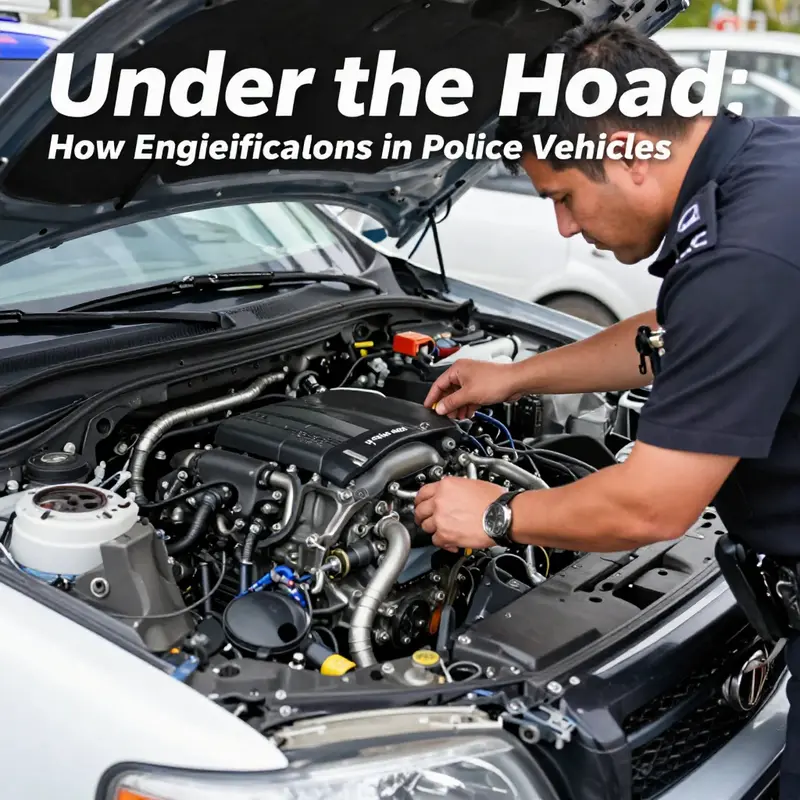
The engine is more than a power source in a police fleet; it is the quiet, tireless hub that underpins every pursuit, every rapid decision at the wheel, and every moment a vehicle must perform without fail. In the realm of law enforcement, engine modifications are not about chasing headlines with raw speed alone. They are about weaving together power, reliability, and predictability so that officers can respond decisively while staying within the boundaries of safety and public accountability. This balance—between pushing the limits of performance and maintaining an unwavering commitment to safety—defines how modern police vehicles are engineered. What emerges is a disciplined approach to power that respects the realities of duty, the limits of road legality, and the unpredictable choreography of urban and rural pursuits alike. It is, in essence, an engineering philosophy that treats the engine as a tool for safeguarding lives, enabling rapid response, and ensuring the vehicle remains a dependable platform through hours of demanding operation.
To begin with, the starting point is not a flashy increase in horsepower alone. It is a carefully mapped journey from torque delivery to thermal management, from robust internal components to tuned engine management. In police work, the goal is to have usable, controllable power right when it is needed most. A high-overlap in the torque curve—meaning strong and immediate torque at low and mid RPM—translates into brisk acceleration from standing starts or when weaving through congested traffic. Officers rely on that immediate response to create space, stabilize a suspect vehicle, or close distance quickly enough to perform a safe and controlled stop. However, this is only part of the story. The same engine must not overheat or shed performance during an extended pursuit, under hot sun, or after long hours of patrol. That is why the modifications center on a holistic approach: more than one upgrade is deployed in concert, each reinforcing the others.
Central to this approach is an expanded, more capable cooling system. Engines generate heat not just at the moment of maximum thrust but continuously when a vehicle is constrained to operate for long periods at elevated load. Overheating can throttle performance, reduce engine resonance, and even trigger protective derates that limit top speed or torque to prevent damage. In practice, departments pursue upgrades such as larger radiators with additional cores, enhanced coolant flow paths, and more efficient oil cooling. An oil cooler, often integrated into the system or added as an auxiliary loop, helps maintain oil viscosity and lubricity under sustained high-temperature conditions. Some applications employ an intercooler system for forced induction scenarios, where compressed intake air benefits from additional cooling to preserve density and resist knock. The outcome is a powertrain that remains stable and consistent, rather than one that betrays officers with sudden heat soak after the chase heats up. The emphasis on cooling is not a nod to excess power alone; it is a guarantee of reliability when it matters most, a throughline that runs from the first ignition to the last mile of a long shift.
If cooling forms the backbone of reliability, engine management forms its nervous system. Modern police engines rely on performance-tuned engine management systems (ECUs) that are precisely calibrated to deliver the right mix of fuel, air, ignition timing, and boost where applicable. A key objective is to preserve predictable throttle response and linear power delivery under a wide range of operating conditions. Calibration does not simply squeeze more horsepower; it tailors how the engine responds to officer input and to real-world driving scenarios. For example, the throttle mapping may be adjusted to minimize lag, so a light touch on the accelerator yields a smooth, controlled surge instead of an abrupt shove of torque. Timing advances and fuel strategies are tuned to maximize efficiency while maintaining safety margins at high loads. In vehicles that employ forced induction, the ECU oversees boost pressure with safeguards to prevent excessive knock, protect the turbo or supercharger, and ensure the intake system remains within design limits. In all cases, the tuning is tested under simulated patrol cycles and real-world chase simulations to validate a balance between urgency and restraint. The result is an engine that feels responsive and controlled, offering confident acceleration without compromising mechanical integrity.
The intake and exhaust pathways are another vital arena where the engineering calculus matters. A more capacious intake system, including higher-flow air filtration and optimized intake runners, helps the engine breathe more efficiently at higher rpm and under sustained load. This improved breathing translates into more usable power across the RPM range, reducing the chance that the engine will surge or stumble when a driver needs rapid forward motion to avert a confrontation. On the exhaust side, upgrades are designed to reduce backpressure and protect reliability, all while maintaining compliance with emissions and noise regulations. The objective is not to shout down opponents with a louder note but to provide an unobstructed path for exhaust gases that complements the enhanced intake. The exhaust components are chosen with care to avoid destabilizing exhaust gas temperatures or introducing resonant phenomena that could interfere with engine sensors or the vehicle’s diagnostic systems. In practice, these upgrades are paired with high-quality catalytic converters and carefully tuned piping so that the engine remains quiet enough to operate with professional discretion while still delivering the necessary efficiency at high load. The result is a coherent system where intake and exhaust work in harmony, enabling sharper throttle response and more confident mid-range acceleration.
Beyond breathing and burning more air and fuel efficiently, police engines often rely on reinforced components that can withstand the rigors of patrol duty. Forged pistons and stronger connecting rods, along with improved crankshaft bearings and oiling systems, form a stage set that resists the fatigue of repeated high-load events. Police work can subject an engine to sudden accelerations, sustained high speeds, rapid deceleration, and, at times, a pounding of freeze-thaw cycles that stress metal. The idea is to provide a margin of safety that keeps the engine resilient through years of duty cycles, with service intervals that reflect real-world usage. Reinforced components reduce the probability of ring land failure, rod bending, or piston slap, which would threaten performance in critical moments. In concert with stronger internals, engineers often introduce upgraded lubrication strategies, such as higher-capacity sumps or eccentric oil pump configurations designed to maintain a steady oil film under heavy loads. This is not a cosmetic upgrade; it is a pragmatic investment in engine longevity and dependable operation across countless shifts.
In combination with these upgrades, a disciplined approach to power delivery is essential. This is where the concept of torque management enters the picture. High and instantaneous torque is valuable in pursuit scenarios, but it must be coupled with precise control to avoid wheel spin or abrupt vehicle instability. Modern police drivetrains—whether they use automatic or manual interfaces—rely on software that calibrates shift points, clutch engagement (where applicable), and torque cut during engine braking. This calibration helps the vehicle accelerate smoothly out of corners, merge with traffic safely, and maintain traction on varied road surfaces. It also reduces the likelihood that a driver will experience an overboost condition that could compromise control. The objective is to guarantee that performance is dependable at the point of emergency, and that it remains within safe limits across the entire envelope of operation. The tuning process considers not only the engine, but the entire drivetrain and chassis to preserve a balanced handling character. In practice, drivers feel a coordinated system in which the engine, transmission, brakes, and suspension work together to deliver confident, predictable performance rather than a raw, uncontrolled surge.
Safety and compliance are not afterthoughts in these modifications; they are foundational requirements. Police vehicles must operate legally in public space, and any engine modification must respect both the letter of the law and the spirit of public safety. This means that performance upgrades are executed with attention to emissions compliance, noise regulations, and mandatory inspection protocols. The modifications are designed to be traceable, serviceable, and auditable, ensuring that they can be examined by oversight bodies and kept up-to-date with evolving standards. It is also essential that safety systems—airbags, stability control, ABS, seatbelt pretensioners, and crash structures—remain uncompromised. In some jurisdictions, that translates into a cautious limit on boost, a defined temperature envelope for cooling, and explicit documentation of all parts used in the upgrade. The objective is not to circumvent regulation but to operate within it, while still enabling officers to perform their duties effectively.
The operational context in which police engines work also guides these choices. A patrol car spends long hours on duty, sometimes in extreme heat, sometimes in rain or snow, often in heavy traffic and sometimes in high-speed pursuits. The engine must deliver performance consistently across those conditions, with predictable reliability. That means that the upgrades are not isolated experiments but integral parts of a broader operational strategy. They must align with tire technology, suspension calibration, braking capacity, and the electrical system’s load demands—lights, sirens, communications, and numerous sensors that run concurrently. The goal is a cohesive system where the engine complements the vehicle’s other performance pillars rather than acting as a standalone spectacle. When officers demonstrate measured acceleration and precise control during a chase, it is often the case that the engine is doing its job quietly in the background, pushing power through a well-tuned chain of components that have been designed to endure.
Maintenance and ongoing service are equally important considerations. Engine longevity depends on consistent service, motor oil that meets the higher temperature and load demands of police operation, and timely replacement of wear components. Regular testing of cooling systems, verification of intercooler integrity if present, inspection of air intake pathways for leaks, and monitoring of exhaust emissions are all part of a routine that keeps the vehicle ready for its next mission. The maintenance philosophy mirrors the broader duty cycle: prepare for the worst, expect the best, and ensure that the engine’s health is trackable over time. In practical terms, this means scheduled inspections of the cooling loop, verification of sensor calibrations after software updates, and a careful review of diagnostic codes that may arise when the vehicle is deployed under strenuous conditions. The result is a fleet that remains reliable, with engines that can be counted on to deliver consistent performance from dawn patrol to the midnight call.
In contemplating these modifications, it is important to recognize the delicate balance at work. Performance enhancements must be weighed against safety considerations, public accountability, and the real-world dynamics of patrol work. The modifications should amplify, not undermine, a vehicle’s capacity to function as a safe, predictable tool for officers. That is why many programs emphasize not just raw power but the integrity of the entire system: the cooling, the control software, the mechanical robustness, and the environmental and regulatory context. It is a holistic engineering discipline that recognizes the engine as a critical link in a chain whose end is public safety and officer reliability. In this sense, the engine modifications are less about making a car faster and more about making a car serve, safely and effectively, when the line between routine patrol and high-stakes pursuit blurs in an instant.
For readers seeking a concise framework on how modifications are approached within legal boundaries, a useful overview can be found in the car modifications guide. It presents the principles that govern responsible upgrading, from assessing mission needs to documenting parts and ensuring compliance. As with any safety-critical field, the entire process benefits from thorough planning, rigorous testing, and transparent reporting. In the end, the engine and the people who tune it share a common objective: to equip officers with a dependable, responsive platform that can be counted on when time is compressed and every decision matters. The story of engine mods in police fleets is thus a narrative of careful engineering, where the drive for performance is always filtered through the prism of safety, accountability, and public service. It is a reminder that the badge’s power is not just in horsepower, but in the disciplined integration of technology, human judgment, and a steadfast commitment to doing the right thing under pressure. For those who want to explore broader considerations around the legal and risk dimensions of car modifications, the linked resources offer further context, including discussions about insurance, legality, and practical implications for owners and operators of modified vehicles. External reading: https://www.msn.com/en-us/news/other/police-car-gets-a-power-upgrade-watch/ar-AA1w6JZc
Power, Policy, and Price: Weighing Engine Upgrades in Police Fleets
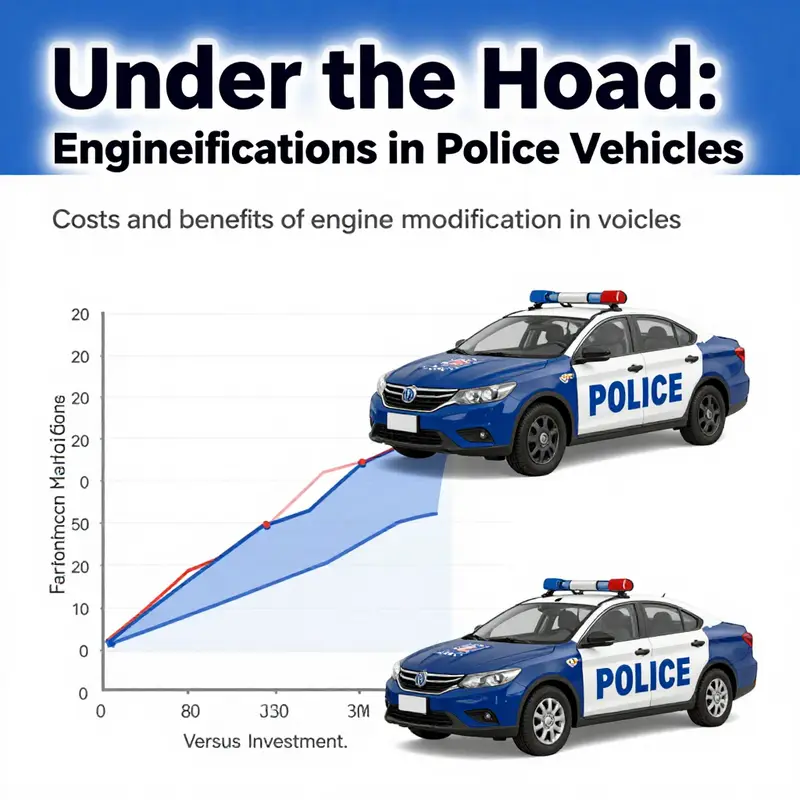
Engine upgrades for police fleets balance performance with reliability and public accountability. This chapter reviews how enhanced engine management, cooling, and exhaust strategies can improve response capability while considering total cost of ownership, maintenance, and policy constraints. It emphasizes aligning modifications with duty cycles, climate, and training, using a lifecycle cost framework and phased pilots to quantify benefits in hours saved and incidents reduced. It also discusses risk, warranty, insurer considerations, and how engine upgrades fit into broader fleet modernization and governance, ending with a practical, data driven decision process.
Final thoughts
Engine modifications in police vehicles represent a critical balance of performance, safety, and operational efficiency. By integrating advanced technologies and thoughtful design, these enhancements not only prepare police cars for high-stakes situations, but they also set a standard for performance tuning across the automotive industry. As hobbyists and professionals alike explore the potential of engine modifications, the lessons gleaned from law enforcement vehicle upgrades provide valuable insights that can influence personal projects and professional undertakings. Understanding these modifications allows enthusiasts to appreciate the engineering intricacies that enable these vehicles to perform optimally under pressure.