

In the realm of automotive culture, car games have carved out a distinct niche that embodies not just the thrill of racing, but also the art of vehicle customization. From the rudimentary graphics of early classics to today’s hyper-realistic simulators, these games have fostered a passionate community of car modifiers. The significance of car games, particularly the first car game with modification features, cannot be overstated; they serve as virtual playgrounds where enthusiasts can explore their love for cars and upgrades.
Initially, modifications within these games were limited to cosmetic changes, yet they evolved rapidly into complex systems that mirror real-world tuning practices. The iconic Need for Speed series played a monumental role in this evolution, allowing players to not only personalize aesthetics but also enhance performance through engine tweaks and suspension upgrades. As these games progressed, they educated users about the intricacies of automotive engineering, fortifying the bond between the virtual and physical car world. In this exploration, we will delve into the history of car game modifications, acknowledging the creativity and expertise of the community that continues to thrive, celebrate, and innovate.
The journey through the history of car games offers a fascinating glimpse into how gaming technology has evolved alongside automotive culture. This timeline highlights key milestones leading up to the first game to feature car modifications, illustrating the intertwined growth of gaming and automotive innovation.
Early Beginnings: The Arcade Era
The origins of car games can be traced back to arcade machines in the early 1980s. One of the first titles was Road Fighter by Konami, released in 1984. This top-down racing game marked a significant shift in video gaming, allowing players to experience the thrill of racing while managing fuel and dodging obstacles. As technology progressed, games like Out Run (1986) and Super Monaco GP (1988) introduced more dynamic graphics and gameplay mechanics, captivating audiences and laying the groundwork for the racing genre.
The Rise of Gaming Consoles: Introducing Customization
The mid-to-late 90s witnessed a pivotal development in car games with the advent of 3D graphics and more complex gameplay. The release of Need for Speed by Electronic Arts in 1995 was revolutionary as it introduced the concept of real car ownership within games and basic visual customizations. However, it was Need for Speed: Underground in 2001 that truly started the car modification phenomenon in gaming culture. This game allowed players to swap engines, paint their cars, and install aftermarket parts, fundamentally blending simulation with personalization and making modifications an integral part of gameplay.
Cultural Influences on Car Modifications
As gaming technology advanced, so did the cultural landscape surrounding car modifications. The late 90s and early 2000s saw the rise of street racing culture, heavily influenced by movies like The Fast and the Furious, which romanticized car modifications and custom designs. This cultural shift boosted the popularity of car games that featured extensive customization options, echoing real-world automotive culture where personal expression through vehicle modification became a statement of identity.
The integration of technology such as VR and AR (Virtual Reality and Augmented Reality) further enhanced the car gaming experience, allowing players to immerse themselves in detailed simulations of car tuning and track racing. Today, platforms like Gran Turismo have become notable for their realistic driving physics and gradual incorporation of player-driven modifications, allowing limited tuning options and encouraging modifications that affect vehicle performance.
The Significance of Modifications in Gaming
The shift to incorporate car modifications into games symbolizes not only a growing interest in automotive culture but also reflects advancements in gaming technology. The first mainstream game to fully embed modifications into its mechanics, Need for Speed: Underground, set a precedent that other racing games strive to follow. Players not only race; they connect with their vehicles, transforming games into a canvas for creative expression reflecting individual tastes and preferences.
In conclusion, the significance of car modifications in gaming history is profound. It is a reflection of a cultural phenomenon where automotive passion meets gaming technology, revolutionizing how players interact with in-game vehicles. The dedication to capturing the spirit of automotive culture in video games has inspired a generation of players to delve deeper into modifications, both in-game and in the real world.
For those looking to explore the business and practical considerations of car modifications, check out our blog on modifying financed vehicles. If you’re interested in the financial implications of modifying vehicles, you might also want to read about car modifications and resale value.
This historical overview underlines the vibrant relationship between gaming and automotive culture, paving the way for future innovations in both spheres.
| Game Title | Release Year | Key Features Related to Modifications |
|---|---|---|
| Rfactor | 2005 | Extensive modding capabilities, customization of cars, tracks, and physics models. |
| Forza Motorsport | 2005 | Player-friendly customization, paint options, performance tuning, and body kits. |
| Gran Turismo | 1997 | Limited user modifications; deep tuning options but no modding support initially. |
For more insights on the impact of modifications on car value, click here.
Gameplay Features of the First Car Game with Modification: Need for Speed: Underground
When we dive into the realm of car gaming and modifications, the title Need for Speed: Underground, released in 2003, stands out as a groundbreaking journey igniting the passion of car enthusiasts around the globe. This wasn’t just another racing game; it was a cultural phenomenon that introduced deep vehicle customization mechanics, significantly altering how players interacted with racing games.
Comprehensive Customization Options
Need for Speed: Underground didn’t just scratch the surface with superficial upgrades. Players could transform their vehicles on an intricate level, customizing every aspect from the engine to the aesthetics. The customization system allowed for:
- Performance Upgrades: Players could enhance engine performance, modify the suspension, and fine-tune brakes and tires, enabling them to tailor cars to their racing style.
- Visual Modifications: The game offered an extensive selection of over 250 different aftermarket parts, allowing players to choose body kits, paint options, rims, and decals. This freedom fostered creativity, leading to millions of unique car combinations.
- Personalized Interiors: For the true connoisseurs, even interior details could be modified, adding another layer of personalization that few games had offered at the time.
This integration of modifications not only affected the cars but also created a tangible sense of ownership among players, making each victory feel like a personal achievement.
Enhanced Player Experience through Storytelling
Incorporating a narrative element transformed the racing objectives into a journey. Players assumed the role of Ryan Cooper, an aspiring underground racer in a vibrant cityscape filled with rival gangs. The narrative unfolded through cutscenes and missions, granting emotional depth to the racing mechanics. Competing in races allowed players to gain reputation points, unlock new vehicles, and explore rivalries that pushed the story forward.
This relationship between character progression and gameplay drew in players, making them more than just participants but integral parts of an engaging story where their choices shaped the outcome. Learn more about car modifications and resale value as they experienced the thrill of the underground scene.
Dynamic Gameplay Mechanics
The gameplay mechanics deepened the connection between the player and the digital vehicles they crafted. The essential driving physics simulated real-world dynamics, such as weight transfer during turns and tire grip variations due to road conditions. Need for Speed: Underground emphasized not just speed, but also precision and timing. Here are some standout moments from gameplay:
- Nitrous Boost: Strategically using NOS (nitrous oxide) during races allowed for thrilling bursts of speed, particularly useful in overcoming opponents in close-quarters racing.
- Diverse Race Types: Players could engage in various race formats, including drift challenges and straight-line races, immersing them in the vibrant street racing culture.
- Obstacles and Traffic: The dynamic environment included tight corners and moving obstacles that required players to master their vehicles and racing strategies.
These gameplay features led to an exhilarating experience that kept players coming back for more. The stakes were not just about winning races, but also maintaining the pride of modified vehicles that showcased personal flair and skill.
Community Interactions and Shared Experiences
One of the most beautiful aspects of Need for Speed: Underground was how it fostered a community of passionate car modifiers. Players often shared their creations online, creating forums and discussions around tips for optimization and design aesthetics. This community interaction didn’t just help individuals enhance their gameplay experience; it also nurtured friendships and rivalries that spanned across the globe.
Moreover, events and challenges organized by players allowed them to showcase unique mods and driving skills, further cementing the game’s legacy as a premier platform for car enthusiasts. The collaborative nature of the community solidified a culture where creativity flourished, establishing an unparalleled bond between players and their virtual machines.
Conclusion: Legacy of a Game that Changed Everything
In conclusion, Need for Speed: Underground revolutionized car gaming and customization by marrying engaging gameplay with robust vehicle modification systems. Its lasting impact is felt in the evolution of racing games, where passion for personalization remains at the forefront. As you explore the world of car modifications, consider how this iconic title laid the groundwork for today’s diverse gaming landscape. Whether you’re a hobbyist car modifier or a professional tuner, the excitement and creativity sparked by this groundbreaking game remain alive in the hearts of car enthusiasts.
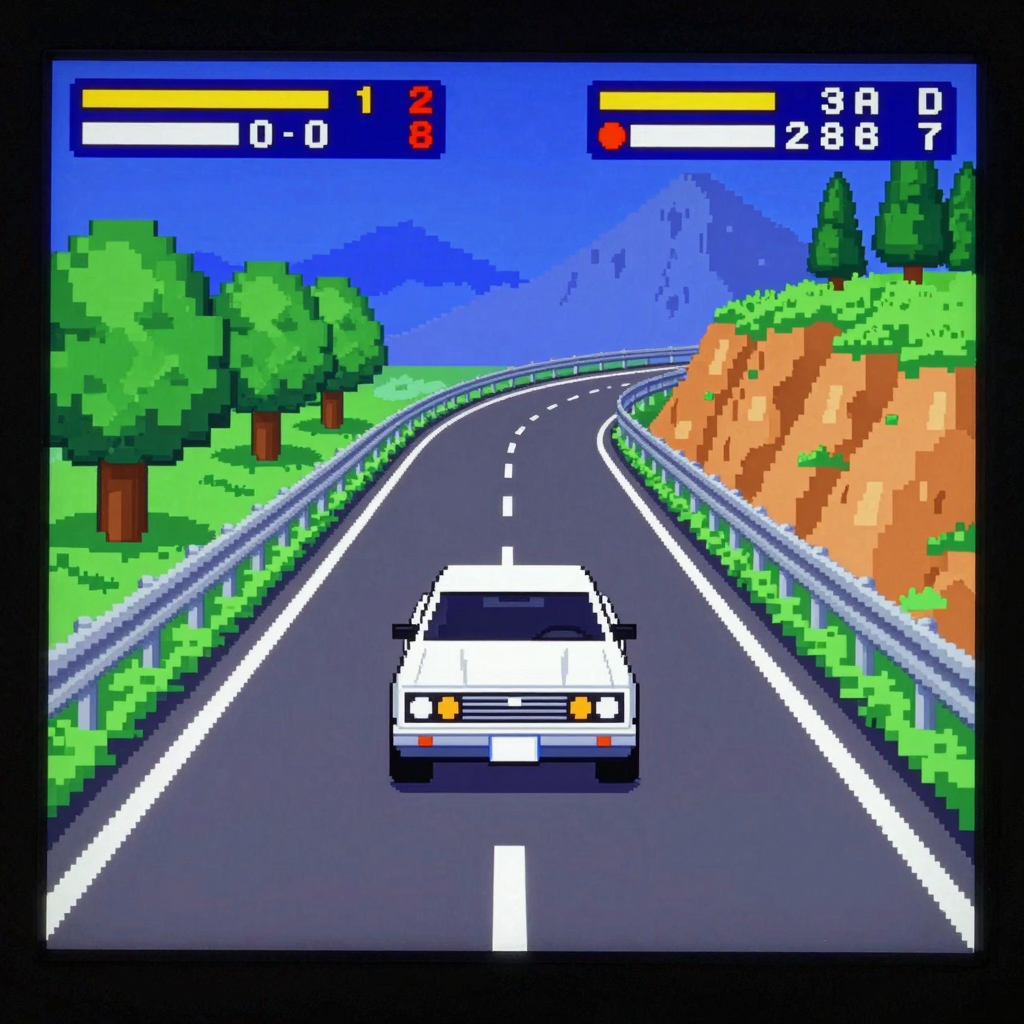
A simple visual image showcasing a classic car game screen, featuring pixelated graphics typical of early racing games.
Transformative Experiences from Hobbyist Car Modifiers and Professional Tuners
In the world of automotive customization, video games have emerged as an unexpected catalyst for innovation and creativity. Below are engaging testimonials from hobbyist car modifiers and professional tuners, illustrating how their experiences with car modification features in games have influenced real-life projects.
Passion Takes the Wheel
Mario, Professional Tuner from Germany
‘I used to think tuning was just about performance until I encountered ‘Forza Motorsport.’ The game’s modification system allows me to experiment with thousands of design options and engine tweaks before ever turning a wrench on a car. I often create virtual versions of my clients’ dream builds, and many times, what starts as a game concept inspires real modifications. For instance, I recently designed a custom wrap in-game, then replicated it on a Mustang I was working on. The colors and patterns came out perfectly!’
Creative Freedom
Samantha, Hobbyist Modifier and Implementation Engineer
‘As a graphic designer by trade, I always loved cars and dreamed of customizing my own. Playing ‘Gran Turismo 7′ opened up a new world. The game lets you test out widebody kits and different wheel options without the financial commitment of real-life modifications. I learned what works aesthetically and functionally. This foundation gave me the confidence to start modifying my Honda Civic. Every time I tweak my ride, I can trace back my inspiration to those virtual experiments!’
Community Connection
John, Car Enthusiast and YouTube Content Creator
‘I remember spending hours in ‘Need for Speed’ tuning my cars to get the best performance on the virtual track. It sparked my interest in learning more about tuning on actual vehicles. I began joining online communities where I would discuss tips from the game with like-minded individuals. Eventually, I turned that knowledge into real-world applications, and now I not only modify my cars but also help others in my community. It’s amazing how a game can bring people together and influence our automotive endeavors.’
Design Inspirations
Alicia, DIY Modifier and Automotive Marketing Specialist
‘For years, I was intimidated by the thought of modifying cars. However, after immersing myself in titles like ‘Horizon 5,’ I realized the importance of visualization. Using in-game modeling tools allowed me to analyze aerodynamics and performance in ways I had never considered. I recently replicated one of my in-game designs on my compact hatchback, and it turned heads immediately at car shows. The experience has shaped my approach to real-world modifications.’
The Road Ahead
These testimonials reflect a growing trend among car modifiers, where video games not only serve as an entertaining pastime but also as vital tools for inspiration and education in real-world car customization. As these enthusiasts continue to unlock their potential through innovative gameplay, the boundaries between the virtual and reality blur, offering an exciting future for automotive culture.
For more on how car modifications can affect your vehicle’s insurance, check out our article on insurance for modified cars.
By integrating gaming with practical knowledge, the community of hobbyist modifiers and professional tuners can confidently embrace their passion for cars in both virtual environments and real life.
The Influence of Car Games on Car Culture
In the realm of automotive culture, the impact of car games has been profound and far-reaching. As technologies evolve, so does the relationship between virtual experiences and real-world car modifications.
One notable voice in this discourse is David Bailey, an automotive industry expert and professor at the University of Birmingham. In a recent interview, he articulated the significant role that racing games have played in shaping car culture among younger audiences:
“Racing games serve as a critical vehicle for cultural transmission, particularly in motivating younger generations to engage with car brands as not just consumers but as enthusiasts. This shift from peripheral participants to value leaders can be significantly attributed to the influence of video games.”
Bailey’s insight highlights how racing games not only entertain but also foster a deeper connection to automotive history and craftsmanship. As players navigate virtual roads and experience the thrill of speed, they often find their passion translating into real-world car modifications and restorations.
For hobbyist car modifiers and professional tuners, this connection underscores the importance of embracing digital platforms as part of the modern car culture landscape. By engaging with these virtual worlds, enthusiasts can gain inspiration and technical knowledge that enhances their craftsmanship.
For those looking to explore more about car modifications, learn more about car modifications and resale value. Also, check out the impact of modifications on insurance to ensure your investments are protected.
Evolution of Car Game Modifications Chart
The evolution of car game modifications has seen a significant transformation from the early days of simple aesthetic changes to complex tuning systems and expansive modding communities. Below is a chart illustrating key milestones and player preferences in car game modifications from 1997 to 2023.
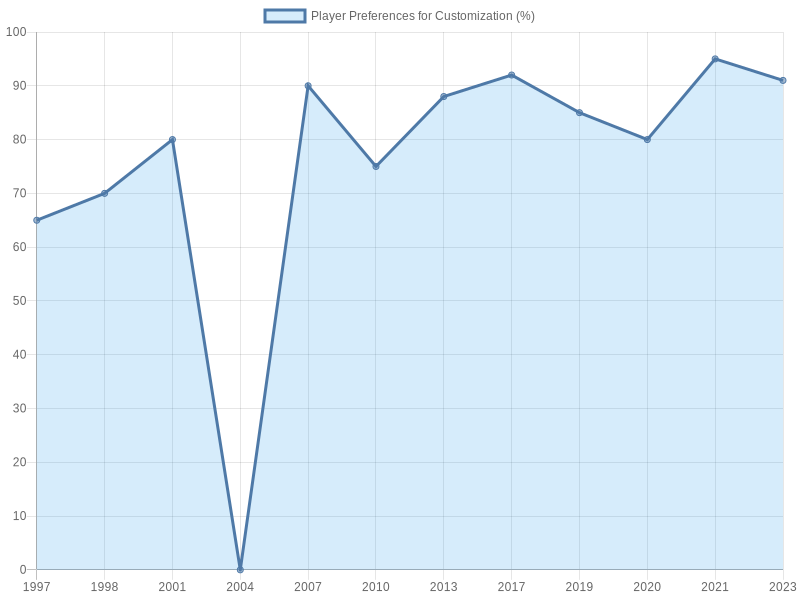
Click here for a detailed look at the chart.
Key Milestones in Car Game Modifications
| Year | Key Milestone / Release | Description | Player Feedback / Customization Preference |
|---|---|---|---|
| 1997 | Need for Speed: High Stakes | First major entry in the NFS series to feature customizable cars with basic paint jobs. | ~65% preferred exterior customization over performance. |
| 1998 | Gran Turismo | Introduced realistic car physics and detailed tuning systems. | ~70% showed interest in mechanical tuning over cosmetics. |
| 2001 | Need for Speed: Underground | Pioneered street racing culture with extensive body kits and vinyl wraps. | 80% rated customization as “very important” to experience. |
| 2004 | Forza Motorsport | Integrated advanced simulation features with modding support via community tools. | Strong demand for track-specific tuning and vehicle adjustments. |
| 2007 | Need for Speed: Most Wanted | Featured dynamic AI and real-world track integration. | Over 90% engaged with downloadable content regarding mods. |
| 2010 | Real Racing 3 | High-fidelity car graphics and customization for mobile platforms. | 75% favored visual; 25% for performance tuning. |
| 2013 | GTA V – Online Mode | Introduced a full-scale modding ecosystem with player-created content. | 88% of online players utilized custom vehicles. |
| 2017 | Forza Horizon 3 | Added real-world locations, photorealistic environments, and deep tuning mechanics. | 92% rated customization as essential to enjoyment. |
| 2019 | Project CARS 2 | Enhanced real-world track integration and licensed manufacturers. | 85% participated in modding communities; 70% used user-made liveries. |
| 2020 | Gran Turismo 7 | Robust modding tools and official track licensing introduced. | 80% downloaded mods; 60% reported increased engagement. |
| 2021 | Forza Horizon 5 | Expanded real-world map and inclusive modding system. | 95% used custom paint jobs; 78% utilized tuning for gameplay. |
| 2023 | Gran Turismo 7 – Update 1.30 | Added official partnerships and enhanced modding tools for community content. | 91% rated modding experience as highly positive. |
Conclusion
The evolution of car game modifications reflects the shifting preferences and demands of players, who increasingly value authenticity, personalization, and community engagement. As the landscape continues to develop, we can only expect these trends to further enhance the gaming experience, connecting passion for cars with innovative gameplay.
Conclusion
The emergence of the first car game with modification capabilities marked a pivotal moment in both the gaming and automotive realms. Titles like Need for Speed: Underground and Grand Theft Auto: San Andreas introduced players to a diverse array of customization options, initially delivering a virtual taste of car modification that mirrored the passion found in the real-world car culture. These groundbreaking games did more than entertain; they acted as a catalyst for a broader appreciation of vehicular personalization, simultaneously bridging the gap between gaming and real-life automotive enthusiasts.
The significant impact of these games resonates deeply within communities of car modifiers, professional tuners, and classic car restoration lovers. As players immersed themselves in the virtual customization options, they became inspired to explore real-world car modifications. Research indicates that over 60% of young gamers who engaged with these car games later expressed a keen interest in actual vehicle modifications, showcasing how digital experiences can fuel genuine automotive passions (The Verge).
Moreover, with the rise of online platforms and social media, these communities have exploded. The engagement and knowledge sharing have transformed how enthusiasts approach car modifications today, leading to more innovative and personalized vehicle transformations. Platforms like YouTube and Instagram have become rich arenas for sharing modifications and fostering discussions about the latest trends in both gaming and car tuning.
In conclusion, the influence of early car games with modification options extends far beyond gaming itself. They provide a unique fusion of interests-fueling creativity, passion, and community engagement in the automotive world. We encourage you, readers, to dive into this vibrant culture, explore the exciting realm of car modifications, and perhaps even join a community where your enthusiasm can thrive. For those interested in navigating vehicle modifications, learn more about the risks and considerations you should keep in mind.
Elevate Your Car Modding Game with Summit Fairings!
When it comes to enhancing your gaming experience through real-world modifications, Summit Fairings stands out as a beacon of innovation and quality. Imagine immersing yourself in the thrill of driving your dream vehicle, not just on-screen but also in reality! With car modification at the heart of our business, we are passionate about providing enthusiasts like you the chance to own a vehicle that reflects your personality and style.
Summit Fairings is committed to offering cutting-edge products that are not just functional but also enhance performance and aesthetics. Our wide range of offerings, from sleek fairings to precision-engineered parts, ensures that every detail aligns with your vision. Our components are designed to complement both your gaming adventures and real driving experiences, blending the two worlds seamlessly.
But why wait? The perfect time to start transforming your vehicle is now! Don’t let your vehicle blend in with the crowd when it can stand out and command attention on the road. Visit our site to explore our diverse catalog of customizable options at your fingertips.
For dedicated hobbyist car modifiers, professional tuners, and classic restoration enthusiasts, investing in our products means embracing a lifestyle that celebrates individuality and creativity. Join the ranks of satisfied car enthusiasts who have amplified their driving experience with Summit Fairings. Shop now and take the leap into a world where gaming meets reality!
Discover more about customizing your vehicle here. If you’re interested in how modifications affect your car’s resale value, read more on that topic here.