
For car enthusiasts, the urge to personalize and enhance vehicles drives the modification process. However, a key consideration often overlooked is the legal obligation to declare these modifications. This guide unpacks the necessity of declaring car modifications, emphasizing the importance of understanding various legal frameworks, safety implications, insurance concerns, emissions regulations, and regional variations. Each chapter will serve as a comprehensive resource, ensuring both hobbyists and professionals articulate their modifications transparently and legally.
Declaration Dilemmas: Navigating When and What Car Modifications Must Be Reported
Understanding when you must declare car modifications hinges on safety, emissions, and how far a change affects the vehicle’s original type approval. In the UK, the DVSA and the broader regulatory framework draw a clear line between cosmetic tweaks and alterations that change how a car is classified, performs, or complies with environmental standards. If a modification preserves the baseline safety and emissions certification, it may sit in a gray area and not require formal notification. If, however, a change moves the vehicle into a different category or alters essential characteristics, you are typically expected to notify authorities or seek approval before use on the road.
Engine swaps, exhaust and emissions-related tweaks, or changes that increase power or alter torque can push a car into a new regulatory envelope. Likewise, structural alterations affecting chassis integrity or suspension geometry can trigger reporting or recertification requirements. Even changes that seem cosmetic can raise compliance questions if they affect visibility, detection by other road users, or safety-critical components. The key question is: does the modification affect safety, emissions, or the fundamental type approval? If the answer is yes, disclosure and often formal approval are the prudent course of action.
Penalties for getting this wrong are real. Unreported but significant modifications can lead to fines, penalty points, or more serious consequences if an accident occurs and the vehicle is deemed non-compliant. Insurance implications are also important: many policies require disclosure of changes that affect performance, safety, or risk, and failure to do so can jeopardize a claim. Therefore, when in doubt, check official guidance, document what has changed, and seek advice early in the modification process.
For readers seeking targeted guidance, the UK government publishes clear information on which modifications must be reported and how to apply for approval when needed. It is the most reliable source for understanding your legal duties and the steps to take to stay compliant: https://www.gov.uk/government/publications/vehicle-modifications-and-legal-requirements. Remember that rules vary by jurisdiction; when crossing borders, always review local requirements, since some places require disclosure during inspections or registrations, especially for changes that affect emissions or safety.
null
null
Declaring Modifications: Why You Must Tell Your Insurer About Car Upgrades
Modifications to a car are common, from subtle upgrades to dramatic transformations. When you change how a vehicle performs, handles, or meets emissions standards, you enter a zone where insurance terms, legal requirements, and practical risks intersect. Disclosure is not a mere formality; it is a core element that protects your coverage, supports accurate pricing, and helps ensure your claim is processed smoothly. By informing your insurer about changes, you create a clear and shared understanding of the risk you carry.
Insurance is built on risk assessment. Modifications can alter acceleration, braking distances, handling, and even maintenance needs. Some changes may require endorsements or rider coverage. If you fail to disclose, a policy may be void or voidable at claim time, leaving you exposed to repair costs and liability.
Practical steps include: keep a detailed inventory, gather documentation such as receipts and photos, and request written confirmation from your insurer. Contact your insurer proactively to discuss how each modification will be treated under the policy, and be prepared for premium adjustments, endorsements, or specialized coverage. If you have a lender or lease, coordinate with them as well to ensure any finance-related requirements are met before you alter the vehicle.
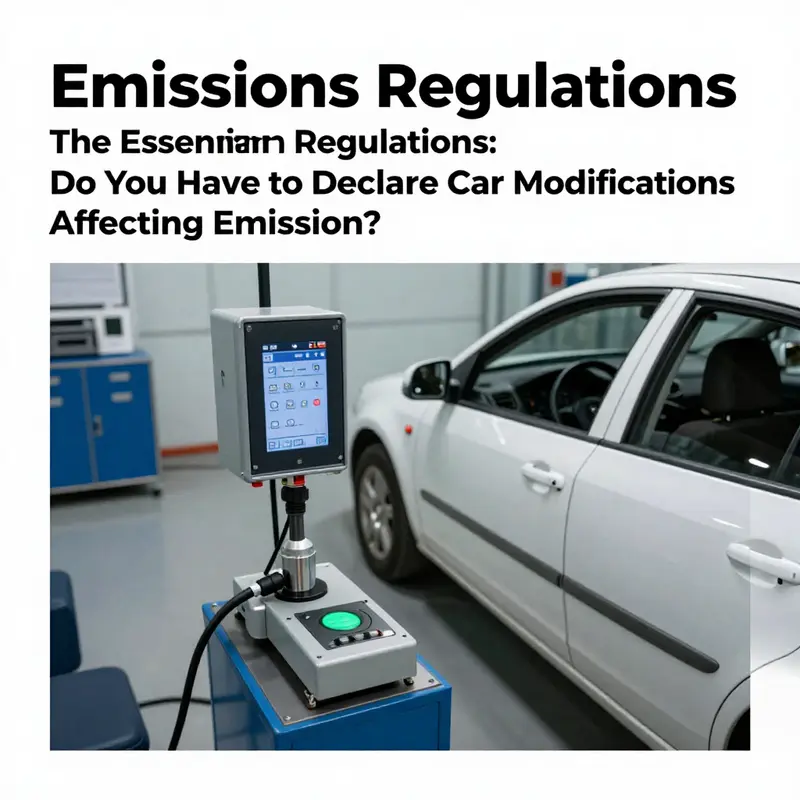
In many markets, regulatory or inspection requirements exist for certain modifications. Check local guidance and ensure any changes comply with safety, emissions, or registration rules. Staying informed helps avoid later disputes or coverage gaps if an incident occurs.
Bottom line: disclosure creates a truthful risk picture, helps align coverage with reality, and reduces the risk of claim disputes. Treat modifications as part of a long-term contract with your insurer, not a one-off change.
null
null
Declaring the Drive: Navigating Car Modifications and the Hidden Rules That Keep Your Registration and Insurance Safe
Modifying a car is a passion that can sharpen the relationship you have with your vehicle, but it also tugs at the threads of a regulatory fabric designed to keep roads safe and emissions in check. The core question many drivers ask is not whether a modification is possible, but whether it must be declared at all. The honest answer is that, in most jurisdictions, the threshold for declaration sits at the point where a change could affect safety, emissions, or the legal classification of the vehicle. Failing to declare such modifications can lead to fines, complications with insurance, or even the invalidation of the vehicle’s registration. This is not an abstract risk; it is a practical reality that sits at the intersection of engineering, law, and everyday driving. For a hobby that can be as technical as it is aesthetic, the rules serve as a map: they tell you where freedom ends and compliance begins, not to stifle creativity but to preserve a shared standard of safety and accountability on the road.
The landscape is not uniform, and that is part of the challenge. In the United Kingdom, the governing framework is specific about what must be declared and to whom. The DVSA requires that any modification affecting a vehicle’s safety, performance, or emissions be declared. This can cover a broad array of changes, from engine tweaks to suspension swaps or exhaust alterations. The translation of those changes into a declaration can vary in practice: some modifications trigger a straightforward notification, while others may demand an MOT test revision or even a formal approval process before the modified vehicle is considered roadworthy again. The implication is clear: keep the authorities informed when you pursue upgrades that alter how the car behaves, sounds, or breathes.
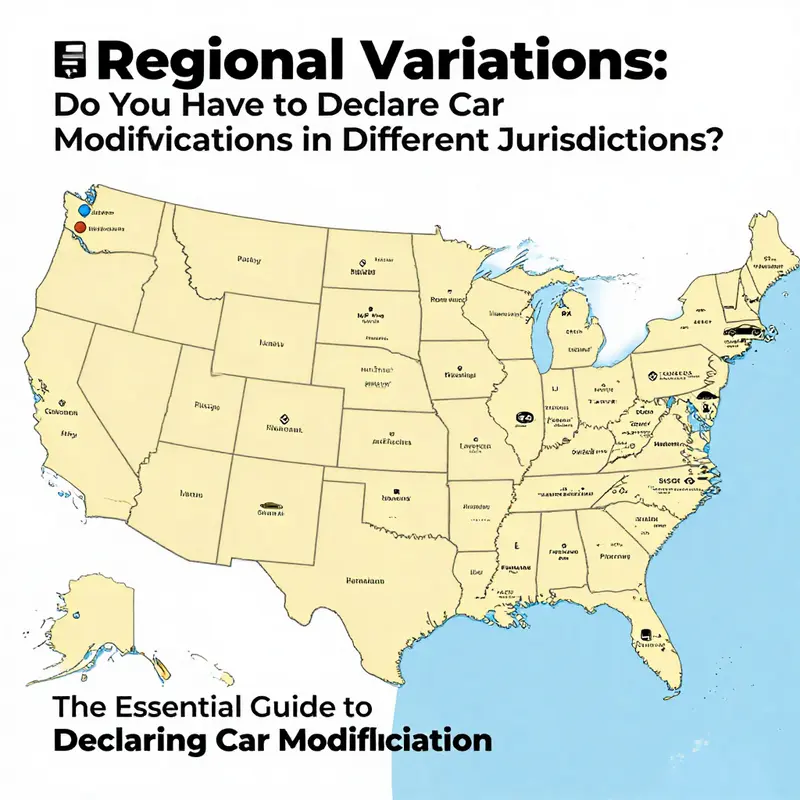
Across the Atlantic, the United States presents a different but equally consequential set of considerations. Federal law often approves a wide range of modifications, yet the state level retains the real power to regulate what can be registered, inspected, or driven on public roads. Some states require disclosure when you register a modified vehicle or when it undergoes annual or periodic inspections. In states with stringent emissions standards, such as California, modifications that could raise emissions beyond permitted levels may require certification or even prohibition unless proper testing and documentation are completed beforehand. The diversity of state rules means that a modification legal in one corner of the country might not pass muster in another, underscoring the necessity of checking with the local DMV or equivalent authority for precise obligations.
Canada offers a parallel caution. Provinces like Ontario and British Columbia impose reporting requirements for major modifications, particularly those that affect emissions and structural integrity. The intent is similar to that in other regions: to ensure that safety features, crashworthiness, and environmental performance stay aligned with accepted standards. Even when a modification seems straightforward, such as tweaking a suspension or adjusting a steering component, the regulatory ladder may require notification and, in some cases, proof that the modification has been installed by a qualified technician and tested for compliance. The broader message is consistent: upgrades do not automatically exempt a vehicle from scrutiny; they can, in fact, introduce new obligations.
The European Union operates under a framework built on type-approval and conformity with original certification. Here, the bar is especially high for anything that alters the fundamental certification of the vehicle. If a modification changes the vehicle’s certified characteristics—whether safety-related, performance-related, or emission-related—it typically must be declared and often re-approved by the competent authority. The EU model emphasizes traceability and accountability, ensuring that every change can be tracked back to a standard that keeps the fleet coherent from one member state to another. It is a reminder that globalization of markets does not erase the local duty to demonstrate continued compliance.
What these regional portraits reveal is a single, practical truth: compliance is not a one-time event but an ongoing process. A modification that complies in one jurisdiction can become a compliance headache in another, and even within a single country there can be layers of notification, inspection, and certification. The variations are not merely bureaucratic friction; they reflect different public policy priorities—safety, environmental protection, and consumer protection—and the ways governments translate those priorities into road rules. The practical implication for drivers is straightforward: the best course is proactive due diligence. Before you buy, install, or even remove a modification, have a clear, current picture of your local requirements and the exact process needed to stay on the right side of the law.
To navigate safely, begin with a rigorous, verifiable checklist that covers the modification’s purpose, its technical specifications, and the process by which it will be declared. This includes identifying whether the change touches safety systems such as braking, steering, or crash protection; whether it alters performance parameters that feed into an emissions test or regulatory standard; or whether it changes the vehicle’s physical dimensions, which in turn can affect registration and insurance classifications. Documentation matters: keep receipts, fitment certificates, and professional installation reports. Where required, obtain official test results or certification that the modification meets applicable standards. A consistent paper trail not only smooths the declaration process but also strengthens your position should disputes arise with authorities or insurers later on.
In terms of the practical journey from planning to declaration, it helps to map out the most likely touchpoints in your jurisdiction. In the UK, for example, you should anticipate whether an alteration will demand notification to the DVLA or if it will stay within the MOT framework. In other regions, you may encounter a portfolio of inspections, registrations, or re-certifications that require you to present evidence of compliance, sometimes at multiple stages of the vehicle’s life. The common thread is clarity and timing: declare early, and keep the authorities informed as you progress from design to installation to inspection. Rushing to install an upgrade without confirming the declaration pathway can lead to a mismatch between what the car is allowed to do and what it actually does on the road, a mismatch that is exactly what authorities look to prevent through enforcement.
The interplay between modification, declaration, and insurance is a frequent concern for drivers who want to avoid unintended consequences. Insurance is not merely a risk premium; it is a contract that relies on the car’s declared characteristics. When a modification affects safety, performance, or emissions, insurers will want to know. Some drivers discover that a modification they believed to be harmless triggers a material change in policy terms, premiums, or even coverage eligibility. That is why understanding the insurance implications is part of the declaration process itself. For a clear, practical exploration of how modifications intersect with insurance, see this discussion: What modifications affect car insurance. The source provides a grounded perspective on how changes influence risk assessment, premium calculation, and claim handling, reinforcing the idea that declaration is not just a bureaucratic hurdle but a prosaic necessity for maintaining coverage and protection.
Despite the importance of declaring modifications, there are consequences to non‑compliance that extend beyond fines. When a vehicle is found to be non-compliant, authorities may require adjustments, revert the vehicle to its original specification, or suspend its registration until necessary paperwork is completed. In the worst cases, a non-declaration can lead to insurance disputes or even the nullification of the vehicle’s registration, effectively rendering the car unroadworthy in the eyes of law enforcement and the insurer. That is why the decision to modify should be matched by a parallel decision to declare, document, and verify. The process might involve visits to testing centers, submission of documentation, or the appointment of specialists to confirm that the installation meets the applicable standards. The aim is not punitive control but the assurance that a vehicle on the road continues to meet essential safety and environmental benchmarks.
A further consideration is the impact of declarations on the vehicle’s resale value and market appeal. Some buyers look for cars whose modifications have been properly documented and declared, seeing a transparent modification history as a sign of responsible stewardship. Others may worry about maintenance complexity or the potential for unseen compliance issues, particularly if documentation is incomplete or contested. In any case, the key is to keep records that make the vehicle’s modification story legible to potential buyers, insurers, and authorities alike. A well-documented modification pathway can minimize friction when it comes to inspection, registration renewal, and even transfer of ownership. The reverse is equally true: a lack of clear documentation can complicate warranties, resale negotiations, and post-sale liability questions.
In sum, declaring car modifications is not about policing taste or curbing ambition; it is about preserving a shared standard of roadworthiness and accountability. The across‑the‑board message is that any change with potential safety, emissions, or legal classification impact deserves transparent treatment with the responsible authorities. The precise steps, forms, and tests you face will depend on where you live, but the principle remains the same: plan, document, and declare, rather than assume. If you approach upgrades with this mindset, you align your passion for customization with the practical realities of vehicle operation, ensuring that your drive remains both exhilarating and compliant.
External resource: Official guidance from the UK government on car modifications and MOT can be found here: https://www.gov.uk/guidance/car-modifications-and-mot
Final thoughts
Declaring car modifications is not merely a formality; it is a crucial step in ensuring safety, legality, and compliance with insurance demands. By understanding the legal landscape, assessing safety implications, considering insurance coverage, addressing emissions regulations, and recognizing regional differences, car enthusiasts can enjoy their modifications without the worry of legal repercussions. Taking these steps not only protects the car owner but also contributes to a safer and more responsible automotive community.