

Car modifications are a hallmark of automotive passion, reflecting individual preferences and driving experiences. However, a persistent debate looms over whether these enhancements ultimately diminish a vehicle’s value. This exploration dives into modifications’ complex relationship with car value, revealing how market trends, consumer preferences, and the perception of collectible and performance vehicles can either bolster or diminish worth. As we journey through this landscape, we’ll uncover not just general trends surrounding car modifications, but also insights into the shifting perspectives in the collectible market, the distinction between performance and aesthetic upgrades, and how consumer demand shapes value perceptions in today’s automotive world.
Modifications and Value: Reading Market Signals in the Aftermarket Era
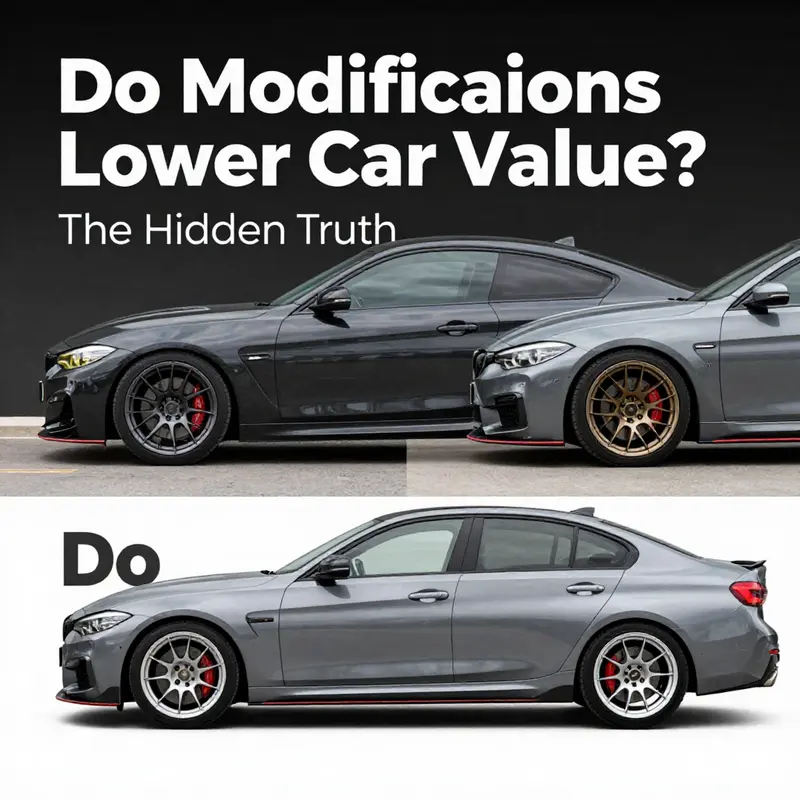
Modifications are a staple of modern car culture. They reflect an owner’s priorities, whether that means carving out a sharper edge for track days, personalizing aesthetics, or simply chasing a longer list of features. Yet the market’s reaction to those changes is not uniform. Most modifications, especially those done without a clear plan or quality parts, tend to dampen resale value. Buyers who want a device that feels like a factory product, a sense of reliability, and long term maintenance predictability often prefer near official configurations. The net effect is a balance: modifications can hurt broad appeal, but they can also unlock value for a specific audience that values performance, rarity, or documented engineering success. Understanding this balance requires looking beyond the gloss of customization and toward how a modification affects reliability, compatibility, and the trust a future buyer places in the car.
The heart of the issue lies in deviation from the original manufacturer specifications. Cars are designed as integrated systems, with electronics, powertrains, suspension, braking, and safety features tuned to work together. When a third party modifies one element, it can create ripple effects across other systems. A performance tune, for example, may improve horsepower but can also alter fuel maps, transmission behavior, or turbocharger reliability. It can interfere with diagnostic routines, limit warranty eligibility, or complicate routine maintenance if a mechanic has to contend with non standard software or hardware. Even seemingly small cosmetic changes can have outsized consequences because they raise questions about long term durability and the consistency of the service history. A mismatched wheel and tire combination might improve stance in photos but introduce handling quirks or accelerated wear in daily driving. Each of these concerns compounds the risk perception that buyers and appraisers carry into the marketplace, and risk is a powerful force in resale valuations.
A useful way to think about modification value is to separate changes by intent and execution. On one axis lies intent: are the alterations aimed at improving the vehicle’s core functionality and reliability, or are they primarily aesthetic or opportunistic? On the other axis lies execution: are the parts high quality and installed with professional care, or are they crude, poorly matched to the car, and difficult to reverse? When modifications land in the upper-right quadrant—deliberate, high quality, durable, and well documented—they can attract a niche buyer who understands the platform and seeks a proven upgrade path. The market for this combination exists, but it is narrow. For the broad audience, however, most changes fall into the lower-left or lower-middle areas, where the average buyer worries about warranties, maintenance costs, and the risk of hidden issues.
The type of modification matters as well. Cosmetic tweaks like paint, decals, aftermarket wheels, or body kits often have a reputation for reducing value. They are highly visible, frequently non-reversible, and can clash with the vehicle’s original design cues. Aesthetic changes can also complicate the ownership narrative during resale, as future buyers may worry about the intent of the previous owner and question what else might have been altered. In contrast, mechanical or performance modifications can be a double edged sword. If the parts are reputable, properly installed, and accompanied by thorough documentation of calibration and testing, they can appeal to enthusiasts who value performance and engineering artistry. But even here, the acceptance window is narrow: the modification must align with the car’s character and be designed to endure, not merely to impress.
Market data helps clarify the general trend. A 2023 Edmunds report found that vehicles with extensive aftermarket modifications sold for an average of about 15 percent less than comparable unmodified models. The discount was particularly pronounced when modifications were not easily reversible or did not align with the vehicle’s original purpose—for example, off road tires on a luxury sedan. This statistic captures a broader sentiment in many markets: buyers want predictability, standardization, and the assurance that the car can be serviced without specialized, hard to source parts. When the modifications introduce incompatible systems or demand bespoke maintenance, the buyer pool shrinks and the perceived risk rises. The price penalty, though real, is not absolute. It does not erase the value entirely; it shifts which buyer segments are most likely to pay a premium and which are more cautious about risk.
Buyer preferences reinforce this dynamic. The used car market often prizes vehicles in as-new condition, meaning they have not strayed far from factory specifications. Standardization is valued for transparency and ease of service. In many markets, buyers equate customization with potential trouble, unavailability of a straightforward service history, and the prospect of higher ownership costs. Even when the modifications are impeccably done, the perception of nonstandard configuration can limit the number of buyers who are willing to pay a premium. A robust service history, verifiable parts provenance, and a clean, documented modification trail can soften or even reverse this effect for targeted buyers. In other words, the key to preserving value is making the modification story legible and credible, not merely visible and loud.
There are notable exceptions that illustrate how value can rise with the right kind of modification. In the world of high performance or rare models, a limited set of upgrades that are evidence based and well supported by data can elevate value. For a certain iconic platform, a track focused build with a documented evolution of parts and tuning can be perceived as an extension of the car’s original purpose. This transformation can even deliver a premium relative to a stock example, provided the modifications are reversible, thoroughly documented, and proven to enhance the car’s performance envelope without compromising safety or reliability. Those success stories typically share several critical factors: the platform itself must have clear tuning potential, the parts must be recognized by knowledgeable buyers, and the owner must present a transparent maintenance log demonstrating sustained reliability on the track and on the street. A well documented case shows the market that the car is not a modified one off with uncertain longevity, but a thoughtfully engineered vehicle with a track record of durability.
Markets outside the traditional confine of mass consumer tastes are witnessing similar shifts. In the broader consumer psyche, there is a growing emphasis on substance over price. Shoppers increasingly seek real world performance, comfort, and long term reliability rather than vanity metrics or flashier branding. This trend appears in how buyers value interior features, ride quality, and the overall experience of ownership. Features like zero gravity seating and adaptive air suspension—once the province of top tier options—signal a broader willingness to pay for refined comfort and a superior driving experience. When a model line starts to offer these tangible luxuries in a way that improves daily life, it can become more, not less, desirable in the used market. The lesson for modifiers is clear: align modifications with experiences that buyers actually crave, and ensure those experiences endure beyond the showroom or the first few miles of ownership.
How should a prospective modifier navigate this landscape to protect or even enhance resale value? First, think about intent and lifespan. If the goal is to maximize enjoyment while preserving the car’s future value, choose upgrades that are high quality, reversible, and well documented. Seek parts with solid warranties and reputable install channels. Second, maintain an exhaustive paper trail. Receipts, professional installation notes, dyno charts, and periodic service records that show the modifications did not erode reliability are invaluable. Third, consider modularity. Some alterations can be swapped back to stock without major cost or risk, making the vehicle more attractive to a wider audience in the future. Fourth, tell a coherent story. The history file should explain why each modification was chosen, how it complements the car’s design, and how it contributes to safety, efficiency, or performance. A clear narrative helps potential buyers understand the value and rationale behind the changes rather than simply perceiving them as a random deviation from factory intent. Finally, be mindful of warranty implications and insurance considerations. Some modifications can void warranties or complicate coverage, which in turn affects resale appeal. A careful, transparent approach to these facets helps preserve buyer confidence and reduces perceived risk.
For readers weighing the decision to modify, anchor expectations in market realities while keeping an eye on personal goals. If your intent is to enjoy the car in new ways and you are unlikely to sell soon, a carefully chosen, reputable upgrade path can be satisfying without harming long term value. If you expect to move the car relatively quickly or seek maximum resale potential, you may want to limit modifications to reversible, high quality components or postpone them altogether. In either case, research is essential. Local market norms, collector sensibilities, and dealer perspectives on modified vehicles vary. A practical approach is to speak with specialists who understand the platform’s tuning potential and to study recent sale data for similarly configured cars in your area. The goal is to align modifications with what the future buyer segment is most likely to value, rather than chasing a trend that may fall flat on the resale lot.
As you weigh options, consider the broader message the market sends. Modifications do not exist in a vacuum; they interact with maintenance ecosystems, service ecosystems, and the expectations that define quality in the consumer psyche. The most enduring upgrades are those that are technically sound, transparently documented, and economically sensible within the realities of ownership costs. The chapter you are reading invites reflection on your own vehicle’s story and how a modification journey could either complicate or clarify that story for future buyers. For a practical perspective on how modifications affect resale value and to compare your approach with a framework that many buyers and appraisers use, you can explore resources that synthesize market behavior with the engineering realities of aftermarket parts. This helps keep expectations grounded while still honoring the passion that drives car enthusiasts to customize. If you are considering modifications and want a concise guide to how your choices might impact resale, you can consult a comprehensive resource that discusses the interplay of aftermarket work and value. This link provides a structured view of common pitfalls and best practices that help preserve value or—even in some cases—create value for the right buyer segment. Keep in mind that the broader market rewards credibility and reliability as much as it does novelty and speed. By balancing ambition with prudence, a modification project can become a meaningful part of a car’s evolving story without compromising its future resale potential. And as markets continue to shift toward experiences and longevity, the most successful builds are those that endure beyond the moment of alteration, aligning the owner’s passion with a buyer’s confidence. External resource: Edmunds link at the end should be considered informative, not prescriptive.
Modifications and Value: How Customization Impacts Collectible Car Worth

Ask a room full of buyers whether modifications will raise or lower a car’s value, and you’ll hear a spectrum of opinions. The core principle is nuance: originality matters, but well documented, reversible upgrades can add value in the right market. A vehicle that remains faithful to factory specifications often commands a premium, while a misfit or undocumented change can complicate resale, insurance, and eligibility for certain exhibitions. The story is not simply about speed or flash; it is about provenance and the story a car tells.\n\nDocumentation is the key. When a build has receipts, part numbers, installation notes, and a clear build timeline, the modification can be defended as a credible chapter in the car’s life. Without that record, changes may look impulsive, making buyers nervous and lowering price. Reversibility matters too. If the owner can undo the changes without major expense, the car keeps options open for future restoration and re valuation.\n\nMarket reality is diverse. Some upgrades are welcomed as a logical extension of a model, especially when supported by durability data and a track oriented setup. When upgrades are well executed, well documented, and reversible, they can enhance a car’s narrative and attract a specific buyer base. In other cases, a high level of customization without credible provenance can depress value or limit the car’s appeal to a narrow audience.\n\nPractical steps for buyers and sellers. Start with intent: is the modification aimed at reliability, safety, or measurable performance? Next, assess permanence versus reversibility. A reversible modification preserves value if a future owner wants to return to stock. Build provenance with receipts, service records, and install notes. Finally, study the market climate and the model’s era. Some modifications align with a recognized tuning discipline and can command a premium, while others may be out of step and reduce value.\n\nFor those seeking guidance, reputable market sources and data driven reports can help. Look for fields such as originality, documentation, and the ability to revert. The overall message is that value is determined by how a car fits a collector or enthusiast’s story, not by speed alone. In the end, a well documented, thoughtfully engineered modification path can either preserve value or even enhance it when tailored to the car’s history and its future custodians.
Value on the Edge: How Modifications Influence Car Worth When Quality and Documentation Matter

The question of whether modifications affect a car’s value is not a simple yes-or-no verdict. It rests on engineering credibility, buyer psychology, and the economics of used-car markets. Modifications matter most when they are purposeful, well-executed, and properly documented. Where upgrades improve real-world driveability, reliability, and value proposition, they can lift resale price especially if the vehicle remains within its intended market segment.
By contrast, cosmetic or poorly executed modifications can shrink the buyer pool and depress value. Aesthetic changes that aren’t universally appealing or that complicate warranty, insurance, or maintenance can become a liability on the market. The net effect lies on a spectrum determined by quality, reversibility, and provenance.
To evaluate a modification’s impact, buyers and sellers often ask: Does the upgrade enhance daily usability? Is it backed by receipts, part numbers, installation notes, and performance data? Can the car be returned to stock without significant cost or risk? Is legality and emissions compliance ensured? And does the story tie into the car’s original identity rather than undermine it?
A track-oriented or performance-oriented modification installed by reputable technicians using quality parts can command a premium, provided it is documented and compatible with the vehicle’s architecture. The key levers are transparent records, predictable maintenance implications, and a narrative that links upgrades to safer, more reliable, and more capable driving. Reversibility matters: buyers may prefer options that allow easy reversion to stock state if needed.
In contrast, heavy cosmetic kits, nonstandard fabrication, or parts that introduce maintenance headaches tend to reduce value. Cars with aggressive visuals or nonresolvable ambiguity about warranty and insurance are harder to resell. Still, there are cases where tasteful, reversible upgrades such as improved braking, suspension, or insulation that does not alter the car’s silhouette can improve buyer perception and long-term ownership costs.
Finally, an important practical principle is to treat modifications as part of a long-term ownership narrative. Keep detailed invoices, component catalogs, and a clear maintenance history. Store stock parts for easy reversion. Ensure that modifications comply with local regulations and insurance requirements. When the modification story is coherent, supported by tangible data, and aligned with market preferences, it can be a net positive for resale value.
null
null
Final thoughts
As we navigate the intricate world of car modifications, it’s evident that the impact on value is not a one-size-fits-all verdict. While standard modifications might often lower vehicle worth, well-executed performance enhancements or unique aesthetic choices can significantly enhance it—particularly in the realm of collectible and high-performance cars. As consumer preferences continue to shift towards valuing driving experiences and personalization, the demand for more tailored automotive expressions will likely keep evolving. For hobbyists and professional tuners, understanding these nuanced dynamics becomes essential, not only for their projects but also for maximizing their investment in the automotive passion that fuels their creativity.