
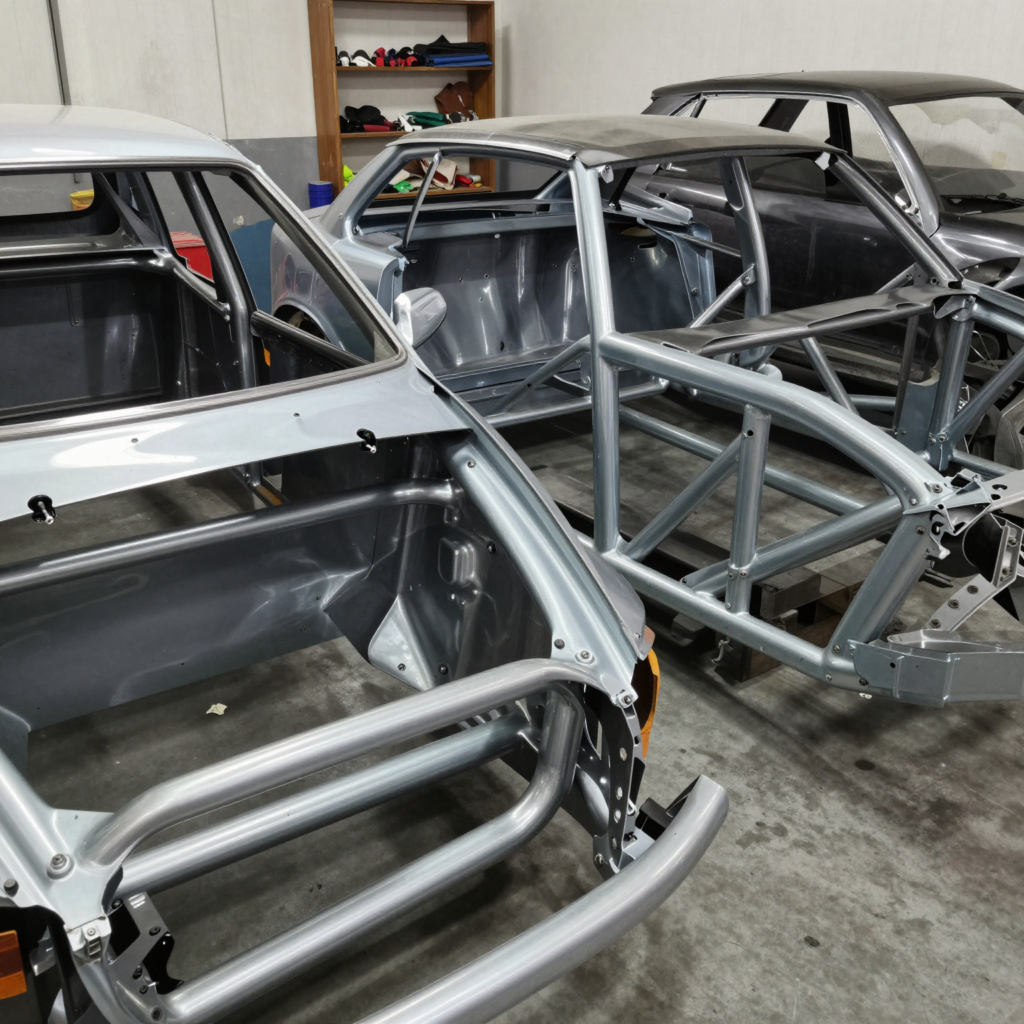
In the exhilarating world of car tuning and restoration, frame modifications stand as a crucial focal point for enthusiasts and professionals alike. These upgrades not only enhance a vehicle’s structural integrity but also play a significant role in improving performance, safety, and aesthetics. When it comes to passionate car modifiers and dedicated restoration professionals, understanding what qualifies as a frame modification is essential. This foundational knowledge can pave the way for transformative changes, allowing hobbyists to push boundaries and create personalized masterpieces. From reinforcing the chassis to altering dimensions for better handling, the potential for innovation is vast. Join us as we explore the intricacies of frame modifications, discussing their importance and how they can elevate your car tuning projects to new heights. For those interested in the implications these alterations have on resale value, learn more about the impact of car modifications.
Common Frame Modifications for Cars
Frame modifications are essential for car enthusiasts looking to enhance performance, safety, and aesthetics. Here’s a list of the most common modifications:
- Reinforced Frame Braces: Improve chassis rigidity and reduce flex during high-speed cornering, resulting in better handling and stability.
- Hydroformed Frames: Utilize high-pressure fluid to create lightweight yet strong components, enhancing safety through optimized energy absorption in collisions.
- Subframe Connectors: Connect different parts of the frame to reduce flex and increase structural integrity, ideal for sports and performance vehicles.
- Chassis Stiffening Kits: Enhance the stiffness of the frame, improving overall driving dynamics and responsiveness.
- Custom Rain Guards: While not direct frame mods, they support frame longevity by improving aerodynamics and reducing water intrusion.
These modifications not only enhance performance but also contribute to the vehicle’s overall appeal and longevity. Learn more about car modifications and resale value.
Legal Implications of Frame Modifications
When it comes to modifying the frame of a vehicle, enthusiasts and professionals alike must navigate a complex web of legal implications that can vary greatly by region. Engaging in frame modifications without understanding these implications can lead to serious consequences, both for the vehicle and the modifier.
United States
In the U.S., the National Highway Traffic Safety Administration (NHTSA) enforces strict regulations regarding frame modifications. Any alteration that changes the structural integrity of the vehicle must comply with the Federal Motor Vehicle Safety Standards (FMVSS). This includes ensuring that the modifications do not compromise the vehicle’s safety in the event of a crash. Unauthorized frame modifications can result in fines, loss of vehicle registration, or denial of insurance claims, especially if an accident occurs. Furthermore, any changes affecting emissions may require re-certification. For more details on modifying financed vehicles, check this guideline.
European Union
In the EU, frame modifications can be illegal without proper authorization, as stipulated by the European Commission. Any modification impacting the vehicle’s type approval status must undergo a formal homologation process. Failing this can lead to failed inspections in countries like Germany or Spain, resulting in legal penalties. Modifying frames beyond permitted limits is particularly risky; thus, it’s crucial to consult regulations before proceeding.
Australia
Australia’s vehicle modification laws fall under Australian Design Rules (ADRs), which outline safety and structural integrity requirements. Alterations that change the original design necessitate compliance with these standards, otherwise, vehicles may not pass mandatory inspections, leading to deregistration, fines, and even criminal repercussions in public safety cases.
Japan
Japan enforces even stricter regulations through its Ministry of Land, Infrastructure, Transport and Tourism (MLIT). Frame modifications must be certified and properly documented. Unauthorized changes can invalidate insurance and may attract legal action under the Road Vehicle Act. Vehicles altered in any way must undergo a full re-inspection to be legally driven on public roads.
It’s evident that whether you are a hobbyist or a professional, complying with legal standards when modifying car frames is paramount. Not only does it ensure personal safety, but it also helps maintain the vehicle’s legality on public roads. It’s advisable to consult with legal experts and stay informed about local regulations to avoid complications. The joy of modifying vehicles should not come at the cost of legal repercussions; hence, understanding vehicle modification laws is essential for every car enthusiast.

Comparing Frame Materials for Cars
When it comes to modifying vehicle frames, choosing the right material is crucial. Let’s delve into a comparison of various frame materials used in automotive modifications. Here’s a concise table highlighting their key characteristics:
| Material | Weight (kg) | Strength (N/mm²) | Cost (per kg) | Suitability for Vehicles |
|---|---|---|---|---|
| High-Strength Steel | 500 | 300-600 | $2-3 | Most vehicles, excellent crash safety |
| Aluminum Alloys | 300 | 200-400 | $4-5 | Performance cars, light trucks |
| Magnesium Alloys | 200 | 300-500 | $8-10 | High-performance and sports cars |
| Carbon Fiber Composites | 150 | 600-1000 | $150-300 | Luxury and high-performance vehicles |
Insights on Frame Materials
- High-Strength Steel: Known for its excellent strength-to-weight ratio, high-strength steel is also cost-effective, making it suitable for most vehicles due to its crashworthiness.
- Aluminum Alloys: Providing significant weight savings (up to 50%), aluminum is preferred in performance vehicles but comes at a higher cost and manufacturing complexity.
- Magnesium Alloys: With the best strength-to-weight ratio, magnesium frames are ideal for high-performance applications. However, they are costlier and have limited applications due to their susceptibility to creep.
- Carbon Fiber Composites: The ultimate choice for luxury and high-end sports cars, carbon fiber is lightweight and incredibly strong but carries the downside of high production and repair costs.
For further insights on how vehicle modifications affect costs and resale value, check out our articles on car modifications and resale value and modifying financed vehicles.
Visual Guide
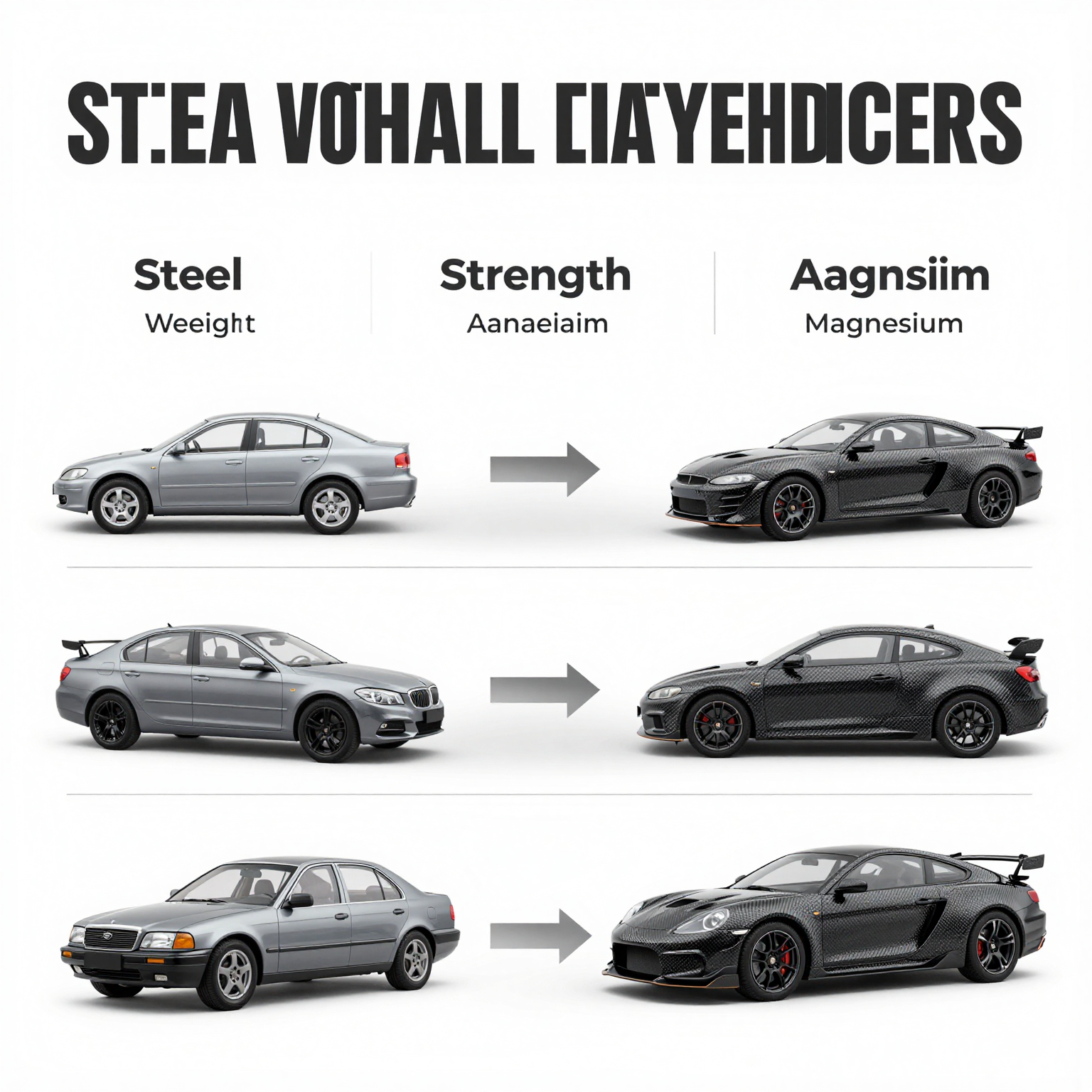
This infographic provides a visual summary of the comparison among different frame materials for automotive applications.
Essential Tools Required for Frame Modifications
Whether you are a seasoned professional or a passionate amateur ready to dive into car modifications, having the right tools is essential for ensuring safety, precision, and effectiveness. Frame modifications can enhance performance, improve aesthetics, or repair damage, but they require specific equipment to execute properly. Here, we break down the essential tools every modifier should have on hand.
1. Welding Equipment
A high-quality welder is paramount. Depending on your experience and the type of modifications you’re undertaking, choose either:
- MIG Welder: Ideal for beginners, offering ease of use and versatility.
- TIG Welder: Suitable for more precise welding, especially when working with thin metals such as frame rails.
2. Frame Stand and Jigs
Using a solid frame stand or jig is crucial for maintaining stability during the modification process. This prevents distortion and helps you keep the chassis aligned correctly throughout your work.
3. Cutting Tools
Precision is key in frame modifications. Equip yourself with:
- Angle Grinder: For cutting and shaping metal components.
- Plasma Cutter: Offers a cleaner, more precise cut and is excellent for removing damaged sections of the frame quickly.
4. Measuring Tools
Accurate measurements can make or break a project. Essential tools include:
- Laser Levels: To ensure everything stays level and aligned.
- Digital Calipers: For precision measuring of frame parts.
5. Torque Wrenches
After modifications, using a torque wrench is necessary to ensure that all bolts are tightened to the manufacturer’s specifications, which will help prevent stress points that could compromise structural integrity over time.
6. Safety Gear
Don’t overlook safety equipment! Essential safety gear includes:
- Welding Goggles and Face Shields: Protect your eyes from bright arcs and flying debris.
- Gloves: Choose heavy-duty gloves to protect against cuts and burns.
- Protective Clothing: Flame-resistant clothing is vital for welding and cutting work.
7. Frame Straightening Machine
If you are working with a damaged frame, a frame straightening machine will allow you to restore the frame to its original specifications, ensuring it remains structurally sound.
Conclusion
Investing in these tools can elevate your frame modification projects, offering safety and quality work. Whether you are restoring classic cars or tweaking modern performance models, ensure you are equipped for success. For insights into how modifications can affect your vehicle’s value, check out our impact on resale value. Remember, quality tools lead to quality modifications!
Expert Opinion on Frame Modifications
As enthusiasts and professionals delve into the realm of car modifications, the importance of frame modifications cannot be overstated. Renowned automotive engineer, Dr. Alex Bennett, emphasizes,
“Frame modifications, when executed with precision and adhering to safety standards, can dramatically enhance a vehicle’s performance. However, any alterations must maintain the structural integrity to avoid compromising safety. Cutting or welding can lead to significant reductions in crash safety ratings, and should only be performed by certified technicians using OEM-approved methods.”
Dr. Bennett’s insights remind us that while modifying a vehicle’s frame can lead to improved handling and stability, the potential risks involved necessitate thorough planning and execution. For those interested in car modifications and resale value or the implications on insurance, staying informed is crucial to ensure a successful and safe project.
Exploring Frame Modifications Among Car Enthusiasts
Frame modifications have become a significant area of interest for car enthusiasts worldwide. As vehicles continue to evolve, so do the preferences of those who love to personalize and enhance their rides. In this article, we’ll delve into the latest user statistics regarding frame modifications, reflecting trends and preferences in 2023.
What Qualifies as a Frame Modification?
Frame modifications often include techniques aimed at improving a vehicle’s performance, handling, and rigidity. These can involve:
- Chassis Reinforcement: Adding additional material or structures to strengthen the frame.
- Suspension Upgrades: Modifications that enhance ride quality and handling precision.
- Towing and Load Capacity Enhancements: Adjustments made to support increased weight or towing abilities.
Such modifications are not just for aesthetics; they profoundly impact a vehicle’s performance on the road.
User Adoption Trends
Recent surveys highlight that about 41% of car enthusiasts are now interested in frame modifications, a steady increase from previous years. The growing enthusiasm for these changes reflects broader trends in the market:
- Performance Upgrades: A dominant choice, with 68% of participants indicating interest in this category. These often lead enthusiasts towards frame modifications.
- Visual Upgrades and Interior Modifications: Following closely, about 62% expressed preferences for visual enhancements, while 54% shown interest in upgrading interiors such as seating and audio systems.
The ongoing popularity of frame modifications ties directly to the desire of enthusiasts to enhance durability and performance, particularly within motorsport circles. Moreover, young car consumers, particularly among the Millennial and Gen Z demographics, are increasingly turning to platforms like social media for inspiration and community engagement, showcasing their modified vehicles and sharing advice.
Conclusion
As car culture continues to adapt, the importance of frame modifications in enthusiasts’ customization journeys cannot be overstated. These adjustments cater to a variety of needs, from increased performance to the sheer joy of personal expression through one’s vehicle. To dive deeper into the various implications of car modifications, especially regarding issues like resale value and insurance, feel free to read more here.
Chart of Customization Interests
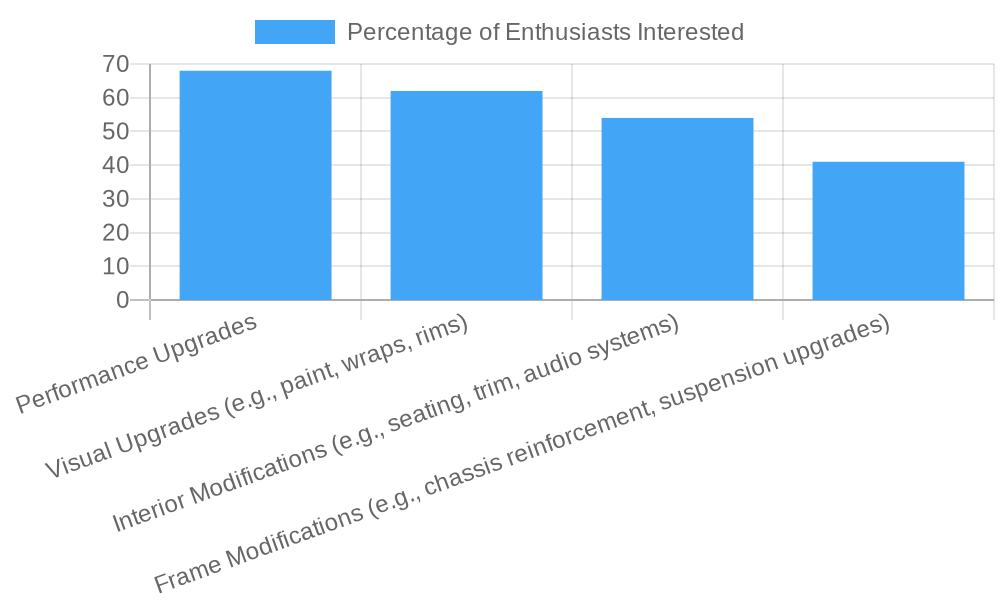
User Interest in Customization Types
| Customization Type | Percentage of Enthusiasts Interested (2023) |
|---|---|
| Performance Upgrades | 68% |
| Visual Upgrades (e.g., paint, wraps, rims) | 62% |
| Interior Modifications (e.g., seating, trim, audio systems) | 54% |
| Frame Modifications (e.g., chassis reinforcement, suspension upgrades) | 41% |
In conclusion, understanding what qualifies as a frame modification is essential for any car modifier, professional tuner, or restoration enthusiast. Frame modifications can significantly enhance a vehicle’s performance and aesthetics, allowing for personalized driving experiences that are as unique as the owners themselves. The right modifications can lead to better handling, improved safety, and a more visually appealing ride. However, it’s crucial to work with quality suppliers who can provide high-grade materials and expert advice during the modification process. Brands like Summit Fairings ensure that all modifications are not only effective but also safe and compliant with industry standards. By choosing reputable suppliers, enthusiasts can enjoy their passion for car modification without compromising on quality or safety. For more insights on car modifications and their implications, feel free to explore our other resources on modifying financed vehicles and car modifications and resale value.
Trends in Frame Modifications Over Time
In the world of automotive customization, frame modifications have evolved dramatically over the past decade. This chart illustrates the various trends in frame modifications including: chasssis upgrades, suspension enhancements, and the increased use of lightweight materials.
The chart highlights significant growth in modifications with peak periods particularly noticeable between 2020 and 2024. Such data reflects not only the passion for enhancement but also the technological advancements enabling greater customization options for car enthusiasts.
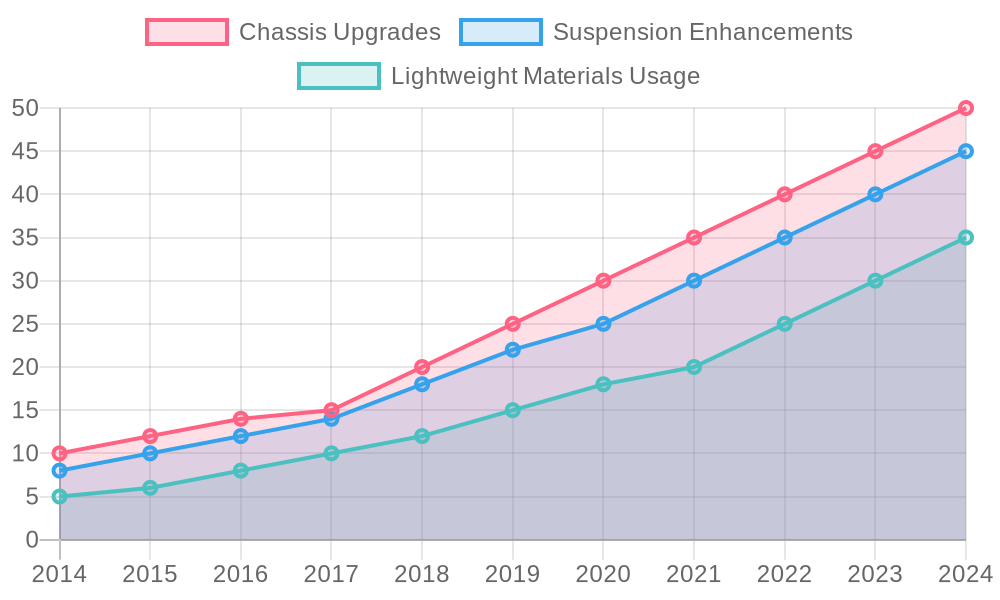
For those interested in understanding how such modifications can influence resale values or the risks of modifying financed vehicles, further insights are available.
Chart of Trends in Frame Modifications
The growth in frame modifications over the last decade can be outlined as follows:
| Year | Chassis Upgrades | Suspension Enhancements | Lightweight Materials Usage |
|---|---|---|---|
| 2014 | 10 | 8 | 5 |
| 2015 | 12 | 10 | 6 |
| 2016 | 14 | 12 | 8 |
| 2017 | 15 | 14 | 10 |
| 2018 | 20 | 18 | 12 |
| 2019 | 25 | 22 | 15 |
| 2020 | 30 | 25 | 18 |
| 2021 | 35 | 30 | 20 |
| 2022 | 40 | 35 | 25 |
| 2023 | 45 | 40 | 30 |
| 2024 | 50 | 45 | 35 |
This data not only serves as a guide for enthusiasts but also as a valuable resource for auto parts suppliers and modification shops looking to stay ahead in this ever-evolving market.