

The car modification industry has blossomed into a colossal sector, impacting enthusiasts and professionals alike. With a staggering global valuation poised to near $1 trillion by 2024, the industry is a vibrant playground for hobbyist car modifiers, professional tuners, classic car restoration enthusiasts, and more. An in-depth exploration reveals how the adaptation and personalization of vehicles are reshaping automotive culture across continents. Each chapter will unravel how the American market influences trends, how China’s rapid growth is setting new standards, and how commercial vehicle modifications are carving out their niche, offering a holistic view of this exhilarating realm.
Sizing the Spark: A Global Perspective on How Big the Car Modification Industry Really Is

The car modification industry stands as a remarkable barometer of consumer aspiration and technological adaptability. It is not a single, static market but a broad ecosystem comprising appearance enhancements, performance upgrades, and complex conversions that repurpose vehicles for new roles. When we assemble the latest data from diverse sources, a clear pattern emerges: the market is vast, multinational, and continually expanding, with the scale reinforced by strong growth in major economies and a robust pipeline of secondhand and niche segments. In 2024, industry analysts converged on a number near a trillion dollars for the global automotive modification space when broader aftermarket activity is considered. One comprehensive estimate places the global automotive modification market at roughly 978.1 billion USD in 2024, with projections suggesting it would reach about 1.0456 trillion USD in 2025. This trajectory points to a market that is both enormous in current size and dynamic in its growth prospects, driven by consumer demand for personalization, performance, and utility across different vehicle categories and use cases. While some sources emphasize the broader aftermarket, others zero in on specific segments such as conversions, appearance upgrades, or performance tuning, and the resulting figures can vary accordingly. The recurring takeaway is that the modification value chain is not an exotic niche but a mainstream economic force, with indicators resembling those of other large consumer markets and with distinct regional rhythms that shape global outcomes.
To understand the breadth of the enterprise, it helps to parse the market into segments and regional fabric while keeping in mind that numbers depend on how a given source defines modification. In one focused subset, the vehicle conversion segment alone is expected to grow from 470.1 billion USD in 2023 to 634.9 billion USD by 2030, a compound annual growth rate of about 4.4 percent. This slice captures configurations that reimagine a vehicle for a new function or audience, whether it is adapting a vehicle for commercial use, accessibility needs, or specialized tasks. Yet the conversion piece sits within a larger mosaic that includes cosmetic and performance upgrades, safety enhancements, and system integrations that enable new features, improved efficiency, or novel aesthetics. The practical reality is that a large portion of the modification economy travels through online platforms, distribution networks, and independent workshops, creating a wide distribution of value creation across geographies and business models.
Regionally, the United States has long stood as a dominant engine behind the market. Industry observers from the Specialty Equipment Market Association note that the global car modification market surpasses several hundred billion dollars on an international scale, with the U S share accounting for a significant portion of that total. In the United States alone, the aftermarket modification market is reported to have exceeded 500 billion USD in the early 2020s, with projections pointing to about 580 billion USD by 2025. A key factor behind this strength is the sheer size of the vehicle population and the deeply embedded culture of customization, DIY experimentation, and a mature service and parts ecosystem. The U S advantage is not just a matter of scale; it reflects a legacy of consumer enthusiasm for personalization that translates into steady demand for parts, tools, and skilled services. The American market benefits from a broad base of home enthusiasts, professional shops, and a resilient distribution network that makes modifications accessible to a wide audience.
China represents another pillar of the global story, with a rapidly expanding domestic market that adds a complementary dynamic to the North American dominance. In 2024, the Chinese automotive modification market was estimated at around 80 billion RMB, roughly 110 billion USD, with an annual compound growth rate of about 14 percent. Some estimates from the recent past place 2023 market size higher at about 835.9 billion RMB, or around 115 billion USD, underscoring the scale and the brisk pace of expansion in China. This growth is fed by a rising middle class, greater willingness to personalize vehicles, and a robust online and offline aftermarket ecosystem that makes styling and functional upgrades more accessible. The Chinese market adjusts quickly to consumer tastes and to regulatory changes, while the sheer breadth of vehicle types and a rapid turnover of models keep demand resilient across segments. Taken together with North America, China significantly reshapes the global architecture of the modification economy by contributing both volume and new patterns of consumer behavior that influence global supply chains and innovation pipelines.
A distinct, highly visible strand of the modification landscape is the commercial vehicle segment. In 2024, the global market for commercial vehicle modification stood at about 20.1 billion USD and is projected to grow to roughly 33.36 billion USD by 2031. While this segment is smaller than the consumer market in dollar terms, it represents a meaningful share of the overall ecosystem because it is closely linked to fleet optimization, maintenance efficiency, and the specialized requirements of commercial operations. The growth in commercial modifications often hinges on factors such as fleet modernization, regulatory pressures around emissions and safety, and the need for specialized functionality that makes commercial operations more productive. Across both consumer and commercial channels, the modification economy benefits from a robust supply chain that includes manufacturers of parts, a broad network of installers, and a vibrant online marketplace that lowers barriers to entry for hobbyists and professionals alike.
The numbers do not always align across sources because the scope of modification can be fluid. Some reports aggregate modification within a broader automotive aftermarket category, while others isolate specific activities such as appearance enhancements or performance tuning. The core insight, however, remains consistent: the capacity to customize, upgrade, and repurpose vehicles is a large, stable, and growing opportunity that spans regions, vehicle types, and purposes. It is also a marketplace where risk, economics, and consumer desire intersect in ways that create a dynamic set of opportunities for entrepreneurs and established players alike. The global scale described here is not a static ceiling but a moving target that shifts with shifts in consumer sentiment, technology, and policy.
This interwoven picture gains further texture when one considers the speed at which the industry absorbs new technologies. The modification ecosystem has shown a notable capacity to adapt to evolving propulsion systems, weight reduction techniques, advanced materials, and digital integrations. As electric vehicles become more common, owners seek ways to optimize range, cooling, charging compatibility, and on-board software customization. Meanwhile, appearance-oriented upgrades continue to thrive, driven by social media showcases and a desire for individuality that translates into demand for lighting systems, trim accents, and aerodynamic touches that are both visually striking and aerodynamically sensible. These trends collectively extend the life cycle of vehicles and sustain demand across a broad spectrum of consumer preferences, from practical conversions to expressive aesthetic statements.
From a market-participant perspective, the scale of the modification economy invites a wide array of business models. Independent workshops and small servicing outfits thrive by delivering customized solutions tailored to local tastes and vehicle fleets. Large distributors and specialty retailers participate by offering a curated mix of parts, tools, and educational resources that empower DIY enthusiasts and professional technicians alike. Online platforms have amplified participation by connecting buyers with sellers across continents, enabling price competition, faster procurement, and access to a wider catalog of options. In this environment, the ability to provide reliable guidance, quality assurance, and robust after-sales support becomes a critical differentiator for players who want to sustain growth and earn trust in a market where quick turnarounds and repeat business are common.
For readers seeking practical context on how modifications are approached in real life, a practical primer can be found through a focused resource that distills the core ideas and best practices of the field. The resource uses straightforward guidance to outline typical modification pathways, from planning and budgeting to execution and compliance. It highlights the importance of understanding the trade-offs involved in each modification decision and offers a clear map for evaluating risks and benefits. See car-modifications-guide for more details. This kind of primer helps frame the broader market narrative by translating the economics of scale into everyday decision making for drivers and shop owners alike.
A final layer of the global story concerns regulatory and risk factors. Across jurisdictions, policymakers balance consumer interest in customization with road safety and environmental objectives. Insurance considerations, resale value implications, and potential warranty impacts are recurring themes that shape how individuals approach modification. While these topics merit deeper exploration in their own right, it is enough here to note that the scale and reach of the modification economy heighten the relevance of policy clarity, consumer education, and transparent risk management. In markets where information is abundant and standards are well understood, modification activities tend to flourish with lower perceived risk and higher consumer confidence. In less transparent environments, ambiguity can slow the pace of growth and limit the breadth of experimentation. These dynamics remind us that the size of the market is not only a function of demand but also of governance, information flow, and the quality of the experience for participants.
In closing, the numbers from 2024 and the near-term projections highlight a sector that is both large and accelerating. The global automotive modification market sits near the trillion-dollar mark when the broader aftermarket is considered, with the United States and China as two of the most influential engines behind that expansion. The story is not purely about scale; it is about the evolution of a culture of customization, the role of digital channels in shaping access to parts and expertise, and the ongoing integration of new technologies that extend what is possible when a driver decides to tailor a vehicle to a personal or professional purpose. For researchers and practitioners alike, the key takeaway is that the magnitude of the market reflects more than dollars. It signals a persistent willingness among people to reimagine how a vehicle serves their lives, and it points to a future in which customization continues to travel at the speed of innovation across continents, industries, and communities.
External resource: https://www.sema.org/industry-research/automotive-aftermarket-statistics
Shifting Gears in the U.S.: The Quiet Multibillion-Dollar Drive Behind American Car Modifications
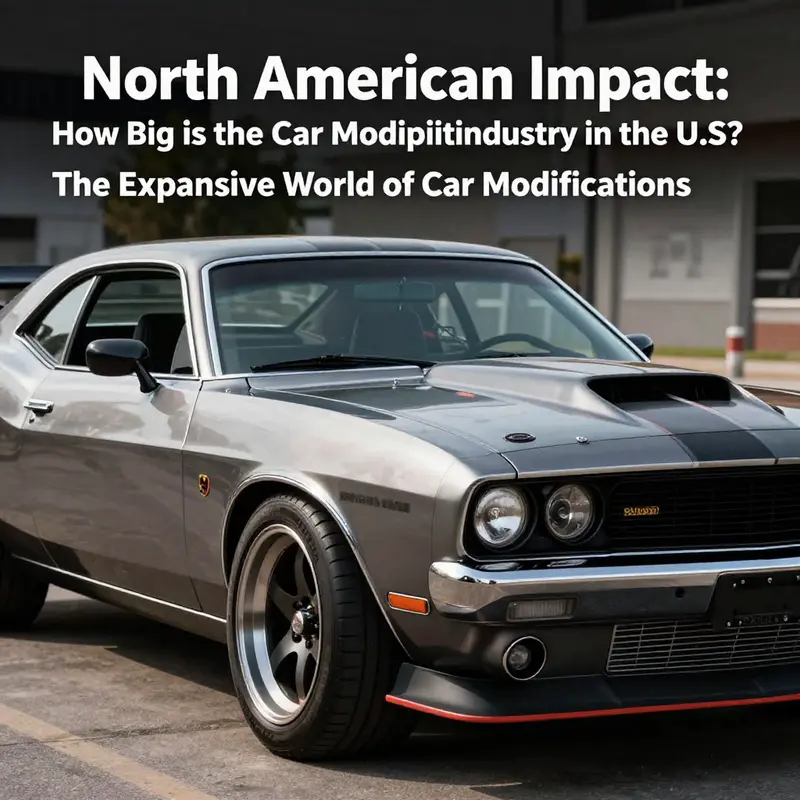
The United States sits at a pivotal crossroad in the global car modification landscape. On one hand, the broader North American aftermarket industry hums with steady activity across repairs, maintenance, and a wide array of accessories. On the other, the car modification subsector glows with a sharper, more ambitious energy. In 2024, the U.S. car modification market alone was valued at about 5.5 billion USD, a figure that signals not just a niche hobby but a robust, income-generating segment within a national economy known for its appetite for personalization and performance. Projections put this segment on a clear ascent, with expectations of reaching roughly 9.2 billion USD by 2034, a trajectory that translates into a compound annual growth rate of about 5.2 percent. It is a pace that outstrips broader aftermarket growth in the region, highlighting a distinctive consumer psychology: people want vehicles that tell a personal story as much as they want reliable transport. In context, the North American aftermarket as a whole was valued at around 108.73 billion USD in 2024 and is anticipated to grow at a more modest 2.5 percent annually through 2030. The contrast between the two numbers reveals a market where a few high-velocity segments—like car modification—drive a disproportionate share of excitement and investment, even if the larger aftermarket remains the quiet backbone of vehicle upkeep and function.
The United States, given its size, wealth, and deep-rooted car culture, acts as a bellwether for North American trends. Its modification scene both shapes and responds to evolving tastes, technologies, and regulatory environments. The scale matters not merely in dollars but in the way it informs supply chains, shop ecosystems, and consumer expectations. A nationwide network of specialty shops, independent tuners, performance centers, and online retailers coordinates with a regional diversity of tastes—from street-performance builds that emphasize grip, power, and control to showpiece aesthetics that celebrate color, texture, and silhouette. This ecosystem thrives on a confluence of factors: rising consumer disposable income in many demographics, a willingness to invest in new technologies, and a social fabric that treats vehicle customization as a form of self-expression and community belonging.
The growth story is underpinned by several dynamic forces. First, consumer demand for personalization has grown more sophisticated. Buyers no longer settle for factory settings; they want tweaks that reflect their driving needs, daily routes, and weekend involvements. Second, aftermarket technology has advanced rapidly. Digital interfaces, self-diagnostic tools, and tunable control systems empower enthusiasts to push a vehicle’s performance and handling in safer, more predictable ways than in the past. Third, a vibrant culture of performance tuning and aesthetic customization continues to thrive. Clubs, forums, and social networks sustain a feedback loop: a new idea or configuration spreads quickly, fans gather around it, and service providers adapt to bring it to market with practical installation options and warranties.
Within this ecosystem, the U.S. market exhibits a choice architecture that rewards both DIY experimentation and professional refinements. The DIY segment remains appealing to hands-on drivers who want to apply knowledge learned from online tutorials, community clinics, and shop floors. Yet the professional segment—specialist shops that provide precision work, alignment, calibration, and vetted warranty support—offers reliability and scale. These providers often bridge the gap between bespoke craftsmanship and mass production efficiency. They can source a broad spectrum of components and deliver consistent results across different makes and models, which is essential for a market that values quality and repeatability as much as novelty. The result is a marketplace that can absorb risk while encouraging experimentation, a crucial balance for sustained growth.
The geography of demand within the United States is equally revealing. Urban and suburban centers with dense driving populations and high vehicle ownership drive steady demand for performance upgrades and aesthetic improvements. Regions with strong car culture—where enthusiasts routinely gather for events, shows, and informal meetups—tend to nurture more ambitious projects. Rural and mid-sized markets contribute a steady stream of customers who seek practical enhancements—suspension tuning for comfort, braking upgrades for safety, and lighting and visibility improvements for operating in varied conditions. What unites these disparate geographies is a consumer base that values personalization not just as flair, but as a means of optimizing everyday life on the road. The car modification narrative in the U.S. is thus a blend of art, engineering, and economics, threaded together by a culture that treats vehicles as dynamic extensions of identity.
Technology is a central accelerant. As aftermarket components become more capable and more accessible, the barrier to entry for meaningful customization has lowered. Improvements in manufacturing quality, warranty coverage, and after-sales support have made modifications more reliable and trustworthy. Online marketplaces and instructional resources have democratized knowledge, enabling a broader cross-section of drivers to design, plan, and execute improvements. The result is a marketplace that grows not only in size but in expertise. Consumers increasingly demand products that integrate with modern vehicle architectures—systems that maintain or even improve reliability, safety, and fuel efficiency while delivering the thrill or visual impact they crave. In this sense, the modern U.S. car modification scene is less about radical departures from stock hardware and more about sophisticated enhancements that respect the engineering foundations of contemporary vehicles.
Policy, safety, and insurance intersect with growth in meaningful ways. Modifications touch on risk profiles, and those risks interact with insurance premiums, coverage options, and the likelihood of claim approvals. For some drivers, modifications may be relatively straightforward and well-supported by coverage, while for others, especially with more aggressive or performance-oriented alterations, insurance considerations can complicate the decision to modify. This dynamic has spurred a careful, educated consumer segment—drivers who weigh the benefits of performance or aesthetics against potential financial consequences. The industry, meanwhile, has responded with clearer guidance, better labeling on the impact of specific alterations, and a push for transparent disclosure practices. The net effect is a maturing market that seeks to align excitement and self-expression with prudent risk management.
Financing and leasing add further complexity to the modification equation. A growing portion of U.S. car owners finance or lease their vehicles, which introduces constraints on what can be modified and how modifications are treated at the end of the term. Some financing agreements restrict certain kinds of changes, particularly those that could affect the vehicle’s value or safety. Leases, in particular, can complicate the decision to personalize, since excessive or irreversible modifications may breach lease terms or require removal at the end of the contract. Yet the market also responds with services that help reconcile modification goals with financing realities. Installations that are reversible, maintain viability of the vehicle’s resale value, or come with transferable warranties can ease tension between self-expression and contractual obligations. In practice, this means a practical, forward-thinking consumer will often plan a modification path in concert with a lender or lease provider, ensuring that the dream build remains compatible with financial arrangements.
An important facet of the U.S. modification story is its influence on resale value. Modifications can either enhance or hinder a vehicle’s appeal to prospective buyers, depending on the buyer’s preferences, the quality of the work, and how well the modifications align with the vehicle’s original purpose and condition. A thoughtful, well-executed modification scheme can carve out a niche market for certain buyers who appreciate the added performance or character. Conversely, overly extreme or poorly executed changes may reduce the pool of interested purchasers. The literature and industry discussions emphasize that the value impact is highly contextual; it hinges on the predictability of the upgrade, the durability of the installation, and the alignment with what buyers in the market value at the time of sale. For readers looking to understand the resale implications more deeply, there is a nuanced dialogue that links modification choices to long-term value, risk, and consumer sentiment. A useful reference in this conversation is the discussion around how alterations affect resale value, which you can explore in more detail here: car modifications and resale value.
The U.S. chapter in this North American story is not an isolated phenomenon. Rather, it exemplifies how a culture rooted in mobility, customization, and technical curiosity can transform a segment into a multibillion-dollar force within a broader market. The United States acts as a catalyst for innovation in the modification space. When builders in one city push a new concept, the idea travels along networks of enthusiasts, forums, and events until it finds a new home in another city or state. This diffusion process accelerates the pace at which new ideas become installable realities. It also nourishes competition among service providers, spurring improvements in workmanship, safety standards, warranties, and after-sales support. In turn, the consumer benefits from higher quality, more reliable options, and greater confidence when embarking on a modification project.
The broader North American context makes the U.S. market even more significant. Across the border in Canada and into parts of Central America and the Caribbean, the aftermarket ecosystem shares many traits—enthusiasm for personalization, access to skilled labor, and the growth potential that comes with better logistics and online retail. Yet the United States remains the most influential engine of demand, standard-setting, and investment in this realm. The sheer scale of the U.S. market, combined with its deep-rooted car culture, ensures that it will continue to shape the trajectory of the North American car modification industry for years to come. The implications stretch beyond valuation figures; they touch on consumer behavior, the evolution of retail channels, the standardization of installation practices, and the ongoing dialogue among insurers, lenders, and drivers about what it means to personalize a vehicle in a way that is both exciting and responsible.
As we look ahead, the North American narrative around car modifications will likely hinge on a handful of enduring themes: intelligent integration of performance and safety, the refinement of installation standards, transparent risk management with insurers, and the increasingly professionalized skills offered by modification-focused shops. The U.S. experience demonstrates how a market anchored in personal expression can scale into a strategic economic activity that links culture, technology, and finance. It is a story of rapid learning, careful risk assessment, and a community-based approach to creating value from customization. For readers charting the broader industry, the U.S. path provides a clear reminder that the most transformative markets are rarely built on a single product or trend; they are built on a culture that treats the car as a canvas, a tool, and a platform for ongoing innovation.
External resource note: For a broader industry perspective on the global scale and growth trajectory of car modification markets, you can consult the latest analysis from industry researchers at Grand View Research (external resource). This source offers a comprehensive look at market sizing, drivers, and projections that contextualize the U.S. market within the global landscape.
Internal link reference: For insights on how modifications interact with resale value and consumer decision-making, see the discussion here: car modifications and resale value.
China’s Custom Car Boom: Inside the Rapid Rise of a Trillion-Yuan Market
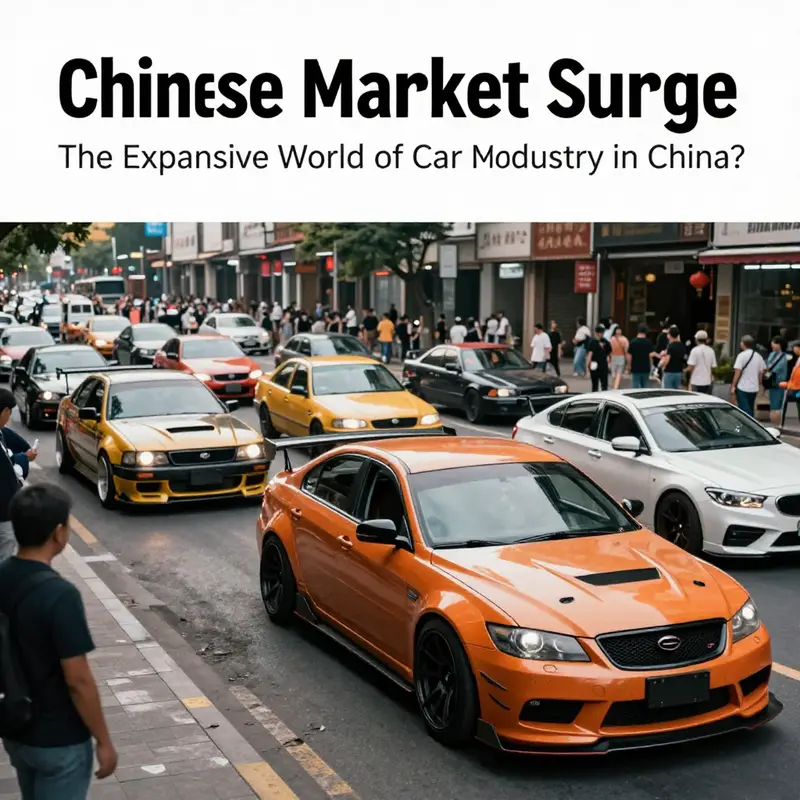
China’s car modification market has moved from niche to national phenomenon in a few short years. What was once a small, urban hobbyist scene is now a large, structured industry with deep ties to consumer culture, OEMs, and aftermarket suppliers. Recent data show the market expanding rapidly. In 2023 the Chinese modification sector reached about 835.9 billion yuan (roughly $114 billion). Despite varying estimates, 2024 figures still place the market in the hundreds of billions of yuan, and many forecasts predict the sector could surpass 1 trillion yuan by 2025. Some analysts even map scenarios where it grows beyond 2,000 billion yuan by 2027. These numbers matter because they signal a shift in how cars are bought, used, and viewed across an entire country.
The sheer scale of growth reflects multiple converging forces. Urbanization and rising incomes create a larger pool of potential buyers. Younger drivers—primarily Millennials and Gen Z in first- and second-tier cities—drive demand. They tend to view a car as a personal statement. That leads them to allocate roughly 10% of a vehicle’s purchase price for upgrades. Aesthetics dominate these upgrades: window tinting, paint protection, wraps, and visual kits account for about 85% of modification orders. Still, practical upgrades are growing. Safety enhancements, infotainment upgrades, and performance tuning now represent a meaningful share of spending.
Underlying consumer willingness to spend is a maturing culture of personalization. Where modifications once signaled counterculture, they now symbolize lifestyle choices and identity. Social media and influencer culture accelerate trends, showing modification outcomes to millions and normalizing customization across income brackets. Local shops and national chains have adapted, offering tiered services. Entry-level installations serve basic aesthetic demands. Premium boutiques provide bespoke builds and certified performance work. That tiered model has helped the market scale while maintaining margins.
Industry structure has shifted as well. The early market was fragmented and informal, dominated by small workshops. Over the last few years, consolidation and professionalization have increased. Larger aftermarket companies provide standardized parts and warranties. Certified installers and franchised service centers offer regulated processes. Crucially, original equipment manufacturers (OEMs) have begun to participate. Some collaborations between OEMs and customization firms aim to provide factory-backed accessories and certified modifications. Analysts predict OEMs could account for more than 30% of the custom modification market by 2025. That trend signals a critical change: customization is moving inside the mainstream auto economy.
Regulation and market legitimacy affect growth trajectories. While modification rates in China remain under 5% of total vehicle registrations—far lower than in mature markets—this low baseline is precisely why growth potential is so high. The government’s stance on modifications has also evolved. Local authorities increasingly issue clearer rules around safety standards and permissible modifications. Shops that follow code and secure approvals find steady demand and easier scaling. For readers who need specifics about legal frameworks in China, a useful primer explores the regulatory environment and compliance requirements. You can read more on legal car modifications in China here: https://modifiyeliarabalar.net/blog/legal-car-modifications-china/.
Beyond consumer demand, market segmentation is notable. The largest share remains in passenger vehicle aesthetic upgrades. Yet commercial vehicle customization is a rising subsegment. Commercial modifications to vans, trucks, and specialized service vehicles represent a smaller but fast-growing market. Globally, commercial vehicle modification was valued at $20.10 billion in 2024 and is expected to expand significantly. In China, modernization of logistics, public services, and specialty fleets creates steady need for tailored vehicle solutions. Municipal procurement of modified emergency and service vehicles boosts demand for certified converters and integrators.
Supply chain dynamics are reshaping costs and options. Domestic component manufacturers have improved quality and reduced prices. This makes high-quality aftermarket parts more accessible, eroding past dependence on imports. At the same time, premium parts and niche components still command higher margins. Shops that can source reliable components and demonstrate quality installation capture repeat business. Digital platforms also mediate supply and discovery. Marketplaces connect consumers with installers and parts providers. Ratings, reviews, and transparent pricing reduce friction and help small shops reach wider audiences.
The shift from informal to formal business models has consequences for financing and resale. Banks and lenders are adapting underwriting to account for modifications. Where financing once discouraged aftermarket work, new lender products sometimes permit certified factory-backed upgrades. Resale dynamics are more complex. Modifications that are reversible and well-documented can preserve or even add value in niche segments. But buyers in mass markets still prefer stock vehicles. That creates a balance: shops market upgrades to consumers who plan to hold cars longer or who want distinct models, while advising caution to buyers focused on resale liquidity.
Technology is another accelerator. Advances in materials and electronics lower the barrier for reliable customization. Lighting, infotainment, and driver-assist accessory markets benefit from rapid tech cycles. Software-driven upgrades—such as tuning modules and connected infotainment systems—appear alongside traditional bodywork and paint. This makes the market more diverse. It also increases the role of qualified technicians who can handle coding, diagnostics, and compliance with vehicle systems. As cars become more software-defined, modifications require deeper integration with OEM platforms, further encouraging official partnerships.
Market risks remain. Regulatory tightening could slow certain types of modifications. Public safety incidents tied to amateur installations could trigger sharper rules. Economic slowdowns could trim discretionary spend. And intellectual property concerns may affect parts sourcing. Yet many of these risks are mitigated by market maturation. Licensed shops, warranties, and OEM partnerships create buffers against policy shifts and consumer distrust. Traders and investors see the industry as resilient because aesthetic demand is sticky and often countercyclical to showroom purchases.
The geographic distribution of demand is instructive. First- and second-tier cities host most high-volume activity. These urban centers mix affluence, trend adoption, and dense service networks. But mid-tier cities are catching up. As incomes rise and logistics improve, smaller cities adopt modification culture. That diffusion broadens the market and favors scalable service models. Mobile installation services and franchised outlets make it easier to serve dispersed demand. For entrepreneurs, that means opportunities both in metropolitan premium services and in standardized regional rollouts.
Finally, the Chinese market’s growth has global implications. A larger, more sophisticated Chinese modification sector deepens global supply chains. Domestic suppliers scale up production and export components. International firms consider joint ventures and distribution partnerships. Meanwhile, trends that start in China—such as specific aesthetic styles or tech-driven upgrades—can propagate internationally, influencing global aftermarket demand.
Taken together, the Chinese car modification market is no longer a peripheral curiosity. It is a major growth engine within the broader automotive aftermarket. With billions in annual spend, accelerating consumer interest, stronger regulation, and increasing OEM involvement, China offers a unique case of rapid industry evolution. For anyone tracking the global size of the car modification industry, China’s trajectory must be central to the story. For deeper market methodology and forecasting details, consult the comprehensive analysis at GlobalData: https://www.globaldata.com
Fleet-Scale Customization: Unpacking the Size and Momentum of Commercial Vehicle Modifications

When the conversation turns to the size of the car modification industry, the spotlight often lands on the globe-spanning, consumer-centric fantasies of bespoke upgrades and show-car aesthetics. Yet a substantial portion of the market unfolds in the cab of a commercial vehicle, where fleets—trucks, delivery vans, shuttle buses, and service vehicles—are tuned not for flash but for reliability, efficiency, and safety. This commercial facet of customization is a powerful driver of the broader aftermarket, and its scale is both consequential and increasingly measurable. In a world where logistics defines everyday commerce, the customization of commercial fleets has evolved from a niche service into a strategic capability that can trim costs, reduce downtime, and help organizations meet tightening regulatory standards. To understand how big this segment is, it helps to anchor the discussion in the larger market context, while zooming in on the specific needs and dynamics that shape fleet-focused modifications.\n\nFirst, it is essential to recognize where commercial vehicle modifications sit within the overall automotive aftermarket. The global car modification market, inclusive of commercial vehicles, has demonstrated robust growth in recent years. A representative figure from the mid-2020s places the market around sixty billion dollars in 2025, with a projected climb to roughly sixty-two billion in 2026. This trajectory sits within a broader forecast that aspires to the high tens of billions by the early 2030s, signaling a steady expansion that reflects both consumer enthusiasm and enterprise exigency. While those numbers capture the aggregate, the commercial subset behaves differently: it benefits from the capital intensity and risk management discipline that characterize fleet operations, often translating into higher value-per-modification and longer asset lifecycles compared with private passenger scenarios. In other words, the commercial segment leans into fewer, larger-ticket projects that are designed to deliver measurable returns through uptime, efficiency, and compliance.\n\nIn the same breath, the commercial vehicle landscape itself is substantial, distinct from the modification segment yet deeply interconnected. The global commercial vehicles market, driven by freight, logistics, service delivery, and public transportation, is projected to reach about one point six trillion dollars by 2027, growing at a compound annual rate of roughly 4.5 percent. This scale underscores that the potential pool of vehicles available for modification—ranging from long-haul tractors to last-mile delivery vans and passenger shuttles—is vast and continually renewing. If you view the modification market as a value-add layer on top of a much larger vehicle population, the commercial dimension emerges as a critical engine of growth because fleets are systematically upgrading to extract more efficiency, reliability, and safety from their assets.\n\nThe commercial segment’s contribution to growth is not just a function of more vehicles on the road. It is driven by a convergence of factors that sharpen the business case for modification. Logistics pressures, driven by e-commerce proliferation and the demand for faster delivery windows, push fleets to minimize downtime. Every minute a vehicle spends in the shop translates into missed deliveries, higher wages for idle time, and a cascade of scheduling costs that ripple through the supply chain. Modifications designed to enhance reliability—such as upgraded braking systems, improved suspension for variable road conditions, or modular electrical systems that simplify maintenance—directly reduce downtime. From a fleet manager’s perspective, these upgrades are not cosmetic; they are strategic investments that improve the predictability of service levels and the consistency of performance across dozens or hundreds of vehicles.\n\nSafety and regulatory compliance further shape the commercial modification agenda. Governments around the world intensify standards around vehicle emissions, load safety, tire performance, and on-board diagnostics. For fleets operating across multiple jurisdictions or enduring long-haul routes, conforming to diverse rules is a persistent cost of doing business. Modifications that address these concerns—remotely monitored braking performance, enhanced lighting for night operations, or engineered cargo-handling solutions that maintain secure load integrity—are often mandatory prerequisites for operation. In this sense, the commercial modification market is partially shielded from the whims of consumer fashion; it thrives on the predictable demand created by compliance, risk management, and the imperative to maximize asset utilization.\n\nRegional dynamics within the commercial segment further illuminate its size and growth. The United States, a mature market with a sprawling logistics network, is frequently cited as a major driver of the modification economy. Industry estimates point to a U.S. automotive modification market that nears or exceeds several hundred billion dollars with a substantial portion tied to fleet and commercial applications. The scale here is not just about the number of vehicles but about the intensity of fleet modernization programs that large corporations, municipalities, and logistics providers pursue. Meanwhile, China stands out as a rapidly expanding arena for both vehicle ownership and modification activity. In 2024, the domestic Chinese modification market was estimated at roughly eighty billion yuan, about one hundred ten billion dollars at current exchange rates, with an annual growth rate around fourteen percent. That acceleration reflects a combination of surging commercial vehicle demand, a strong emphasis on fleet efficiency, and a technologically adaptive aftermarket ecosystem that is increasingly capable of delivering large-scale, standardized solutions alongside bespoke projects.\n\nWithin this global mosaic, a precise, isolated figure for commercial-vehicle modifications alone often remains elusive in public reports. The overarching market analyses measure modifications across the broader auto aftermarket, and the commercial slice is frequently inferred from the size of related fleet activity and the overall pace of fleet modernization. What is clear, however, is that the commercial segment benefits disproportionately from the same macro trends that energize the entire industry: aging and expanding vehicle populations in need of upgrades, the unrelenting logic of downtime reduction, and a heightened focus on safety, security, and efficiency. The convergence of these drivers makes commercial modifications uniquely consequential for the fortunes of the broader market. Some forecasts, extrapolating from the general growth of automotive modification and the expansion of commercial fleets, point toward a future roughly characterized by continued, solid expansion at mid-single-digit to high single-digit growth rates across the next decade. An important backdrop to this growth is the expectation that the next wave of market expansion will be driven by more integrated, technology-enabled solutions that enable fleets to manage complex upgrades at scale, with a premium placed on reliability and traceability.\n\nIf one step deeper, the economics begin to clarify why fleet operators are so intent on modifications. A truck or delivery van lives under the pressure of utilization. A well-modified fleet vehicle—equipped with solutions that improve fuel efficiency, optimize payload handling, or streamline maintenance—delivers measurable gains in the uptime that defines revenue. In a typical fleet operation, the cost of a modification is weighed against the incremental value of reduced downtime, extended service intervals, and safer, more compliant performance on the road. The math is not always immediate, but when a fleet undertakes systematic upgrades across hundreds or thousands of vehicles, even modest improvements in reliability can translate into tens or hundreds of millions in annual savings. This is the kind of scale that reframes the value proposition of commercial modifications from a line-item expense into a strategic investment in operational resilience.\n\nAn additional layer of nuance comes from the way commercial fleets source and manage modifications. Unlike consumer upgrades, which may be driven by individual preferences or showmanship, fleet modifications are coordinated through procurement teams, maintenance networks, and sometimes regional partners who understand the regulatory landscape and the lifecycle economics of fleet vehicles. The purchasing logic often emphasizes a blend of predictable pricing, predictable maintenance windows, standardized parts, and warranties that cover the vehicle’s most critical operating windows. This emphasis on service networks and long-term relationships means the value proposition for fleet modifications heavily leans on reliability and consistent performance over time, rather than the novelty or aspirational aspects that sometimes accompany consumer-focused customization.\n\nThe market is also shaped by the way fleet operators balance upfront costs with long-term benefits. Financing arrangements, leasing structures, and maintenance contracts can all influence the decision to pursue a given modification. In some markets, fleets may prefer modular, easily replaceable components that allow quick upgrades or scalable investment as routes and demands evolve. In others, there is a push toward integrated, turnkey modifications that align with fleet-wide data systems and predictive maintenance programs. Across regions, the willingness to invest in modifications often correlates with the maturity of maintenance ecosystems and the availability of qualified service providers. A robust aftermarket support network—think of qualified technicians, spare parts availability, and reliable warranty coverage—tends to amplify the appetite for larger-scale modifications because it reduces risk and ensures that upgrades deliver the promised uptime improvements.\n\nThe narrative around the commercial segment would be incomplete without acknowledging the broader ecosystem in which modifications happen. Telematics, smart sensors, and diagnostic software have become integral to modern fleet performance. As fleets gather more data about vehicle health, driver behavior, and route optimization, the business case for targeted modifications becomes clearer. Software-informed upgrades—ranging from electrical system enhancements to weight-optimized components that improve payload efficiency—are increasingly common. Even as hardware remains a large piece of the puzzle, the ability to monitor, adjust, and validate modifications in real time adds a value layer that is particularly appealing to fleet operators who must demonstrate measurable gains to executives and stakeholders.\n\nFrom a strategic perspective, the commercial segment’s growth is likely to be reinforced by continued specialization within the aftermarket. Suppliers and service providers who build deep competence in commercial vehicle formats—heavy-duty long-haul tractors, mid-size regional fleets, and last-mile delivery vans—stand a better chance to deliver standardized, scalable modification solutions that align with fleet policies, safety standards, and regulatory timelines. This specialization reduces the perceived risk of modification and makes it easier for fleet operators to justify upgrades as part of a broader lifecycle strategy. The result is a market that, while complex, is increasingly organized and capable of delivering consistent, high-value outcomes for large-scale fleets.\n\nIf you want a practical glimpse into how these trends play out on the ground, consider how fleets approach modification decisions in trucks and other heavy-duty vehicles. The practice often centers on a few core objectives: extending vehicle life, enhancing safety margins, improving load management, and ensuring compliance with evolving rules. In this space, a single modification project can encompass several subsystems—drivetrain, suspension, braking, electrical architecture, and cargo handling—each selected to deliver a defined improvement in uptime and performance. The result is a holistic upgrade that aligns with fleet-wide goals rather than a collection of isolated enhancements. It is precisely this integrative logic that explains why fleet customization tends to involve longer planning horizons, deeper cost-benefit analyses, and closer collaboration between operators, manufacturers, and aftersales partners.\n\nFor a deeper look into how fleets tailor trucks for better performance, see the conceptually focused discussion on truck customization. That piece illustrates how commercial equipment, when designed to withstand demanding routes and high-duty cycles, often relies on modular, scalable approaches that can be deployed across multiple vehicles with standardized processes. The modularity not only reduces downtime during upgrades but also simplifies future upgrades as technology and regulatory requirements evolve. In this sense, the commercial segment remains agile, not because every vehicle is uniquely customized, but because fleets build a shared playbook that can be replicated, measured, and refined over time.\n\nThe takeaway is straightforward: the commercial vehicle modification segment occupies a sizable and continually expanding space within the broader car modification industry. While precise, isolated figures for modifications aimed exclusively at commercial fleets are harder to extract from public datasets, the surrounding data paint a clear picture. The global market for automotive modifications, including commercial applications, is growing briskly; the commercial portion benefits from the scale and mission-critical nature of fleet operations, which demand reliability, safety, and regulatory alignment. The trajectory suggests that as logistics and delivery networks intensify their reliance on efficient, well-maintained fleets, the demand for targeted, durable, and scalable modifications will endure—and likely accelerate.\n\nFor researchers and practitioners, this means a few practical implications. First, market entrants should align offerings to fleet lifecycle economics rather than one-off, high-margin, consumer-oriented upgrades. Second, building relationships with service networks and warranties becomes a strategic asset, enabling fleet operators to deploy upgrades with confidence and minimal downtime. Third, the integration of data-driven maintenance and modular design will increasingly separate successful fleet modification programs from less scalable ones. In the end, the commercial segment may not always capture the limelight in consumer culture, but its scale, resilience, and strategic importance to the global economy ensure it remains a central pillar of the car modification industry’s ongoing story.\n\nExternal resource for broader market context: https://www.marketsandmarkets.com/Market-Reports/automotive-modification-market-1755.html
Final thoughts
As the statistics illustrate, the car modification industry stands as a titan within the global automotive landscape, embracing creativity, personalization, and functionality across all markets. The growth in regions such as North America and China signals not just economic vitality but a cultural shift towards bespoke automotive experiences, encouraging hobbyists and professionals alike to shape vehicles to their preferences. The booming commercial vehicle segment also presents lucrative opportunities, emphasizing the necessity for modifications in a rapidly evolving marketplace. This industry reflects a passionate community that thrives on innovation and modification, shaping the future of automotive design and functionality.