

When it comes to car modifications, the journey begins with a vision. Whether you’re a hobbyist aiming to personalize your vehicle, a professional tuner striving for peak performance, or a classic car restoration enthusiast unfolding a timeless beauty, understanding the process is crucial. Car modifications can significantly enhance performance, aesthetics, and comfort but come with their challenges—especially concerning legalities and safety. This comprehensive guide will break down essential aspects into five enlightening chapters, covering everything from defining your modification goals to testing and verifying the enhancements you make. Join us as we delve into the world of car modifications, ensuring you’re equipped with the knowledge to make impactful and safe changes.
Set the Course: Defining Clear, Practical Goals Before You Modify a Car

Defining Your Modification Goals
Before you lift a wrench or order parts, define what you want the finished car to do and feel like. A clear goal keeps decisions practical and reduces wasted time and money. Think of the modification process as planning a trip. You need a destination, a map, and a realistic timetable. Your destination might be faster lap times, a unique daily driver, or a more capable off-road vehicle. Whatever it is, state it plainly. Once you have that single, central objective, every part, every shop, and every choice becomes easier to judge.
Start with function, not fashion. Performance upgrades, visual changes, and added utility each demand different approaches. If your priority is performance, focus on power delivery, braking, and chassis balance. Bolt-on parts that increase horsepower are tempting, but they work best when the rest of the car can handle the extra output. That means cooling, transmission, and brakes may need upgrades as well. If appearance is your primary aim, choose interventions that achieve the look without compromising safety or legality. Wheels, suspension stance, and exterior trim alter the car’s character immediately. If utility is the goal, concentrate on durable accessories that add real capability, like suspension lifts for off-roading or reinforced roof racks for gear.
Budget creates boundaries that shape your plan. Establish a realistic total spend and break it into phases. Treat early work as foundation work. Simple, high-impact items often provide the best return on investment. A tuned air intake or fresh suspension bushings can dramatically change how a car feels. More dramatic changes, like engine swaps or full-body overhauls, demand larger budgets and professional oversight. When funds are limited, prioritize changes that unlock future upgrades. For example, improving cooling and brakes before increasing engine power avoids costly rework down the line.
Time is another constraint that affects choices. Some mods are weekend projects. Others can take months and require booking specialized shops. If you need the car daily, plan modifications in stages that keep it usable. If the car is a project vehicle, allow extra time for inevitable setbacks. Parts delays, fitment problems, and legal paperwork often extend timelines. Factor in test drives and tuning sessions after installations. Modifications rarely go from install to perfection on the first attempt.
Always check legal and insurance implications early. Some cosmetic changes are harmless, but many mechanical upgrades affect how insurers view risk. Failing to declare major modifications can leave you liable or void coverage. Leased or financed cars complicate things further; agreements often restrict alterations. If you plan to modify such a vehicle, review the contract and speak to the lender. For practical guidance on installation steps and considerations, see this article on how to install modifications car. Keep permits and local regulations in mind. Some jurisdictions require notification for color changes or major structural work.
Weigh resale value from the start. Some modifications improve value to a narrow audience. Others reduce broader appeal. Performance upgrades that are reversible and well-documented keep options open. Visual mods that are heavily personalized tend to narrow your buyer pool. If resale is important, choose reversible changes. Keep OEM parts in good condition for reinstallation. Well-documented upgrades that show professional installation and proper parts will help you recoup some value, but rarely the full cost.
Think about compatibility and integration. Parts must work together. A louder exhaust might require changes to engine mapping. Bigger wheels can change gearing and speedometer accuracy. Suspension upgrades interact with tire selection and alignment settings. Treat the car as a system. When drafting your plan, list dependencies and possible knock-on effects. This clarity prevents piecemeal upgrades that create new problems.
Decide who does the work. Some tasks are well suited to experienced DIYers. Others require professionals. Electrical work, ECU tuning, and major engine or structural modifications usually need expert hands. Professional installation costs more, but it reduces risk and warranty problems. When hiring, check references, ask for examples of similar projects, and request a clear scope of work. A reputable shop will outline expected outcomes, timelines, and a testing plan.
Safety must override aesthetics. Any modification that affects braking, steering, or structural integrity requires rigorous attention. Upgraded engines need stronger brakes. Lowered cars need proper alignment and shock damping. Even cosmetic lighting changes must comply with visibility standards. Prioritize components that preserve or improve safety over those that merely look good. This approach keeps daily driving safe and avoids legal trouble.
Document everything as you go. Keep receipts, part numbers, and installer notes. Photograph each stage of work. Good records protect you during resale, insurance claims, and legal inspections. They also help you track maintenance intervals and warranty claims. Organize documentation in a folder or digital file that moves with the car.
Plan for verification and iteration. After each modification phase, test the car thoroughly. Short trips at controlled speeds expose hissing leaks, loose fasteners, and tuning issues. Note changes in handling and engine behavior. If something feels off, don’t ignore it. Small problems compound under higher loads. Be ready to revert or refine parts of the build. Iteration is part of a professional approach.
Balance ambition with realism. A modest goal executed well beats an ambitious plan done sloppily. Set measurable objectives. Instead of saying “make it faster,” choose target metrics like lap times, 0–60 figures, or track repeatability. If the aim is comfort, define measurable outcomes such as reduced cabin noise or improved seat support for long drives. Clear metrics let you know when a phase is complete and when to move on.
Consider lifestyle and use cases. Your daily commute imposes different demands than weekend track days. Prioritize mods that support how you actually use the car. If you carry passengers or haul gear regularly, durability and safety should weigh more heavily than maximum power. If you live in an area with strict inspections, favor reversible changes that meet emission and noise rules.
Finally, frame the build as a path, not a single purchase. Good builds evolve through thoughtful phases. Each phase should provide tangible benefits, reduce future costs, or unlock next-level upgrades. This phased model keeps stress low and satisfaction high. With goals defined and priorities set, every bolt and invoice becomes a step toward a coherent result.
For a focused perspective on which modifications tend to add value, consult this industry guide: Autocar – What modifications add value to a car.
Know the Rules: Navigating Legal Limits When Modifying Your Car

Know the Rules Before You Modify
Modifying a car is a rewarding process, but it sits on a thin line between creativity and compliance. Understanding legal regulations is essential to ensure safety, protect your investment, and avoid fines or failed inspections. Laws vary by country and region, yet common principles reappear: no changes that compromise structural integrity, safety systems, or the vehicle’s identity. This chapter explains those principles, gives practical examples of allowed and forbidden changes, and lays out an actionable path to stay legal while pursuing the build you want.
At its core, regulation treats a vehicle as a certified machine. When manufacturers build a car, they certify dimensions, emissions, lighting, braking performance, and more. Authorities expect owners to maintain those basic certifiable characteristics. That is why many jurisdictions allow cosmetic extras that do not alter crucial parameters. Items like securely attached roof racks, modest bumper replacements, or wheel aesthetic upgrades are often accepted. But the specifics matter: roof racks usually must not exceed a certain height or overhang limits. Side steps are permitted only if they do not protrude dangerously. Repainting is generally allowed but frequently requires registration of the new color within a short period.
Think of modifications as belonging to three groups: benign and frequently permitted; conditionally permitted with documentation or size limits; and strictly prohibited without special authorization. Benign modifications typically include interior trim swaps, non-structural body panels that match original dimensions, and cosmetic wheel replacements that stick to the registered tire and rim sizes. Conditionally permitted modifications include adding luggage carriers, light bars, or aftermarket bumpers that adhere to height, projection, and attachment rules. Strictly prohibited changes include anything that converts the vehicle’s purpose or alters core mechanical attributes — for example, changing the engine displacement without approval, switching from passenger to cargo class, altering axle count, or adding air suspension systems that significantly change ride height and dynamics.
Practical examples help sort the gray areas. A full-body kit that increases width or makes sharp external edges qualifies as an illegal alteration in many places because it changes dimensions and creates hazards. Similarly, removing a muffler or fitting a performance exhaust that breaks emissions or noise standards is unlawful without testing and certification. Reconfiguring seating to add or remove seats affects safety certification and passenger capacity and is commonly banned. On the other hand, replacing a bumper with an OEM-equivalent item that preserves mounting points and lighting locations is usually acceptable.
Documentation is more than paperwork — it is your shield. Keep invoices, part numbers, and compliance certificates from manufacturers. When a part meets recognized standards, such as national or international certifications, include that proof with your records. If a local regulator or inspection authority asks, these documents demonstrate your effort to remain compliant and can speed approval. Many countries require notification for visible changes. For example, repainting may demand a registration update within a short timeframe. Failure to report can lead to failing inspections, fines, or forced restoration to the original appearance.
Insurance and financing add additional layers of legal consideration. Modifications can affect coverage and lender agreements. Some lenders explicitly prohibit certain alterations while a vehicle is financed. Leases commonly forbid permanent changes and may demand the vehicle returned to original condition. Even if modification is allowed, failure to declare the changes to your insurer can void coverage for claims related to the upgrade. Always confirm with both your insurer and lender whether a planned modification triggers policy exclusions or contractual breaches.
Safety and roadworthiness are paramount. Any change that interferes with lighting, signaling, brakes, or crash structures puts you and others at risk. Electrical work must be done by competent technicians to prevent shorts and fires. Engine mapping or ECU changes require specialists because incorrect tuning can impair emissions control or engine safety features. Similarly, upgrades that increase power should be paired with braking and suspension upgrades designed for the higher loads. Authorities consider the vehicle as a system; upgrading one part without addressing complementary systems invites regulatory scrutiny.
Testing and inspection are unavoidable for some changes. Many regions enforce annual or periodic inspections where examiners check dimensions, lighting, emissions, and structural integrity. If a modification was not registered, it can trigger a fail. Before presenting a modified vehicle for inspection, verify that all parts are certified, attachments are secure, and no change interferes with mandated systems. If a local regulation allows certain improvements only after a formal approval process, follow that procedure rather than hoping the change goes unnoticed.
When in doubt, ask. Consulting your local vehicle administration office can save time and money. Provide them with detailed descriptions, photographs, and part specifications. If an official ruling is in writing, keep that document with the vehicle’s records. Many jurisdictions publish guidance and lists of permitted and prohibited items. Use those resources rather than relying on anecdote or forums. For owners working in or with vehicles regulated under specific national standards, specialized guidance exists. For insight into how one country frames legal modification, see the discussion on legal car modifications (China).
A few tactical steps will help you remain within the law while modifying your car. First, define the goal and evaluate whether the change affects safety or certified systems. Second, source certified parts and request compliance paperwork. Third, consult insurer, lender, and registration authority ahead of installation. Fourth, use qualified professionals for installations that touch electrical, structural, or powertrain systems. Fifth, retain detailed records and receipts for every modification. These steps reduce the risk of non-compliance and keep your vehicle insurable and marketable.
Finally, consider the long-term implications. Modifications can affect resale value both positively and negatively. Unregistered or non-compliant changes may reduce buyer interest and complicate sale processes. Conversely, tasteful, documented upgrades that improve safety or comfort can add value. When planning major modifications, weigh immediate benefits against potential legal headaches, insurance costs, and future resale impact. Keep a budget not only for parts and labor but also for potential compliance fees, inspections, and reversion costs if a change is later deemed illegal.
Understanding legal regulations is not about stifling creativity. It is about channeling it responsibly. Complying with rules preserves safety, ensures your vehicle remains roadworthy, and protects your investment. Take the time to research, document, and approve changes before physically altering your car. When rules are respected, modifications become sustainable improvements rather than temporary risks.
For the official framework referenced in this chapter, consult the China Ministry of Transport’s regulations on vehicle modification and registration for detailed, authoritative guidance: https://www.mot.gov.cn/zhengce/zhengceku/202109/t20210915_348768.html
Selecting Reliable Parts: Choosing Quality Components When Modifying Your Car
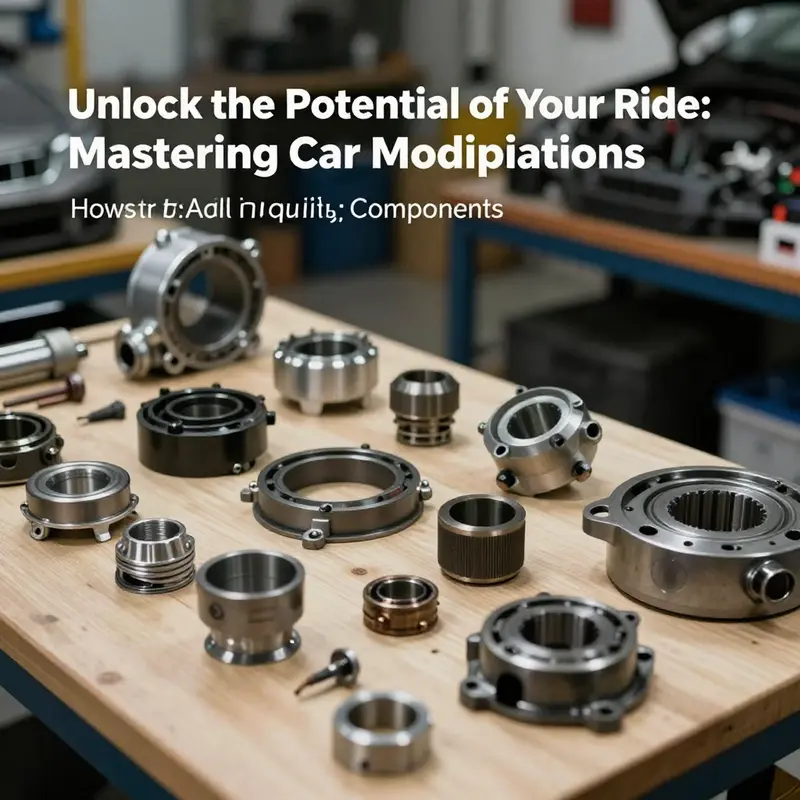
Selecting the right components is the single most important decision you make when modifying a car. The parts you choose affect performance, safety, longevity, and compliance with law. Start by clarifying what you want from the modification — power, handling, appearance, or comfort — then let that purpose guide every purchase. When the aim is performance, for example, focus on airflow, fuel delivery, and exhaust flow. When handling is the goal, prioritize suspension, tires, and wheel mass. When safety or everyday usability matters most, concentrate on brakes, lighting, and proven electrical systems.
Quality begins with compatibility. Verify fit by using your vehicle’s VIN or original equipment part numbers. These codes prevent costly mistakes and ensure electrical interfaces, mounting points, and clearances match your vehicle. For electronics, confirm connector types and software compatibility. For brakes and suspension, check load ratings and spring rates. For wheels and tires, confirm offset, bolt pattern, and load index. Compatibility saves time, prevents damage, and keeps systems working together as designed.
Certifications matter because they confirm third-party testing. Look for widely recognized marks that indicate compliance with regional safety and emissions rules. Certified components meet basic performance and durability tests. This is particularly important for items that affect stopping power, emissions, or visibility. When a product lacks certification, assume additional scrutiny will be required when registering the vehicle or during inspection.
Authenticity checks are practical and fast. Inspect packaging and documentation for clarity and completeness. Genuine components usually include clear printing, serial numbers, installation guides, and warranty cards. Counterfeit items commonly show inconsistent fonts, loose packaging, or missing paperwork. Beware of prices far below the market rate. Extremely low prices often signal knockoffs, substandard material, or missing safety features.
Material quality and manufacturing processes matter more than marketing claims. Forged or properly heat-treated metals resist fatigue better than cheaply cast alternatives. High-grade rubber in bushings and tires holds shape and damping characteristics longer than low-cost compounds. For any component that bears structural loads — suspension arms, steering links, wheel hubs — prefer parts made to exacting tolerances, with clear material grades and traceable manufacturing records when available.
Never treat warranties as optional. A trustworthy supplier stands behind their work with clear warranty terms. Warranties indicate confidence in manufacturing and provide a safety net if parts fail prematurely. Read the fine print: some warranties are voided by track use, incorrect installation, or installation without authorized service. When buying used or refurbished components, expect shorter warranties and insist on documented service history.
Professional installation reduces risk and preserves warranties. Complex systems such as engine management, fuel delivery, or advanced suspension require calibrated installation and tuning. Even seemingly simple additions may need adjustments to related systems. If you plan a self-install, obtain the correct tools and service manuals. If you choose a shop, select technicians experienced with your vehicle’s platform. Their expertise helps avoid mistakes that can be costly or dangerous.
Balance cost against proven performance. An inexpensive part may provide temporary benefit, but it can accelerate wear elsewhere. For example, a change that raises engine output without upgrading brakes and cooling increases failure risk. Plan modifications as a system, not isolated changes. If a component claim sounds too good to be true, research independent tests, user forums for your car model, and professional reviews. Look for real-world data, not just marketing copy.
Supply chain and source matter. Buy from reputable distributors who can confirm origin and provide after-sale support. Authorized dealers and certified resellers are more likely to handle returns, warranty claims, and fitment issues promptly. When purchasing online from lesser-known sources, verify seller ratings and request clear photos of the exact item being sold. Keep all receipts and identify batch or serial numbers when possible.
Electrical components demand special attention. Wiring harnesses, lighting modules, and infotainment systems must match voltage, grounding, and CAN-bus protocols used by your vehicle. Poorly designed electronics risk electrical faults, erratic behavior, or even fire. If a component requires software integration, make sure the installer can perform necessary flashing or coding. Misconfigured modules can trigger warning lights and impair vehicle safety systems.
Tires and wheels affect handling, braking, and ride quality. High-quality tires use compounds and constructions tuned for grip and longevity. Wheel weight and stiffness influence unsprung mass and steering response. When selecting wheels, prioritize correct diameter and offset to ensure suspension geometry and wheel well clearances remain within safe ranges. If you alter wheel size, check speedometer and ABS sensor function afterwards.
For brakes and suspension, prioritize stopping power and predictable control. Upgraded pads and rotors should match the vehicle’s weight and expected use. Stiffer springs or coilovers improve cornering but can compromise ride comfort. Adjustable systems offer the flexibility to tune ride height and damping. If using adjustable suspension, document your settings so you can return to a factory-like baseline when needed.
When modifying for performance, consider the trade-offs. More power often demands cooling, fueling, and braking upgrades. Each change cascades to other systems. A tuned engine can expose weak points in transmission or differential components. Instead of chasing peak numbers alone, aim for balanced improvements that make the car safer and more reliable under the new demands.
Documentation is part of quality control. Keep receipts, installation records, part numbers, and certification documents in a dedicated folder. Good records ease insurance updates, future sales, and compliance checks. They help track when consumables need replacement and provide proof of authorized work if disputes arise.
Finally, use expert resources when uncertain. Professional shops, certified installers, and knowledgeable communities can help evaluate parts lists and installation plans. If you want guidance on the physical fitting and installation process, consult a reliable how-to resource such as this guide on how to install modifications car. Their step-by-step advice can prevent common mistakes and clarify when professional help is necessary.
Choosing quality components is about more than brand names. It requires a methodical approach that matches parts to your goals, verifies compatibility, confirms certification, and considers systemic impacts. When you buy smart, install carefully, and document every change, modifications become upgrades you can rely on. For industry standards, best practices, and deeper consumer guidance, consult the Automotive Aftermarket Industry Association: https://www.aaia.org/
Installing Mods Safely: Why Professional Work Matters When You Modify a Car
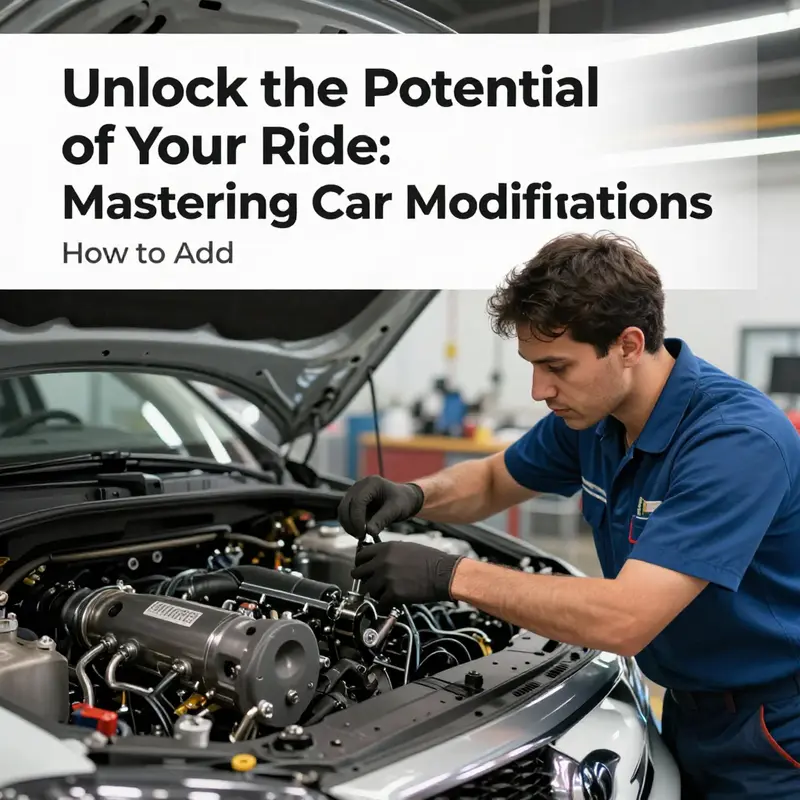
Safety First: Why Professional Installation Matters
When you choose to modify a car, safety should guide every decision. Modifications change how a vehicle behaves at speed, how it responds in an emergency, and how its safety systems interact. Even small changes can cascade into unexpected problems. That is why relying on skilled professionals and following strict safety practices is not optional. It preserves your investment, keeps you legal, and protects everyone on the road.
Start by thinking beyond the aesthetic or power gains. Upgrading a single component often affects multiple systems. A larger wheel can alter suspension geometry. A freer-flowing exhaust might change engine tuning needs. Stiffer springs can change ride height and weight transfer during braking. Professional technicians understand these interactions. They see how a change in one area will demand adjustments in another. Their experience reduces the chance of a mismatch that could compromise handling or braking.
Regulatory compliance is part of safety. Many jurisdictions require that specific changes be declared or inspected. Color changes, major body alterations, and certain lighting modifications are commonly regulated. Other changes, like exhaust noise or emissions equipment removal, can lead to fines or failed inspections. Professionals who specialize in modified vehicles know the local rules. They can advise what will trigger registration updates and when additional approvals are required. This reduces the risk of costly legal surprises.
Choosing the right parts matters as much as who fits them. Quality components designed for your vehicle carry tolerances that match factory systems. Low-cost, untested parts may fit physically but fail under stress. Professionals source reliable parts and verify fitment. They confirm bolt patterns, load ratings, and electrical draws. That attention to specification prevents premature wear and avoids dangerous failures, especially on safety-critical systems.
Electrical work is a frequent source of trouble. Adding high-draw accessories, custom lighting, or aftermarket electronics can overload circuits. Poorly made splices, incorrect fuses, and improper grounding create fire risks. Professional installers follow wiring best practices. They assess the vehicle’s electrical capacity, use proper fusing, and integrate add-ons with existing harnesses. That reduces the chance of shorts and preserves the operation of crucial safety systems.
Engine tuning and control unit adjustments are another area where professional skill is essential. Modern engines rely on precise mixes of air, fuel, and timing. Changing intake, exhaust, or forced induction components alters those balances. Improper tuning can create detonation, overheating, or long-term engine damage. Certified tuners use diagnostic tools and controlled environments to map engine behavior. They ensure gains are real and sustainable. They also tune with safety limits in place to protect the engine and emissions equipment.
Brakes and suspension are directly tied to occupant safety. Upgrading brakes without matching the rest of the system can create unstable braking balance or cause the anti-lock system to respond incorrectly. Suspension changes affect weight distribution and steering feedback. Professional workshops align components to the manufacturer’s or upgraded specs. They also test for compatibility with electronic stability and traction systems. After installation, they perform functional tests, including bleed cycles for braking systems and full four-wheel alignment for suspension work.
Interior changes are often perceived as low risk, but can still be hazardous. Replacing seats, adding seat covers, or altering airbags’ environment may interfere with deployment. Professionals avoid tampering with restraint systems and follow industry guidelines when installing aftermarket seating or harnesses. They route wiring for audio and infotainment so it doesn’t obstruct airbags, sensors, or mechanical linkages. Keeping safety components intact and unobstructed preserves crashworthiness.
A single cohesive approach ties all modifications together. Professionals plan modifications to ensure harmonious results. They consider the vehicle’s intended use, whether daily commuting or track driving. They design a package where brakes, suspension, tires, and engine changes complement each other. This systems-level thinking avoids piecemeal upgrades that may feel good at first but create dangerous trade-offs.
Testing after installation is as important as the work itself. Professionals conduct road tests that evaluate handling under real conditions. They listen for noise and vibration. They verify brake performance, steering feedback, and electronic warning lights. Post-installation diagnostics ensure sensors and warning systems function. When necessary, shops recalibrate or reprogram modules so features like ABS and stability control remain effective.
Paperwork protects you long term. Keep receipts, part numbers, and certification labels. Professional shops should provide documentation that details the work done and parts used. These records help with registration, insurance declarations, and future resale. If a modification triggers a need to update your insurance, thorough records make the process smoother and avoid coverage disputes.
Insurance is a practical safety consideration. Many policies require declaration of significant mods. Failing to report changes can lead to denied claims after a loss. A professional fitter will usually advise you on disclosure requirements and how certain upgrades might change your premium. This helps you weigh the real cost of modifications and ensures you remain financially protected.
Financed or leased vehicles need special attention. Many finance and lease agreements restrict permanent modifications. Professionals can advise on reversible options and non-destructive installations to protect your contract. For financed vehicles, some shops will document reversible changes and provide guidance on restoration to factory condition. If you plan to mod a leased car, consider seeking prior written approval to avoid breach of contract.
Finally, choose installers with verifiable credentials. Look for shops that carry relevant certifications and positive feedback from owners of similar vehicles. Ask about warranties on both parts and labor. A trustworthy shop will explain risks and limits. They will not rush work or hide complications. Establishing a relationship with a professional installer yields safer, more reliable results.
If you want a practical guide to the installation process, consult a detailed walkthrough on how to install modifications on a car: how to install modifications on a car. That resource outlines step-by-step considerations and common pitfalls.
For official regulatory and safety guidance related to vehicle modifications, refer to the National Highway Traffic Safety Administration: https://www.nhtsa.gov
null

null
Final thoughts
Embracing car modifications is not merely about enhancement; it’s also a commitment to safety and legal compliance. From establishing clear goals to selecting quality components and ensuring professional installation, each step is vital to creating a vehicle that reflects your style and meets performance expectations. When done correctly, modifications can breathe new life into a car, making it a true reflection of your passion and dedication. Remember, informed choices lead to magnificent transformations, as you steer through this exciting world of automotive creativity.