
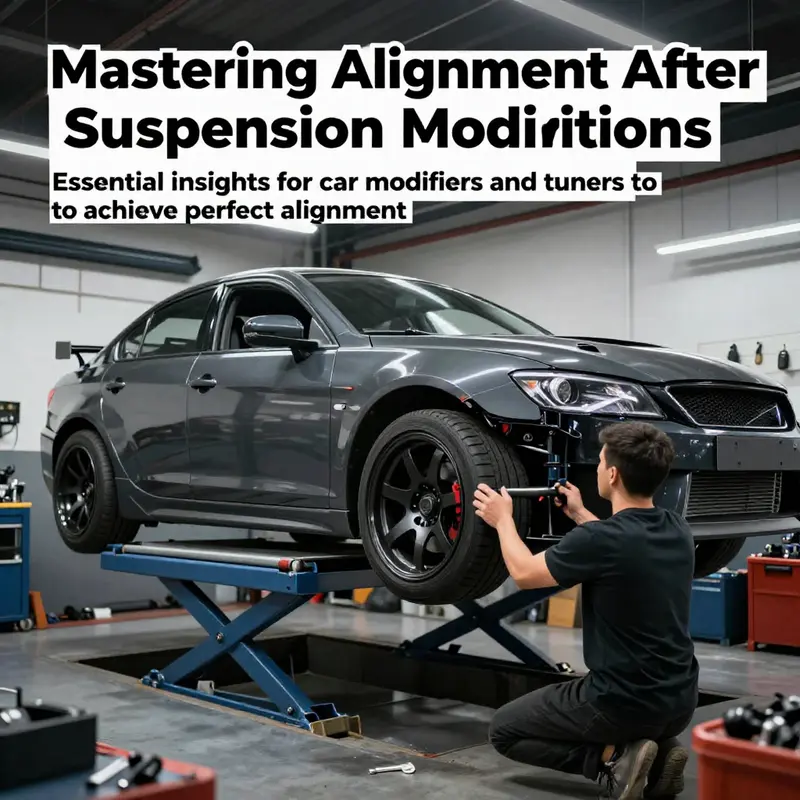
Aligning a car with suspension modifications is vital not only for safety but also for optimal performance, handling, and tire longevity. When enthusiasts dive into the world of suspension tuning—be it lowering springs, adjustable control arms, or track-specific setups—the geometry of the vehicle inevitably changes. Understanding these modifications lays the foundation for ensuring proper wheel alignment, a mission that blends precision and expertise. In the following chapters, we’ll explore the intricacies of suspension modifications, guide you in selecting the right alignment shop, outline effective alignment procedures, and highlight essential post-alignment considerations—all crucial steps in achieving your vehicle’s peak potential.
Precision in Motion: Re-aligning a Modified Suspension for Safe, Predictable Handling
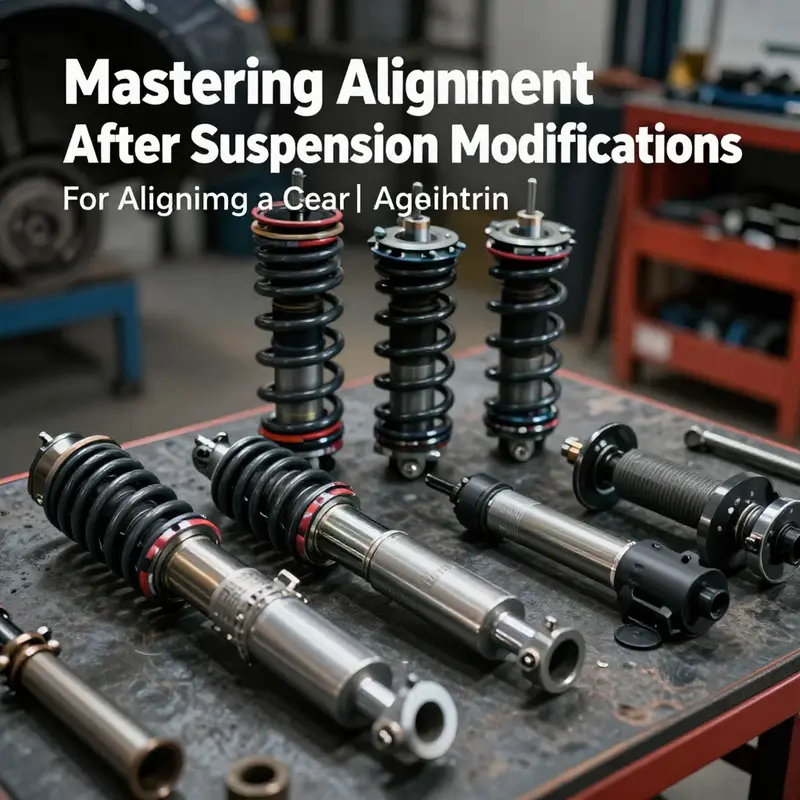
Alignment after suspension modifications is the final calibration that translates upgrades into predictable handling. Modifications shift geometry, so rechecking camber, caster, and toe ensures tires remain in contact with the road as intended instead of fighting the chassis.
Preparation matters: ensure all modification components are torqued to spec, tire pressures match the current load and height, and a thorough inspection of bushings, joints, and tie-rod ends is complete. A short road test after installation—typically 10 to 15 miles—allows the new geometry to settle before final measurements.
Choosing the right shop matters: look for specialists in modified suspensions with high-precision alignment equipment, such as 3D laser systems. Ask how their procedure accounts for height changes, dynamic loads, and your intended use (daily driving, track, or a mix).
The procedure itself proceeds in a disciplined sequence: measure camber, caster, and toe; compare with the target values; and adjust using adjustable arms, camber bolts, or steering-link hardware. For lowered cars, front and rear settings may differ to achieve even tire wear and stable steering without compromising straight-line stability.
Maintenance is part of the equation: alignment should be checked periodically as parts wear, ride height can drift, and tire composition changes. A follow-up test drive helps confirm the tune and catch any drift or pull before it becomes a safety issue.
Finding the Right Alignment Shop After Suspension Changes: Expertise, Equipment, and Trust
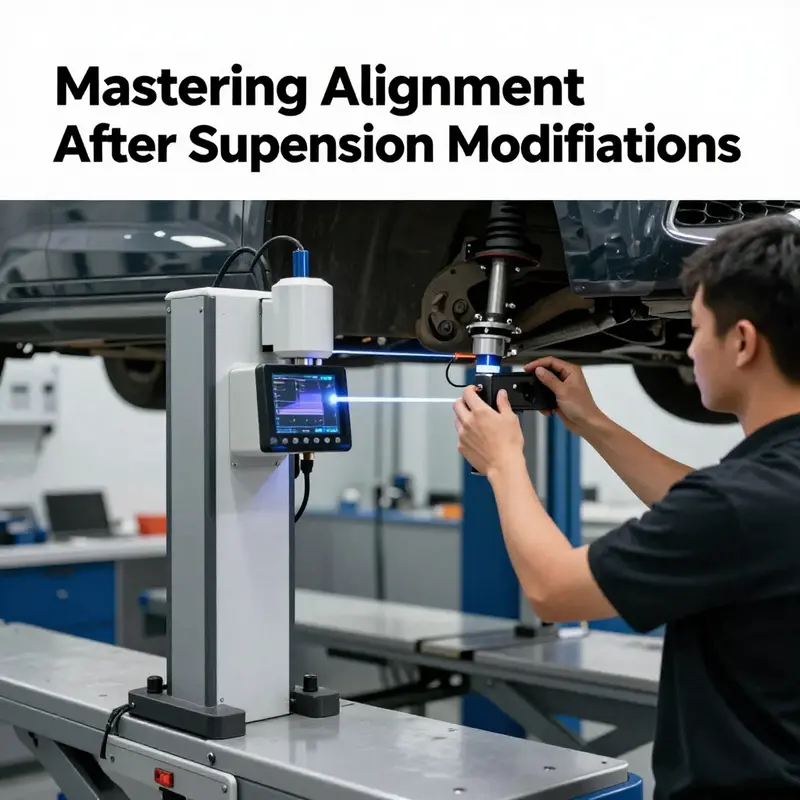
After suspension changes deciding where to have the car aligned is a critical step that affects handling, tire life and the value of the upgrade. The choice should be based on three pillars: expertise in modified suspensions, the quality of the equipment, and the clarity of the service agreement. This chapter lays out a practical approach to help you pick a shop with confidence.
Specialization matters because modified suspensions behave differently from factory setups. Lowered ride height, adjustable arms, air suspension or large anti roll bars change camber toe and caster. Look for a shop that advertises experience with performance or modified vehicles and that regularly works with your vehicle type. Shops that focus on certain makes or on performance work understand tolerances, sensor calibrations, and the tradeoffs between handling and tire wear. For example, air suspension systems require knowledge of height sensing and calibration routines to avoid false readings.
Reputation and referrals help filter candidates in a crowded market. Online reviews can signal consistency, but personal recommendations carry context. Talk to local car clubs, vehicle forums, and friends who have had similar work done. Look for patterns such as clear communication, thorough explanations, and willingness to show prior work. Ask the shop for examples or photos of similar projects, especially when modifications are involved.
Verify the technicians qualifications and the shop equipment next. Precision alignment is a measurement task that benefits from modern tools. Look for 3D optical rigs or laser based systems rather than only mechanical gauges. These tools give accurate readings and track changes after adjustments. Ask about certifications such as manufacturer training or ASE certifications, and whether the staff has training in vehicle dynamics and alignment. A good technician will explain how they account for lowered ride heights, adjustable camber plates, and nonstandard travel. They should describe how the vehicle is secured, how ride height is set to a stable position, and how steering angle sensors and electronic stability systems are recalibrated when needed.
A clear contract is essential. Before work begins, demand a written scope that lists the angles to be checked, target specifications, estimated labor, parts, and warranty terms. Good shops document initial readings and final results so you can see starting points and progress. The contract should state whether the shop follows factory specs or is tuning to performance targets you request. If you want a track oriented setup, make sure that is recorded. Also confirm whether post alignment test drives, sensor recalibrations, or camera adjustments are included. Avoid vague promises not written in the contract.
Inspect the shop if you can. In person visits reveal a lot quickly. Clean organized bays and clearly labeled tools suggest a structured workflow. Look for visible equipment such as alignment racks, diagnostic scanners, and tire changers. Ask to see examples of previous suspension modification work, especially cases similar to yours. Photos or case notes showing before and after readings can give you confidence. A shop willing to show work samples and explain decisions is likely transparent and professional.
Ask smart questions during the initial call. How do they handle lowered cars with limited suspension travel? Do they have adjustable camber plates or aftermarket hardware on the rack? Can they set toe and camber beyond factory ranges if needed? How do they verify steering angle sensors and stability control after alignment? A competent technician should be able to describe the process in plain terms and outline the steps used to secure the vehicle, set ride height, take baseline measurements, adjust in a logical order, and confirm results with a test drive. If answers are vague or evasive that is a red flag.
Price matters but should not be the sole criterion. Very low quotes can indicate shortcuts such as skipping a test drive, ignoring recalibrations, or using outdated equipment. The most expensive shop is not always the best either. Look for transparent pricing and clear explanations of what the fee covers. A fair quote will list labor for measurement and adjustment, any parts such as bolts or tie rods, and additional services like sensor recalibration or a follow up check. Consider paying a little more for technicians who can handle complex systems without guesswork.
Warranty and follow up separate good shops from average ones. Modifications can reveal new issues after a short break in. A responsible shop will offer a follow up check at a defined interval often after 500 to 1000 miles for aggressive settings. Ask about warranties for labor and parts and whether they will recheck if something feels off. Get details about any charges for follow up visits in writing.
Know the red flags. Shops that dismiss your concerns about the modification or refuse to show initial readings or push unnecessary parts should be avoided. Be wary of shops that cannot read or clear diagnostic trouble codes. Modern vehicles rely on sensors and unresolved codes can mask alignment issues and affect safety systems. If a shop says they will eyeball the angles or go by feel without measurements walk away.
Communication during and after service should be clear and technical but accessible. Expect the technician to explain the tradeoffs involved with your setup. Negative camber can improve cornering but increase inner tire wear. Excessive toe can sharpen turn in but reduce straight line stability. A competent shop will discuss these tradeoffs and suggest mitigations such as tire rotation or a small adjustment to keep daily drivability.
Paperwork and documentation are practical hygiene. Ask for a printed alignment report showing before and after values for each wheel. Keep receipts for parts and labor, and note any replaced components with part numbers and whether they are OEM or aftermarket. Documentation helps if you need to troubleshoot later or if another shop takes over the work.
When your vehicle is ready for pickup perform a basic post service check. Drive on a quiet road for a short distance to confirm there is no pulling rub or noise. Verify steering wheel position is centered and that the steering returns smoothly. Recheck tire pressures and note any vibrations. If something feels off return for a follow up; small issues can grow if driven long distances. Trust the shop’s follow up policy and schedule the recommended recheck.
Consider broader implications of the decision. Some suspension changes can affect insurance or fail safety inspections if the geometry is outside allowed limits. If the car is financed or leased check lender requirements or agreements before making permanent modifications. For practical guidance on choosing a reliable shop and a consumer perspective see consumer resources that offer tips and checklists for evaluating service providers. If you want hands on guidance about performing or ordering installations yourself there are guides and how to content available from reputable sources.
Choosing the right alignment shop after suspension changes reduces the chance of surprises and protects your investment. By focusing on specialization equipment and a clear written agreement you can achieve reliable handling and predictable tire wear rather than repeated visits for adjustments.
null
null
Post-Alignment Essentials After Suspension Upgrades: Safeguarding Handling, Tire Longevity, and Warranty
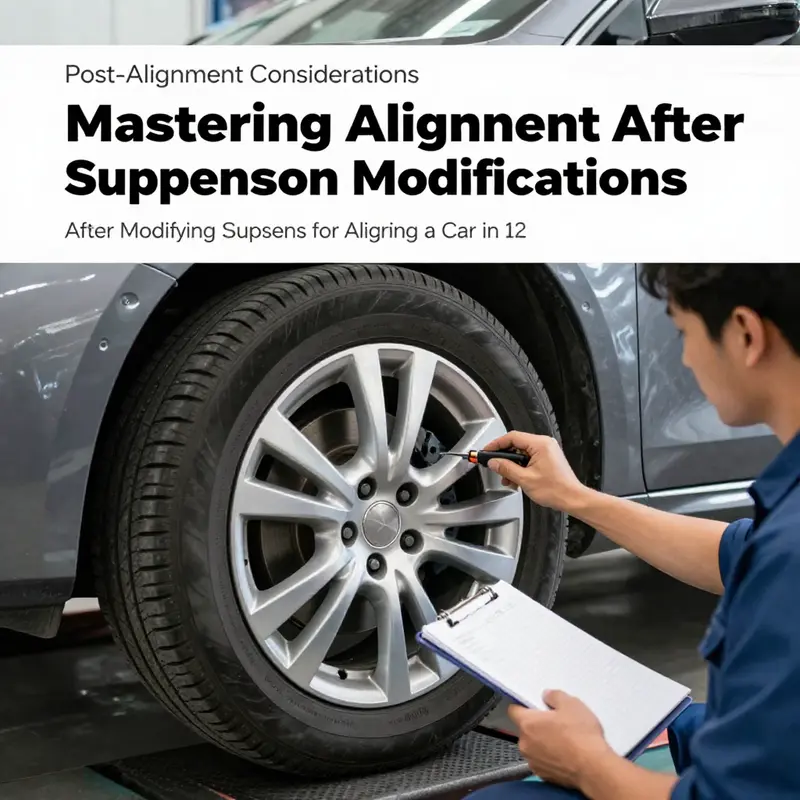
When you install suspension upgrades, alignment becomes the bridge between what you designed and how the car actually behaves on the road. Without a professional alignment, you may not realize the intended grip, steering feel, or tire life improvements. Camber, caster, and toe are the three angles that must harmonize with the upgraded geometry and your driving goals.
The first principle is to treat geometry as a living parameter. Altering ride height or changing suspension kinematics shifts wheel angles in ways that change how the tire contacts the road at various steering inputs. The result is not simply a number on a sheet; it is predictable handling, tire wear patterns, and straight-line stability. Alignment should be customized to the modification kit and how you drive—whether you prioritize calm daily comfort, track days, or spirited weekend runs.
Choosing the right shop matters. Look for a facility that advertises performance or modified-vehicle alignments and uses adjustable hardware and modern alignment equipment. A qualified technician will discuss intended use, set appropriate targets (including any negative camber for cornering grip), and outline tradeoffs between tire life and handling. Expect a plan for follow-up checks if drift, vibration, or instability appears after the road test.
Preparation is a practical prerequisite. Before the appointment, ensure all new components are installed to spec, torqued to manufacturer recommendations, and settled. Check tire pressures, inspect for worn components, and be mindful of the need for a short burn-in period to let the suspension settle. The goal is repeatable readings and a stable baseline for adjustments.
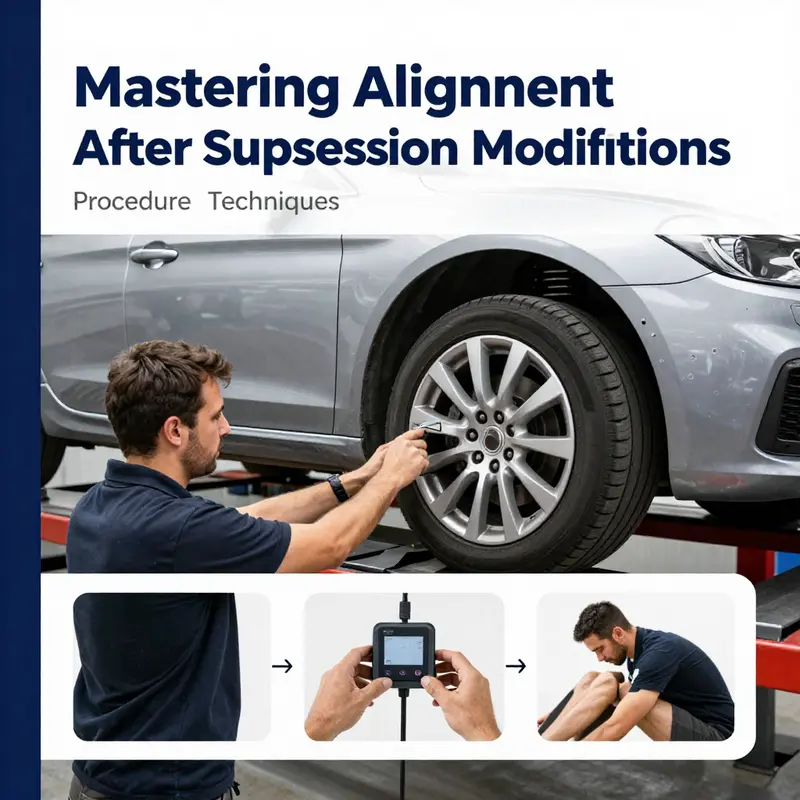
The alignment procedure itself follows a logical sequence. Measurements of camber, caster, and toe are compared to the modified targets, and adjustments are made with the appropriate hardware—adjustable control arms, camber bolts, or tie-rod adjustments. In cases of aggressive lowering or wide-wheel packages, standard procedures may not suffice, and a dedicated tuning session may be necessary to balance grip, tire wear, and safety margins.
Post-alignment checks should include a careful road test: tracking straight with minimal drift, monitoring wheel balance, listening for vibrations, and rechecking tire wear after several hundred miles. Plan a follow-up inspection after 500 to 1,000 miles if you pushed the limits, as real-world use often reveals refinements that lab numbers cannot predict.
Finally, recognize the broader implications. Modifications that alter geometry can affect warranty coverage, insurance terms, and vehicle inspections. A documented, properly executed alignment helps protect you by demonstrating that the vehicle remains within safe, approved boundaries and by preserving the intended performance gains without compromising safety or tire life.
Final thoughts
Achieving alignment after suspension modifications is not just a step—it’s a fundamental corner stone that shapes the performance of your car. A properly aligned vehicle enhances safety, prolongs tire life, and improves driving experience, whether on the daily commute or at the track. By grasping the nuances of your suspension setup, selecting the right alignment facility, and following precise alignment procedures, you’re setting the stage for success. Whether you’re an avid modifier, a professional tuner, or a classic car enthusiast, the knowledge shared in this article equips you with the essential tools needed to maximize your vehicle’s performance.