
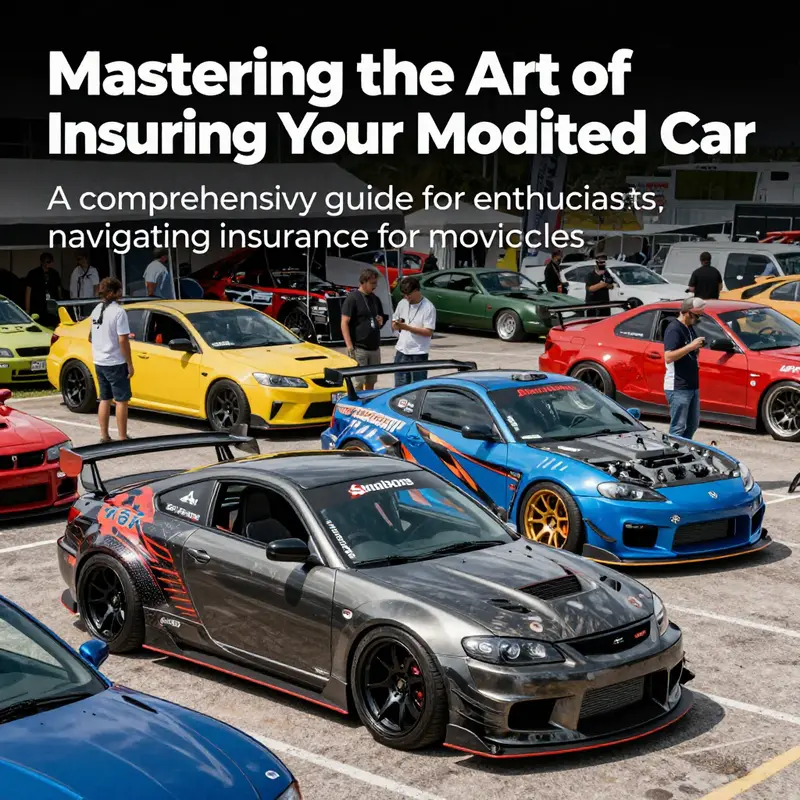
Insuring a modified car is a unique challenge that every car enthusiast, tuner, and restorer faces. With the rising popularity of customization, understanding how to effectively insure your modified vehicle is crucial. This guide dives deep into the process, beginning with the legal boundaries—understanding what modifications can be covered is essential for compliance and peace of mind. It continues by emphasizing the importance of proactive communication with insurers to prevent any unpleasant surprises. The subsequent chapters will guide you through selecting appropriate insurance products that protect your modifications, navigating various claim scenarios, and choosing the right insurance provider tailored to your needs. Whether you’re a hobbyist looking to insure your weekend ride or a professional modifier focused on high-performance upgrades, mastering these aspects will ensure your passion for customization is coupled with robust coverage.
Legal Limits and Insurance Reality: What Modifications Insurers Will Cover
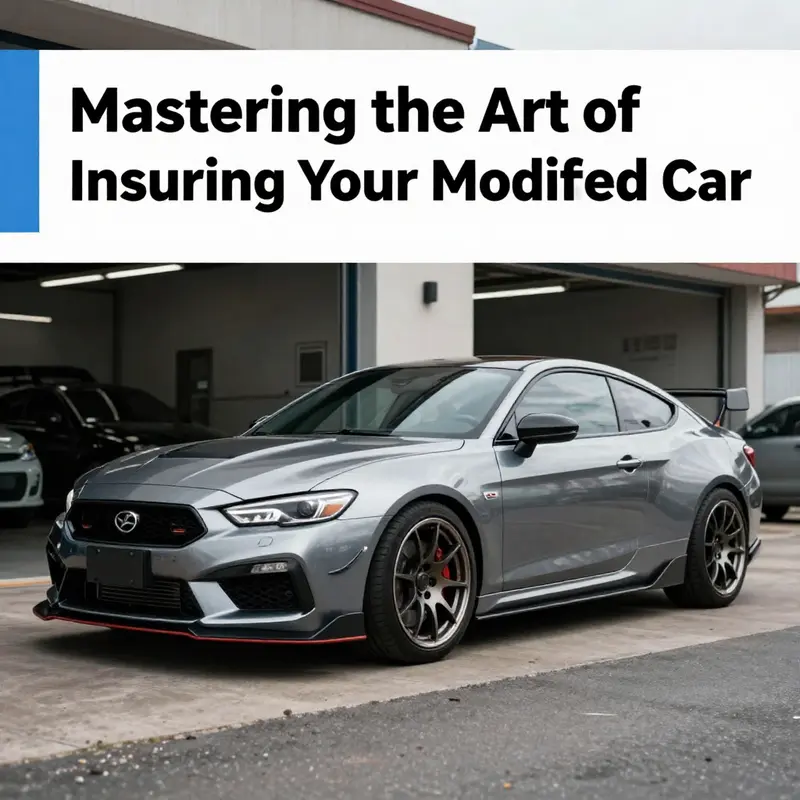
When you modify a car, legal rules and insurance rules both change how your vehicle is treated. Knowing the boundary between what is allowed and what is insurable prevents surprises later. This chapter explains those boundaries, what insurers expect, and how to protect your investment without breaching legal or policy limits.
At the most basic level, a standard auto insurance policy covers the car as it was described when you bought the policy. That description refers to factory specifications and the vehicle’s registered technical data. Any significant change to those specifications can alter the insurer’s assessment of risk. As a result, many insurers exclude modified parts by default. That exclusion means your upgraded stereo, aftermarket turbo, or custom interior may not be paid for after a claim unless you took proactive steps to insure them.
Not all modifications are equal under the law or an insurance contract. Some alterations are routine and legally permissible. Examples include non-special paint colors, small rim changes within the approved size range, and interior cosmetic upgrades that do not affect safety systems. These changes are usually acceptable to registration authorities and insurers, provided they keep the vehicle within the technical limits that match its registration documents. Other changes cross legal or safety lines and can void coverage. Modifications that alter the chassis number, change declared engine or suspension specifications, or tamper with emissions and safety-critical systems are often illegal. Insurers commonly refuse claims for vehicles with such alterations, even if the policy was active at the time of loss.
The single most important habit you can adopt is transparency. Notify your insurer in writing before you make any modification, or immediately after installation. Insurance companies rely on accurate declarations to calculate premiums and determine coverage scope. A written record establishes when the change occurred and what was altered. It also avoids the worst-case outcome: claim denial for concealment. If the modification adds market value or materially changes performance, failing to declare it is a fast route to dispute.
Documentation is the practical bridge between your modifications and insurability. Keep receipts, invoices, installation records, and photos. If a part requires certification, such as engine swaps or powertrain adjustments, secure the official paperwork. These documents are essential when requesting a Custom Parts and Equipment endorsement, often called a CPE rider. The CPE endorsement extends the standard policy to include non-factory parts. Still, its limits depend on the insurer’s terms. Endorsements usually insure parts up to a declared value and may require a separate premium calculation based on total added equipment cost.
A CPE endorsement helps with routine and modest upgrades. However, when modifications significantly change performance or value, a different approach may be necessary. For cars with extensive or valuable aftermarket work, consider an agreed value policy from a specialist insurer. An agreed value policy sets a pre-determined payout amount for a total loss. That amount reflects the vehicle in its modified state. This eliminates disputes about diminished value after a claim. Specialist insurers also have underwriters and claims staff familiar with modified vehicles, which reduces friction during loss settlement.
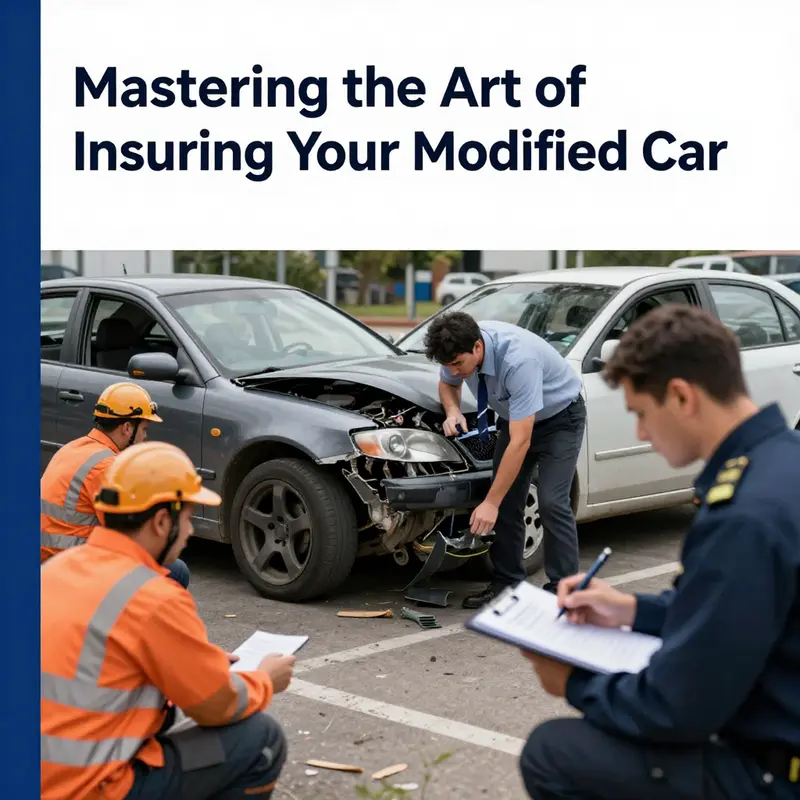
How claims play out depends on fault and policy types. If you cause an accident, a standard policy will usually cover repairs that restore the vehicle to factory condition. Modified parts often fall outside that coverage unless you purchased a rider. When another driver is at fault, their liability insurance may be responsible for restoring your vehicle, including modifications, provided you prove their value. That proof comes from original invoices and certification. Without that paperwork, you may receive only generic repair or replacement offers that ignore your upgrades. For single-vehicle incidents, such as hitting a stationary object, the outcome is similar. The insurer’s obligation typically extends only to what the policy lists, unless you bought additional equipment coverage.
There are practical limits and pitfalls to watch for. Insurers will often cap the amount they will pay for aftermarket components. They can also require you to use approved repair shops or return parts for inspection before any work begins. Never perform DIY repairs on damaged modified parts before notifying your insurer. Doing so undermines the damage assessment and risks a denial. Likewise, do not attempt to inflate invoices after the fact to secure higher settlements. That is fraud and leads to criminal and civil consequences.
Legal compliance matters beyond insurance. Modifications that break local vehicle regulations expose you to fines, failure to pass inspections, and possible invalidation of your registration. Some jurisdictions require pre-approval for certain changes, such as engine swaps or major suspension modifications. If you are unsure whether a change is legal where you live, consult registration authorities or read official guidance on permitted adjustments. For a practical overview of acceptable and restricted alterations, see this guide to legal car modifications.
Choosing the right insurer matters as much as paperwork. Not all companies want modified cars on their books. Look for insurers that explicitly underwrite modified vehicles. Specialists are more likely to offer agreed value contracts and to understand the market for aftermarket parts. They may also work with recognized modification shops for valuations and repairs. If you carry financing or a lease, check lender or lessor requirements. Some contracts prohibit certain modifications without written consent. Altering a financed or leased car without permission can trigger penalties, repossession risk, or breach of contract—issues that complicate any insurance claim.
In short, the legal boundary and the insurance boundary overlap but are not identical. Legal compliance keeps you on the right side of the law and registration rules. Transparent disclosure and proper documentation align your policy with what you actually own. Supplemental coverage, like CPE endorsements or agreed value policies, fills the gaps standard policies leave open. When you combine legal awareness, timely disclosure, and the right type of cover, you preserve both your vehicle’s value and your financial protection.
For practical next steps and a broader perspective on how modifications interact with insurance, consult an external guide on insuring modified vehicles from a trusted finance resource: https://www.bankrate.com/insurance/car-insurance-modified-vehicles/.
Proactive Communication: The Keystone to Insuring a Modified Car
Proactive communication is not a one-off formality but the scaffold that supports every other decision about insuring a modified car. Modifications alter the machine, the risk, and the financial equation of coverage in ways that skeletal factory documentation simply cannot capture. When done right, proactive disclosure becomes a signal to underwriters that the driver is responsible, informed, and prepared to manage the added risks. When done poorly or late, it can unravel coverage, inflate premiums, or leave the policyholder exposed to claims that insurers will not honor. This is not just about avoiding denial; it is about aligning expectations, ensuring that the vehicle’s true condition is reflected in the policy, and building a basis for fair pricing and robust protection.
Modifications change risk in several dimensions. Performance upgrades can affect braking, steering, or tire wear; aesthetics and aftermarket parts may alter weight distribution or wind resistance; electrical and powertrain changes can shift the materials and safety profile of the car. Even seemingly minor changes, such as interior upgrades or luggage racks within regulatory limits, can still influence how an insurer views the vehicle. The core idea is that risk is a dynamic attribute, one that evolves with every bolt tightened or part swapped. If a modification is not disclosed, the insurer cannot adjust the risk assessment accurately, and coverage terms can be misaligned. In the worst case, a non-disclosure can invalidate a claim because the policy was issued under an incomplete or misleading risk profile. The stakes are not only financial; they are tied to safety, maintenance, and the integrity of the claims process.
A clear, upfront disclosure process helps secure a policy that truly reflects the modified car’s condition. When you sit down with the insurer, you are not merely filling a form; you are negotiating the terms of risk that will govern future claims. The information provided during disclosure serves as the factual bedrock for premium calculations, deductibles, and coverage limits. It also determines which components are eligible for coverage under add-ons or specialized riders. Car damage insurance, for example, generally covers factory parts; it is the add-on insurance that often underwrites the value of upgraded sound systems, turbo kits, or custom interiors. The separation of these coverages should be visible in the policy documents, with clear tags for what is protected and what remains excluded. The more meticulous the disclosure, the more accurately the policy will mirror the vehicle you drive.
Transparency is not a one-time act but a continuing obligation. As modifications are added, removed, or replaced, the onus remains on the policyholder to keep the insurer informed in writing. A simple email after a workshop visit is not enough; the record must be formal, dated, and accompanied by details such as a complete parts list, official invoices, and any certification documents. This is where documentation becomes your most powerful ally. It does not merely prove value; it demonstrates authenticity to the underwriter and, crucially, it creates a trail that supports future claims. The practice of maintaining digital and physical copies of all communications, receipts, contracts, and warranties is not pedantry but a necessary discipline that reduces ambiguity when a dispute arises. In some markets, insurers even require photographs or a spare parts inventory as part of the ongoing risk assessment. The aim is consistent and auditable accuracy, not redundancy for its own sake.
The value of early communication extends beyond the ownership paperwork. Many insurers recognize that modified vehicles require specialized underwriting procedures. A handful of providers maintain dedicated channels or teams with experience in aftermarket parts, performance systems, and non-standard equipment. These underwriters are better equipped to evaluate the incremental risk, anticipate common failure modes, and define realistic premium ranges. Yet this expertise only matters if the information reaches them before or at the moment the cover is bound. Delays or omissions can push a policy into a standard framework that neither recognizes the modification nor compensates appropriately for the added value. The mismatch can manifest as higher deductibles, lower coverage caps on modified components, or a flat refusal to cover certain parts in the event of a claim. The careful reader will understand why many drivers who care for their cars seek insurers known for handling modified vehicles and why they prepare thoroughly before any change is made.
A proactive stance also shapes the practical realities of claims. In a liability scenario, where the other party is at fault, your likelihood of recovering costs for modified components depends on presenting credible proof of ownership and value. In a single-vehicle accident, the insurer may limit payment to stock parts unless you have a rider that explicitly covers modifications. This is not merely theoretical; it is a reminder that the claim, and its outcome, hinges on the truthfulness and completeness of the modification narrative you have built with your insurer. When you have already supplied the invoices, certification, and a precise parts ledger, you empower the claims adjuster to assess each item fairly and to determine whether the damage is a direct reflection of the insured risk or an unrelated factory component. In this regard, proactive communication acts as risk mitigation in motion: it reduces the space for disputes and speeds the path to settlement.
An essential component of this discipline is choosing the right language for disclosure. The process should be methodical yet accessible, avoiding jargon that obscures what is actually being changed. It is helpful to view the disclosure as a living document that evolves with your car. If you add a high-value item such as a performance upgrade or a specialized piece of equipment, you should update the policy promptly, ideally with official purchase documents and any required third-party approvals. The sooner you inform, the more likely you are to secure a rider that faithfully covers the asset in its modified state rather than being limited to factory parts. And if you encounter questions about whether a particular modification is likely to affect coverage, a clear, well-supported explanation to the insurer can prevent future misunderstandings.
The broader lesson is that proactive communication is less about paying more and more about paying for proper protection. It aligns premiums with real-world risk, ensures the policy terms reflect what is on the road, and helps cultivate trust with the insurer. It also opens doors to specialized policies that can account for the true value of the modifications. The message is simple: inform early, document thoroughly, and engage with the insurer as a partner in risk management rather than as an adversary when a claim arises. For readers who want to explore the practical implications of which modifications influence insurance, a concise explainer can be found at What modifications affect car insurance, which delves into how different items—from cosmetic to mechanical—can shift coverage and pricing. What modifications affect car insurance
The journey does not end at purchase. An ongoing relationship with your insurer supports fair pricing and reliable coverage through every mile of modification. In the long run, this approach reduces the likelihood of expensive surprises during a claim, supports smoother interactions with adjusters, and helps you preserve the value of your investment. The Insurance Information Institute reinforces this perspective by emphasizing that proactive communication is a cornerstone of responsible auto insurance practice. See their guidance for drivers who want to understand why telling the insurer about every change matters, and how it shapes the entire claim and recovery process: Proactive Communication with Your Insurer. Proactive Communication with Your Insurer
Tailoring Coverage for Modified Cars: How to Choose Insurance That Fits Your Upgrades
Choosing the right insurance products for a modified car is less about chasing a single policy and more about constructing a protection framework that mirrors the car’s actual risk profile. Modifications shift the balance of risk in subtle and dramatic ways alike, altering the likelihood of theft, accident severity, and losses that extend beyond the vehicle’s original factory parts. A well-chosen package recognizes these nuances and pairs them with transparent disclosure, sensible premium management, and a provider that can navigate the specific challenges of aftermarket parts. The goal is not to pay more for the sake of it, but to ensure that the value of every modification is recognized and protected, so you’re not left financially exposed when misfortune strikes.
To begin, it helps to map coverage to modification type. Exterior modifications—body kits, custom paint, wheels—primarily raise exposure to theft and surface-level damage. In practical terms, this means you should prioritize theft protection through comprehensive coverage, along with paint and glass protection that covers scratches, dents, and other visible damage. Without this pair, a stolen or marred vehicle might not be compensated at the actual value of the vehicle with its aftermarket appearance intact. The same logic applies to the way the car is perceived on the street; insurance that ignores the visible changes can leave a mismatch between expected and paid outcomes when a claim is filed.
Performance-oriented upgrades—engine tuning, turbochargers, upgraded suspension and brakes—move from cosmetic risk to dynamic risk. They alter how the car behaves in cornering, braking, and impact scenarios, which can magnify both the probability of an accident and the cost of repairs. A robust collision coverage becomes essential, and you may also need to consider higher limits on third-party liability because the potential damages in a worst-case event could outpace standard policy caps. For high-value components, specialized engine or component coverage can provide protection for the exact systems you’ve upgraded, ensuring those parts are not treated as disposable if they fail or are damaged. In short, performance mods demand protection that acknowledges their contribution to a car’s power, speed, and repair bill.
Interior modifications—sound systems, upgraded wiring, or other electronic enhancements—introduce a distinct risk profile tied to electrical faults and fire. Electrical systems are complex, and the potential for a fault to trigger a fire can be non-trivial. A policy that places priority on fire and self-ignition protection helps close this gap. If wiring or electrical work is extensive, you want to be sure the coverage explicitly addresses self-ignition risks and power-related losses, not just the mechanical aspects of the vehicle. The aim is to avoid a scenario where a costly interior upgrade becomes a write-off because the policy doesn’t map fault to payout.
Beyond category-specific coverage, the theme that threads through all modifications is disclosure. Transparent and thorough disclosure is non-negotiable. Insurers rely on a precise picture of what has changed to assess risk accurately. Failing to declare modifications can lead to claim denial on grounds of material misrepresentation, even if the policy was issued in good faith. You should provide a complete list of all modifications, identify each part by make and model, and include cost data or invoices where possible. When you fail to disclose, you undermine the entire risk calculus that underpins your policy and its claims handling. As a practical matter, keep digital and paper copies of every invoice, receipt, and approval document and reference them in any written communication with the insurer.
Premiums and policy terms will inevitably shift as you modify. The more substantial and performance-oriented the upgrades, the more likely you are to see a premium rise. Premiums reflect not only the higher risk of damage but also the higher cost of replacing advanced parts. Insurers may respond with exclusions, higher deductibles for modified parts, or even additional fees tied to high-risk modifications. Reading the fine print becomes essential. A good practice is to request a detailed breakdown of how modifications affect premiums before signing, so you can plan your budgeting and avoid surprise charges after an incident.
For owners with high-value or highly specialized parts, standard car insurance often falls short. This is where an add-on, sometimes called additional equipment insurance or new equipment loss insurance, proves its value. This rider sits alongside the main policy and covers the actual value of aftermarket components, from the upgraded audio system to advanced safety or performance equipment. The premium for this add-on typically depends on the total value of the modified equipment, so it’s important to keep a current and precise inventory, with receipts and appraisals where available. The clarity of coverage is what makes the difference between a repair that restores the car to its upgraded state and a claim that covers only original factory components.
Choosing the right provider and channel matters as much as choosing the right products. Not every insurer offers coverage for modified vehicles, and those that do may have strict underwriting criteria. Look for underwriters with a dedicated channel for modified cars, experienced claims adjusters who understand aftermarket parts, and partnerships with reputable modification shops. A provider with these capabilities is more likely to honor claims fairly and efficiently when a modification is involved, rather than treating the car as if it were still in stock condition.
Transparency, again, threads through the decision. There is a strong incentive to disclose even modest changes fully and accurately. Concealment is a common reason for claim denial, and once a change is discovered, it can trigger reassessment of risk, policy cancellations, or coverage gaps. The best approach is a comprehensive, written modification log that accompanies the policy. With that document, the insurer can quarterly or annually reassess risk as upgrades occur, rather than waiting for a claim to test the relationship.
In practical terms, this means you should engage with your insurer early and often. Notify them before you begin modifications or immediately after completion, and do so in writing to create an official record. Attach a detailed inventory, copies of purchase invoices, certificates, and any official approvals. This proactive stance not only smooths the path to coverage but also builds a collaborative relationship with the insurer, which can pay dividends when questions arise during a claim.
To explore these ideas in more depth and see how different insurers talk about modified-vehicle coverage, you can consult a dedicated resource on insuring modified cars. For a thorough overview, see Insurance for Modified Cars.
As you navigate the path from modifications to protection, you will also benefit from understanding the broader ecosystem of guidance and best practices. A practical external reference that complements this discussion is What modifications affect car insurance. This external resource helps further illuminate how specific changes influence risk assessment, premium structure, and coverage options, reinforcing the core message: the right insurance products for a modified car are those that reflect the car’s real capabilities, while remaining transparent and adaptable as upgrades evolve. The journey toward effective coverage is gradual, but with careful planning, you can secure protection that preserves the value of your upgrades and your peace of mind as you enjoy the car’s enhanced performance and personality.
In sum, insuring a modified car is not merely about selecting a broader policy; it is about aligning the policy with the car’s true risk profile, maintaining meticulous records, and partnering with a provider who understands the distinctive needs of aftermarket parts. When you combine thorough disclosure, targeted add-ons, and a provider with the right underwriters, you gain coverage that truly corresponds to your car’s upgrades. With that foundation in place, the road ahead becomes safer and less fraught with financial uncertainty, allowing you to drive with confidence and clarity as you explore what comes next in your vehicle’s evolving story.
null
null
Choosing the Right Insurer for a Modified Car: A Practical Guide to Coverage That Reflects Your Modifications

Insuring a modified car demands more than a standard quote and a single premium. The landscape is different because the risks, repair costs, and even the way a claim is handled can change once a vehicle wears aftermarket parts or undergoes performance upgrades. The core question becomes practical and personal: which insurer is equipped to evaluate, underwrite, and, when necessary, support you through a claim for a vehicle that no longer mirrors the factory configuration? The most reliable path is to seek out specialized insurers who explicitly offer policies for modified or high‑performance vehicles, rather than relying on a one‑size‑fits‑all approach. In many markets, large, traditional carriers routinely restrict or exclude significant modifications. They may still insure a car with minor cosmetic changes, but once you push beyond the borders of standard, off‑the‑shelf parts, the risk calculus shifts. A specialized underwriter, by contrast, inventories a broader spectrum of modifications and has adapted tools, processes, and networks to handle the unique consequences of those changes. This alignment makes a tangible difference in both cost and confidence when you need to file a claim. When evaluating options, the emphasis should be on how the insurer handles complexity, not merely on a lower upfront premium. A nuanced underwriting approach recognizes that modifications can affect trackability, braking performance, aerodynamics, and even the likelihood and cost of parts failure. A responsible provider will ask for precise information about each change, request supporting documentation, and set expectations about what is and is not covered under different scenarios. This is why transparency becomes the foundation of a solid relationship with any insurer you’re considering for a modified car. You’ll need to disclose every alteration, and the insurer’s willingness to work with you hinges on the quality and completeness of that disclosure. In practice, you’ll want to see a company that provides a clear pathway for modification reporting, a straightforward method for submitting photos and invoices, and a process that rewards accurate data rather than penalizing your willingness to provide it. The underwriting process for modified vehicles is often more transparent when the insurer offers an online portal or a digital tool that guides you through the specifics of each modification. A modern, user‑friendly interface enables you to enter horsepower figures, suspension upgrades, and audio or interior enhancements with the confidence that the figures are being captured in a way the underwriter understands. This is not idle convenience; it translates into a more accurate valuation, a fairer premium, and a better platform for documenting agreed value in the event of a total loss or substantial damage. The concept of agreed value, in particular, is crucial for modified cars. Unlike traditional policies that settle on actual cash value, an agreed value approach fixes the insured amount based on a pre‑agreed appraisal of the car’s worth given its current configuration. For many enthusiasts, this is a practical acknowledgment that a collector’s mindset has entered a daily driver or weekend racer. It ensures that the modifications themselves contribute to the car’s value rather than being treated as a depreciation drag, and it protects both sides in a claim scenario where the market may not fully reflect the vehicle’s enhanced specifications. As you sift through potential providers, consider how they handle claims. A reliable insurer for modified vehicles will not only acknowledge the specialized nature of your parts but will also maintain relationships with repair shops that are familiar with aftermarket components. The presence of certified repair partners can shorten downtime, preserve the integrity of modified parts, and ensure that the repairs align with the vehicle’s performance profile. A swift, knowledgeable claims process matters because downtime often translates to real costs, particularly if the car remains off the road for an extended period or requires sourcing rare parts. You should expect claims teams to be responsive and equipped to compare aftermarket parts to factory equivalents with a consistent standard. Look for examples of how the insurer handles documentation after an accident. Ideally, the insurer will work with you to reconstruct what happened, verify the value of modified components, and assess whether the incident lies within the policy’s scope. If the other party is liable, you’ll want the ability to present invoices and documentation showing the original value of each modification. A good insurer will recognize that a robust record trail improves the chances of a fair settlement and reduces disputes during the claims process. This is not merely theoretical. The right underwriter will have a policy framework that allows for flexible coverage options, including protection for aftermarket parts and the ability to add rider coverage for high‑value components. The breadth of coverage matters as much as the depth. You should be able to tailor a policy to your needs, adding protections for specialized equipment, restoration work after an incident, or even ancillary services such as roadside assistance or replacement transportation while repairs are underway. Flexibility also extends to the terms themselves. Some policies offer restoration coverage, which can be valuable if you intend to return the car to its current modified state after an accident, rather than replacing it with a stock equivalent. Others provide coverage for ongoing maintenance or seasonal storage, recognizing that a modded vehicle can have different usage patterns than a stock model. While evaluating providers, financial strength becomes a practical signal of reliability. A company with strong reserves and stable leadership is better positioned to handle large claims across a broad spectrum of vehicle configurations. It is reasonable to consult independent ratings and consumer feedback to gauge long‑term stability and service quality. In the end, the best insurer for a modified car is the one that aligns with your car’s unique profile, your documentation habits, and your expectations for how a claim will be resolved. Start by identifying specialized underwriters in your region, then examine their underwriting transparency, claims network, value‑based coverage options, and financial resilience. Prepare a detailed modification ledger that includes photos, receipts, and any official approvals, and assess how each insurer requests similar information. Some programs demand more granular data than others, and the difference can be substantive in both pricing and claims outcomes. As you assemble proposals, insist on a clear explanation of what is and isn’t covered, and seek clarity about how the insurer values aftermarket parts in the event of a total loss. If you need a practical roadmap to the documentation you should prepare, see our article on the topic: insurance for modified cars. This resource offers a concise checklist aligned with the realities of modified‑vehicle coverage and can help you assemble the dossier your chosen underwriter will expect. Once you have chosen a specialist option, maintain an ongoing dialogue with your insurer. Even well‑documented modifications can evolve, and a proactive relationship reduces the likelihood of surprises at renewal time or during a claim. If your vehicle undergoes further changes, update the insurer with the same care you demonstrated initially. The goal is not to lock yourself into a rigid contract, but to establish a transparent partnership in which both sides understand the value and risk introduced by every modification. In short, insuring a modified car is as much about the relationship and process as it is about the policy limits. A well‑chosen insurer will treat your car’s configuration as part of its risk profile, not as a nuisance to be overcome. They will provide a clear path to reporting modifications, a robust documentation framework, and a claims experience that respects the specialized nature of your vehicle. With the right partner, you gain protection that reflects the reality of your build, rather than a simplified abstraction of it. External resources can offer additional perspectives on how the market handles modified vehicles, including value considerations and coverage nuances. See the linked external resource for deeper coverage insights related to modified vehicle policies: modified vehicle coverage explained.
Final thoughts
Securing insurance for a modified car is a multi-faceted journey that requires knowing your legal boundaries, maintaining proactive communication, and selecting tailored insurance products. These steps protect not only your investment but also the passion behind your modifications. By understanding the potential claim scenarios and knowing how to choose the right insurance provider, enthusiasts can drive their modified cars with confidence, knowing they are covered. Embrace the journey of car modification, and don’t let insurance complexities hold you back.