
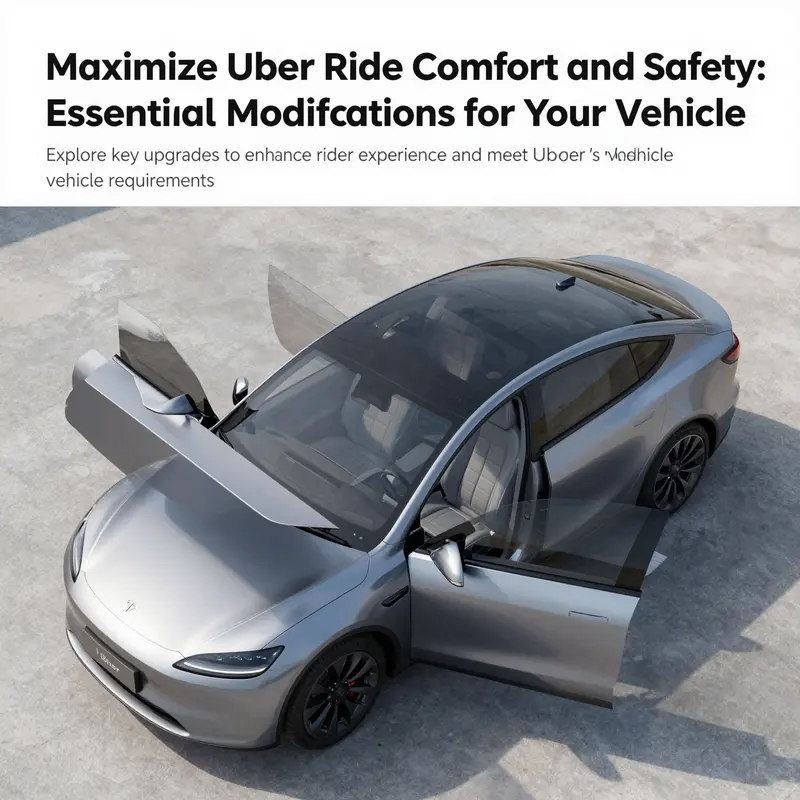
Whether you’re a hobbyist car modifier, a professional tuner, or simply looking to upgrade your vehicle for Uber, understanding the right modifications is crucial. With over a million drivers on the platform, the need for optimized passenger comfort, safety, and compliance with Uber’s guidelines cannot be overstated. This guide highlights various modification strategies to enhance your car’s interior, security features, lighting, and suspension, ultimately creating a superior riding experience. Each chapter will delve into specific areas of improvement, ensuring that every change you make aligns with Uber’s standards and elevates both driver and passenger satisfaction to new heights.
Inside Comfort: Subtle Interior Upgrades that Elevate the Uber Rider Experience

When drivers consider upgrading a car for Uber, the goal is to balance compliance with a calmer, more professional rider experience. The interior is where riders form lasting impressions after the ride ends, so subtle upgrades should elevate comfort without turning the vehicle into a showroom. A thoughtful interior approach emphasizes durability, ease of cleaning, and reversible changes that align with Uber’s safety standards.
Tactile upgrades begin with the feel of surfaces. A soft-touch dashboard cover and a breathable steering wheel cover can reduce glare, improve grip, and convey a sense of quality without drawing attention. Modern haptic design means passengers notice deliberate materials and finishes rather than flashy gimmicks. The aim is quiet confidence, not spectacle.
Cleanliness and hygiene set the baseline for rider satisfaction. Choose protective, wipe-clean fabrics or seat covers that resist staining and are easy to remove for cleaning. Removable, washable covers help maintain a pristine cabin between rides while staying within safety guidelines. Keep panels, cup holders, and door pockets easy to wipe and free from clutter.
Air quality and scent are subtle but impactful. A compact, quiet air purifier can control odors without blasting the cabin with scent. Use a light, neutral fragrance that is unobtrusive and universally acceptable. Pair this with regular filter maintenance to avoid power drain or noise that could distract the driver.
Ambient lighting and climate controls contribute to comfort without distraction. Adjustable lighting should reduce glare and be gentle on the eyes. A discreet climate-control element or vent actuation can provide passengers with personal comfort without complicating the driver’s duties.
Practical comforts and storage help riders feel cared for. Consider high-quality seat covers with UV protection, sun visors, and odor-neutralization systems that remain non-intrusive. Small, tidy storage compartments for masks, cables, and sanitizers prevent clutter while remaining secure and easy to access.
Policy-conscious design matters. Upgrades should be reversible and removable, preserving the vehicle’s OEM look and staying within safety standards. Document changes with before-and-after photos to support insurance and compliance checks if required.
In closing, interior upgrades should read as quiet hospitality rather than flashy gadgetry. When done thoughtfully, they reinforce a professional image, improve rider satisfaction, and support a smoother Uber experience for both driver and passenger. Drivers should verify permissibility with Uber Support when planning changes to avoid missteps and ensure ongoing compliance.
Safety & Security Enhancements in Uber Vehicle Modifications
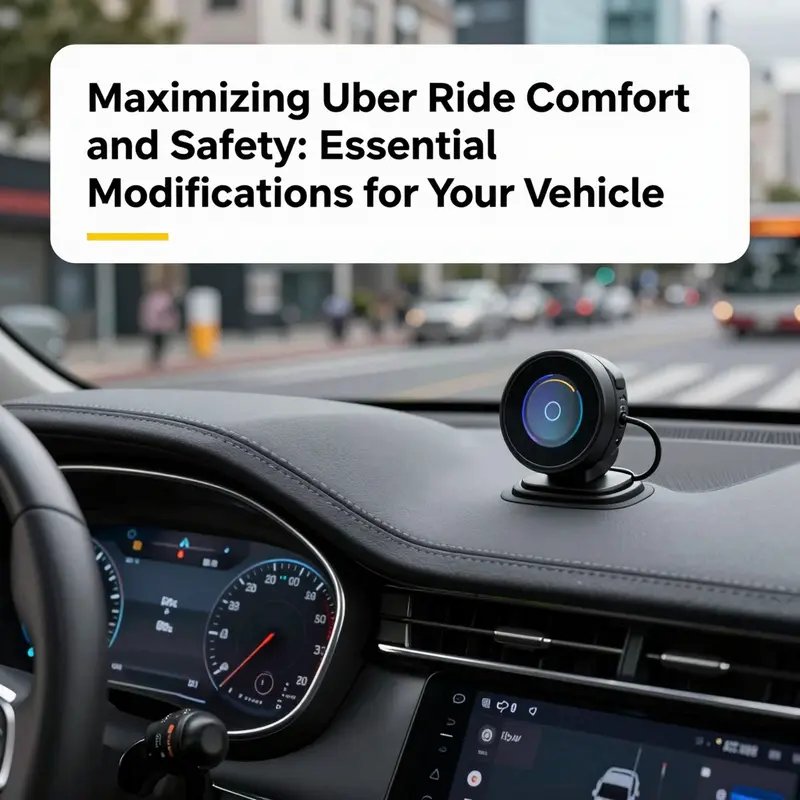
Modifying a car to be Uber-ready requires balancing rider safety, driver reliability, and policy compliance. The goal is to support a safe, comfortable riding experience while staying within Uber’s vehicle standards. The following considerations highlight practical, policy-aligned enhancements that can improve safety and security without compromising compliance.
Core safety: preserve baseline systems. Changes to braking, steering, or structural components should be left to professionals and must comply with local regulations. Emphasis on features that reduce driver fatigue and increase rider confidence, such as ergonomic seating and proper driver’s posture.
Cabin safety: dash cams and rear-view cameras can aid accountability and documentation. When installed and used properly, they contribute to safety without intruding on privacy when aligned with laws and Uber’s policies. Clear interiors and clean cabins reduce distractions.
Security and anti-theft: GPS trackers or approved anti-theft devices can improve recovery and provide reassurance to riders. Ensure devices do not interfere with diagnostics or performance and comply with local rules. Door locks and child lock controls add rider safety in families or with vulnerable riders.
Lighting and visibility: compliant upgrades to headlights or auxiliary lighting can improve night visibility, but must comply with local regulations and avoid glare. Ensure proper aiming and load on electrical systems.
Tires, suspension and ride quality: choose reputable all-season tires with good tread; modifications to suspension should not alter ride height beyond regulatory allowances or affect warranties. Avoid extreme changes that could compromise handling or legality.
Documentation and compliance: maintain before-and-after photos, installation receipts, inspection reports. Keep records of how each modification aligns with Uber’s standards and local laws. Before performing changes, verify with Uber Support or through official guidelines to prevent policy breaches.
Engage with Uber support: use official channels for questions, and consult the vehicle requirements page for current rules across regions. This helps keep the modification plan compliant and keeps the vehicle eligible for Uber verification.
Illuminate Your Uber: Lighting as a Safe, Compliant Car Modification
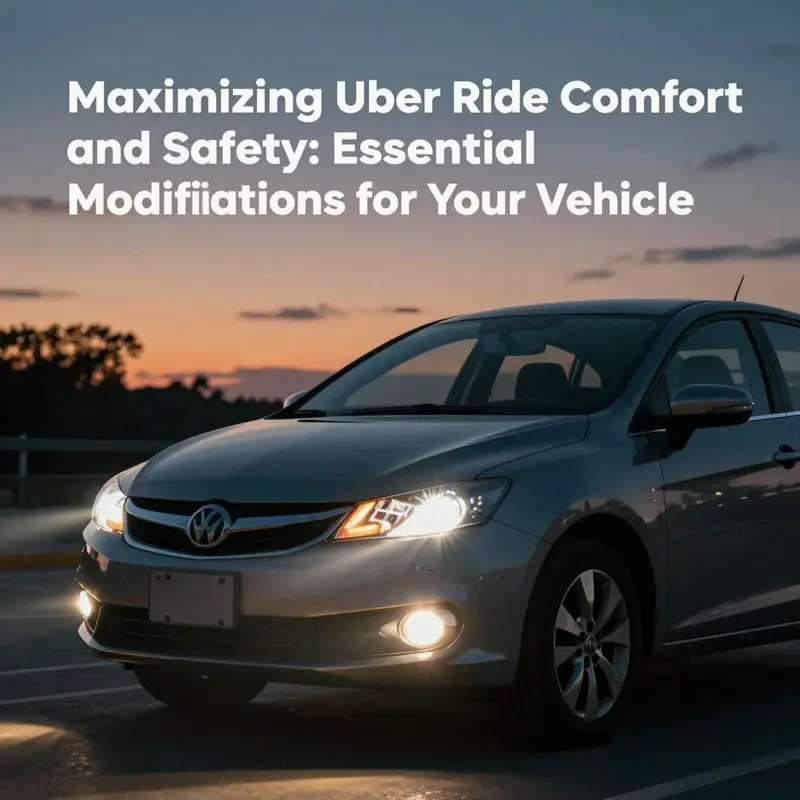
Lighting is not a flashy upgrade in the Uber modification playbook, yet it serves as a critical axis of safety, comfort, and compliance. In urban driving with frequent pickups and many short hops, the way a car lights up the street and the way the cabin glows can influence rider perception and driver safety alike. The 2026 guidance keeps a tight leash on modifications, encouraging drivers to optimize for safety and reliability while staying within the constraints of Uber’s vehicle verification process. The conversation around lighting touches more than aesthetics; it intersects with how riders interpret signals, how pedestrians gauge a vehicle’s intent, and how a driver communicates that intent in a clear, predictable manner. As such, when you consider lighting changes, you should frame them not as one-off cosmetic tweaks but as an integrated system that supports safe driving, ease of use, and a professional impression for Uber riders. Exterior lighting upgrades deserve careful thought. Upgrading to brighter LED headlights can improve nighttime visibility, reaction times, and the chance of spotting pedestrians before they step into the roadway. Yet brightness is a double-ededge sword. If the upgrade pushes a headlight beyond legal limits or creates excessive glare, it can invite tickets and, worse, disqualify the vehicle in Uber’s verification checks. The essence is to choose high-quality, compliant lights and ensure that they align with the vehicle’s original electrical architecture. Focusing on beam pattern, color temperature, and proper aim is essential. Fog lights, when correctly installed, can provide better low-contrast visibility in mist or rain, but they should not obstruct the main beam or be misused as signaling devices. A general principle is to avoid aftermarket lighting systems that resemble emergency vehicles or that flash inappropriately; Uber’s rules are strict about maintaining recognition and predictability for both riders and pedestrians. Inside the cabin, lighting can subtly influence comfort and mood without straying into distraction. Ambient cabin lighting, if kept at a low, neutral level, helps riders relax, especially during longer trips. It should be non-distracting and evenly distributed, avoiding hot spots near the driver’s eyes. The goal is to enhance the rider’s sense of space and cleanliness, not to create a nightclub atmosphere. Here, too, the modifications should be reversible and modest. When you combine interior lighting with other comfort upgrades—clean upholstery, good seating support, quiet cabin acoustics—you build a perception of professionalism that supports rider trust. And trust translates into smoother rides and better tips, which is a practical facet of staying competitive on the platform. Yet lighting isn’t only about mood; it’s also a tool for safety and transparency. The decision to install a dash cam or rearview camera is one of the most straightforward safety investments a driver can make, and Uber explicitly supports safety measures. A dash cam can provide clear evidence in case of disputes while recording lanes, intersections, and passenger interactions. It’s important to install such devices in a way that does not obstruct the driver’s view or violate privacy considerations. Positioning cameras behind tinted glass or near airbags should be avoided; ensure that the storage policy and data retention comply with local privacy laws and with Uber’s policies. If you regularly drive in areas with complex pedestrian traffic or high ride volumes, a dash cam is a practical safety tool that aligns with Uber’s emphasis on accountability and rider safety. From a broader safety vantage point, even components like door locks and child safety locks deserve practical attention. While not glamorous, modern, reliable door locking systems contribute to rider security, especially when transporting families or passengers with children. Paired with a robust GPS tracker or anti-theft mechanism, these features create a layered security approach that keeps both vehicle and riders safer during and after trips. The goal is not flashy incidents but consistent, dependable performance that riders perceive as professional. In this way, what seems like a minor upgrade—an efficient locking system or a discreet, privacy-aware dash cam—becomes part of the trust scaffold that makes Uber’s platform feel safe to use. Looking to the horizon, the patent discussions around lighting and pedestrian communication reveal an ambition beyond the typical human-driven taxi experience. Uber’s exploration into flashing lights that engage when a pedestrian approaches an autonomous Uber vehicle signals a future where communication with vulnerable road users happens in a visible, transparent way. A projected crosswalk on the windshield, paired with a virtual driver gesture, would give pedestrians a clear cue about where the vehicle is headed. Audio cues, too, could add another layer of clarity, especially for the visually or audibly impaired in new urban environments where noise can obscure human cues. While these features are still under review and not yet standard practice, they illuminate a design philosophy worth considering for drivers today: lighting and sound can extend safety beyond the occupant cabin and into the broader street choreography. To translate this vision into everyday, compliant practice, drivers should anchor their modifications in the existing Uber policy and local laws. There is a real boundary between thoughtful enhancements and changes that invite rejection at vehicle verification or even suspension of the driver account. Avoid custom body kits, spoilers, or any exterior customization that alters the vehicle’s recognizability. The platform requires that a vehicle remain visually consistent with its registered make and model. Exaggerated paint schemes or non-original aesthetics can jeopardize a driver’s ability to operate on the network. This constraint doesn’t punish aesthetics alone; it’s a fidelity requirement that helps Uber match vehicle records with riders’ expectations and with enforcement realities on the road. Similarly, aftermarket wheels and oversized tires can cause regulatory or safety issues if they affect tire clearance or suspension geometry, so they deserve careful, lawful selection and professional installation. The policy landscape around window treatments is equally cautious. While tinted windows might seem like a comfort feature, excessive tinting can reduce visibility for the driver, raise safety concerns, and trigger policy violations in many jurisdictions. The general rule is to maintain window transparency enough to comply with local lighting and visibility laws, particularly for the driver to be aware of surroundings and for riders to enter and exit safely. The principle extends to sound systems as well; ultra-loud audio or bass can degrade rider comfort and violate community standards. The aim is to keep the car an environment that is predictable and nonintrusive, a place where riders feel safe and respected. In practice, the most effective lighting improvements are those that balance visibility, rider comfort, and policy compliance. A bright, well-focused headlamp kit that preserves beam patterns can improve nighttime safety without altering the vehicle’s signature beyond recognition. Interior ambient lighting should be tastefully implemented with attention to power consumption and electrical load. The dash cam, when set to wide-angle, high dynamic range, and discreet recording modes, can provide evidence and reassurance without intruding on passengers’ privacy. A robust but unobtrusive anti-theft system adds peace of mind, especially for solo drivers or those who work during late hours. All these pieces—headlights, ambient cabin lighting, cameras, and security devices—build a reinforcement loop of safety that aligns with Uber’s emphasis on rider protection and professional service. Crucially, any modifications should be planned with an eye toward how they will impact the verification process. Before you lift a wrench, confirm that your car is within Uber’s 2026 vehicle requirements: the vehicle should be registered in your name, be under the age threshold specified for your city (often under 8 to 10 years), have four doors, pass local safety inspections, and be properly classified in your driver profile. These checks exist to ensure a baseline of reliability and safety across the network. If a modification affects any of these elements—for instance, an exterior change that alters the vehicle’s exterior appearance or a noncompliant lighting system that could blind other road users—it may jeopardize your eligibility to drive under Uber’s program. The path to compliance is not a series of one-off adjustments but a careful alignment of all changes with the vehicle’s identity and the legal environment in which it operates. To support readers who want a practical, phased approach, consider a longer horizon plan. Start with a thorough assessment of what’s already excellent in your car: engine health, braking responsiveness, tire condition, lighting performance, dash camera coverage, and interior cleanliness. Then prioritize changes that offer measurable benefits in rider experience and safety but stay clearly within the policy envelope. LED headlights aren’t just about aesthetics; they are about improving the driver’s ability to see pedestrians or cyclists at the edge of the beam, especially in rain or fog. A clean, odor-free cabin plus subtle ambient lighting create a comfortable, professional atmosphere where riders feel respected. A reliable dash cam protects against red-light or stop-sign disputes and provides a truthful record of events when incidents occur. A robust locking system and theft protection guard against loss or damage while the vehicle sits in service. If you want a compact resource you can consult alongside Uber’s own policy, there is a practical, reader-friendly guide you can reference for general car modifications and their implications. For a structured, policy-aligned overview of changes, see the car modifications guide. car modifications guide. The link offers a framework to evaluate changes against insurance, legality, and resale considerations, helping you avoid overreach while still pursuing improvements that matter to riders and to your own driving comfort. It’s not a substitute for Uber’s official rules, but it provides a grounded, practical perspective that complements the internal Uber checks and city-specific regulations. As Uber moves toward more integrated human-vehicle communication concepts in its autonomous ambitions, this chapter’s focus on lighting remains timely. The reality is that many rides are conducted by human drivers with the same concern for safety and clarity as the autonomous future intends to emphasize. Lighting can become a shared language on city streets, a signaling system that supports pedestrians, cyclists, and other drivers. The better your lighting plan is at reducing ambiguity, the more you contribute to a safer, more predictable environment for everyone. When you couple this with a disciplined approach to compliance and ongoing maintenance, you cultivate a professional standard that aligns with Uber’s expectations and the rider’s sense of trust. In summary, lighting improvements represent a pragmatic, high-value class of modifications for Uber. They can enhance visibility and rider experience without overstepping the boundaries set by policy, as long as you choose components that fit the vehicle’s architecture, respect local laws, and preserve the car’s recognizability. The ongoing exploration of lighting and audio cues in Uber’s autonomous initiatives doesn’t threaten the validity of this approach; it instead provides a forward-looking context that emphasizes clarity, transparency, and safety as central to any modification strategy. As you plan, test, and deploy lighting upgrades, stay aligned with Uber’s vehicle requirements and city regulations, keep your documents organized and updated, and remember that the best improvements are those that create a safer, calmer, more professional ride for passengers. For more details on Uber’s pedestrian-communication patent ideas, you can review the related coverage in The Verge. https://www.theverge.com/2018/3/22/17145396/uber-autonomous-vehicle-pedestrian-communication-light-sound-patent
Stability at Scale: Tire and Suspension Tweaks for an Uber-Ready Ride
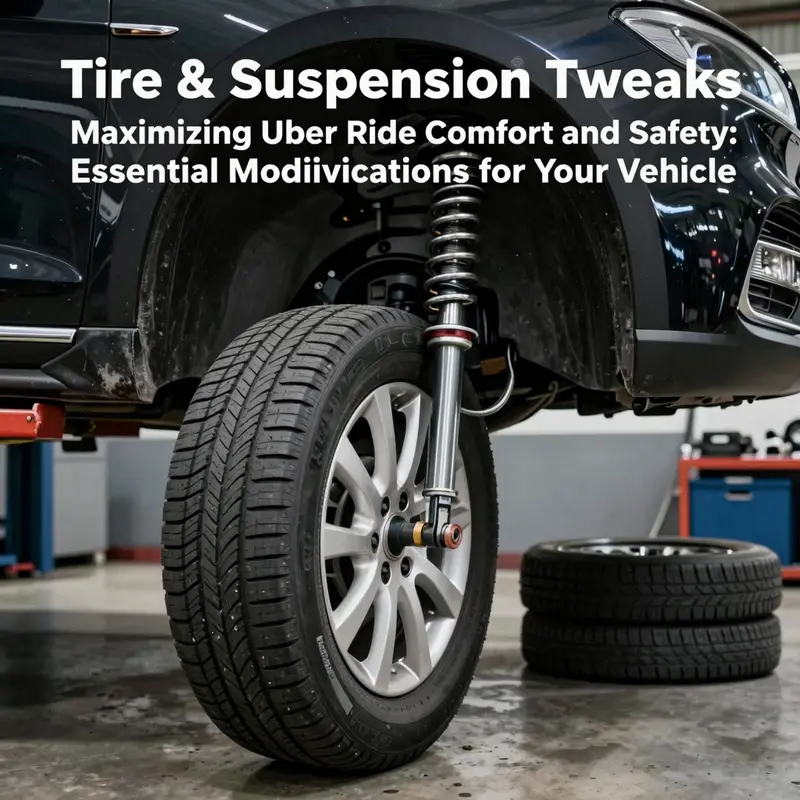
Tire and suspension work may seem like quiet, background chores, but in the Uber ecosystem they are foundational to safety, comfort, and repeat business. The vehicle you drive is not just a shell that carries riders from A to B; it is a moving platform that must absorb the rigors of urban potholes, sudden stops, and variable traffic while keeping passengers calm and confident enough to rate the ride highly. When you plan modifications for Uber, tires and suspension deserve a measured, disciplined approach. They influence everything from daily comfort to tire wear costs, and they interact directly with Uber’s safety and compliance standards. The goal is not to chase the latest aftermarket trend but to engineer a ride that remains predictable, compliant, and inviting for riders across a broad range of road conditions and city neighborhoods.
In this context, the choice of tires is not just about grip on dry pavement. It is about traction in rain, snow, and the occasional gravel patch, about rolling resistance for fuel efficiency and range of service, and about tread life to minimize unexpected maintenance. All-season tires with well-defined tread patterns and robust wear ratings are often a prudent starting point for Uber drivers. They provide dependable grip across a spectrum of weather and road surfaces, a critical factor when riders rely on prompt pickups during rush hours and in dense urban corridors. The everyday reality of ride-hailing is punctuated by frequent acceleration, deceleration, and steering inputs, which place higher demands on tire integrity and tread depth. Worn tread can reduce wet-weather grip, increase stopping distances, and degrade passenger comfort—a combination no driver wants to offer.
The suspension system is the other half of the equation. It is the component that determines how a wheel responds to rough pavement, railroad tracks, speed bumps, and the occasional off-ramp detour. A well-balanced suspension preserves ride quality without compromising handling or safety. In practice, this means choosing dampers, springs, and mounts that provide compliant travel over imperfect pavement while maintaining stable body control during cornering and emergency maneuvers. The balance is delicate: a suspension that is too stiff may deliver excellent handling on smooth roads but produce a harsher ride for riders on the highway or in neighborhoods with uneven surfaces. Conversely, a suspension that is tuned for maximum comfort can sometimes feel sluggish or wallow on fast city streets. Uber drivers must navigate these trade-offs with a clear eye toward rider experience and vehicle longevity.
As you evaluate tire and suspension upgrades, begin with a fundamental truth: the vehicle must remain compliant with Uber’s vehicle requirements, and any modifications should not alter the vehicle’s visual identity or performance beyond safety and reliability. The official guidelines consistently emphasize safety, inspection readiness, and driver accountability. Tires and suspension changes, therefore, should be measured changes that support a smoother, more reliable ride without triggering issues with inspections, insurance, or the ride-hail platform’s verification process. In many ways, they are the most visible elements of the passenger experience. A rider notices the smoothness of the ride, the absence of excessive road noise, and the predictability of handling. Those perceptions translate into higher ratings and more consistent rider returns, which is the practical return on investment for thoughtful tire and suspension work.
From a practical standpoint, the first step is to prioritize wheel and tire compatibility with the vehicle’s original specifications. Uber’s standards require accurate vehicle identification and alignment between the registered vehicle and the car used for rideshare. Ensure any wheel or tire upgrade preserves OEM dimensions or remains within the allowed tolerance window for tire width, aspect ratio, and wheel offset. Large, dramatic wheels or aggressive offsets can interfere with the fenders, suspension travel, and brake components, potentially creating rub or interference that undermines safety and ride quality. The most successful tire upgrades are those that respect the wheel wells, maintain proper clearance, and preserve the car’s original stance as much as possible. This is not a restriction for the sake of rigidity; it is a preservation of reliability and compliance.
Tire choice becomes a balance between grip, durability, and noise. In urban settings, all-season or touring tires are often the best default because they offer predictable behavior in wet and dry conditions, good wear life, and relatively quiet operation. A rider’s impression is shaped not just by turn-in and braking but also by the absence of distracting road noise. When selecting tires, look for tread patterns designed for stability and even wear. Avoid extremely aggressive tread designs that deliver maximum off-road traction but generate more road noise and vibration on smooth asphalt. Even if you live in a region with varied weather, the aim should be to maximize rider comfort and tire longevity while staying within local regulations and Uber’s compliance framework. Periodic maintenance matters just as much as the initial choice. Regular rotation, balancing, and tire pressure checks keep the ride consistent across hundreds or thousands of miles. Underinflation or overinflation can distort the contact patch, alter steering feel, and increase tire wear, all of which translate to poorer rider experiences and increased maintenance calls.
Suspension upgrades should center on improving ride quality without sacrificing control or increasing risk. Upgrading dampers or struts, when done with a view to maintaining correct alignment and ride height within the vehicle’s design tolerance, can reduce micro-bouncing and improve how the car absorbs road imperfections. The objective is not to produce a “floaty” ride but to achieve a controlled, composed one. If you replace springs or dampers, ensure the replacements are compatible with the vehicle’s suspension geometry and do not change the ride height in a way that would alter the car’s safety characteristics or weight distribution. The temptation to “tune for comfort” by drastically softening the suspension is common, but it often backfires in urban driving where quick response and stable handling are essential for safe passenger drops and pickups. A hum of road texture or the jolt from a sharp pothole can become a rider’s lasting memory of a ride if the suspension is not tuned to recover quickly and keep occupants in place.
Balance also includes the effect of tires on braking performance. Brakes and tires are a paired system; upgrading one without considering the other can yield mismatches in stopping distance or steering control. If you pursue higher-performance pads or brake hardware, ensure the brake system remains compatible with the stock wheel and tire dimensions, and that the added performance does not create a harsher driving experience for riders who may be sensitive to abrupt deceleration or noise. The question of which upgrades deliver meaningful returns is nuanced. In many cases, a well-maintained stock suspension with modern all-season tires provides the most consistent and predictable ride quality for the widest array of riders. Improvements still matter, but they should be incremental, preserve ride comfort, and be compatible with the car’s overall design. Advancing into the territory of aggressive lowering, oversized wheels, or extreme performance components tends to escalate costs and risk. It can undermine ride comfort and, in some locales, may violate noise or safety regulations. Uber’s platform expects a standard, reliable vehicle, and the last thing you want is a modification that makes your car stand out in a negative way or invites a denial during vehicle verification.
There is also a pragmatic operational dimension to tire and suspension tweaks. The costs of replacement tires, consumables, and potential suspension service should be weighed against the expected uplift in rider satisfaction and service availability. A set of high-quality tires with longer life can reduce downtime from unexpected flats or wear-related issues, especially if you operate during peak demand periods when every missed ride or delay compounds rider dissatisfaction. If you are considering a move to higher-quality tires or upgraded dampers, quantify the potential return: improved ride quality, reduced maintenance, and the likelihood of better ratings. It is not merely about chasing top-end performance; it is about sustaining a dependable, comfortable, and compliant ride over many months of steady operation.
For drivers who want to anchor their choices in documented best practices, Uber’s own guidance on vehicle preparation offers a clear baseline: maintain vehicle safety, ensure inspections pass, and preserve the car’s identity as a compliant model within the platform’s framework. This is especially important for tire and suspension decisions, because the changes sit at the interface between driver comfort, rider perception, and regulatory compliance. A measured approach—start with reliable tires, compatible wheels, and a suspension that improves comfort without changing the vehicle’s essential ride character—serves both safety and profitability. It also helps minimize friction with Uber Support if questions arise about a particular modification. In other words, when you embark on modifications, you should be moving toward a ride that feels steadier, quieter, and more controlled, not a car that feels altered to the point of being unrecognizable to the platform or the vehicle’s original registration.
If you are still unsure about how a specific upgrade might affect your Uber eligibility, there is a practical path. Begin with small, easily reversible changes. Replace worn tires with high-quality all-season units that match the vehicle’s original size and load rating. Have the suspension inspected and serviced by a professional who understands how ride height, alignment, and bump-stump performance interact with tire stiffness and road feedback. Keep meticulous records: tire invoices, service receipts, alignment certificates, and any diagnostic notes from your mechanic. These documents are invaluable for proving that the modifications are safety-forward and compliant with local safety standards. It is also wise to photograph the vehicle before and after modifications. Clear visuals can accelerate any verification process and build confidence with riders who look for consistent rides in a crowded marketplace.
From a rider’s perspective, the difference is tangible when the tires grip predictably, and the suspension soaks up a rough patch with minimal jiggle. A quiet cabin, with limited road noise, adds to the sense that the vehicle is well maintained. The reward is typically reflected in better ratings, more repeat riders, and a stronger, steadier earnings trajectory. It is not a glamorous upgrade, but it is a reliable, repeatable path to delivering a solid Uber experience. For the driver, this approach translates into fewer roadside contingencies, lower long-term maintenance costs, and a clearer path to remaining compliant with Uber’s evolving standards. As the ride-hailing landscape shifts with policy updates and safety expectations, tire and suspension strategies that emphasize safety, comfort, and compliance will endure as core competencies of a responsible, successful Uber driver.
Incorporating the broader guidance, one can see that the decisions around tires and suspension are not isolated mechanical choices but part of an ecosystem of safety, comfort, and compliance. The objective is to maintain the car’s identity as a reliable, roadworthy vehicle while elevating the passenger experience through thoughtful, measured improvements. With careful selection, professional installation, and ongoing maintenance, a driver can realize meaningful benefits without crossing into the realm of over-modification. The careful balance of tire grip, suspension compliance, and ride quality fosters a ride in which passengers feel secure and comfortable, and drivers feel confident that they are delivering value in line with Uber’s expectations. It is an approach rooted in practical wisdom, one that respects the vehicle’s heritage and the platform’s standards while still delivering a modern, refined ride.
As with all vehicle-related enhancements in the Uber ecosystem, the ultimate test of any tire and suspension modification is real-world performance. Are riders arriving with less fatigue, less jostling, and more consistent temperatures and acoustics within the cabin? Do the tires wear evenly, maintaining stable traction across urban routes and varying weather? Does the suspension contribute to predictable stopping distances and comfort over rough pavement? If the answer to these questions is yes, the modification has achieved its objective without compromising compliance or safety. The path to Uber-optimized ride quality is not about chasing the latest gadget but about understanding how tires and suspension shape your car’s everyday behavior and rider perception. It is a practical art, blending science, maintenance discipline, and a measured respect for policy and local laws.
For readers seeking a structured starting point, a core takeaway is simple: prioritize safety-forward choices that improve ride quality while preserving compliance and the vehicle’s original identity. Select tires that provide reliable traction and mileage, maintain proper inflation and rotation routines, and avoid drastic changes to wheel size or suspension geometry. When upgrades are warranted, pursue dampers or springs that enhance comfort and control without altering the vehicle’s fundamental alignment or ride height beyond regulatory allowances. In summary, tire and suspension tweaks have the potential to elevate both driver satisfaction and rider experience when handled with care and informed judgment. Their impact on earnings is indirect but meaningful, driven by improved rider ratings, fewer maintenance disruptions, and a steadier operation across busy days and unpredictable weather.
Internal link: car modifications affect insurance
External resource: https://www.uber.com/drive/prepare-your-car/
Final thoughts
Elevating your car for rideshare duties not only enhances your earnings potential but also ensures a comfortable and safe experience for your passengers. Each modification discussed plays a vital role in achieving that goal, working synergistically to meet Uber’s compliance requirements while providing an unmatched level of service. By focusing on interior comfort, safety enhancements, optimal lighting, and effective tire and suspension choices, you’re positioned to make your vehicle a top-notch choice for riders. Remember, meticulous enhancements can turn routine drives into memorable experiences, ensuring you stand out among Uber drivers.