
For car enthusiasts, modifying vehicles is more than a hobby; it’s a way to express individuality and enhance performance. Yet, many overlook an essential aspect of car modification: the potential to reduce insurance premiums. By implementing certain modifications aimed at security and safety, you can significantly decrease the perceived risks associated with your vehicle according to insurers. This article unfolds the key modifications that keep your ride uniquely yours while also saving you money. Each chapter will delve into how you can protect your investment, improve safety features, utilize technology like dash cams, and understand the impact of your modifications on insurance costs, ensuring you make informed decisions that benefit both your passion for vehicles and your wallet.
Locking in Savings: The Insurance Power of Security and Safety Upgrades
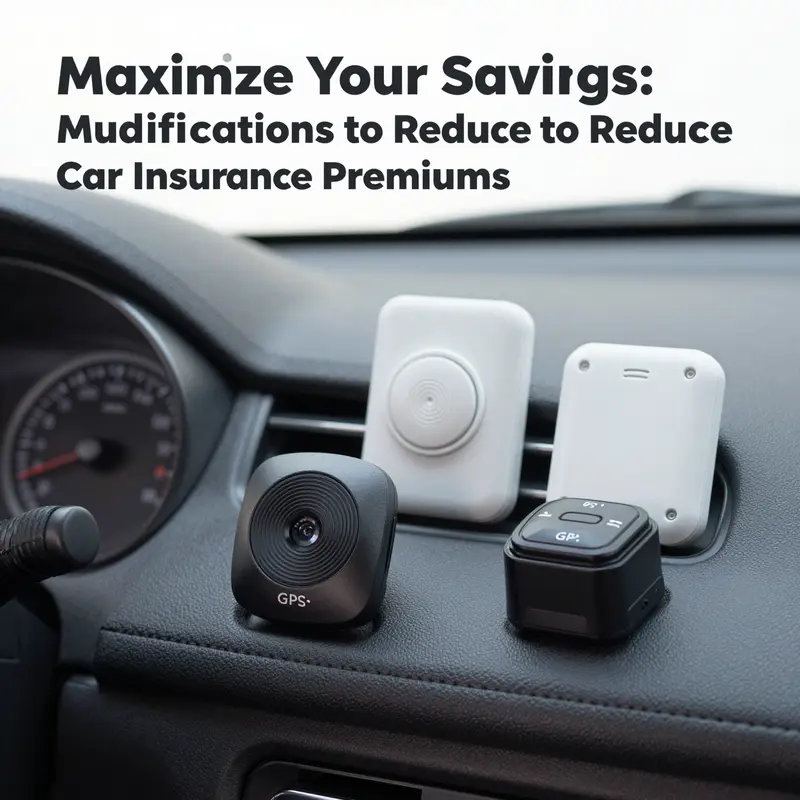
Insurance pricing is a mirror of risk. When a driver makes a vehicle harder to steal and better at protecting occupants, underwriters see a smaller chance of loss and a lower cost of claims. Modern vehicles offer devices and technologies that translate protection into policy relief. The most impactful moves are not cosmetic but demonstrably reduce theft likelihood or crash severity. Upgrading with approved security devices and safety systems, when professionally installed and properly documented, can yield discounts that meaningfully reduce overall cost of coverage.
Security devices sit at the core of this risk-reduction calculus. GPS tracking systems act as real-time beacons and recovery tools. Beyond alerts, they enable rapid location updates and increase the odds of recovery after theft. With the vehicle located quickly, insurers see diminished theft exposure and lower payouts. Alarms deter theft and reduce the window of opportunity, while steering-wheel immobilizers increase required effort and time to break in, translating into smaller expected losses for the insurer. Across many markets, certified anti-theft devices typically carry discounts in a practical range—often five to fifteen percent depending on device type and the insurer’s program. The principle is straightforward: lower theft risk yields lower premiums.
Safety features that actively prevent or mitigate crashes further reshape risk. Advanced Driver Assistance Systems (ADAS) like automatic emergency braking, forward collision warning, lane-keeping, blind-spot monitoring, and adaptive cruise control tend to reduce crash frequency and severity. When installed correctly, many insurers offer additional premium reductions reflecting reduced crash risk and lower potential costs. Discounts for ADAS can approach or exceed fifteen percent in some policies. Traditional safety components—multiple airbags, including side and curtain bags, and a well-functioning Anti-Lock Braking System—continue to be valued as protections that preserve occupant safety and vehicle integrity, thus lowering expected losses in insurer models.
Dash cams provide another incentive. A dash cam offers a verifiable record of events, aids fault determination, and can deter fraud. When insurers can rely on reliable footage, they settle disputes more efficiently, which translates into discounts for drivers who install these devices. The evidence base helps dampen dispute costs and supports more favorable claim outcomes.
For drivers of electric vehicles and other specialized configurations, there are additional considerations that can influence pricing. Some carriers offer tailored coverage or policy adjustments when charging infrastructure is integrated with broader safety and security upgrades. While not universal, these specialized forms acknowledge EV-specific risks and the potential for incidents around unattended charging equipment. When combined with robust security and safety upgrades, such coverage can contribute to a broader strategy for reducing total insurance costs.
To maximize savings, a few practical steps help translate upgrades into measurable discounts. First, confirm with the insurer that the devices and features you install are approved for discount eligibility. Approval criteria vary by insurer and by device, so an upfront check can prevent surprises at renewal. Second, rely on professional installation that adheres to industry standards. Certified installation is often required for discount eligibility and ensures devices perform as intended in real-world conditions. Third, collect and retain documentation—installation receipts, certification numbers, and product data that demonstrate compliance with the insurer’s discount program. When applying for a discount, ready-made proof can smooth the process and avoid delays.
The overarching idea is straightforward: as a vehicle’s security and safety profile improves, the insurer’s risk assessment improves as well. Not every device guarantees a discount, and savings vary across carriers. Discounts depend on device type, certification, vehicle make and model, and the insurer’s program. View upgrades as an investment that pays for itself over time through lower premiums, rather than a one-off expenditure with uncertain payoff. This mindset aligns with how insurers think about risk and clarifies the value proposition of a thoughtful, well-executed upgrade plan.
A broader context helps frame these choices. For drivers who want to understand how modifications affect insurance pricing, the literature emphasizes prevention investments—security devices and active safety systems—that tend to yield reliable premium reductions. Regulatory analyses and policy discussions reinforce the role of standardized safety and anti-theft devices in reducing the likelihood and cost of claims. For readers seeking a deeper dive beyond this chapter, a broader discussion of how modifications influence premiums can be found at the resource linked in our internal discussion: car modifications affect insurance.
In practice, the most compelling case for upgrades is the combination of protection and proof. A theft-resistant vehicle is not merely less attractive to criminals; it is a lower-risk asset for insurers to indemnify. When drivers can show their vehicle is equipped with properly installed, certified devices, and when those devices are documented, the path to discounts becomes clearer and more reliable. This is especially important in a market where discount programs vary and incentive levels can change. The disciplined approach—verify, document, install professionally, and maintain documentation—maximizes the likelihood that the intended savings materialize at renewal.
For those exploring broader implications, consider how modifications fit into a holistic risk management strategy. Investments in security devices and ADAS complement responsible driving habits, maintenance, and safety checks. Together, they form a risk-reduction portfolio that strengthens a driver’s reliability in the insurer’s eyes. In that sense, upgrades do more than protect property; they signal a proactive stance toward risk that benefits the policyholder on the bottom line as well as on the road.
External resources can provide additional perspectives and regulatory context. For readers seeking official guidance beyond insurers’ programs, the National Association of Insurance Commissioners (NAIC) offers an overview of how safety and security devices influence coverage and discounts. See the NAIC guide linked here for further detail: https://www.naic.org/camera/insurance-coverage/car-insurance-discounts-for-safety-and-security-devices.htm
Smart Safety Upgrades: How Modern Features and Security Devices Lower Car Insurance Premiums
Upgrading a car with safety and security technology is more than a matter of comfort or convenience. It is a calculated move that signals to insurers that your vehicle represents a lower risk on the road and a lower potential cost if something goes wrong. In the world of car insurance, the kinds of improvements you choose can influence not just your daily driving experience but the price of coverage over the long term. The most effective strategies cluster around two goals: deterring theft and preventing or mitigating crashes. When these goals are achieved, insurers see fewer claims, smaller losses, and the premium reductions follow.
First, deterrence pays dividends. Anti-theft devices, when approved and properly installed, are among the strongest levers for lowering rates. A professionally fitted alarm reduces theft risk by waking the neighborhood up and raising the bar for would-be thieves. GPS trackers, meanwhile, offer real-time location oversight and dramatically improve recovery rates. The possibility of fast recovery translates into smaller expected payouts for the insurer because a stolen car that is recovered intact reduces the financial blow of a claim. Additional physical deterrents such as immobilizers and steering wheel locks add another layer of difficulty for criminals. The combined effect is a clearer signal of lower risk, which many insurers recognize with favorable pricing. The important catch remains this: not every insurer discounts every device, and the amount of discount varies. Always verify coverage with your provider before you invest, and ensure that the devices are installed by a professional who adheres to industry standards. Documentation matters. Keep receipts, installation certificates, and maintenance records; you may be asked to present them when applying for the discount.
Next comes the realm of safety features that help drivers avoid crashes or lessen the consequence when a collision cannot be entirely avoided. Modern driver assistance systems have become the new baseline for risk reduction on many new cars, and insurers are catching up. Automatic Emergency Braking (AEB) is a cornerstone, automatically applying the brakes if the driver does not respond quickly enough to an impending impact. Lane Departure Warning (LDW) helps keep vehicles centered in their lanes, reducing unintentional drift that can lead to side-swipe or frontal collisions. Blind spot detection provides a crucial heads-up when changing lanes, and forward collision warning gives early alerts of a closing vehicle ahead. Adaptive Cruise Control takes over speed management to maintain a safe gap, and Electronic Stability Control helps prevent skidding when roads are slick. Collectively, these features reduce both the likelihood of a crash and the severity of outcomes when one occurs. Insurance pricing now often mirrors this shift in risk, with discounts increasing for vehicles equipped with several of these technologies and with higher overall safety ratings.
Empirical data underscores the link between safety technology and lower collision costs. The Insurance Institute for Highway Safety, among others, compiles safety ratings that insurers use to calibrate risk. A 2025 IIHS report found that vehicles equipped with AEB and other ADAS saw substantially fewer rear-end collisions compared with similar models lacking these features. The magnitude of the effect—reported as a significant drop in rear-end crashes—translates into fewer claims and lower loss costs for the insurer. While the headline numbers describe aggregate trends, the practical takeaway for a consumer is straightforward: building a car with robust safety systems tends to qualify for meaningful discounts, particularly when those features become part of a broader safety package that a manufacturer or dealer package may offer. In talking to insurers, you will often hear about safety ratings, rather than a single feature, acting as a proxy for expected risk. The broader the safety profile—multi‑sensor ADAS, reliable braking, stable handling—the more compelling the discount.
Alongside airbags and ABS, the overall safety package can influence pricing. The vehicle’s safety rating—often a blend of IIHS and NHTSA data—acts as a shorthand for risk. Cars with high safety ratings and multiple standard safety features tend to attract the most substantial discounts. Financial consequences reflect this: many insurers quote an appreciable reduction, with ranges that can extend into the teens or even mid-twenties percent of the premium for vehicles that meet robust safety criteria. However, the actual savings depend on many variables, including your location, the insurer’s policies, and the specific safety configuration of your car. Because of this variability, prospective buyers are advised to request quotes from several insurers to gauge the likely discount for their particular vehicle and safety suite. The conclusion is practical: if you are evaluating two used vehicles, a model with a stronger safety package could be cheaper to insure in the long run than a similar, lower-cost option that lacks those features. For readers curious about the broader safety landscape, the IIHS vehicle ratings site offers a comprehensive reference point, and a quick review of rating summaries can inform decisions long before you step onto the lot.
Dash cams deserve a separate note. While they do not directly reduce the likelihood of a crash, they play a pivotal role in the claims process and can reduce fraud. A clear, time-stamped video record of an incident helps determine fault quickly and accurately. That, in turn, lowers claim costs and the overall risk to an insurer. When combined with good documentation and a well-maintained vehicle, a dash cam becomes part of a transparent risk profile. Some insurers explicitly offer discounts for drivers who install dash cams, recognizing the value of better evidence to settle claims faster and more fairly. The result is a practical, cost-effective upgrade that can yield a modest but real premium reduction over time.
On the flip side, modifications intended to boost power, luxury appeal, or resale value can backfire on insurance costs. High-end audio systems, cosmetic alterations, or engine upgrades typically raise the replacement or repair costs and may require higher coverage or specialized parts, which insurers view as elevating risk. The lesson is not to dismiss customization entirely, but to vet ideas against their effect on safety and theft risk. Choose modifications that reinforce security and safety, especially when you anticipate life changes such as a new commute, a different parking situation, or a change in household insurance needs. If a modification does not meaningfully reduce risk, it should be weighed against the incremental cost to insure and the long-term implications for claims.
Putting theory into practice means approaching upgrades with a considered plan. Start with a risk assessment of your typical driving patterns, parking environments, and crime risk in your area. Then consult with your insurer about which devices and features qualify for discounts and what documentation they require. Professional installation is non-negotiable for maximum benefit; it ensures the equipment functions as intended and remains compliant with safety and warranty standards. Document every step of the process: keep installation receipts, serial numbers, and warranty information in a dedicated file. When you apply for the discount, provide this information in a clear, organized package rather than leaving the insurer to guess what was done. If the method seems straightforward, you may be tempted to do things yourself, but a professional installation reduces the risk of misconfiguration or non-compliance that could void a discount.
In this spirit of careful planning, you may encounter the following recurring question: will these upgrades actually pay for themselves? The answer depends on several factors, including the cost of the devices, the scope of the safety package, and the discount offered by the insurer. The goal is to arrive at a net benefit over the term of the policy. In many cases, modest and well-chosen safety features that emphasize prevention—lighting and visibility improvements, secure immobilization, and robust ADAS—can deliver noticeable reductions in premiums within a policy period. For those who live in high-theft areas or who park on the street or in shared lots, the deterrent effect and the evidence-preserving power of dash cams can be especially valuable. The personal finance calculation becomes a blend of peace of mind and measurable savings, rather than a speculative attempt to chase a discount.
Finally, the broader lesson is that insurance savings are not the result of a single device but of a risk- management approach that aligns with how insurers evaluate danger. The most successful route is to build a safety-forward profile that communicates predictable behavior and strong theft resistance. If you are considering a set of changes to a financed or leased vehicle, be mindful of lease terms and financing consequences, and ensure that your modifications comply with any contractual obligations. For a concise reminder of how to frame your inquiry online, you can review the discussion on what modifications affect car insurance by following this link: what modifications affect car insurance. This is not just about saving money; it is about aligning your car’s capabilities with a prudent risk strategy that serves you every mile you drive.
To close this loop, remember that the best discounts tend to come from legitimate, well-documented improvements that directly address risk. A calibrated blend of anti-theft devices, ADAS and robust braking systems, plus a dash cam or two for accountability, sets up a clear, measurable reduction in expected losses. Professional installation and diligent record-keeping turn a potential price cut into real, sustained savings. If you plan ahead, your next renewal can reflect a lower premium grounded in a safer, more secure vehicle. The evolving landscape of vehicle safety technology, supported by ongoing research and standardized ratings, continues to reward drivers who invest in prevention rather than spectacle.
For more on vehicle safety ratings, see IIHS Vehicle Safety Ratings.
The Clear Case for Dash Cams: Reducing Insurance Risk Through Video Evidence
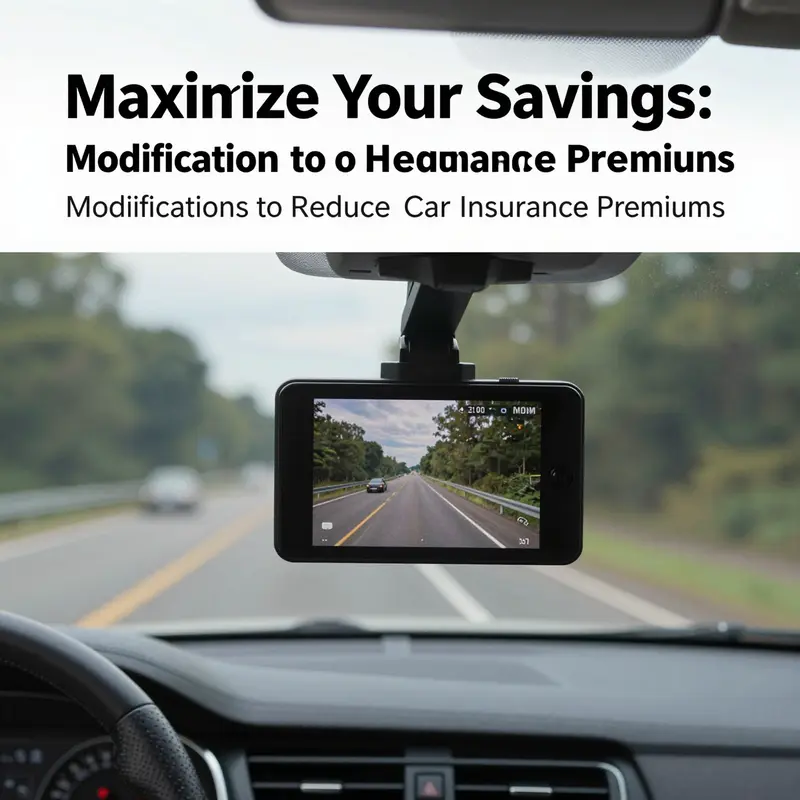
Dash cams often begin as a hobbyist accessory, but in the ecosystem of car insurance, they have earned a quieter, steadier reputation as a risk-reduction tool. Their value does not rest on muscle or horsepower but on evidence—clear, objective records of what happened during every drive. For insurers, that means fewer ambiguities and more predictable costs. For drivers, that translates into faster processing, more accurate fault assessment, and, in some cases, direct premium relief. This is not a universal guarantee, but it is a real, data-supported trend that aligns with the broader goal of reducing the cost of risk on the road.
Evidence from the industry supports the practical benefits of dash cams. A 2022 Aviva Insurance study found that claims supported by dash cam evidence were resolved 37% faster than those without. Faster resolution reduces administrative costs for the insurer and lowers the risk of inflated or disputed payouts. The result is a more efficient claim cycle and a policyholder who can move on with fewer delays after a crash. The speed advantage matters not just to the insurer’s bottom line but to a driver who wants clarity and closure rather than a protracted settlement process.
Surveillance footage also acts as a deterrent against careless driving and fraudulent activity. The Insurance Institute for Highway Safety notes that more than 40% of crashes reported to insurers occur at low speed—often in parking lots or at intersections. In those scenarios, a rear-facing camera becomes crucial, capturing events that a front-facing lens might miss. When the moments before and after a minor collision are captured, insurers can determine fault more reliably, which reduces the likelihood of exaggerated claims. As Mark Reynolds, a senior claims adjuster at Liberty Mutual, puts it, video evidence removes ambiguity. When we can see exactly how an incident unfolded, it minimizes back-and-forth and often leads to fairer settlements.
Yet the relationship between dash cams and cost savings is nuanced. Not all insurers offer a direct discount simply for having a dash cam. Some do, offering modest reductions or loyalty incentives for customers who participate in telematics programs or who share footage as part of a claim. Others may not adjust the premium at all, viewing the dash cam as a fairness tool rather than a price-cutting device. The most reliable expectation is that a dash cam strengthens the policyholder’s risk profile by providing verifiable data that can shrink claim costs and deter fraud. Even in the absence of a formal discount, the ability to document fault accurately reduces the chance of overpayment and speeds up resolution.
When you decide to install a dash cam, approach it as a professional safety investment rather than a mere gadget. Professional installation ensures the device remains powered, correctly positioned, and tested for reliability. Many insurers value not just the device but the quality of installation and the stability of footage. Keep thorough documentation: purchase receipts, model numbers, installation reports, and any warranties. This paperwork can be essential when you present your case for a discount or when you need to substantiate the device’s capabilities during a claim. A well-documented setup helps avoid questions about whether the device is temporary or properly integrated with the vehicle’s electrical system.
Beyond the hardware, the way you use the dash cam matters. Multi-angle coverage, buffered parking mode, and loop recording that overwrites old footage after a defined period can all contribute to better evidence while preserving important clips. Some drivers connect dash cams to cloud storage or telematics ecosystems that allow insurers to access the data with consent. While consent is crucial from a privacy and regulatory standpoint, consensual data sharing can translate into tangible savings or rewards for safe driving. The key is transparency: know what data is shared, how it is used, and whether any discounts hinge on that participation. This clarity helps maintain trust with your insurer and with yourself as a responsible driver.
To place dash cams within the broader discussion of modifications that affect car insurance, recognize a simple principle: changes that reduce risk may reduce costs, while those that increase replacement value or repair complexity tend to raise them. Dash cams fit the former category because they lower the insurer’s exposure and improve the accuracy of payouts. A broader look at modifications that affect insurance reveals a spectrum of outcomes, and you can explore that topic here: what modifications affect car insurance.
While the immediate financial impact varies by insurer, the long-term value is clearer. A dash cam makes you a safer, more accountable driver and makes the claims process more efficient. Even when a direct price cut is modest or conditional, the reduction in friction and the likelihood of a fair settlement can be worth more than a nominal discount. The goal is not to chase a single percentage but to build a consistent, risk-aware driving profile that insurers recognize. In the end, the dash cam is an ally in the broader effort to minimize the cost of risk, alongside smart driving, ADAS features, and secure anti-theft measures.
Finally, remember that each policy and each carrier has its own rules. Before purchasing, confirm whether a dash cam qualifies for any discount, and if not, whether it may still count toward a faster claim or reduced fraud risk. Ask for written guidance on evidence requirements and keep a tidy file of all relevant documents. By approaching the decision with clarity about both the financial and evidentiary benefits, drivers can make an informed choice that aligns with their overall strategy to reduce car insurance costs.
External resources offer additional context and practical guidance. For a broader look at how dash cams influence insurance decisions, see the Bankrate overview on dash cam impact on car insurance: https://www.bankrate.com/insurance/car-insurance/dash-cam-impact-on-car-insurance/
Performance vs Protection: What Modifications Truly Lower Car Insurance and Why
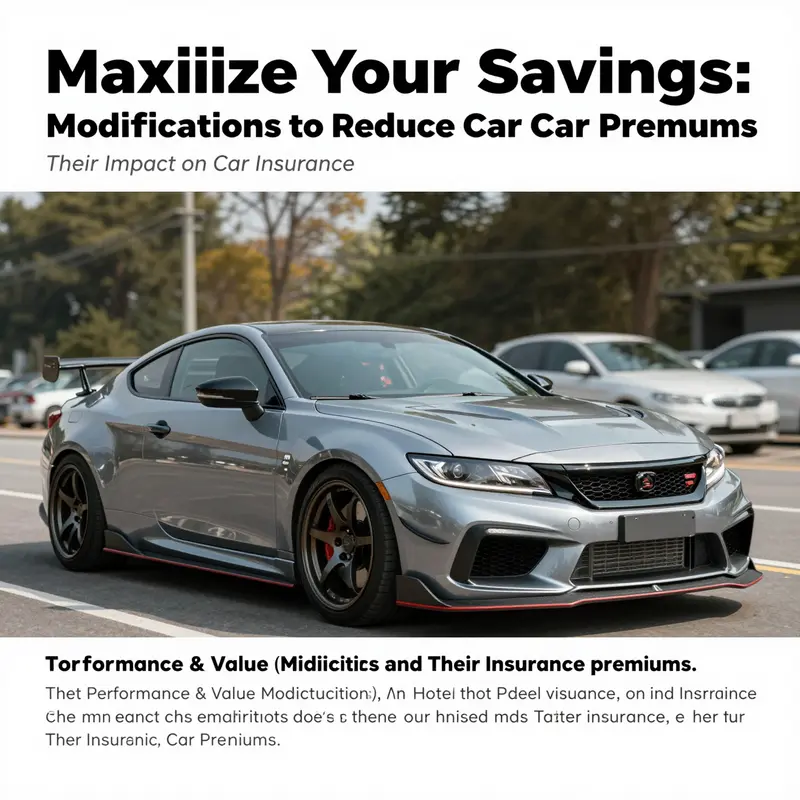
Performance vs Protection: What Modifications Truly Lower Car Insurance and Why
Modifications can feel like a route to customizing a car and tailoring ownership to personal taste. They can also tilt the risk calculus insurers perform every day. For some drivers, the temptation of extra speed, louder exhaust notes, or eye-catching aesthetics can lead to higher bills rather than lower ones. The reality, grounded in years of underwriting practice and recent industry analyses, is more nuanced: many upgrades do not help, and a few carefully chosen changes—especially those that improve safety, deter theft, or help insurers manage risk—can actually reduce costs. The key is understanding how modification choices interact with the way risk is measured, valued, and validated when a claim arises.
A central point in the research results is that performance modifications—turbocharging, engine tuning, upgraded suspension, or high-performance brakes—tend to push insurance costs upward. These upgrades are designed to extract more speed and sharper handling from a vehicle, which, in insurers’ eyes, translates to a greater likelihood of loss and higher repair costs. It is not simply a matter of “more power equals more risk,” but rather how that power translates into real-world variables: higher accident severity, increased chances of loss due to aggressive driving, and a broadened range of repair scenarios. In practice, underwriters gauge a modified vehicle’s risk profile through a lens that weighs speed potential, durability of the drivetrain under higher stress, and the costs associated with replacing or repairing upgraded components. The upshot is consistent: many performance modifications are associated with notably higher premiums, sometimes by a substantial margin. This isn’t merely theoretical; industry insights from recent years reinforce the pattern that when a vehicle’s factory balance sheet is altered toward performance, the insurer’s expected payout increases, and premiums adjust accordingly.
If there is room for meaningful savings within the modification conversation, it lies in the other side of the equation: modifications that demonstrably reduce risk and help manage the costs of repair or theft. A clear contrast emerges when we consider security and safety-oriented upgrades. Anti-theft devices, robust location tracking, and immobilizers alter the insurer’s perception of risk, often enough to produce tangible premium relief. The logic is straightforward: fewer thefts and quicker recoveries reduce the insurer’s expected payout, which translates into lower premiums for the policyholder. When a vehicle is equipped with alarm systems or GPS trackers, the probability of a total loss declines, and the cost of a possible claim decreases in the eyes of underwriters. These factors have a direct, positive impact on the premium calculation and are among the most reliable ways to achieve savings through modifications.
Beyond theft deterrence, modern safety features also command insurer appreciation. Advanced Driver Assistance Systems (ADAS) such as automatic emergency braking, lane-keeping aids, blind-spot monitoring, and adaptive cruise control contribute to lowering the likelihood of a crash or mitigating its severity. The presence of ADAS signals to insurers that the vehicle is equipped to prevent collisions or lessen damage, not just to the driver but to other road users as well. In many markets, these safety enhancements are recognized with premium discounts, sometimes significant, reflecting the reduced risk profile they create. Similarly, multiple airbags and reliable anti-lock braking systems contribute to safer outcomes in the event of a crash, further supporting favorable pricing when they are part of the standard or upgraded package.
Another vital area is the practical realities of coverage for modified parts. Standard auto policies generally cover the base value of the vehicle, not necessarily the aftermarket components installed after purchase. If a set of custom wheels, a body kit, or an upgraded audio system is damaged or stolen, there is a real risk that those parts won’t be fully reimbursed unless a specific endorsement is added. This is where insurers and policyholders can avoid misaligned expectations by opting for a Custom Parts and Equipment (CPE) endorsement, which broadens coverage to include the modifications. While a CPE endorsement does not reduce premiums by itself, it contributes to overall cost-effectiveness by preventing large out-of-pocket expenses when a loss occurs. In some cases, a well-documented modification plan paired with appropriate endorsement can indirectly support lower total ownership costs, particularly for drivers who value clarity and predictability in coverage.
For vehicles with extensive or high-value modifications, a different approach may be warranted: an agreed value policy. This type of arrangement is especially popular with classic or collector cars where the true worth of the modified vehicle exceeds standard valuation. With agreed value, both you and the insurer concur on the car’s value before the policy is issued, ensuring that a claim pays out according to a pre-agreed figure. This can be a prudent path when the modifications themselves constitute a substantial portion of the vehicle’s value. It’s important to note, though, that agreed value policies often come with higher premiums, reflecting the bespoke nature of the coverage and the risk assumed by the insurer.
Acceptance of changes requires ongoing communication with the insurer. Disclosure is not a bureaucratic formality; it is a critical step toward maintaining coverage and ensuring that a claim won’t be challenged on the grounds that a modification was hidden or misrepresented. If insurers are not informed about power upgrades, chassis alterations, or significant structural changes, they can deny claims or even cancel a policy later on. Conversely, timely disclosure paired with proactive endorsements or policy amendments often yields smoother claims processing and, over time, a more stable cost structure. Documentation plays a supporting role here. Retaining receipts, invoices, and appraisal records helps substantiate both the existence and the value of modifications, which can be decisive when gaps in coverage must be bridged or when a claim involves specialized parts.
All of these considerations sit against a broader principle that drivers should not pursue modification solely for the sake of premium reductions. Rather, the most reliable path to lowering insurance costs lies in enhancements that reduce risk—the kinds of changes that insurers can verify, measure, and quantify. In this sense, the modification decision becomes a risk management choice: what upgrades will make a vehicle safer, harder to steal, and more predictable to insure without introducing new, unmanageable liabilities? The answer is often to prioritize safety and security over performance, to favor endorsements that guarantee coverage for the added components, and to document all changes meticulously. These steps help align the vehicle’s risk profile with the insurer’s expectations, producing not only potential savings but also greater confidence in claim outcomes.
For readers exploring this landscape, consider how your modification strategy aligns with the broader theme of the article: which changes genuinely matter in the calculus of car insurance? If the goal is to reduce premiums, the path is often paved with deterrence and protection rather than with higher speed or flashy aesthetics. It is the quiet, verifiable safeguards—the devices that make a dent in the odds of theft, or the safety technologies that reduce crash severity—that deliver the most reliable financial relief. Of course, every insurer is different, and the discount landscape can vary widely across providers. A careful conversation with your insurer about which enhancements qualify for discounts is essential. This conversation should extend to how new modifications affect coverage terms, claim handling, and the need for endorsements, especially for high-value or heavily altered vehicles.
For further reading on how modifications influence insurance decisions and to connect the dots between policy design and practical upgrades, see the article linked here: car-modifications-affect-insurance. This resource underscores the importance of alignment between what you add to the car and how the insurer models risk, and it offers concrete guidance on tailoring coverage to reflect those changes.
As you weigh options, a pragmatic takeaway emerges: if a modification is intended to protect the vehicle from theft, prevent a crash, or help the insurer quickly verify what happened after a loss, it is more likely to contribute to savings. If a modification is tuned primarily for speed or style, expect premium implications that require careful budgeting and, in some cases, alternative strategies. The balance point lies where safety and security meet intelligent coverage choices, not in chasing horsepower alone.
External reference: https://www.bankrate.com/insurance/car-insurance-for-a-car-with-modifications/
Smart Shielding: How Security and Safety Modifications Trim Car Insurance Costs Without Compromising Protection
Risk is not a fixed price tag on a policy; it shifts with observable changes you make to your vehicle and your driving habits. When you choose modifications that demonstrably lower the chance of theft, reduce the severity of crashes, or make evidence-based claim handling easier for insurers, you tilt the risk balance in your favor. That shift translates into lower premiums. The most persuasive categories are those that address the insurer’s core concerns: theft risk, crash risk, and the cost of repair or replacement. By weaving security devices with safety technology into a coherent approach, drivers can achieve meaningful savings while preserving protection on the road. This is not a simple, one-size-fits-all calculation; it requires a thoughtful assessment of your vehicle’s age, its value, how you use it, and what an insurer values as risk-reducing behavior. The result, when done correctly, is a premium that reflects a smarter, lower-risk profile rather than just a sticker price for a policy.
Security devices sit at the forefront of this risk recalibration. An approved and professionally installed alarm system remains one of the most impactful ways to reduce premiums because it directly lowers the probability of theft and, critically, the insurer’s expected payout. A discreet GPS tracker offers real-time location monitoring and facilitates rapid recovery if a theft occurs, again trimming the expected loss. Physical deterrents such as steering wheel locks and immobilizers add an additional layer of difficulty for would-be thieves. Insurance underwriters evaluate these devices as tangible barriers to loss, and when installation meets industry standards and is properly documented, the reductions can be substantial. The most effective path here is to pursue equipment that is certified or widely recognized by insurers and to ensure a professional installer handles the setup. Documentation matters as much as the device itself: keep receipts, installation notes, and serial numbers so you can readily prove what was added when you apply for a discount. The resulting premium reflects a measurable drop in risk, and that drop is often consistent across multiple providers who recognize the same security logic.
Safety features form a parallel corridor of risk reduction. Modern driver-assistance systems, even in non-premium trims, have become a common criterion for underwriting. Automatic emergency braking, lane departure warnings, blind-spot monitoring, and adaptive cruise control—taken as a group or individually—signal to insurers that a vehicle is less likely to be involved in a high-severity crash and, in some scenarios, less likely to cause harm when an incident occurs. These systems can reduce the frequency of collisions and, crucially, the cost of damage when accidents do happen. Airbags, particularly side and curtain airbags, remain a robust indicator of occupant protection, while anti-lock braking systems provide continued control during hard braking, reducing the chance of secondary impacts. Together, these features do more than protect occupants; they help insurers manage the severity and cost of claims. Importantly, the value of safety features is amplified when they are present in combination with sound driving practices. Insurers often assess risk on a holistic basis, weighting both technology and behavior to determine discounts.
The narrative on modifications would be incomplete without acknowledging driving behavior and evidence in the record. A dash cam, the humble driving recorder, has moved from a niche accessory to a mainstream risk-management tool. It supplies objective video evidence in the event of a dispute, accelerates fault determination, and can deter fraudulent claims. When insurers see a reliable dash-cam setup, they are more confident in claim adjudication, and this translates to cost containment that supports lower premiums. The effect is not solely about what happened in a single incident; it also signals proactive risk management that insurers reward. The combination of a dash cam with secure devices and robust safety tech creates a layered approach that convincingly lowers overall risk exposure.
A crucial caveat keeps this approach grounded: not all modifications are cost reducers. Enhancements that raise a vehicle’s value or performance—such as high-end audio systems, cosmetic customizations, or engine upgrades—tend to push premiums upward. They typically increase the cost to repair or replace, or they alter the risk profile in ways insurers may not favor. The value here lies in discernment: focus on features that demonstrably mitigate loss risk rather than those that simply increase allure or speed. The goal is to replace the classic image of a low insurance cost with a well-documented, risk-aware modification plan that aligns with what the insurer regards as prudent risk management. Keeping the emphasis on security and safety features ensures the changes contribute to a lower net cost of ownership over time.
To translate these principles into a practical, effective strategy, an array of important considerations should guide every decision. First is the vehicle’s value and condition. For older or low-value cars, removing or reducing coverages such as comprehensive or collision can materially lower costs, provided the potential payout remains well below the cost of those coverages. This decision warrants careful market-value checks and a clear understanding of your own risk tolerance. Second, adjusting the deductible—often called excess—increases the portion you pay out of pocket after a claim while reducing ongoing premiums. The trade-off can be favorable, but the deductible must be affordable in a true emergency; otherwise, the financial burden during a claim may negate the savings. Third, a clean driving record remains one of the most influential determinants of premium level. Avoiding violations, accidents, and claims over time can sustain low rates, and it may also unlock multi-year no-claim discounts that compound savings. Fourth, the addition of safety and security features should be pursued with a plan that emphasizes verified, insurer-recognized devices and systems. The more obvious the risk reduction you demonstrate, the stronger the case for discount eligibility. Fifth, regular comparison of quotes across multiple providers helps uncover divergent underwriting models and promotional offers. Bundling policies, such as auto with homeowners or other lines, can yield meaningful multi-policy savings that compound with the risk reductions you achieve via modifications. Finally, annual reviews—or changes in life circumstances—should prompt a re-evaluation of coverage levels, ensuring you remain adequately protected without overpaying for coverage you no longer need or use.
In practice, the prudent path is a gathered, documented approach. Before moving forward, confirm with your insurer which devices and features qualify for discounts in your market, as the availability and magnitude of discounts vary. Require professional installation to ensure the equipment meets industry standards and functions as intended. Maintain thorough documentation—receipts, installation reports, and descriptions of each modification—to support your discount applications. And remember the broader objective: a safer car and a lower risk profile that aligns with the insurer’s calculations of probable cost in the event of loss. If you want a concise overview of which changes really affect premiums, see What Modifications Affect Car Insurance. This resource offers a practical baseline for the kinds of changes that tend to move the needle, without delving into speculative territories.
In closing, the path to meaningful premium reductions lies not in a single trendy modification but in a coherent strategy that couples security with safety. The most effective plans emphasize theft deterrence, crash avoidance, and compelling evidence for claim resolution. By designing a modification plan around those pillars, testing each step against the question, “Will this lower my risk in a measurable way?” drivers can secure insurance that reflects responsibility in both design and behavior. For those navigating this landscape, the journey is not merely about saving money today; it is about building a risk profile that insurers recognize as prudent, disciplined, and enduring. As you chart your path, keep in mind that the right combination of devices, features, and practices can deliver real, sustainable savings while preserving the protections you rely on when you need them most. External reference: https://www.nadcap.org/
Final thoughts
Incorporating the right modifications not only enhances your vehicle’s performance and aesthetics but can also lead to significant savings on insurance premiums. By focusing on security installations, safety enhancements, and leveraging technology such as dash cams, you can effectively minimize your costs while enjoying your vehicle to the fullest. Always remember to consult with your insurance provider on the specific modifications they recognize for discounts. With diligence and the right approach, you can revel in your passion for car modifications while keeping your insurance premiums in check.