

Car modification transcends beyond mere aesthetics; it’s about personalization, performance enhancement, and passion for the automotive world. Whether you’re a hobbyist car modifier, a professional tuner, or an enthusiast restoring a classic ride, understanding what modifications are permissible and beneficial for your vehicle is crucial. This guide will explore various modification categories, including exterior and interior enhancements, performance upgrades, special cases that require legal attention, and crucial safety and compliance considerations. Each chapter will deepen your understanding of the car modification landscape while ensuring that your passion translates into safe and compliant customization.
Exterior Modifications: Styling Your Car While Staying on the Right Side of the Law

Choosing exterior modifications is a negotiation between personal style, performance potential, and the rules that keep roads safe for everyone. The car you own becomes a moving canvas, but one that must still function within the boundaries set by regulators and insurers. This chapter weaves together practical options with the realities of legality, so you can envision a bolder look without compromising reliability or causing legal headaches down the road. The path begins with the simplest changes and grows into more complex alterations, all while staying mindful of registration, safety, and compliance.
Color and signature appearance are often the most visible changes you can make. A paint job or large vinyl wrap can transform a vehicle’s presence, but significant color changes typically require action at the DMV or your local vehicle registration authority. In many jurisdictions, changing the car’s color officially within the records is a quick administrative step that must be completed within a defined window, commonly within ten days of the change. The new color cannot imitate official vehicles, so a shade that resembles a government fleet would be a red flag. This is not merely cosmetic; it is about ensuring that road users and law enforcement can accurately identify a vehicle. When planning a total color transformation, expect to consider documentation, potential re-registration fees, and a brief service period to update insurance and registration databases.
Beyond color, the exterior language of a car is shaped by the shapes and surfaces that greet the air. Aerodynamic considerations, for instance, are not only about style—they influence stability, lift, and even fuel efficiency at highway speeds. Aerodynamic body kits, which may include front splitters, side skirts, and rear diffusers, can refine airflow around the vehicle. Such components can be more than aesthetic; when designed and installed properly, they contribute to a steadier ride at speed by managing airflow and weight distribution. Marcus Tran, an Automotive Dynamics Engineer, notes that exterior mods that optimize airflow and weight distribution can transform a sluggish sedan into a more responsive driver’s car. The implication is clear: if you pursue aero-focused parts, aim for ones that complement your car’s fundamental handling rather than disrupt it. Always check with the local DMV before purchasing or installing such parts, because some jurisdictions require pre-approval or specific documentation to ensure visibility and safety are not compromised.
The wheels and tires you choose define the stance of the vehicle as much as the rest of the exterior plan. Upgrading wheels can dramatically alter the visual silhouette and grip in corners, but size and offset must stay within the manufacturer’s original specifications. This precaution preserves suspension geometry and steering feel. Pushing to larger diameters or a lower-profile tire can improve grip and response, but it may also affect ride comfort, noise levels, and even ride height. If you’re chasing a particular look or performance target, discuss your options with a reputable shop that can confirm fitment and alignment across the suspension system. Clear communication about offsets and clearance helps prevent rubbing on full suspension travel and ensures that you won’t inadvertently invite tire interference with fenders or brake components.
Windows demand a different kind of balance. Tinting is allowed in many places, yet the law sets clear boundaries. Front side windows and the windshield typically face the strictest limits for light transmission, often capping the Visible Light Transmission (VLT) around 35 percent, though exact figures vary by jurisdiction. It’s essential to understand not just the letter of the law, but how tinting interacts with other safety features such as side mirrors and glare control. In some cases, you may need to carry documentation or obtain a clearance if you require contrast between functional visibility and privacy. If you’re replacing glass or implementing a tint, plan for a professional installation to avoid bubbles, uneven shading, or compromised visibility in rain or at night.
Another straightforward exterior modification is the license plate frame. A frame that reflects your personality—whether a witty phrase, a family motto, or an adventure-inspired message—can establish a tone the moment the car is seen. It’s a small touch, but it contributes to the overall impression of the vehicle and can be a conversation starter at meets or cruises.
Lighting upgrades offer another avenue to refine the car’s character and safety profile. Replacing standard headlights and fog lights with brighter, more contemporary LED or HID units improves night visibility and can create a sharper, more modern face for the vehicle. Daytime running lights (DRLs) add a distinctive look while helping other drivers notice your car in daylight. When selecting lighting, be mindful of local ordinances that regulate brightness, color temperature, and flashing patterns. The goal is better illumination without becoming a nuisance or violating rules that might trigger fines or inspections.
A custom paint job or wrap is a conversation between art and engineering. A high-quality vinyl wrap can deliver vivid colors, patterns, or even matte finishes that stand out from factory finishes. A wrap can be less invasive than a full repaint, and it offers the practical benefit of easier removal when you decide to move on. The decision often hinges on budget, desired impact, and the environmental conditions in which you drive. If you’re contemplating a wrap, verify the film’s durability, warranty terms, and whether you’ll need to address issues such as color matching for door jambs or engine bay components. A professional installation yields the most seamless finish, with clean edges along complex curves and around emblems and creases.
Wheels, tires, and a carefully chosen spoiler or roof spoiler can complete the exterior narrative. A larger, purposefully designed wheel set makes the stance read as intentional, while performance tires can deliver tangible gains in grip and response. The addition of a rear or roof spoiler improves high-speed stability by managing lift, especially on sedans and coupes with longer rear profiles. While spoilers can contribute to handling, the key is compatibility. An ill-fitting kit can disrupt aerodynamics and even compromise visibility. Ensure that any spoiler integrates with the car’s existing aerodynamics and that mounting points are secure and legal for road use.
There are special cases and legal requirements to keep in mind as you build this exterior look. If the change involves a substantial engine swap, a chassis change, or a VIN-related update, you’ll need to visit the DMV to adjust the records. Rooftop accessories such as cargo boxes and bike carriers are typically permissible, but there is often a caveat: they must be removed before annual inspections to avoid misalignment or safety concerns during the check. Off-road or racing mods are generally not street-legal unless specifically approved by authorities, so if your heart is drawn to extreme modifications, you’ll want to verify their street-legal status before you commit to installation.
All of these considerations foreground a simple, practical principle: stay informed and stay compliant. Regulations evolve, and the safest path is to verify with your local DMV or equivalent authority before you buy and install any major exterior change. The goal is to harmonize your personal aesthetic with the vehicle’s safety and operability, not to chase a look that invites penalties or failed inspections. For those who want a quick primer, a concise resource on legal car modifications offers a compact overview of the key topics and common traps to avoid. You can explore that guidance here with a clear, user-friendly starting point: legal car modifications.
Beyond the basics, the broader takeaway is that exterior changes are perfectly compatible with road use, as long as you plan, document, and certify where required. The process often involves a blend of self-expression and bureaucratic steps—the paint shop, the DMV, the insurer, and sometimes the local police or inspection agencies. The dialogue among these actors matters almost as much as the changes themselves. If you keep an up-to-date record and choose components aligned with your car’s weight, balance, and braking system, you’ll avoid surprises and maintain the vehicle’s core safety and reliability.
As you move from concept to concrete steps, you’ll also discover that some external modifications have a cost structure that extends beyond the initial purchase. The paint or wrap, for example, carries not just a price tag but the potential impact on resale value, insurance considerations, and future maintenance. Aesthetic choices that look striking in photographs can influence perceived value when you sell or trade in the car. Conversely, modifications that are well-documented and legally compliant can preserve or even enhance resale value, especially when they are reversible or part of a documented plan. If you want to understand how modifications influence resale value more deeply, you can explore resources that analyze that relationship and provide practical guidance for budgeting and planning.
In the end, the exterior of your car is your first handshake with the road. It announces intention, personality, and the level of care you invest in maintenance and safety. The look you settle on should align with the car’s existing architecture, your driving needs, and the legal framework of your area. The balance between form and function is not merely about aesthetics; it is a disciplined approach to personalizing a vehicle while preserving the reliability and legality that keep you and others safe on every drive. As you consider each option, keep the thread of practicality—the limits on color, wrap, tint, and aero elements—woven through your plans. The result can be a vehicle that feels uniquely yours, without eroding the peace of mind that comes from driving within the rules. And when in doubt, consult the official sources and experienced professionals who can translate your vision into a safe, compliant, and enjoyable reality.
External resources can offer further clarity on the regulatory landscape and best practices for modifications. For authorized guidance, you can refer to official transportation authorities online.
Inside the Cabin: Crafting Comfort, Quiet, and Personal Flair Through Interior Modifications

The cabin of a car is more than a place to sit; it is where daily life happens on wheels. Interior modifications focus on comfort, usability, and a touch of personal style rather than flashy trends. With safety and legality in mind, thoughtful upgrades can make your drive calmer, more connected, and more distinctly you. Start with a plan that matches how you use the car, then approach changes in stages to preserve function and resale value. Dashboard surfaces set the tone and can be refreshed with durable finishes and coordinated color for a cohesive look from dash to door. Ambient lighting kept soft and indirect can shape mood without glare and should help you see controls at night without distraction. Comfort comes from seats, materials, and support; consider upholstery or seat covers that improve grip and posture while maintaining airbag compatibility and access to controls. Quiet gains come from sound deadening and sealing balanced with needed ventilation. Personal touches such as restrained scents, textures, and trims should feel intentional and familiar, not busy. The goal is a coherent space that supports focused driving and easy conversation, not a showroom. A practical path to interior changes is to plan, execute in stages, and verify that safety systems remain intact. If electrical work is involved or changes could affect airbags or sensors, seek professional help. By aligning form and function you create an interior that grows with your needs and tastes.
Power, Precision, and Prudence: A Thorough Dive into Performance and Mechanical Upgrades

Upgrading a car for real, tangible gains goes beyond adding a few numbers to the dash. It demands a thoughtful fusion of power, handling, reliability, and daily usability. When done well, performance and mechanical upgrades transform not just how fast a car can go, but how confidently it handles the road, how smoothly it breathes under load, and how consistently it behaves from the daily commute to longer, more spirited drives. The core idea is to align your goals with the vehicle’s philosophy and to pursue improvements in a controlled, professional, and legally sensible way. This approach keeps the car enjoyable to drive and reduces the risk of unwanted surprises when you need it most.
At the heart of any meaningful upgrade is a clear objective. Do you want stronger acceleration, sharper cornering, steadier high-speed stability, or more reliable power delivery during repeated pulls on a curving road? The answer guides a sequence of improvements that complements the car’s existing design rather than fighting against it. Engine tuning, intake systems, exhaust, suspension, brakes, and drivetrain components each play a distinct role. When considered in concert, they create a balanced package that improves performance without sacrificing safety or daily drivability. The path toward that balance begins with a careful assessment of how the vehicle currently behaves under the conditions you care about most, followed by a plan that respects the car’s fundamental safety margins and the regulatory environment you operate in.
Engine tuning and ECU remapping sit at the top of the performance ladder for many enthusiasts. Reprogramming the engine control unit can optimize fuel delivery, ignition timing, and air-fuel ratios to extract more usable power from the same hardware. The gains vary by model and supporting modifications, and the most effective results come from maps tailored to the exact combination of hardware, altitude, temperature, and driving style. Professional tuners typically perform dyno runs and road tests to verify that the new map delivers predictable power with linear throttle response and without spikes in torque that might unsettle the chassis. It’s important to recognize that such remapping can affect warranty coverage and emissions compliance. If the car is under a factory warranty or covered by an approved service plan, check the terms carefully and work with a reputable tuner who can document the changes and provide a safe, revertible map if needed. This step is less about chasing peak numbers and more about improving real-world driveability, especially under conditions where the engine benefits most from optimized timing and fueling.
A complementary path to more usable power is upgrading the intake system. A high-flow cold air intake, or a ram-air design, is intended to deliver cooler, denser air to the engine and reduce turbulence that restricts flow at higher RPMs. The result can be crisper throttle response and a noticeable, though not always dramatic, increase in power on a chassis that already breathes efficiently. The value of intake upgrades hinges on the rest of the intake tract, including the airbox, piping, and intake runners. Proper heat shielding and a filter element that balances airflow with filtration are essential for longevity and reliability. It’s also prudent to avoid a solution that simply relocates the heat problem from under the hood to the front bumper, where the intake may draw in warmer air and undermine performance gains.
Exhaust systems are another common route to improved power and a more assertive character. A free-flowing setup reduces backpressure and can help the engine breathe more freely, especially in conjunction with a tuned ECU. The benefits often show up as better throttle response and a deeper, more purposeful exhaust note. However, the gains are highly dependent on the rest of the system and the vehicle’s emissions controls. It’s critical to consider noise limits on public roads, as many jurisdictions restrict exhaust volume and certain sound profiles. A well-chosen exhaust plan typically starts with addressing the most restrictive portion of the exhaust path, followed by calibration to ensure the engine management system remains harmonious with the new flow characteristics. In some cases, the tune must be adjusted after the exhaust is installed to maximize gains and maintain smooth idle and emissions compliance.
Suspension and handling upgrades are what convert horsepower into controllable performance. Upgrading to stiffer springs, performance shocks and struts, and anti-roll bars can drastically reduce body roll, sharpen turn-in, and improve cornering stability. The goal here is not a stiffer ride for its own sake but a more predictable chassis response that keeps the car planted during aggressive cornering and high-speed transitions. Adjustable suspension, when professionally installed, allows for fine-tuning ride height and damping for a given driving style or track condition. It also helps maintain a balanced weight distribution, which is crucial for predictable steering and tire contact with the road. It’s important to align the suspension after any major change and to verify that components clear wheels, fenders, and underbody surfaces during compression and articulation.
Braking systems often define how much performance you can responsibly extract from a car. Upgrading to higher-capacity rotors, multi-piston calipers, and high-temperature pads increases stopping power, improves resistance to fade under repeated hard braking, and enhances thermal management. The brakes work in tandem with the tires and suspension to keep the car controllable as power increases. A proper braking upgrade requires compatible rotors, calipers, and pads, and it benefits from a corresponding upgrade to the hydraulic lines if needed. Calibrating brake bias and ensuring a balanced load on front and rear wheels is essential to avoid oversteer or understeer during aggressive braking. The end goal is a system that remains confident and linear from the first pedal press to the final stop, even on demanding roads or a closed track.
Drivetrain and transmission enhancements, when paired with supporting upgrades, can unlock real performance gains. Upgrades to clutch packs, lightweight flywheels, and differential gears support the higher power and torque expected from engine and exhaust improvements. These components influence how smoothly power is transmitted to the wheels, how quickly the car completes shifts, and how well it hooks up under acceleration. A strengthened transmission and a properly calibrated differential help maintain reliability and driveability under load. It’s crucial to address driveline alignment, lubrication, and heat management, especially on cars that see spirited driving or track use. Any drivetrain upgrade should be matched to the engine’s new output and torque characteristics to prevent compatibility issues, premature wear, or unexpected behavior.
Beyond these primary systems, several ancillary upgrades deserve consideration. A more capable cooling system—whether through a larger radiator, a more efficient intercooler for forced-induction setups, or improved coolant routing—helps maintain consistent performance when the engine works harder. Fuel delivery must be able to keep pace with demand, which may involve larger injectors or a higher-capacity fuel pump. However, increasing fuel delivery without accompanying fueling and ignition calibration can lead to rich conditions, misfires, or fouled plugs. In forced-induction builds, careful management of boost, air temperature, and intercooling becomes even more critical, with tuning and hardware choices designed to preserve engine longevity.
All these upgrades work best when approached as a cohesive plan rather than a series of isolated parts. A well-considered plan aligns the powertrain, chassis, and brakes for balanced behavior across grip, acceleration, and braking. It also attends to the car’s cooling, lubrication, and structural integrity, ensuring the improvements don’t outpace the car’s ability to manage heat and wear. The process is iterative: install a component, validate behavior on a safe test loop, tune for consistency, and reassess. This cycle helps you avoid surprises such as throttle lag, uneven power delivery, or unexpected handling quirks.
From a practical standpoint, this path benefits from consulting a qualified professional who can tailor choices to your vehicle, ensure proper installation, and perform calibration on a dyno or closed course. A credible shop will evaluate the car’s baseline condition, confirm compatibility with existing components, and document all changes for future maintenance and potential resale considerations. It’s not only about making more power or sharper steering; it’s about preserving reliable start-up, smooth idle, stable cold-weather behavior, and predictable operation across the car’s operating envelope. In essence, the best upgrades raise the car’s reach without compromising its core personality or safety margins.
For those who want a structured starting point without losing sight of the bigger picture, a practical reference is a comprehensive guide to car modifications. It can help map options, compatibility, and consequences so you don’t chase isolated gains at the expense of daily usability. You can explore a dedicated overview through the car modifications guide, which offers a framework for evaluating what to modify first and how to stage enhancements over time. This chapter’s focus on performance and mechanical upgrades is intentionally integrated with that broader resource so you can connect what matters most to your driving aspirations and your car’s physical limits. car modifications guide
As you progress, you’ll also want to consider how these changes interact with insurance, warranties, and resale value. Performance upgrades can affect insurance premiums, sometimes in nuanced ways that reflect the nature of the change, the carrying value of the vehicle, and the likelihood of claim disputes. Warranty coverage may be limited or voided for certain powertrain or driveline modifications, depending on the manufacturer’s policy and the terms of the work performed. Resale value can be influenced by the overall package and the perception of reliability. A well-documented, reputable installation with professional calibration often preserves value more effectively than a piecemeal approach pieced together by multiple shops or DIY work with uncertain support.
For readers seeking deeper, vendor-agnostic perspectives on what to expect from performance modifications, a curated external resource offers practical context on the kinds of mods that consistently deliver meaningful gains and how to implement them responsibly. It’s a useful companion to the material discussed here and can serve as a reality check when budgeting and planning. You can explore a detailed overview of performance car mods that focus on power and handling improvements at this external resource: https://www.autoblog.com/2025/07/15/performance-car-mods-to-boost-power-and-handling/.
In sum, performance and mechanical upgrades can elevate a car’s capabilities in meaningful, measurable ways when pursued with a clear purpose, professional installation, and careful calibration. The best outcomes arise from treating power as a consequence of balance—engine, intake, exhaust, suspension, brakes, and drivetrain all harmonized to deliver a driving experience that is more responsive, more confident, and more enjoyable on everyday roads and on tracks alike. As with any modification program, begin with a plan, proceed step by step, verify results, and keep safety and legality at the forefront. The road to better performance is a marathon, not a sprint—and the most satisfying upgrades are those that enhance the car’s character while preserving reliability, road manners, and your peace of mind.
Special Cases and Legal Guardrails: A Practical Guide to Modifying Your Car

Personalizing a car is as much about judgment as it is about imagination. The moment you start changing components that touch safety, emissions, or the vehicle’s fundamental architecture, the line between a tasteful upgrade and a legal headache becomes sharper. This chapter threads together the practical realities of those special cases and the legal guardrails that shape what you can do, how you do it, and what you should document along the way. It is not a refusal to customize, but a reminder that smart modifications begin with an informed plan anchored in local rules, official guidance, and professional expertise.
One widely exercised area of modification is interior personalization. Dashboard upgrades, for instance, have become a popular way to refresh a cabin’s look without altering the car’s core structure. Trim kits—precision-cut overlays made from carbon fiber, wood, or quality plastics—offer a way to change the aesthetic while preserving the original dashboard beneath. The appeal is clear: fast, reversible, and often less costly than a full replacement. But the legal and safety dimensions of such upgrades cannot be ignored. Even though these overlays sit on the surface, they must not impede critical functions. Vents, airbags, instrument readability, and control ergonomics all demand careful consideration. If a kit covers or narrows access to controls or sensors, it can create safety blind spots or interfere with airbag deployment in an accident. A thoughtful approach is to verify that any trim solution preserves original safety clearances and does not alter the calibration of gauges or the behavior of warning indicators.
Beyond trim overlays, some builders pursue digital instrument panels that replace or augment the stock cluster. A digital or hybrid panel can unlock dynamic displays, enhanced diagnostics, and more seamless integration with navigation or driving modes. Yet digital replacements can introduce regulatory questions. In several regions, replacing OEM instrumentation may require certification to ensure speedometer accuracy, data logging integrity, and compatibility with emission-related reporting. That is not to say digital dashboards are forbidden—rather, it is a reminder that the change may trigger compliance checks or paperwork, especially if the new system communicates with other onboard control units or alters how the vehicle reports critical data to inspectors or authorities. When in doubt, consult a professional who understands both the mechanical installation and the regulatory implications of instrument substitution, and keep the installation well-documented with vendor specifications, installation notes, and any calibration adjustments.
Exterior and performance-focused alterations sit at a more visible and sometimes more scrutinized crossroads. Body kits, aero parts, and larger wheels or different offset specifications can influence aerodynamics, braking balance, and suspension geometry. The core principle remains: changes must not compromise safety or visibility. Local authorities may require pre-approval or documentation to ensure modifications do not obscure lighting, obstruct cameras or sensors, or compromise rollover resistance. This is especially true for components that alter the vehicle’s vertical profile, bumper coverage, or glare from headlamps. Even the choice of wheels and tires demands restraint. While upgrading to a more aggressive look or higher-performance rubber is tempting, manufacturers specify wheel diameter, width, and offset to maintain predictable steering feel and tire contact with the road. A mismatch can subtly degrade handling, alter steering ratio, or affect ABS and stability control systems. The upshot is simple: aesthetic ambition should be balanced with a careful appraisal of how each change interacts with the car’s safety architecture and regulatory expectations.
Another area that routinely requires attention is lighting and exhaust. Replacing or modifying lights touches both visibility and the vehicle’s compliance with lighting standards. Many jurisdictions permit some degree of customization, but there are often limits on brightness, color, and flashing behavior. Noise and emissions are similarly regulated. A louder exhaust or a suppression-focused modification may breach local noise ordinances or fail emissions tests. The curveball here is that the legality of a modification can vary not just by country, but by state or province, and even by municipality. This is why a rule of thumb is to treat any change that alters a vehicle’s signature features—noise, illumination, or exhaust gas composition—as a potential trigger for inspection or a need for documentation.
Special cases extend beyond the cosmetic and into the structural arena. Replacing the engine, chassis, or essential safety components is not a casual DIY project. When such a swap occurs, it is essential to update the vehicle’s VIN records at the local DMV and to ensure that the new configuration remains traceable and compliant with safety standards. Rooftop accessories offer another example: racks, boxes, or carriers can be convenient but must be removable for certain inspections or weight- and aerodynamics-related checks. And for those envisioning off-road or racing builds, the practical truth is stark: many such modifications are not street-legal unless there is explicit approval from the appropriate authorities. The distinction between a vehicle prepared for competition on a track and one eligible for daily public roads is not merely about speed; it is about meeting standards that guarantee safety, environmental responsibility, and predictable behavior in everyday driving.
Legal and regulatory considerations form the backbone of any modification plan. In the United States and many other regions, national safety authorities and local DMVs set the frame for what can be altered, how it must be documented, and when certification is necessary. Unauthorized changes can lead to failed inspections, fines, or even recall implications if an installed component or subsystem undermines safety features. This is where the practical concept of a compliance-first mindset is essential. It is not enough to be technically capable; one must also be legally capable. The most reliable way to navigate this landscape is to view modification projects as a phased process: first, define the intended scope; second, verify regulatory requirements; third, source certified parts and qualified installers; and fourth, maintain meticulous records, receipts, and calibration data that can be presented if inquiries arise.
A subtle but important thread runs through all these considerations: the relationship between modifications, warranties, and insurance. Installing aftermarket parts or altering core systems can affect warranty coverage and how insurers assess risk. Some changes may be covered under specific policies with riders, while others may void portions of the warranty or raise premiums if the modifications are deemed high risk or non-compliant. The prudent path is to discuss plans with both the dealership or manufacturer if warranty terms apply, and with the insurer before committing to major changes. Keeping a transparent record of parts used, installation professionals, and any alignment or calibration work helps when questions arise about coverage or claims.
To support a thoughtful, lawful approach, it is wise to connect with authoritative guidance early in the process. A practical entry point is a dedicated resource that outlines the broader landscape of legal car modifications. For a practical overview of what counts as legal in your area, read the Legal car modifications. This link is intended to offer a reliable snapshot of common requirements and best practices without tying you to a single supplier or service path. The emphasis is on finding trustworthy parts, professional installation, and clear documentation, which collectively reduce the risk of post-modification surprises during inspections or at the time of renewal or transfer of ownership.
In the end, the path to a personalized car that remains roadworthy and legally compliant starts with disciplined planning. Begin by mapping out your goals for interior ambiance, exterior aesthetics, or performance. Then, consult your local DMV or regulatory body to confirm whether any planned changes require pre-approval, registration changes, or certifications. Use certified parts and qualified installers whenever possible, and insist on installation records, calibration notes, and alignment data. Finally, commit to keeping your vehicle’s documentation up to date—not only to satisfy regulatory checks but also to support resale value and peace of mind for you, your family, and other road users. For those who want a concise, accessible reference on compliant modifications, the external resource provided by NHTSA offers a broader safety-oriented context that complements the more jurisdiction-specific guidance you will receive from your local authorities. See the official site for detailed standards and recommendations: https://www.nhtsa.gov.
Modifying with Prudence: A Comprehensive Path to Safe, Legal Car Customizations
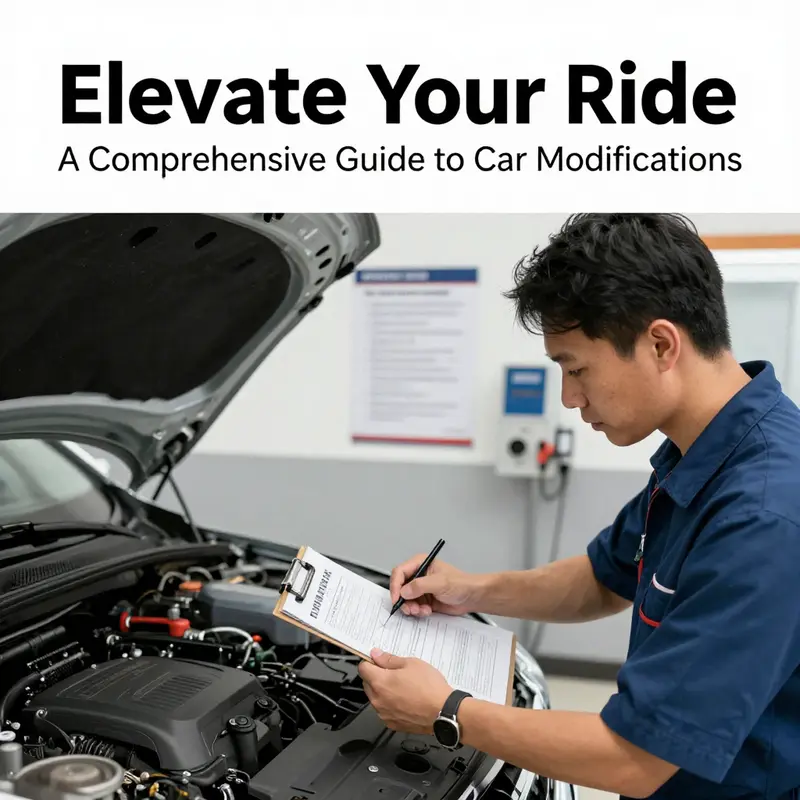
Choosing to modify your car is a decision that blends personal taste with practical responsibility. You want a look or a performance edge that reflects you, but you also want to keep the vehicle safe, reliable, and eligible for the road. The most enduring approach to modifications is to view them as a conversation between your goals and the rules that govern driving. Safety and compliance are not roadblocks; they are guiding principles that help you pursue your own vision without inviting risk or penalties. When you begin with that mindset, the modifications become meaningful choices rather than impulsive changes. You will protect yourself, your passengers, and other road users while preserving the value and longevity of your vehicle. This is the frame that binds the entire modification journey together, from appearance to acceleration to everyday practicality. It is also the frame that keeps you aligned with the realities of repair, insurance, and the varied regulations that apply across jurisdictions.
Exterior alterations can redefine the car’s presence while presenting the most visible regulatory questions. A color change, whether a full repaint or a large vinyl wrap that covers a substantial portion of the vehicle, triggers updates to registration in many places. A typical guideline is that you must file a change of registration within a short window, often around 10 days, to reflect the new color. The color itself cannot imitate government or emergency service palettes, which helps prevent confusion on the street and during encounters with law enforcement. This rule is simple to remember, yet its implications can be significant for documentation and insurance matching. When it comes to body kits, aero parts, and wheel upgrades, the door is generally open, but with caveats. You must verify compatibility with visibility and safety standards, and in some areas a pre-approval or documentation may be required to show that a new piece won’t obscure vision, interfere with airbags, or compromise pedestrian protection. Wheels and tires pose a subtler but equally important constraint: you can upgrade, but the size, offset, and overall geometry must stay within the manufacturer’s specifications. Going beyond those limits can alter handling, steering feel, and braking performance in ways that are hard to predict without professional input.
Window tinting sits in a different zone of regulation. Tint levels are regulated for front side windows and the windshield, usually with a threshold around 35% VLT, and often with limits on reflectivity. Stray from these limits and you risk fines, the need to remove the tint, or failed inspections. The goal is not to deny privacy or style but to ensure that drivers retain adequate visibility and that police and safety cameras still function as intended. If you’re considering a tint, consult the local rules and perhaps even have a professional tint service recommend levels that strike a balance between comfort and compliance.
Interior modifications tend to be more permissive, centering on safety and reliability rather than street legality alone. Aftermarket navigation, dash cams, backup cameras, or upgraded audio systems can usually be installed without changing registration. The same is true for seat upholstery or seat replacements, provided the alterations do not interfere with seat belt anchors or airbag deployment paths. Custom lighting inside the cabin, including LEDs and mood lighting, can enhance the experience as long as it does not create glare for the driver or present a distraction to others on the road. If you plan on any interior lighting that could flash or pulse aggressively, you should confirm that the design complies with local regulations and does not attract unwanted attention or risk.
Performance and mechanical upgrades are where the balance between desire and caution becomes most critical. Engine tuning, often achieved through ECU remapping, can offer meaningful gain—but it can also void warranties, affect emissions readings, and complicate insurance claims. Choosing a reputable tuner and ensuring proper tuning is essential; you want gains that are repeatable, safe, and well documented. Exhaust upgrades are common and can improve sound and flow, but they must meet noise limits and emissions standards. A loud exhaust that violates curbside noise ordinances or pushes emissions testing into noncompliance is not a victory; it’s a risk that undermines your automobile’s legitimacy on public roads.
Suspension and braking upgrades are a similar case. Upgraded shocks, struts, or larger brake calipers can enhance performance, but installation quality matters. Significant changes in suspension geometry can alter cornering behavior and ride comfort, while braking modifications must preserve stopping power and reliability. Because these systems interact with steering, tires, and weight distribution, working with professionals who understand the car’s baseline design is crucial. When you add supplemental power by aftermarket intakes or turbochargers, you should expect a need for careful installation and calibration. These components often demand documentation and a post-installation inspection in many jurisdictions, both to confirm safety and to maintain conformity with environmental regulations.
Special cases and regulatory requirements create a framework that every responsible modifier should respect. If you replace the engine or chassis, you will typically need to update the VIN records with your local DMV. Roof racks, cargo boxes, and bike carriers are legitimate enhancements for practical use, provided they can be removed for annual inspections if required. Off-road or racing modifications frequently step outside the realm of street legality unless a government body specifically approves them for road use. In all these instances, the guiding principle is clear: a modification should enhance your experience without compromising safety, legality, or the vehicle’s core systems.
The path to safe, lawful modification begins with a careful assessment of your car’s baseline: what the manufacturer designed, what the current regulatory environment requires, and how the changes may interact with safety systems, warranties, and insurance. It helps to rethink each potential change through four lenses. First, safety: will the modification affect braking, visibility, stability, or airbag coverage? Second, compliance: does the mod require registration, inspection, or a pre-approval letter from a regulatory body? Third, reliability: how might the change influence maintenance, part compatibility, and long-term durability? Fourth, documentation: will you have receipts, manufacturer recommendations, and a clear audit trail for future resale or regulatory checks? Keeping these questions at the forefront helps you make decisions that serve long-term goals rather than short-term aesthetics.
One approachable way to anchor your decisions is to study the broader regulatory framework that governs vehicle modifications. A concise, practical resource exists that outlines many of these standards and the practical steps involved in staying within the law. Before taking any action, you can review the guidelines in the article on Legal car modifications. This reference helps you map out what typically requires registration, what can be changed without paperwork, and how to plan for inspections, insurance notices, and potential impacts on resale value. It’s not a substitute for your local authority’s rules, but it does offer a structured reference point that complements the official sources you should consult.
At the heart of the process is a disciplined collaboration with your vehicle’s baseline design and the regulatory environment. You should begin any modification project with the manufacturer’s guidelines in mind and verify that your plans won’t interfere with safety systems like airbags, seat belts, and crash structures. Insurance considerations, too, deserve thoughtful attention. Some changes can affect coverage or premiums, and others may require disclosure to your insurer to preserve the validity of your policy. This is not about discouraging personal expression; it is about aligning that expression with a sustainable ownership experience that minimizes risk and preserves value. You don’t want a modification to turn your pride into a liability.
As you move forward, adopt a pragmatic, staged approach. Start with changes that are reversible or easily undone if problems arise. Document everything: parts, prices, installation dates, technician credentials, and post-modification test results. Schedule a post-installation check to verify that the vehicle’s handling, braking response, steering feel, and visibility meet your expectations under varied driving conditions. If a modification affects pass-and-fail criteria during inspections or emissions testing, you’ll be glad you prioritized preparation and documentation.
Finally, keep a clear eye on the future. If you intend to sell the car soon, consider how modifications might influence resale value and buyer perception. Some modifications that deliver immediate gratification can detour potential buyers, while others can add tangible value if they’re well-executed, technically sound, and properly documented. When you balance personal satisfaction with safety, compliance, and market realities, you build a foundation for a vehicle that remains enjoyable to drive, reliable in daily use, and resilient to regulatory scrutiny. By weaving safety, legality, and practical considerations into every decision, you transform modifications from a gamble into a carefully managed project that respects the road you share with others.
For those who want a broader sense of how modifications intersect with governance and testing standards, reputable sources in the United States point to federal and regional guidance on vehicle safety and permissible changes. In practice, this means aligning with standards set by the Department of Transportation and, in the United States, trusting the National Highway Traffic Safety Administration for foundational information about safety standards and permissible modifications. While the specific rules vary by state or country, the spirit remains consistent: pursue improvements that enhance capability and enjoyment without compromising safety, legality, or the well-being of others on the road. External perspectives and formal guidelines can anchor your decisions and help you navigate the nuances of inspections, warranties, and insurance implications.
In sum, modifying a car is less a sprint and more a thoughtful journey. It invites you to imagine a better-driving experience while honoring the boundaries that keep roads safe for everyone. By prioritizing safety, verifying regulatory requirements, and maintaining thorough documentation, you can realize meaningful enhancements without sacrificing peace of mind. The road to personalization becomes clearer when you treat each modification as a calculated step rather than a quick impulse. And when you approach this journey with curiosity, discipline, and respect for the rules that govern mobility, you’ll find that the vehicle you admire today can evolve in ways that are responsible, predictable, and genuinely satisfying for years to come. External resource: for broader safety standards and up-to-date information, consult authoritative sources such as the National Highway Traffic Safety Administration: https://www.nhtsa.gov
Final thoughts
Navigating the world of car modifications requires a delicate balance between creativity and compliance. As you embark on your journey to enhance and personalize your vehicle, remember the importance of following legal regulations while ensuring safety. Whether it’s an exterior aesthetic departure or a deep dive into performance tuning, your modifications should reflect both your personal style and automotive proficiency. Armed with the knowledge from each chapter, you’re now ready to turn your car into a masterpiece that serves both function and flair.