
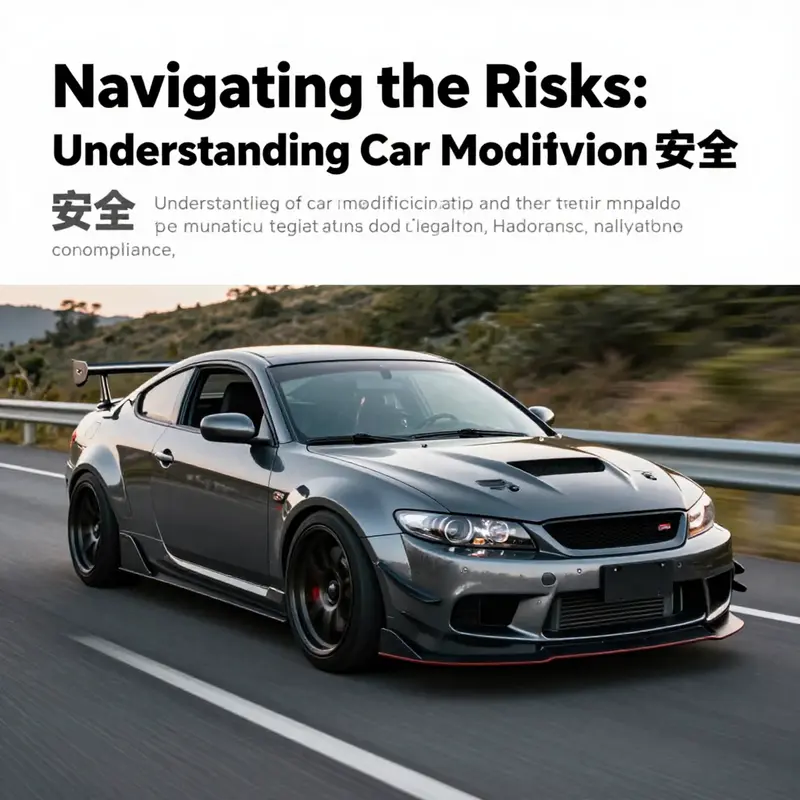
As car enthusiasts and modifiers, we dive into the exhilarating world of automobile customization. However, the allure of modification comes hand-in-hand with responsibilities that cannot be overlooked. The primary concern is safety: how modifications can impact vehicle functionality, legality, and overall road safety. This article dissects the potential dangers tied to improper car modifications, emphasizing that while not all modifications pose risk, those lacking adherence to safety standards and legal guidelines can significantly compromise vehicle performance and driver safety. We will explore the nuances of modifications, how they influence performance, the legal implications, and the psychological and societal effects of reckless modding habits.
When Style Becomes a Hazard: How Improper Modifications Turn Cars into Risks
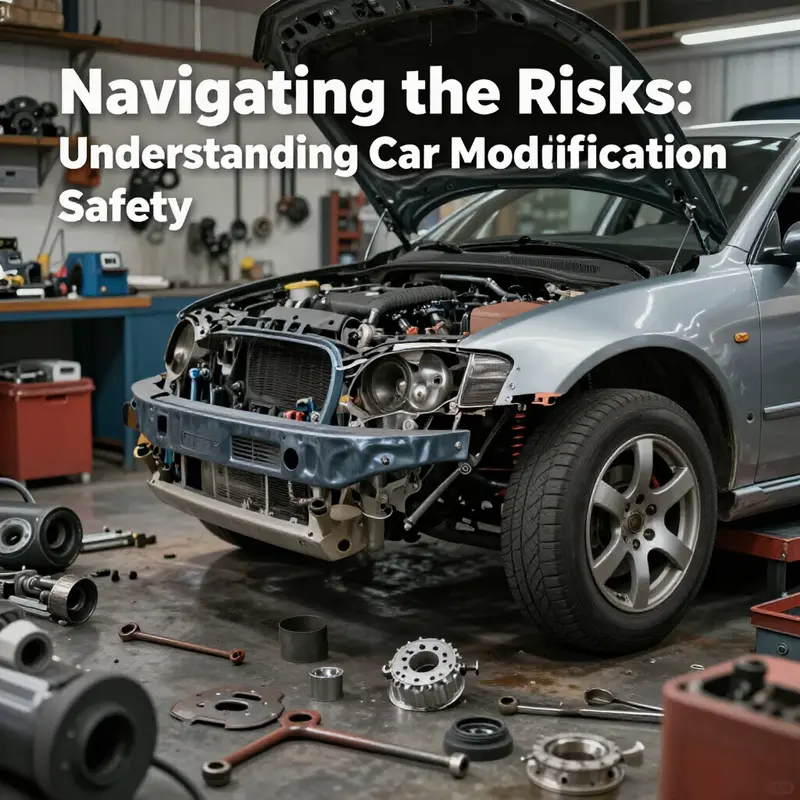
When style becomes a hazard is more than a warning. It describes how a seemingly small change can turn everyday driving into a safety problem. Modifying a car is not inherently dangerous, but mistakes and shortcuts create predictable, avoidable hazards. The risks span broken sightlines, electrical fires, compromised crash protection, illegal equipment, and insurance or registration trouble. Understanding how these dangers appear helps owners choose modifications that add value without adding risk.
Many improper modifications share a common root: they are made without regard for the vehicle’s original design or local rules. A pair of oversized brake discs may look and measure like an upgrade. But brakes are a matched system. Calipers, pads, rotors, hydraulic lines, and electronic aids work together. Fitting larger rotors without matching calipers and braking bias can change pedal feel, reduce modulation, and unexpectedly lengthen stopping distances in regular traffic. In short, a change that helps on a closed track can harm you on a city street when it is not matched to the rest of the system.
Visibility problems are often underestimated. Small ornaments, dangling air fresheners, stickers, or decorative mounts can obstruct critical sightlines. A swinging charm may distract during a merge or lane change. A decal near the windshield apex can produce glare under bright sun. Some rooftop or hood decorations and improperly secured roof lights cast shadows and blind spots. Many jurisdictions prohibit these obstructions; for example, California Vehicle Code §26708 forbids items that reduce the driver’s clear view. Even where laws differ, the physics is the same: anything that narrows your field of vision increases crash risk.
Electrical changes are another common source of danger. Many decorations and aftermarket lights are not designed for use with a vehicle’s electrical system. Drawing current directly from the battery without proper fusing or voltage regulation risks overheating and short circuits. Poorly routed wires wear against metal and insulation, creating concealed faults that ignite under vibration and heat. A melted harness can disable multiple systems at once and may leave a driver stranded in hazardous conditions. Using proper connectors, inline fuses sized to the circuit, and harnesses intended for automotive environments prevents many of these failures.
Structural and crash-protection issues hide beneath cosmetic upgrades. Body kits, oversized spoilers, and aftermarket bumpers alter how forces are absorbed in a collision. Manufacturers design crumple zones and mounting points to perform in a specific way. Cutting, welding, or relocating those attachment points can change load paths and reduce the effectiveness of airbags and seat belt pre-tensioners. Similarly, poorly fitted suspension parts can change handling balance and unpredictably induce oversteer or understeer, especially in emergency maneuvers. Aesthetics should never override the integrity of structural members.
Lighting and exhaust modifications affect other road users as much as the vehicle owner. Headlights that produce glare endanger oncoming drivers at night. Altered beam patterns reduce your night vision and increase the risk of a collision. Loud aftermarket exhaust systems may seem like an expression of personality, but excessive noise can mask emergency sirens or horns. Noise violations also bring fines, inspections, or forced restoration to compliant equipment. Many countries and states have clear standards for luminous intensity and sound levels for good reason: they preserve safety and community livability.
Legal and administrative consequences are not theoretical. Altering regulated components often violates vehicle safety acts and registration rules. In some jurisdictions, authorities can order a vehicle returned to its original configuration. Repeated or severe violations may result in failed inspections, fines, or even compulsory scrapping. Paperwork issues also arise: modifications that change emissions or safety systems can void approvals and frustrate registration renewals. Before investing time and money, check whether the change is permitted and what certification, inspection, or paperwork is required.
Insurance complications follow many improper changes. Insurers expect declared modifications so they can assess risk accurately. Undeclared or illegal modifications may void coverage for accidents related to those modifications. That exposes owners to financial liability for repairs and third-party claims. Whether a modification increases premiums or causes exclusion depends on the policy and the insurer’s rules. Being transparent and documenting professional installations reduces disputes and ensures claims are handled correctly.
Beyond legal, electrical, and visible risks, the cumulative effect of multiple small changes can degrade reliability. Extra electrical loads shorten battery life. Non-standard tires or wheel offsets accelerate wear on wheel bearings, suspension joints, and alignment. Unapproved adhesives or sealants used in installations can trap moisture, corrode metal, and create long-term maintenance headaches. Each change interacts with others, so responsible modification treats the vehicle as an integrated system rather than a parts bin.
Mitigation is straightforward when approached methodically. Start by researching local rules and typical inspection criteria. Consult authoritative legal guidance or a local authority if you are unsure whether a change is permitted. Prioritize certified or homologated parts designed for automotive use. Use professional installers with experience in the specific system you are altering. Insist on proper fusing, sealed connectors, and secure mounting points. Keep documentation: receipts, part certifications, and installation records help with inspections and insurance.
Testing and verification complete the process. After a major change, a careful road test in varied conditions reveals handling, braking, and visibility issues. A simple walkaround inspection can spot loose fasteners or chafed wiring. If the modification affects emissions or safety-critical systems, schedule an inspection with an approved tester. If a change degrades normal performance, reverse it and seek expert advice. The goal is not to prevent all creativity, but to ensure every change leaves the car safer or at least no less safe than before.
Owners who want personalization without penalty should favor reversible and low-impact modifications. Cosmetic choices inside the cabin, non-obstructive graphics, and manufacturer-approved accessories usually carry less risk. High-impact upgrades deserve research, budgeting for professional work, and a readiness to accept inspection and insurance implications. If you want to explore the legal boundaries of modifications, useful starting guidance is available in articles about whether modifications are legal in different jurisdictions, such as this primer on are car modifications illegal?.
Recognizing hazards and following basic rules keeps modification creative and safe. The difference between a tasteful upgrade and a dangerous alteration is often small. It comes down to matching parts to systems, following rules, using proper materials, and documenting the change. That approach protects the driver, other road users, and the investment in the vehicle.
For authoritative legal information related to vehicle modification standards and enforcement in specific jurisdictions, consult official government resources, for example the Ministry of Public Security: https://www.mps.gov.cn
When Modifying a Car Threatens Road Safety: Risks, Realities, and Responsible Choices
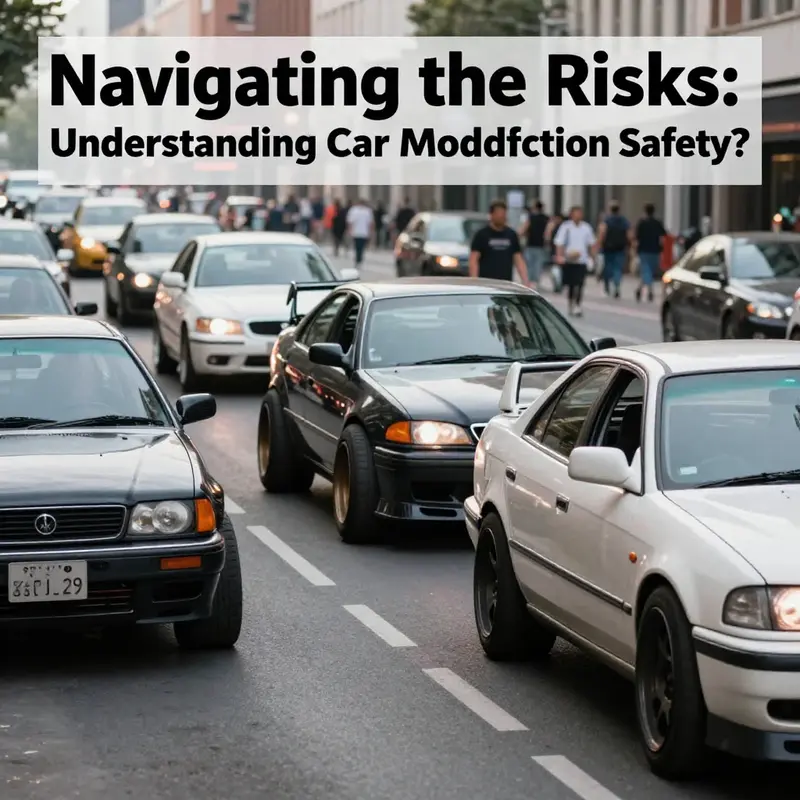
Is car modification dangerous for road safety?
Modifying a car can move a vehicle from a safe, tested machine to a hazard in minutes. Not every change will harm safety, but certain alterations directly affect the systems that keep occupants and other road users alive. The central issue is whether a modification changes how a vehicle stops, steers, or remains structurally sound. When those systems are altered without proper design, testing, or legal clearance, the result is increased accident risk, higher repair costs, and potential legal trouble.
Many owners assume upgrades always improve performance. That is not true. Installing larger brake discs or high-performance pads is beneficial in track conditions. On everyday streets, the factory brakes are usually adequate. Parts that are incompatible with the vehicle’s original design can reduce braking efficiency. Shortened springs or overly aggressive lowering kits may create chassis scrapes. Scraping damages components and can suddenly change handling.
Altering suspension geometry, wheel offset, or tire size changes a car’s balance. These mods can cause more body roll during turns, uneven weight transfer, and reduced traction in emergency maneuvers. A seemingly cosmetic change, such as wider wheels, can move the vehicle’s center of gravity and increase rollover risk. Improper alignment after modification degrades braking and cornering stability. The cumulative effect is a car that behaves unpredictably in sudden situations.
Engine and drivetrain modifications are another major source of danger. Adding forced induction, changing fueling, or increasing boost without upgrading cooling systems or recalibrating the ECU can overload the engine. Overstressed engines can fail catastrophically while driving. That sudden loss of power can leave a driver stranded in a dangerous lane or intersection. Failures like blown gaskets, seized bearings, or engine fires are real outcomes when modifications exceed design limits.
Electrical and lighting changes create hazards too. Unshielded, overpowered lights can blind oncoming drivers. Poorly routed wiring or DIY electrical work increases fire risk. Similarly, decorative accessories hung from the windshield or attached to mirrors can obstruct vision. Laws in several jurisdictions ban objects that reduce a driver’s clear view. Even a small dangling air freshener can become a distraction during a lane change. These small items have caused collisions when drivers lost sight of lanes or the road edge.
Noise and distraction matter as well. Loud exhausts that bypass mufflers create noise pollution. They can startle pedestrians and other drivers at night. Noise also masks important cues such as emergency sirens and engine noises that warn of mechanical trouble. Excessive cabin and external noise reduce situational awareness and can extend reaction times by fractions of a second. On the road, those fractions can mean the difference between avoiding a crash and not.
Legal and insurance consequences compound safety concerns. Many regulations ban structural modifications or require certification before changes are road legal. Alterations like changing the vehicle identification number (VIN), modifying chassis structure, or installing unapproved wide-body kits often fail safety inspections. When a vehicle cannot pass mandated inspections, it becomes illegal to drive. In accidents, insurers may deny claims if illegal modifications are found. That leaves owners financially and legally exposed.
The statistics are stark. Studies have shown that modified vehicles can experience much higher accident rates than stock cars. One report states the accident rate for modified vehicles is 3.2 times higher than for standard factory vehicles. Older cars with modifications show an even greater increase in risk. These figures reflect the reality that many modifications are not engineered into the original safety envelope.
Despite these risks, modifications do not have to be dangerous. The difference lies in approach. Safety-focused changes begin with a clear goal. Owners should ask why a modification matters and whether it is appropriate for their driving style. Track-driven performance upgrades demand different parts and setups than those suited to daily commuting. Using certified parts, following manufacturer instructions, and relying on qualified technicians reduces the chance of failure. Proper installation and calibration preserve intended system interactions and maintain predictable handling.
Documentation is crucial. Approved parts often come with test data and installation guides. Professional shops can adjust alignment, recalibrate electronic systems, and upgrade brakes or cooling as a complete package. After major changes, a full inspection or road test should confirm system integrity. Registration and declaration of significant modifications may be legally required. When in doubt, consult local regulations and notify insurers to avoid coverage issues. For guidance on how certain changes affect coverage, see what modifications void car insurance.
Practical, safe modification also means matching components. Brakes, tires, suspension, and steering must work together. Upgrading one element alone can create imbalance. For example, high-performance brakes generate more heat. Without better cooling and the right pads, they may perform worse in cold daily use. Similarly, tires with extreme summer compounds can lose traction in cool, wet weather. A holistic plan accounts for these interactions.
A culture of safety matters as much as technical choices. Shops that specialize in modifications should keep records and follow standards. Regulations in many regions require certification for structural changes. Enforcement varies, but compliance protects drivers and everyone on the road. Owners must weigh aesthetics against safety; cosmetic upgrades that intrude on visibility or aerodynamics are often poor trade-offs.
Ultimately, the decision to modify rests on knowledge and responsibility. Thoughtful changes, installed by professionals, and validated through testing can enhance a car without endangering others. Reckless or illegal modifications, by contrast, increase accident risk, create mechanical failure points, and leave owners exposed to legal and financial consequences. Prioritizing safety, understanding how systems interact, and following the law are the best ways to enjoy personalization without compromising lives.
For legal specifics on objects that obstruct the driver’s view, consult the applicable vehicle code. External reference: California Vehicle Code §26708: https://leginfo.legislature.ca.gov/faces/codes_displaySection.xhtml?sectionNum=26708.&lawCode=VEH
Balancing Gains and Hazards: How Modifications Change Vehicle Performance and Safety
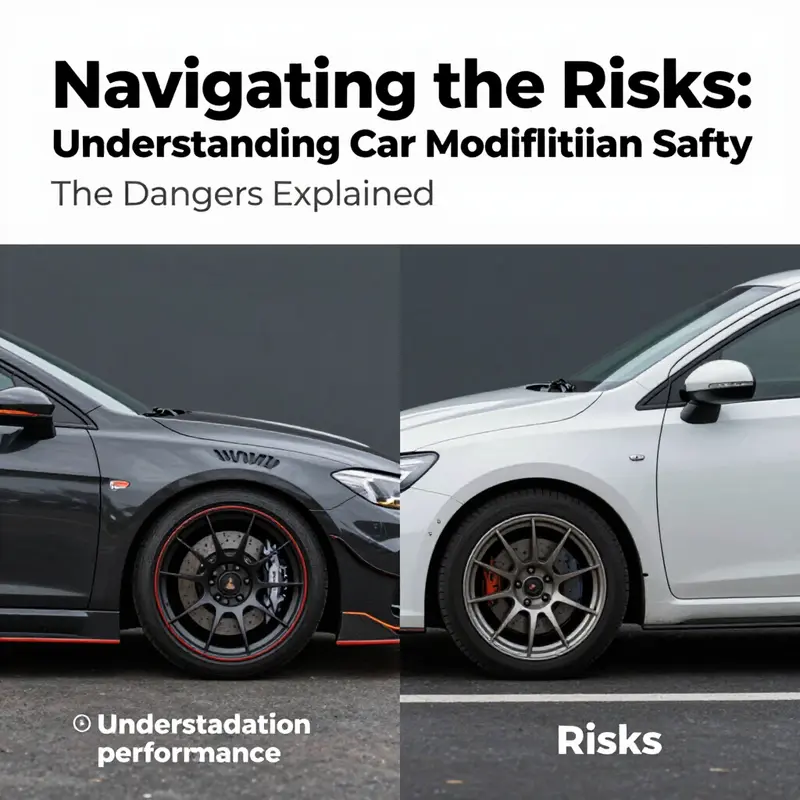
Balancing Gains and Hazards: How Modifications Change Vehicle Performance and Safety
Modifying a car is rarely a single effect; it is a web of interdependent changes that can amplify benefits or create new hazards. Performance upgrades promise sharper acceleration, firmer handling, and a more engaging drive. Yet every gain often carries a cost: altered braking balance, added stress on the engine, or legal and insurance consequences that many owners overlook. This chapter walks through the core systems most affected by modification and explains how well-intended changes can quickly become dangerous when they are unbalanced, improperly installed, or legally noncompliant.
Starting with the powertrain, changes such as higher-flow intakes, freer-flowing exhausts, or forced induction can produce dramatic increases in horsepower and torque. These upgrades let the engine breathe more easily and, when calibrated correctly, improve throttle response and mid-range power. The danger originates when supporting systems are not addressed. A turbocharger that is not matched to proper engine mapping can create lean conditions, which raise combustion temperatures and invite detonation. Short-term symptoms include overheating and poor drivability; long-term results can be catastrophic engine failure. Even seemingly minor intake or exhaust swaps change engine backpressure and airflow characteristics, which can reduce low-end torque or upset emissions control systems. Upgrades that increase output also increase wear on transmission, clutch, driveshafts, and differentials; a stronger engine torque curve makes these components more likely to fail if they remain stock.
Suspension modifications are another area where the line between improved control and reduced safety is thin. Lowering springs, stiffer dampers, and sway bars can significantly reduce body roll and tighten turn-in behavior, benefits that are most noticeable during aggressive driving or track use. But an excessively stiff setup transmits more force to the chassis over bumps, causing wheels to lose contact with uneven pavement and reducing traction. Lowering without correcting suspension geometry changes camber, caster, and toe angles; misalignment can cause uneven tire wear, unpredictable steering behavior, and a higher risk of loss of control in emergency maneuvers. Ride height adjustments also affect underbody clearance, which can expose hard components to road hazards and alter aerodynamic balance, sometimes increasing lift at speed.
Upgrades to the braking system are among the most safety-focused changes, yet they demand a system-wide view. Larger rotors, multi-piston calipers, and high-performance pads increase heat capacity and stopping power, which is essential if the vehicle’s power or weight has increased. However, piecemeal upgrades can create imbalances. If front or rear bias is altered without recalibrating the master cylinder, proportioning valve, or ABS settings, a vehicle can develop a tendency to lock one end under heavy braking or to trigger premature ABS intervention. Heavier brake assemblies add unsprung weight; that extra mass negatively affects suspension response and grip. Proper, safe brake upgrades consider hydraulic components, wheel fitment, and electronics as part of a matched system rather than isolated parts bolted on.
Tires and wheels connect all mechanical changes to the road, and choices here can make or break a build. Wider, stickier tires and performance compounds improve grip, cornering, and shorter stopping distances, but changes in wheel diameter, offset, or tire profile alter the effective gearing, speedometer accuracy, and suspension travel. Oversized wheels can increase rotational inertia and reduce acceleration and fuel economy. Incorrect tire pressure or mixing tread types front to rear—or combining summer tires with all-season ones—can produce unstable handling, especially in wet conditions. Clearance issues from large wheels can lead to rubbing under load, which damages sidewalls and can suddenly deflate a tire while driving. Every change to wheel and tire dimensions should be reviewed for load rating, rolling circumference, and compatibility with the vehicle’s steering and brake systems.
Legal and regulatory risks are not abstract inconveniences; they directly affect safety and liability. Local laws regulate lighting, window tint, exhaust noise, and visible obstructions. For example, aftermarket lighting that dazzles other drivers increases collision risk; illegal window tint reduces nighttime visibility and complicates police or inspection interactions. Documentation matters: many insurers require owners to declare modifications. Failure to disclose can void coverage or lead to claim denial after a crash. For practical guidance on insurance implications, review resources like what modifications void car insurance to understand how carriers view changes and what must be declared to maintain valid coverage. Alterations that fail to meet inspection standards can ground a car until fixed, which is a real safety net regulators intend to preserve.
Beyond immediate safety and compliance, modifications influence long-term reliability and resale value. Manufacturer warranties are commonly voided when aftermarket parts cause failures. Even without warranty implications, increased stress shortens component life. Engines tuned to higher power produce higher operating temperatures, which accelerate wear on bearings, seals, and cooling systems. Drivetrains pushed beyond their design limits show premature failure patterns. Future buyers may view extensive modifications as a sign the car was driven hard, depressing resale value; conversely, tasteful, documented upgrades done to a professional standard can attract buyers in niche markets. The key is transparent maintenance history and ensuring changes are reversible or properly integrated.
The cumulative lesson is that modifications must be approached as system-level engineering rather than as isolated tweaks. Each change should prompt questions: how does this affect braking, steering, cooling, and legal compliance? Who will tune the electronics, align the chassis, and certify the installation? Prioritizing reputable parts, professional installation, and matched upgrades reduces risk. Small accessories—dangling ornaments, oversized windshield decals, or unapproved interior mods—also merit attention: they can obstruct vision or become projectiles in a crash. Safety-conscious modifications enhance the driving experience without compromising the vehicle’s balance. When modifications are piecemeal, poorly matched, or done without regard to the vehicle as an integrated system, they create new failure modes that increase accident risk and legal exposure.
A practical approach favors incremental, documented changes with attention to the weakest affected component. Upgrade brakes when power increases; upgrade cooling when torque rises; align and revalve suspension after ride-height changes; choose tires that match performance goals and legal requirements. Consult trusted specialists and keep records. Think in terms of the whole vehicle: performance gains should be accompanied by equal attention to control, stopping, visibility, and reliability. When you treat a car as an interconnected machine rather than a collection of parts, the rewards of modification can be enjoyed with far less danger.
For further guidance on legal standards and safe modification practices, see the UK Driver and Vehicle Standards Agency guidance on vehicle modifications: https://www.gov.uk/government/publications/vehicle-modifications
When Tuning Crosses the Line: Legal Risks and Real Dangers of Car Modification
When Tuning Crosses the Line: Legal Risks and Real Dangers of Car Modification
Car modification sits at the intersection of passion and regulation. What feels like personal expression can quickly become a legal headache when parts or practices conflict with local rules. The risk isn’t abstract: fines, failed inspections, insurance denials, and forced reversions are common outcomes when owners alter critical systems without proper authorization. At the same time, many modifications are safe and lawful when handled responsibly. Understanding the legal landscape turns uncertainty into control, and reduces the chance that a cosmetic or performance upgrade becomes a real hazard.
Laws vary by place, but the reasoning behind them is consistent. Legislators and regulators focus on safety, environmental impact, and roadworthiness. Changes that affect a vehicle’s structural integrity, lighting, visibility, braking, or emissions trigger the most scrutiny. For example, removing or bypassing emission controls is illegal in many jurisdictions because it increases pollution and violates environmental regulations. Tampering with brakes, suspension, or the frame can alter crash performance. Even non-structural choices, like oversized decorative items that block a driver’s sightline, are actionable where they hinder safe operation.
Consequences are practical and immediate. In many countries, modifications that fall outside permitted limits can lead to monetary fines. Authorities may require repairs or ordering owners to return vehicles to their original specification. Registration can be denied if a car fails to meet safety or emissions standards. And perhaps most consequential for daily life, insurers may refuse coverage for claims related to undisclosed or illegal modifications. An otherwise straightforward claim can be denied when an insurer finds the vehicle altered in ways not declared on the policy.
Some regions are more prescriptive than others. In the United Kingdom, for instance, any change that affects safety or emissions must still comply with the Ministry of Transport test, commonly called the MOT. Fail that test, and the car is legally unfit for road use. In California, aftermarket parts that affect emissions must be certified by the state’s Air Resources Board. Installing non-approved components can create registration problems and may violate state law. Across the European Union and in many U.S. states, similar frameworks exist. Familiarity with local rules is essential; what’s acceptable in one place may be illegal a few miles away.
The type of modification matters enormously. Cosmetic upgrades such as paintwork, vinyl wraps, and many wheel styles are usually permitted. But even aesthetic changes have limits when they affect visibility, lighting colors, or reflectivity. Performance upgrades require particular care. Replacing exhaust components, altering engine control settings, or adding forced induction can change emissions and noise profiles. If systems designed to protect occupants or comply with environmental law are removed or disabled, the legal and safety risks rise sharply.
Quality of workmanship is another legal factor. A professionally engineered, certified modification is treated differently from a DIY job installed with substandard parts. Poorly executed modifications increase the risk of mechanical failure. A badly installed suspension lift can change handling characteristics and increase rollover risk. Incorrectly fitted brakes can fail under stress. The law often assumes a standard of workmanship: modifications should meet accepted engineering practice and, where required, pass inspection. That is why documentation, receipts, and certificates from qualified technicians matter when you present a modified vehicle to an inspector or an insurance company.
Vehicle ownership details also influence legality. Financed and leased vehicles may carry contractual restrictions against modification. Lenders and leasing companies often require vehicles be returned in approved condition. Alterations that breach those agreements can trigger penalties, forced reversions, or demands to repair at the owner’s expense. These contractual obligations exist even if the modification itself would be legal under traffic laws. Before making changes, owners should confirm loan and lease terms to avoid post-modification disputes.
Insurance interactions deserve careful attention. Coverage for modified cars varies by provider and policy. Insurers expect disclosure of modifications that change performance, value, or risk profile. Undeclared changes may void coverage or lead to claim denial. Some insurers offer specialized policies for modified vehicles, but these often require inspection and documentation. Being proactive with your insurer avoids surprises and ensures you remain covered if an incident occurs.
Visibility and small accessories are an underappreciated legal risk. Items hung from the rearview mirror, stickers across the windscreen, or opaque window films can breach local rules about unobstructed views. Such seemingly minor decisions create legal exposure and real danger. For instance, an object swinging in the driver’s line of sight can distract during a lane change or merge. Local codes frequently cite such obstructions as violations because they directly increase crash risk.
Another area of legal nuance is resale and roadworthiness. Modifications that were legal at installation may later complicate a sale or inspection. Prospective buyers may shy away from heavily modified cars because of the added burden of proving compliance. Likewise, modifications that improve track performance but degrade everyday braking or comfort can reduce a vehicle’s market value. The legal reality is simple: the easier it is to demonstrate compliance with rules and standards, the smoother future transactions will be.
Given these intersecting issues, responsible modification follows a few clear practices. First, research local laws before any change is made. Understand emissions, lighting, height, and noise restrictions. Second, use parts that meet regulatory approvals or certifications when required. Third, retain installation receipts and certification documentation. Fourth, disclose modifications to your insurer and, where applicable, your lender or leasing company. Finally, choose qualified professionals for complex work, and prioritize modifications that enhance safety or functionality rather than purely cosmetic alterations that may trigger scrutiny.
Many enthusiasts navigate this landscape successfully. Legal and well-executed modifications can enhance performance, safety, and personal satisfaction. The danger emerges when owners ignore requirements, skimp on quality, or prioritize looks over roadworthiness. The difference between a legal mod and an illegal one can be as small as missing paperwork, a non-compliant part, or a detail overlooked during installation. Treating modifications as engineering changes, not just stylistic choices, keeps both the modder and other road users safer.
If you want a practical starting point, read a focused guide on whether modifications are illegal. It offers clear questions to ask before any upgrade. For detailed local legal requirements and guidance on what needs certification in the United Kingdom, consult the government’s official resource on vehicle modifications and legal requirements: https://www.gov.uk/government/publications/vehicle-modifications-and-legal-requirements.
For specific reading about legality in general, see this discussion of whether car modifications are illegal: are car modifications illegal.
Adopt these steps and you transform a potential liability into an informed, safer expression of automotive passion.
When Mods Become Menaces: The Psychological and Community Costs of Dangerous Car Modifications
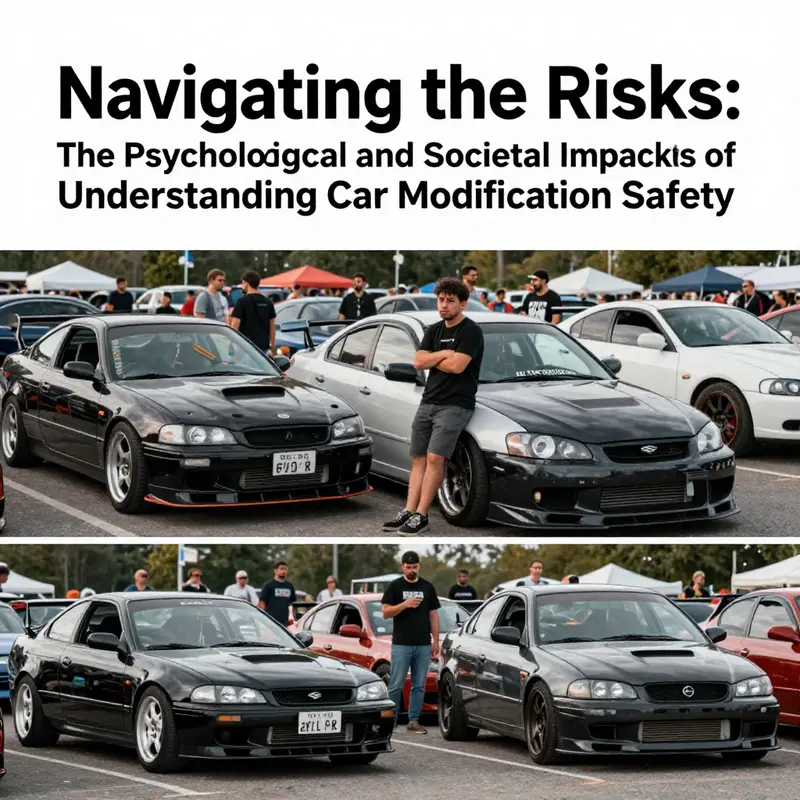
Social and psychological costs of risky car modifications
Dangerous car modifications do more than alter a vehicle’s look or performance. They change how drivers behave, how neighborhoods feel, and how communities allocate resources. At the individual level, visible and audible modifications signal identity, status, and intent. At the societal level, they create noise, risk, and a cascade of consequences that reach far beyond the driver. This chapter traces the psychological drivers that push people toward extreme modifications, examines the ripple effects those choices create, and outlines practical paths for shifting behaviors without relying solely on punitive measures.
The psychological appeal of radical modifications is straightforward and powerful. For some drivers, louder exhausts, oversized engines, and intimidating bodywork provide immediate social rewards. They attract attention, mark group membership, and broadcast dominance. Research links these choices to broader personality patterns. Traits like high sensation-seeking and a tolerance for risk incline some individuals toward louder, more aggressive modifications. Recent evidence shows a deeper association, where psychopathy predicts both driving aggression and enjoyment of loud car setups. The implication is unsettling: for certain people, modifications are not mere aesthetics. They are extensions of personality that can promote hostile and risky driving.
When modifications become a means of asserting power, they alter interactions on the road. Drivers who seek dominance through sound or appearance are more likely to engage in provocative maneuvers. Loud vehicles can escalate disputes and spark road rage. Aggressive tuning that reduces vehicle control increases collision risk. Even non-structural items, like decorations that obstruct the windshield, produce cognitive distractions. Those momentary lapses happen during critical tasks such as merging or braking. The result is measurable: higher rates of near-misses, pedestrian hazards, and multi-vehicle incidents in areas where risky modifications are common.
Beyond crash statistics, dangerous modifications produce pervasive noise pollution. Modified exhausts and amplified stereos raise ambient sound levels across neighborhoods. Chronic noise elevates stress, disrupts sleep, and undermines concentration. The health effects are real and cumulative. When residents face repeated disturbances late at night, their mental well-being degrades. Children and older adults are especially vulnerable. The erosion of quiet enjoyment also reduces community cohesion. People avoid streets and public spaces where loud displays are frequent. That avoidance weakens neighborhood ties and reduces informal social control—the casual supervision that deters crime and unsafe driving.
Younger drivers are particularly susceptible to imitation. A culture that valorizes extreme mods creates visible role models for adolescents. The desire for peer approval amplifies the appeal. A single high-profile event—an organized meet or a viral video—can produce waves of copycat behavior. That contagion effect complicates enforcement. Laws alone rarely change social norms overnight. Instead, normalization fosters a steady churn of new drivers who attempt similar modifications without understanding the trade-offs. That increases the base rate of risky vehicles on the road and burdens enforcement resources.
The economic and civic toll is also significant. Municipalities respond to persistent modification-related disturbances through increased policing, noise enforcement, and legal action. These responses require staffing and equipment. They divert funds from other services. Insurance markets feel the impact too. Vehicles that have been altered unsafely carry different risk profiles. Insurers may raise premiums, refuse coverage, or cancel policies when modifications are undisclosed. The resale market shifts as well. While some buyers seek customized cars, many consumers prefer stock safety. Illegally or poorly executed mods can reduce resale value, leaving owners with stranded assets.
Addressing these harms demands more than fines. Understanding why people modify provides a pathway to change. Many motivations are social: identity expression, peer recognition, and the thrill of visibility. Interventions that ignore these drivers miss the point. Effective strategies combine regulation with psychology-informed outreach. Education campaigns that appeal to identity and community pride can reframe safe modifications as desirable. Peer-led programs, where influencers from car communities model accountable behavior, help shift norms from within. Training and certification for mod shops build trust and reduce dangerous DIY alterations. When reputable installers endorse safety standards, the default choice becomes safer.
Behavioral nudges can also reduce harmful outcomes. Localities that pair clear, enforced rules with visible alternatives—designated meet-up zones with noise limits or sanctioned track days—offer outlets for enthusiasts. These options protect public spaces while preserving a place for passionate drivers to express themselves safely. Markets respond when demand exists for safe customization. Manufacturers of parts and aftermarket suppliers can support that shift by clearly labeling intended use and safety implications for each component.
Enforcement must be strategic, transparent, and community-oriented. Blanket crackdowns can alienate enthusiasts and drive behavior underground. Instead, a tiered approach that prioritizes the most dangerous alterations yields better results. Simple rules against windshield obstructions and excessive noise are easy for officers to enforce and for citizens to understand. For chronic offenders or severe modifications that impair safety, stronger penalties are appropriate. Clear reporting channels empower residents to act when disturbances occur. Local governments can provide resources on how to report illegal car modifications and what to expect from enforcement, creating a shared responsibility for public well-being. For practical guidance on reporting, communities can use resources like this how-to report illegal car modifications guide: how to report illegal car modifications.
Ultimately, the goal is not to criminalize car culture or strip owners of creativity. It is to align individual expression with collective safety. Doing so protects vulnerable road users and preserves community quality of life. Psychological insights show that identity and social rewards drive many risky modifications. Policies that recognize these forces and offer positive alternatives will be more effective than punishment alone. Combining education, designated spaces for expression, industry standards, and focused enforcement creates a resilient approach. It reduces risk while preserving the aspects of car culture that bring people together.
For readers who want to explore the empirical links between personality traits and preferences for loud modifications, the following study offers useful detail and data: https://www.mdpi.com/2076-3283/15/4/297
Final thoughts
In the dynamic world of car modification, understanding the potential risks is just as crucial as embracing the passion for customization. The road ahead can be safe and enjoyable, as long as modifiers adhere to crucial safety standards, remain informed on legal frameworks, and consider the functional aspects of their enhancements. Each chapter of this article sheds light on different dimensions of modification, from potential dangers associated with improper installations to the broader impact on society and law. Ultimately, responsible car modification harmonizes safety with the exhilarating thrill of personalization, ensuring that your vehicle not only reflects your style but remains a safe member of the road.